Top 4 Castles around Sernancelhe
Best castles around Sernancelhe are found in the Viseu district of Portugal, a region known for its historical significance and diverse landscapes. The area features medieval fortifications and unique modern constructions, reflecting centuries of history from Neolithic origins to the Christian Reconquest. Situated near the Távora River and Serra da Lapa, these sites offer insights into the strategic importance of inland Portugal. Visitors can explore ancient ruins and architectural curiosities that define the region's heritage.
Best castles around Sernancelhe
- The…
Last updated: June 22, 2026
Castle Walls of Trancoso
Highlight • Castle
Translated by Google •
Tip by

Historic Village of Trancoso
Highlight • Historical Site
Translated by Google •
Tip by

Sign up now to discover places like this
Get recommendations on the best single tracks, peaks, & plenty of other exciting outdoor places.
Sign up for free
King's Gate
Highlight • Castle
Tip by
Moreira de Rei
Highlight • Historical Site
Translated by Google •
Tip by

Castelo de Penedono
Highlight • Castle
Translated by Google •
Tip by

Start today with a free account
Your next adventure awaits.
Login or Signup
Tips from the Community

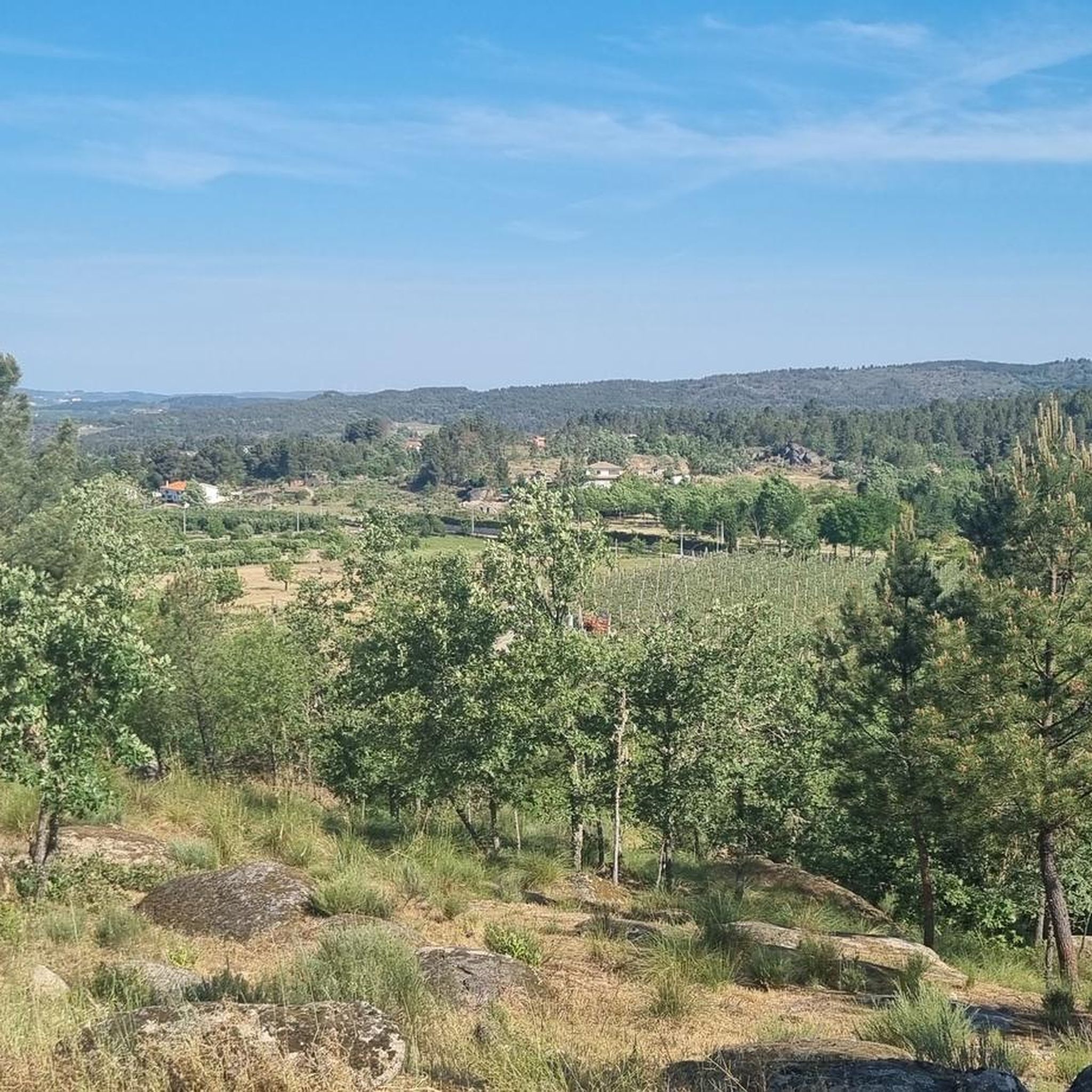
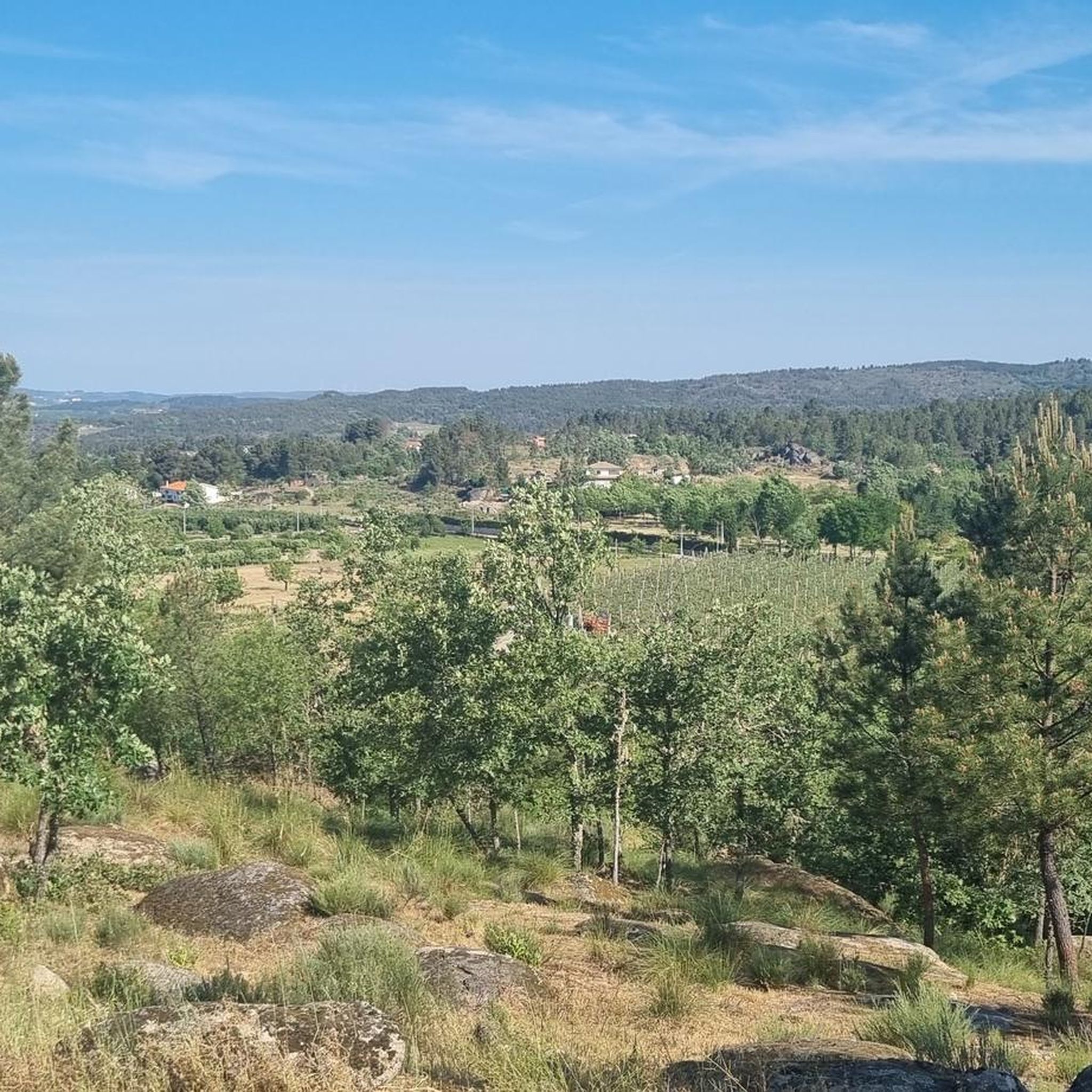
Amid granite boulders and echoes of ancient battles, Moreira de Rei rises, an eagle's nest crowned by ruins that still whisper stories of fleeing kings, noblemen, and armies that passed through here. A good example is its name, which dates back to the time when Moreira welcomed King Sancho II on his way to exile from Toledo. Beneath the old Romanesque church lies a proto-Christian necropolis, witness to centuries of faith. Between worn walls, Roman pavements, and Visigothic memories, the town preserves, in stone and silence, the grandeur of a past that has never ceased to pulse.
2
0

Its ancient castle contrasts with the fears and fears experienced by the people of yesteryear. It was a border town, the scene of many important battles and struggles for the formation and independence of the kingdom. It received important privileges. D. Afonso Henriques granted it a charter and D. Afonso III the charter of Feira. D. Dinis ordered the construction of the walls that still protect a village where Christians and Jews lived together. The ring of walls that still surround the old medieval town, as well as the vast civil and religious architectural heritage, give the Historic Centre a unique image.
3
0
The Castle of Trancoso is erected atop a hill in the North-Easternmost extreme of the city of Trancoso, within the district of Guarda, Portugal. It is a castle build in between the 10th and 13th centuries, featuring towers and the characteristic walls inclined to the tower of Moorish connotations. From the primitive castle appears the walled fortress with five towers and an homage one, the walls featuring several gates as well. Among these, the Porta do Rei stands out the most for being flanked by two towers.
2
0
The Castle of Trancoso is erected atop a hill in the North-Easternmost extreme of the city of Trancoso, within the district of Guarda, Portugal. It is a castle build in between the 10th and 13th centuries, featuring towers and the characteristic walls inclined to the tower of Moorish connotations. From the primitive castle appears the walled fortress with five towers and an homage one, the walls featuring several gates as well. Among these, the Porta do Rei stands out the most for being flanked by two towers.
2
0
The Castle of Trancoso is erected atop a hill in the North-Easternmost extreme of the city of Trancoso, within the district of Guarda, Portugal. It is a castle build in between the 10th and 13th centuries, featuring towers and the characteristic walls inclined to the tower of Moorish connotations. From the primitive castle appears the walled fortress with five towers and an homage one, the walls featuring several gates as well. Among these, the Porta do Rei stands out the most for being flanked by two towers.
4
0

Penedono Castle (Portuguese: Castelo de Penedono) is a medieval castle located in the parish of Granja, in the municipality of Penedono, Viseu District, Portugal. This castle, also known as Magriço Castle, dominates the town and combines elements of a defensive fortification and a stately home.
7
0

Trancoso is one of the 12 historic villages in Portugal with a castle, city wall, Jewish quarter and a small, picturesque old town. In this place was the marriage of Dom Dinis and Saint Elizabeth of Portugal (Isabel de Aragon, also called Rainha Santa Isabel).
4
0
Frequently Asked Questions
What are the main historical castles to visit around Sernancelhe?
The region offers a mix of historical fortifications. You can explore the medieval Castle of Sernancelhe, which dates back to the Neolithic era and was later fortified by the Knights Hospitaller. Another significant site is Castelo de Penedono, known for its unique architecture. The Castle Walls of Trancoso and the Historic Village of Trancoso also offer a deep dive into the region's past, with their well-preserved medieval structures and rich history.
What is the Castle of Adriano, and is it a historical site?
The Castle of Adriano, located in Lamosa near Sernancelhe, is a unique and modern construction, not a historical medieval castle. It was built by Adriano dos Santos and his sons over 25 years, serving as a testament to personal dedication and creativity. While not ancient, it's an architectural curiosity and a popular spot for photographs, showcasing a different facet of local heritage.
Are there family-friendly castles or activities in the Sernancelhe area?
Yes, the region offers family-friendly options. The King's Gate within the Castle Walls of Trancoso is specifically noted as family-friendly. Exploring the historic villages like Trancoso itself, with its walls and old town, can also be an engaging experience for families.
When is the best time of year to visit the castles around Sernancelhe?
The best time to visit the castles around Sernancelhe is generally during spring (April to June) and early autumn (September to October). During these periods, the weather is typically mild and pleasant for exploring outdoor sites, avoiding the intense heat of summer and the colder, potentially wetter conditions of winter.
What outdoor activities can I do near the castles?
The Sernancelhe region is great for outdoor enthusiasts. You can find various routes for different sports. For example, there are MTB Trails around Sernancelhe, including moderate and difficult loops. If you prefer running, there are Running Trails around Sernancelhe, such as a moderate loop around Castelo de Penedono. Road cycling is also popular, with Road Cycling Routes around Sernancelhe offering options from easy to difficult.
Are the castles around Sernancelhe dog-friendly?
While specific policies for each castle's interior may vary, many outdoor historical sites and castle ruins in Portugal, including the Castle of Sernancelhe, often allow dogs on leashes in their exterior areas. For the Castle of Adriano, as it's a private, unique structure, it's best to check locally upon arrival. Always ensure your dog is well-behaved and on a leash.
Is there parking available at the castles?
For historical sites like the Castle of Sernancelhe, Castelo de Penedono, and the castles in Trancoso, you can typically find parking in nearby village centers or designated areas within walking distance of the castle entrances. Specific parking information might be available locally or through tourist information centers in each town.
How much time should I allocate to visit the castles in the Sernancelhe region?
The time needed varies by castle. For the ruins of the Castle of Sernancelhe, a visit might take 30 minutes to an hour to explore the walls and imagine its history. Larger sites like the Historic Village of Trancoso, which includes castle walls, a Jewish quarter, and an old town, could easily take half a day or more to fully appreciate. Castelo de Penedono might require 1-2 hours. If you plan to visit multiple castles, consider dedicating a full day or more to the region.
Are there cafes or restaurants near the castles?
Yes, the castles are typically located near or within villages that offer dining options. In Trancoso, you'll find various cafes and restaurants within the historic village. Similarly, Penedono and Sernancelhe have local establishments where you can enjoy traditional Portuguese cuisine and refreshments after your castle visit.
What is special about the <a href="https://www.komoot.com/highlight/6418308" target="_blank" rel="noopener">Castelo de Penedono</a>?
Castelo de Penedono, also known as Magriço Castle, is a medieval castle that uniquely combines elements of a defensive fortification with those of a stately home. Its distinctive architecture and commanding position over the town make it a prominent landmark and a fascinating site for history enthusiasts.
What can I expect to see at <a href="https://www.komoot.com/highlight/7851742" target="_blank" rel="noopener">Moreira de Rei</a>?
Moreira de Rei is a historical site characterized by its granite boulders and the ruins of an ancient settlement. It holds echoes of ancient battles and royal visits, with its name dating back to King Sancho II. Beneath its old Romanesque church, a proto-Christian necropolis reveals centuries of faith. The town preserves Roman pavements and Visigothic memories, offering a glimpse into a rich past.
Most popular attractions around Sernancelhe

Get inspired with the komoot mobile app


