Top 5 Natural Monuments around Estarreja
Natural monuments around Estarreja are defined by the extensive wetland ecosystems of the Ria de Aveiro and the Antuã River. This region in Portugal features a significant lagoon system characterized by a network of canals, salt marshes, and intertidal zones. It is recognized for its rich natural heritage, providing opportunities for wildlife observation and exploration of diverse landscapes. The area offers green spaces and a network of trails for visitors to experience its natural features.
Best natural monuments around Estarreja
…Last updated: June 22, 2026
Ovar Canal 🌊 Aveiro Lagoon
Highlight • Lake
Translated by Google •
Tip by

View of the Salt Pans, Rua do Sal
Highlight • Viewpoint
Translated by Google •
Tip by

Sign up now to discover places like this
Get recommendations on the best single tracks, peaks, & plenty of other exciting outdoor places.
Sign up for free
Pateira de Frossos
Highlight • Lake
ListMap
Show filters
I'm looking for
Regions
Municipalities
Category
No results found. Please use the form.
Your account
Favorites
My Centre
Albergaria-a-Velha
Aveiro Region
Translated by Google •
Tip by

Duck ponds in the São Jacinto forest
Highlight • Lake
Translated by Google •
Tip by

Aveiro Municipal Environmental Interpretation Center (CMIA)
Highlight • Rest Area
Translated by Google •
Tip by

Start today with a free account
Your next adventure awaits.
Login or Signup

Tips from the Community

Salt mining in the Aveiro region dates back to a time before the Ria de Aveiro itself existed, with the first written document about Aveiro salt production dating back to before the founding of the nation. Over the centuries, the instability of the inlet (isolation from the sea) was a decisive factor in the variation in the number and production of salt pans. This resulted in periods of decline interspersed with periods of great favorability for production. This occurred in 1572, when, given the favorable condition of the inlet and the high and progressive commercial and maritime index, Aveiro became one of the best ports in Portugal, with a significant increase in salt trade and cod fishing. In 1808, the new inlet (an artificial system that allows seawater to enter) was finally opened, a fact of exceptional importance for the future of Aveiro and the entire region. (Source: Wikipedia) (Source: Wikipedia)⁶
13
0

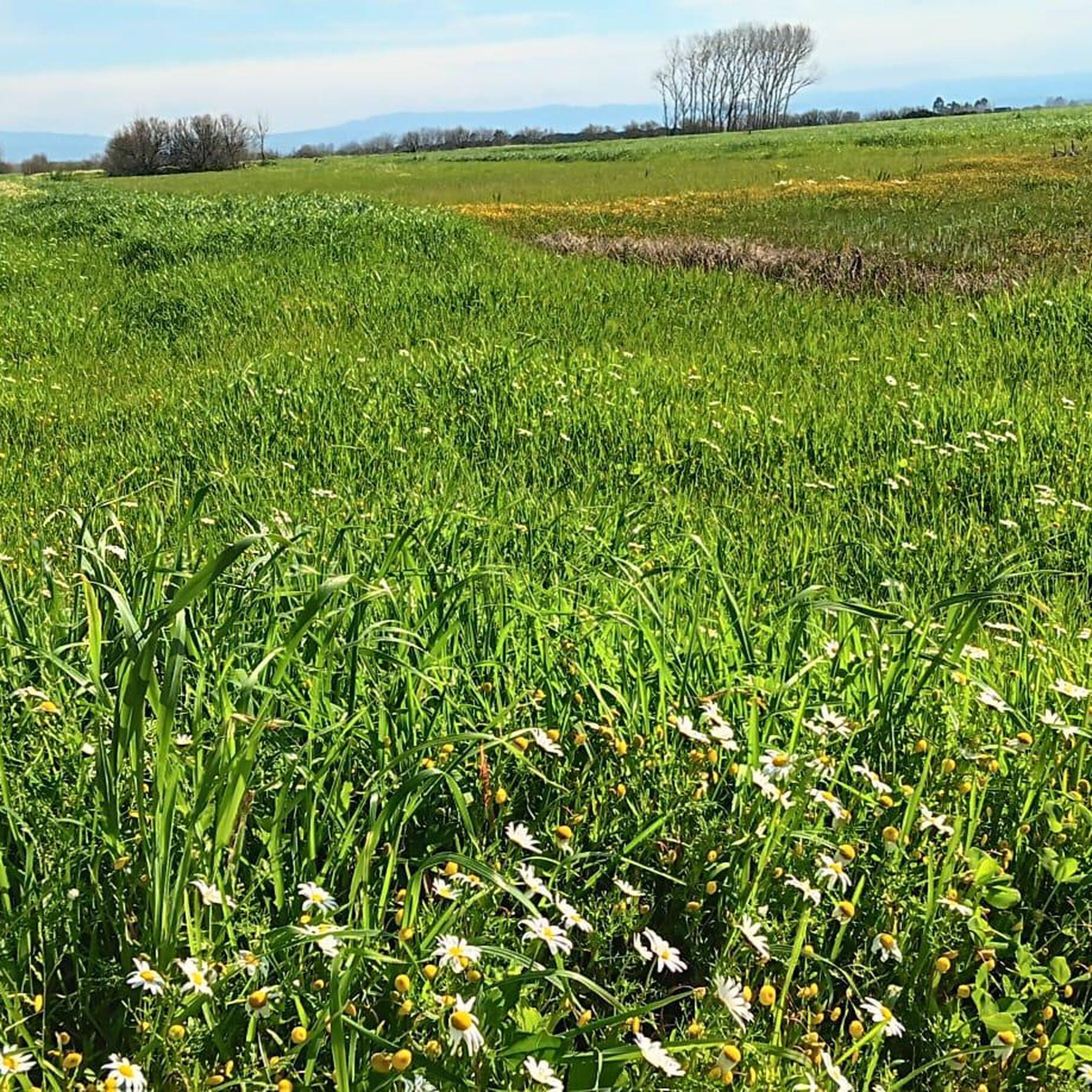
These flooded areas combine fresh and salt water, creating a unique ecosystem where the diverse flora attracts a wide variety of fauna. The lagoons, known as pateiras, were reopened in the 1980s and have become a refuge for numerous water birds, including the ducks of the Aveiro estuary, from which they are named.
2
0

Search ListMap Show filters I'm looking for Regions Municipalities Category No results found. Please use the form. Your account Favorites My Centre Albergaria-a-Velha Aveiro Region Albergaria-a-Velha is a land of traditions made of water, bread and mills. The latter predominate in Albergaria-a-Velha – the municipality with the largest number of inventoried water mills in Europe – and constitute an important element of the rural landscape of the watercourses that run through the entire municipality. They are elements with high heritage value that delight the eyes of the people of their lands and all visitors who dare to visit them. Pateira de Frossos is part of the important lagoon system of the Ria de Aveiro, representing a valuable tourist resource that displays an unparalleled biodiversity of species and vegetation, an excellent natural resource that must be exploited, cared for, promoted and publicized. The sound of running water is a constant presence in the parish of Ribeira de Fráguas. The Caima River, which rises in the Serra da Freita and flows for 50 km until it flows into the right bank of the Vouga, as well as its various tributaries, carve their way through the uneven terrain of this more mountainous area. The Camino de Santiago represents a remarkable intangible heritage, a memory and an identity for Albergaria-a-Velha.
0
0

The CMIA ("Centro Municipal de Interpretacao Ambiental") is located right on the edge of the extensive saltworks landscape. It offers an interesting and varied exhibition with stuffed birds and other animal species, well-made and helpful display boards and other displays. The expert staff are happy to help with many further questions. From the walkable roof of the center there are great views of the extensive wetlands of the original saltworks landscape. Binoculars are also available. Outside there are covered table groups for resting and some educational games.
2
1

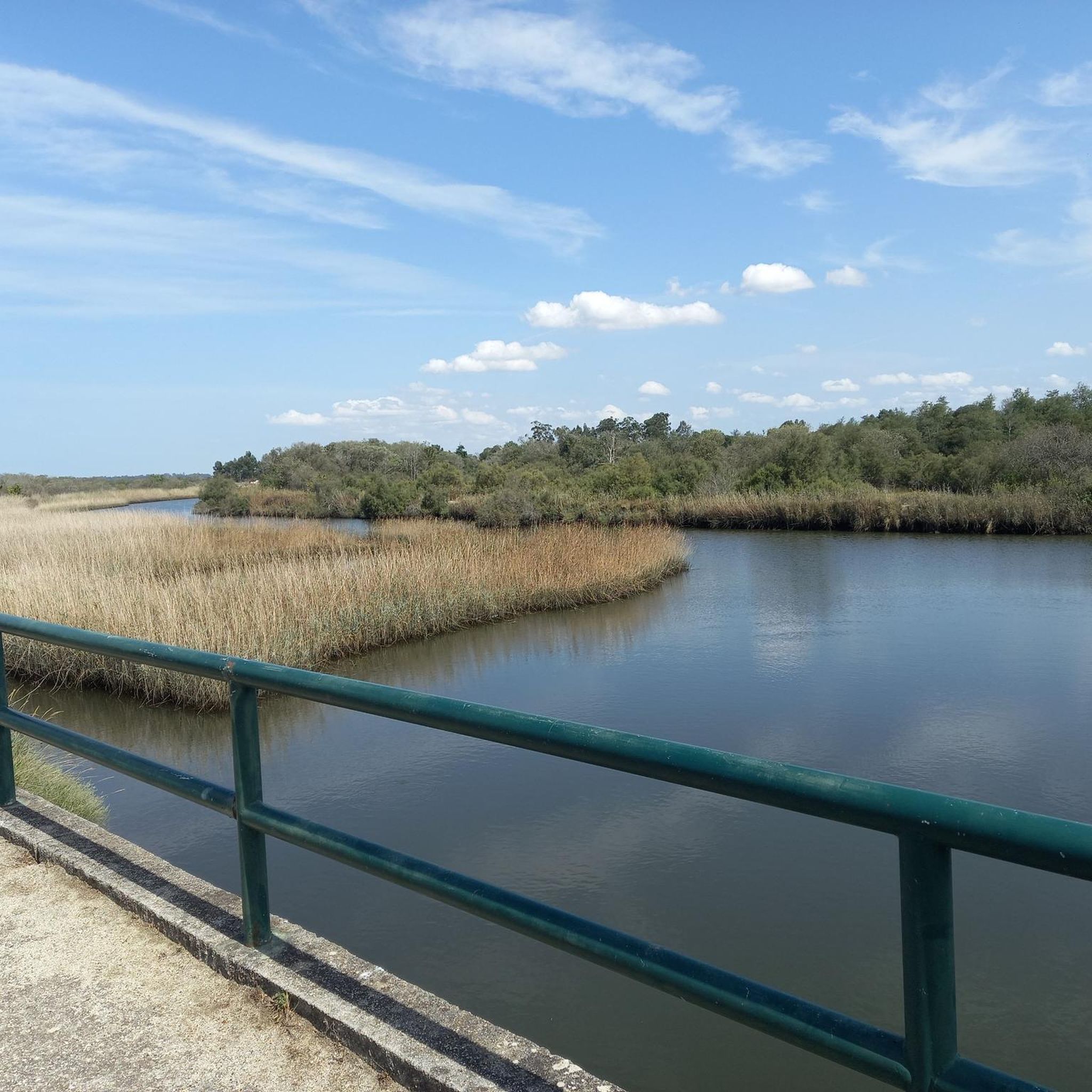
The Canal de Ovar, also known as Ria de Ovar, is the northern section of the Ria de Aveiro, between São Jacinto and Ovar, in the district of Aveiro. The shallow coastal lagoon, about 25 kilometers long, is the largest of the three main channels of the Ria (Ovar, Ílhavo and Mira) understood as a unique space in the context of Portugal and Europe, given the environmental and landscape qualities of high scientific value, with conditions for the practice of bird watching and other activities, such as rowing, sailing, canoeing, stand up paddle or simple boat or moliceiro trips. The Ria de Aveiro has been the target of a silting intervention since 2019, with the aim of strengthening the margins in low areas threatened by the advance of water, to protect people and goods and to restore the supply of sediment to the coast, and complementarily, contribute to the improvement of navigation conditions in the estuary and accessibility to some of the quays, which are quite silted, as well as to maintain an ecological flow, in order to preserve ecosystems
2
0
Frequently Asked Questions
What natural features can I expect to see around Estarreja?
The natural monuments around Estarreja are primarily shaped by the extensive wetland ecosystems of the Ria de Aveiro and the Antuã River. You will find a significant lagoon system with canals, salt marshes, and intertidal zones. Key features include the Ovar Canal 🌊 Aveiro Lagoon, which is the northern section of the Ria de Aveiro, and the unique ecosystem of the Duck ponds in the São Jacinto forest, where fresh and salt water combine.
What outdoor activities are available near Estarreja's natural monuments?
The region offers a variety of outdoor activities. You can explore extensive networks of walking and cycling paths, particularly within the BioRia project areas. The calm waters of the Ria de Aveiro are also suitable for water sports like rowing, sailing, canoeing, and stand-up paddleboarding. For specific routes, you can find hiking trails, road cycling routes, and running trails around Estarreja.
Are there family-friendly natural monuments in Estarreja?
Yes, several natural monuments and areas are suitable for families. The Ovar Canal 🌊 Aveiro Lagoon and the Duck ponds in the São Jacinto forest are both categorized as family-friendly. The Parque Municipal do Antuã also features picnic parks, playgrounds, and a children's road safety circuit, making it ideal for family outings.
When is the best time to visit Estarreja's natural monuments, especially for birdwatching?
The Ria de Aveiro, particularly the BioRia reserve, is a significant Special Protection Area for waterbirds. It is a haven for around 180 bird species annually. The BioRia reserve is notable for hosting Portugal's largest colony of Purple Herons. While specific peak seasons for all species vary, visiting during migration periods (spring and autumn) or in the breeding season (spring/early summer) will offer excellent birdwatching opportunities.
Are there good viewpoints to observe the natural landscapes?
Yes, there are several excellent viewpoints. The View of the Salt Pans, Rua do Sal offers perspectives on the historic salt production landscape of the Aveiro region. Additionally, the Aveiro Municipal Environmental Interpretation Center (CMIA) provides a walkable roof with great views of the extensive wetlands and original saltworks landscape, often with binoculars available for visitors.
What kind of wildlife can I spot in the natural areas around Estarreja?
The Ria de Aveiro and its associated wetlands are rich in biodiversity, especially birdlife. You can spot around 180 bird species annually, including the largest colony of Purple Herons in Portugal, White Storks, Black-tailed Godwits, and Eurasian Spoonbills. The diverse habitats, including marshes, reed beds, and rice fields, support a wide array of flora and fauna.
Are there hiking trails suitable for different skill levels?
Yes, the BioRia project offers an extensive network of walking and cycling trails totaling over 50 km, catering to various preferences. For example, the "Path Salreu" is a popular circular route, approximately 8 km long, that provides excellent opportunities to experience the wetlands. You can find a range of options from easy to moderate difficulty, such as the Ria de Aveiro Wetlands loop from Salreu, which is an easy hike.
What is the BioRia project and why is it important?
The BioRia project in Estarreja focuses on promoting and conserving the natural heritage within the Ria de Aveiro wetland ecosystem. It's important because the Ria de Aveiro is a significant lagoon recognized as a Special Protection Area (SPA) under the Natura 2000 network, particularly for its role as a haven for numerous waterbird species. BioRia provides extensive trails and environmental education, allowing visitors to connect with and learn about this exceptional biodiversity.
Can I learn about the local environment and conservation efforts?
Yes, the Environmental Interpretation Center at Salreu, part of the BioRia project, serves as a hub for visitors. Here, you can learn about the local flora and fauna and the importance of conservation through interesting and varied exhibitions. The expert staff are available to answer questions, and the center itself offers great views of the wetlands.
Are there any natural monuments with historical significance?
Yes, the View of the Salt Pans, Rua do Sal highlights the historic salt production landscape of the Aveiro region. Salt mining in this area dates back to before the Ria de Aveiro existed, with its history deeply influenced by the stability of the inlet and the evolution of the lagoon system.
What is the Parque Municipal do Antuã?
The Parque Municipal do Antuã is a prominent urban green space in Estarreja, situated along the banks of the Antuã River. It covers approximately 15.7 acres and offers picturesque riverine landscapes, walking and cycling paths (primarily wooden walkways), and opportunities for flora and fauna observation. It's a pleasant place for all ages, featuring picnic areas, playgrounds, and outdoor fitness equipment.
Is there a natural monument that is a lake with unique biodiversity?
Yes, Pateira de Frossos is a lake that is part of the important lagoon system of the Ria de Aveiro. It represents a valuable tourist resource displaying unparalleled biodiversity of species and vegetation, making it an excellent natural resource to explore.
Most popular attractions around Estarreja

Get inspired with the komoot mobile app


Explore more
Extend your search for the best caves by checking out these guides of the top ones around Estarreja:
