Top 20 Natural Monuments around Helsinki
Best natural monuments around Helsinki offer diverse natural landscapes, from expansive forest areas to unique coastal islands. The region features a blend of urban life and accessible green spaces, providing opportunities for outdoor recreation. Helsinki's natural environment includes significant waterways, protected reserves, and varied terrain. These sites allow for appreciation of Finland's natural beauty and ecological diversity.
Best natural monuments around Helsinki
- The most popular natural monuments is Vantaankoski Rapids, a river that is culturally and historically significant. This…
Last updated: August 30, 2026
Laajalahti Nature Trails
Highlight • Trail
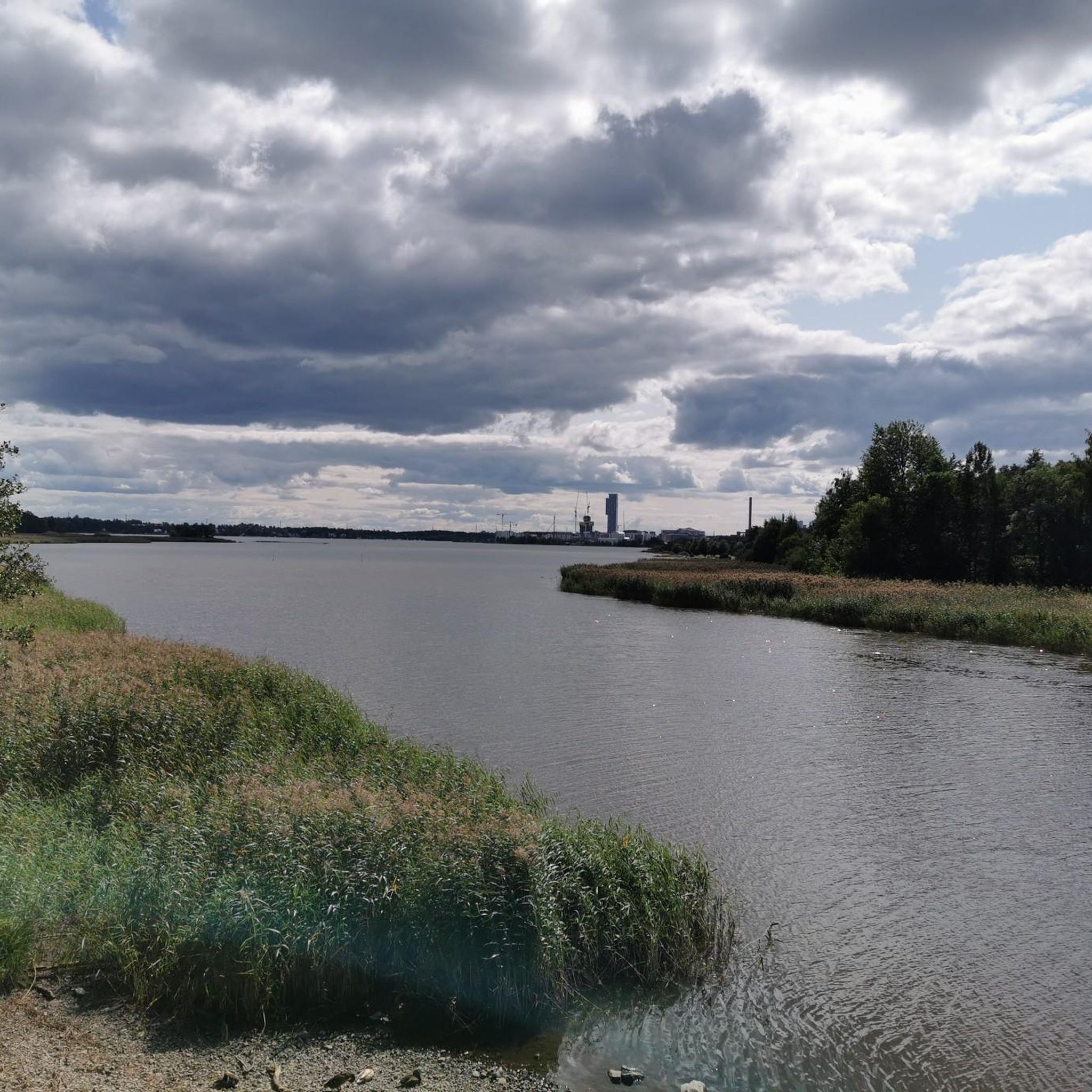
The route includes many rest spots along the shore with views across the inlet.
Tip by

Havis Amanda Fountain
Highlight • Monument
Translated by Google •
Tip by

Sign up now to discover places like this
Get recommendations on the best single tracks, peaks, & plenty of other exciting outdoor places.
Sign up for free
Sibelius Monument
Highlight • Monument
Translated by Google •
Tip by

Vantaankoski Rapids
Highlight • River
Translated by Google •
Tip by

Säynäslahdenpuro Stormwater Wetlands
Highlight • Natural
Tip by

Sign up for free to discover even more natural monuments around Helsinki.
Sign up for free
Already have an account?
Start today with a free account
Your next adventure awaits.
Login or Signup
Popular around Helsinki
NorthCape4000 – 12 days from Lake Garda to the North Cape
Forest frame – Nuuksio National Park overnighter
Urban escape route – Ring G
Forestbound – Sipoonkorpi National Park Overnighter
Between lakes and the sea – Western Uusimaa Loop
Hiking around Helsinki
Running Trails around Helsinki
Road Cycling Routes around Helsinki
Cycling around Helsinki
MTB Trails around Helsinki
Other adventures around Helsinki


Tips from the Community

nice surroundings to ride in. some of the roads were pretty soft, so wider tires won't hurt.
0
0

Diverse vegetation is also resilient and adapts to changes in land-use and variation in weather conditions. The extent of the services that wetlands provide to people depend on wetland design and well-being, as well as on land-use within the contributing watershed and weather dependent pollutant loads. Constructed wetlands typically consist of a flow dissipating and heavy sediment settling inlet pond, a vast shallow emergent plant covered wetland, and a sediment settling outlet pond. The Säynäslanhdenpuro Wetland consists of three parallel research wetlands with flow and pollutant load monitoring facilitating outlet dams.
0
0
A stormwater wetland is a constructed transitional landscape between water and dry land. Wetlands are natural water detention and purification landscapes. Constructed wetlands are thus established to compensate for challenges to water environment brought about by land-use change. Urban wetlands dissipate and detain runoff thereby preventing flooding and drought extremes. Water quality is mitigated through sediment settling, and purification of soluble pollutants by wetland plants, microbes and soils. Diversity of plants and their associated microbes is a key element in purifying urban waters.
0
0
Land-use change in urban areas from natural to impervious surfaces such as roofs, paved yards and asphalt roads prevents water infiltration and storage within the watershed. Runoff travels quickly over impervious surfaces collecting and carrying everything from surfaces to catch basins and sewers. Impacts visible at the storm sewer outlets to urban streams include flooding, drought and erosion. Depending on land-use within the watershed, runoff carries harmful substances such as nutrients, heavy met- als, oils and rubbish. The receiving water body suffers from habitat degradation while the impervious and drained watershed often experiences draught and heat.
0
0

Havis Amanda is a bronze statue by Ville Vallgren from 1905. The bronze statue represents a mermaid who has decided to leave her home in the sea and go on land. In Vallgren's imagination, Havis Amanda is the embodiment of Helsinki, the daughter of the Baltic Sea. She is thus the soul of the city on the shore. He depicted her at the moment when she takes her first steps on land. She casts one last look back at the sea over her shoulder. https://de.wikipedia.org/wiki/Havis_Amanda
3
0

Worth seeing fountain in the center near the harbor.
6
1
Vantaankoski (Swedish: Vandaforsen) is a culturally and historically significant rapid in Vantaanjoki. It is 240 meters long with a drop of 5 meters. Located within the city of Vantaa, the rapids are divided into three districts. Vantaanlaakso and Piispankylä lie on the west bank, while the east bank belongs to Viinikkala. Especially in spring during the snowmelt, the rapids are very impressive and made a lasting impression on me (according to Wikipedia, the maximum flow rate is 230 m³/s). The area around Vantaankoski is a prehistoric settlement, inhabited since the Stone Age. The site became a transportation hub where roads leading in various directions intersected with a waterway leading north. In the 16th century, communal mills belonging to the villages of Vantaa were built at the rapids. The village of Myllymäki, consisting of just two houses, grew up on the site. In the 1830s, Ruukki began operating and processing ore in the Kvarnbacka rapids.
0
0
Laajalahti Nature Reserve is the best bird watching area in southern Finland. The area protects a shallow bay and is important for numerous breeding birds and thousands of birds that stop over during their migration. In addition, the Laajalahti nature reserve is a great recreational area with nature trails, viewpoints and educational tours (bird and bat watching) and the Villa Elfvik nature house. You will find there several nature trails along the Villa Elfvik. You can choose from 700m, 800m, and 1,3km trails or head to a 2,9km long trail connecting Laajalahti with Otaniemi district. If you are looking for a longer hike, you can start by the Gallen-Kallela Museum and continue along the sea following the 40km long Espoo Waterfront Walkway. The shortest 700m trail is also accessible with wheelchairs and strollers, as well as entering the Nature House Villa Elfvik.
0
0
Frequently Asked Questions
What are some unique natural features to explore around Helsinki?
Helsinki offers a variety of unique natural features. You can visit the Vantaankoski Rapids, a culturally and historically significant river with a 5-meter drop, especially impressive during snowmelt. Another unique spot is the Säynäslahdenpuro Stormwater Wetlands, a constructed landscape designed to purify urban waters and prevent flooding, showcasing an innovative approach to environmental management.
Are there natural monuments around Helsinki that are suitable for families?
Yes, several natural monuments are great for families. Laajalahti Nature Trails offers various paths, including a 700-meter accessible trail, and is known for its rich birdlife. The Vantaankoski Rapids area is also family-friendly, providing a beautiful setting with historical significance. Additionally, Vanhankaupunginlahti Bay and Lammassaari, accessible via duckboards, are highly recommended for families and birdwatchers.
What kind of wildlife can I spot in Helsinki's natural monuments?
Helsinki's natural monuments are home to diverse wildlife. At Laajalahti Nature Trails, you can observe numerous breeding birds and migratory species. Helsinki Central Park is known for vulnerable flying squirrels, thriving in its diverse habitats. Along the Haaganpuro Stream, you might spot critically endangered trout, dippers, common sandpipers, grey wagtails, kingfishers, and even otters.
What historical natural monuments can be found near Helsinki?
The Vantaankoski Rapids are a prime example, with a history of human settlement dating back to the Stone Age and 16th-century mills. While man-made, the Sibelius Monument is integrated into a natural setting, sparking discussions about art and public spaces. Vallisaari island also offers a unique blend of historic fortifications and nature, providing a glimpse into the region's past.
What outdoor activities can I do near Helsinki's natural monuments?
You can enjoy a wide range of outdoor activities. For hiking, explore trails like the Seurasaari Loop Trail or the Lammassaari and Kuusiluoto Boardwalks Trail. Mountain biking enthusiasts can tackle routes such as the Central Park Mountain Bike Trail. If cycling is your preference, consider the Helsinki North Cycling Route. You can find more details on these activities and routes on the respective guide pages, such as Hiking around Helsinki, MTB Trails around Helsinki, and Cycling around Helsinki.
Are there accessible natural sights around Helsinki for visitors with strollers or wheelchairs?
Yes, accessibility is considered in several areas. The shortest 700-meter trail at Laajalahti Nature Trails is accessible with wheelchairs and strollers. Nuuksio National Park also offers trails suitable for those with strollers or wheelchairs. Additionally, the Sibelius Monument and Havis Amanda Fountain are generally wheelchair accessible.
What is the best time to visit Helsinki's natural monuments?
The best time to visit largely depends on the activity you're interested in. Spring offers impressive views of the Vantaankoski Rapids during snowmelt. Summer is ideal for exploring islands like Vallisaari, which are accessible by waterbus. Autumn provides beautiful foliage for hiking in places like Helsinki Central Park. Many natural areas, such as Nuuksio National Park, offer services year-round, making them suitable for winter activities as well.
Where can I find extensive forest areas near Helsinki?
Helsinki Central Park (Keskuspuisto) is an expansive forest area stretching approximately ten kilometers from the city center towards Vantaa. It features spruce-dominated forests, groves, and several nature reserves like the Haltiala Virgin Forest. Nuuksio National Park, just 45 minutes from Helsinki, also offers a vast Nordic wilderness characterized by forests, lakes, and ravines.
Are there any natural monuments that are particularly good for birdwatching?
Vanhankaupunginlahti Bay (Old Town Bay) is a prime location for birdwatching, known for its rich birdlife. The nearby Lammassaari island, accessible via duckboards, further enhances the experience. The Viikki area, which is Helsinki's largest nature reserve, is also part of this significant bird habitat. The Laajalahti Nature Trails are also an excellent spot for observing numerous breeding and migratory birds.
What do visitors enjoy most about the natural monuments around Helsinki?
Visitors appreciate the seamless blend of urban life and nature, offering serene escapes. Many enjoy the peaceful atmosphere and scenic views, such as those from Vallisaari island. The rich history and cultural significance of sites like the Vantaankoski Rapids are also highly valued. The opportunity to connect with nature, whether through hiking, birdwatching, or simply enjoying a picnic, is a common highlight.
How can I reach natural monuments like Nuuksio National Park using public transport?
Nuuksio National Park is conveniently located just 45 minutes from Helsinki in Espoo, and is accessible via public transport. For specific routes and schedules, it's recommended to check local public transportation websites, as services can vary seasonally. The park provides a perfect setting to explore Finnish nature with services available year-round.
Are there any hidden natural gems or less-known spots worth visiting?
While popular spots are well-known, the Uutela Nature Trail in marine East Helsinki offers a peaceful retreat with diverse nature along marked trails, including forests, grazing lands, and sea views. The Maunula Outdoor Area, part of Central Park, features a nature trail winding through a babbling brook valley and a protected hazel grove, offering a Zen-like haven of calm away from the main city bustle.
Most popular routes around Helsinki
Most popular attractions around Helsinki

Get inspired with the komoot mobile app


Explore more
Extend your search for the best caves by checking out these guides of the top ones around Helsinki:
