Top 10 Natural Monuments around Grums
Natural monuments around Grums, a municipality in Värmland County, Sweden, offer diverse landscapes for exploration. Situated by Lake Vänern, the area features a mix of freshwater archipelagos, forests, and viewpoints. These natural areas provide opportunities for hiking and experiencing the tranquility of the Swedish landscape. Grums is recognized for its significant natural areas, including several nature reserves.
Best natural monuments around Grums
- The most popular natural monument is Segerstad Archipelago Nature Reserve, a natural monument that features a freshwater…
Last updated: May 9, 2026
Segerstad Archipelago Nature Reserve
Highlight • Natural Monument
“The reserve is a freshwater archipelago with many different types of environments. There are bare rocky beaches, sandy beaches …
Translated by Google •
Tip by

Hammarklätten Hill Fort and View of Glasfjorden
Highlight • Historical Site
Translated by Google •
Tip by

Sign up now to discover places like this
Get recommendations on the best single tracks, peaks, & plenty of other exciting outdoor places.
Sign up for free
Vegerbol Silver Mine
Highlight • Historical Site
Translated by Google •
Tip by
Ättestupa Cliff
Highlight • Viewpoint
Ättestupa is a tradition or legend that says that old people in Nordic antiquity would jump or be thrown to their deaths by making a steep leap.
Translated by Google •
Tip by
Bronze Age Burial Mounds at Gräddsjön
Highlight • Historical Site
(1800 - 500 BC). Bronze Age cairns are often well constructed and sometimes contain stone coffins.
The coffins can …
Translated by Google •
Tip by
Sign up for free to discover even more natural monuments around Grums.
Sign up for free
Already have an account?
Start today with a free account
Your next adventure awaits.
Login or Signup

Other adventures around Grums

Tips from the Community

Mining was common in the area in the 19th century. It primarily involved copper, silver, lead, and zinc ores. Mining was most active here in Vegerbol. Operations began in 1808 and continued, with some interruptions, until 1816. Thirty years later, work resumed. Mining was economically viable for several years. During the most productive years, around 150 people were employed here in crushing, sorting, smelting, and transport. From 1852 onwards, mining was only carried out intermittently and on a small scale. Around 1870, mining ceased for good.
0
0
Ättestupa may literally mean something like "old man's fall". The sign explains this. Ättestupa is a tradition or legend that says that old people in Nordic antiquity would jump or be thrown to their deaths by making a steep leap. According to the myth, this happened when older people were no longer able to earn a living or contribute to the work on the farm. Many places in Sweden and the Nordic countries are said to have served as family graves, but it is no longer considered likely that they were actually used. The series "Norsemen" starts with an Ättestupa. Directly from Season 1 Episode 1 in the second minute.
0
1

There is easy parking and there are several beautiful walking and hiking routes as well as opportunities for swimming
0
0
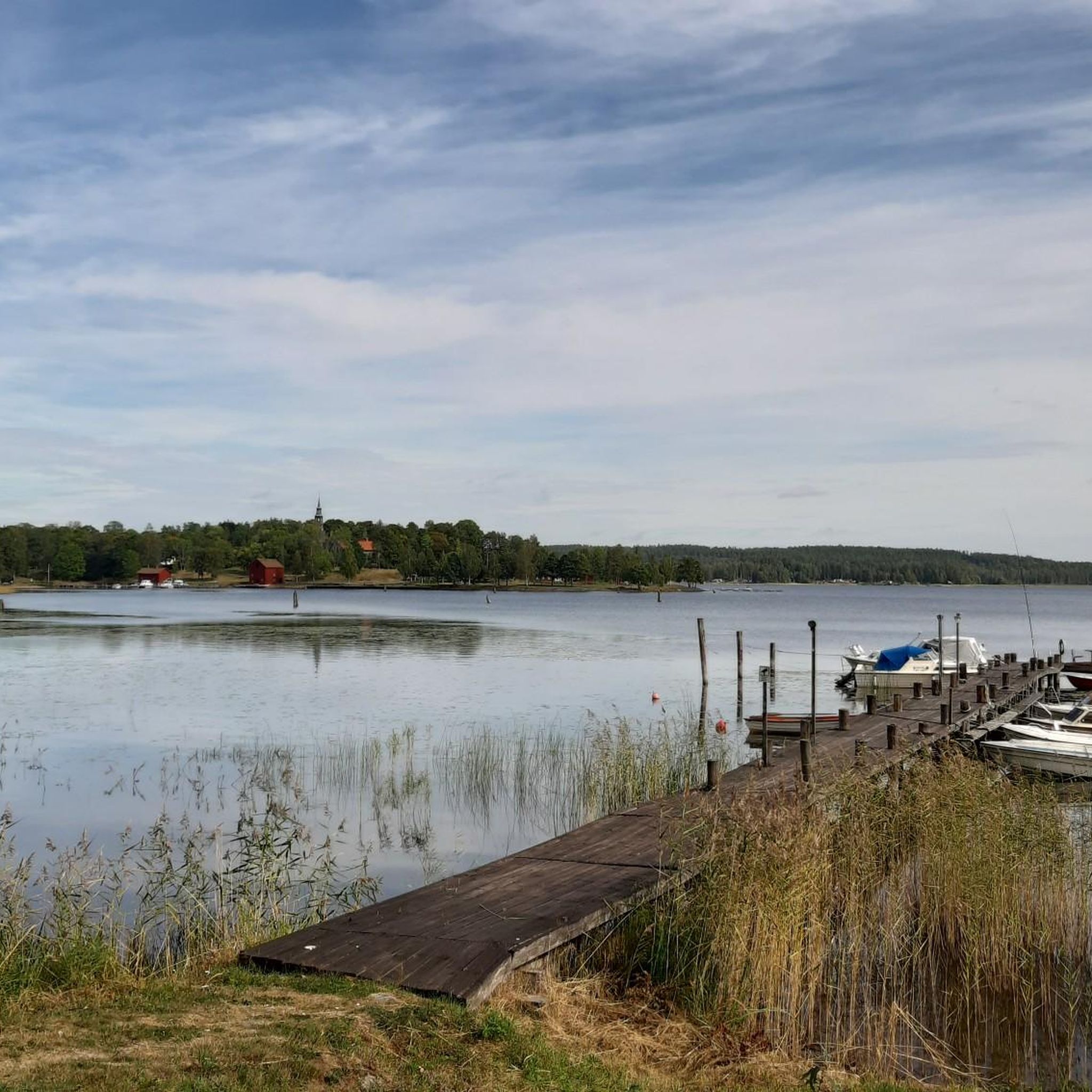
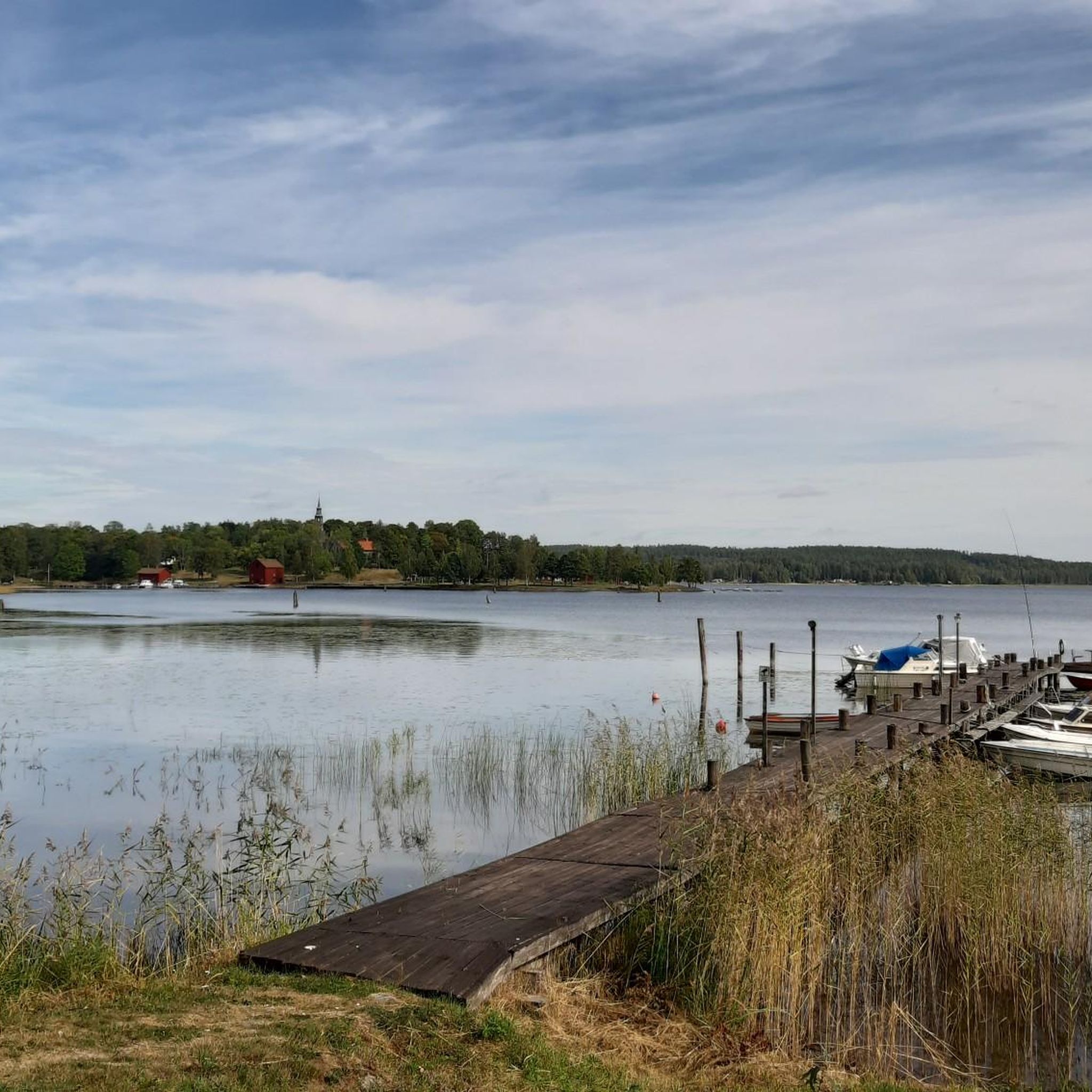
From here, several circular hiking trails lead through the nature reserve. “The reserve is a freshwater archipelago with many different types of environments. There are bare rocky beaches, sandy beaches suitable for swimming and shallow bays overgrown with reeds. The views can be breathtaking and it is not uncommon to see the white-tailed eagle fly by with prey in its talons. The Segerstad area is part of the Segerstad Archipelago Nature Reserve. The area, which is a peninsula, is the only part of the nature reserve that can be reached without a boat. There are hiking trails in the area that are accessible to everyone.” Information from the nature conservation authority
1
0
These two burial mounds were probably built during the Bronze Age (1800 - 500 BC). Bronze Age cairns are often well constructed and sometimes contain stone coffins. The coffins can be as long as a man for skeleton graves or small for cremation graves, i.e. graves with burned bones. Investigations sometimes unearth bronze objects such as razors and tweezers that the dead had taken to the grave. Burial pits are widespread along the waterways in southern and central Värmland. It shows the importance of water for the development of prehistoric buildings. During the Bronze Age, the waterways were the main means of communication, connecting rather than dividing settlement. The location of burial mounds on a cliff by the water is characteristic. (text from sign)
0
0
Culture and nature together
0
0
Fantastic view on the cliff with easy access
0
0

Here on the crest of the Hammarklätten lie the remains of a prehistoric refuge. From the castle, the 90-meter-long stone wall is preserved, which can be seen here and there in the vegetation around the hilltop around. In the northeast had a natural boundary through the steeply sloping mountain wall. Many castles served as defensive castles in the surrounding area. According to tradition, most prehistoric castles are counted at the boyhood time. From here you have a beautiful view over Stömne and the Glasfjorden. The place invites for a long break or a picnic. Certainly from here can be experienced a wonderful sunset.
0
0
Frequently Asked Questions
What natural features can I explore among Grums' natural monuments?
Grums, situated by Lake Vänern, offers a diverse range of natural features. You can explore freshwater archipelagos, such as the Segerstad Archipelago Nature Reserve, which features bare rocky beaches, sandy shores, and reed-grown bays. The region also includes forests, hills, and various viewpoints, providing opportunities to experience the tranquility of the Swedish landscape.
Are there good hiking opportunities among Grums' natural monuments?
Yes, Grums offers several hiking opportunities. The Segerstad Archipelago Nature Reserve has circular hiking trails suitable for all. Additionally, the Getgarsudde Nature Reserve features a 1.7 km trail known as "Led Getgarsudde." For more hiking options, you can explore the Hiking around Grums guide, which includes routes like the easy Kycklingleden Trail.
Which natural monuments in Grums offer historical insights?
Grums has several natural monuments with historical significance. The Hammarklätten Hill Fort and View of Glasfjorden is a prehistoric refuge with remains of a 90-meter-long stone wall. The Vegerbol Silver Mine is a historical site where copper, silver, lead, and zinc were mined in the 19th century. You can also visit the Bronze Age Burial Mounds at Gräddsjön, which are ancient burial sites located by the water.
Are there any family-friendly natural monuments in Grums?
Yes, the Segerstad Archipelago Nature Reserve is considered family-friendly. It offers accessible circular hiking trails, sandy beaches suitable for swimming, and opportunities for wildlife spotting, making it an enjoyable destination for all ages.
Where can I find scenic viewpoints among the natural monuments?
For breathtaking views, visit the Hammarklätten Hill Fort and View of Glasfjorden, which offers a wonderful panorama over Stömne and the Glasfjorden. The Segerstad Archipelago Nature Reserve also provides stunning vistas of its freshwater archipelago. Additionally, Ättestupa Cliff is another viewpoint with historical context.
What kind of wildlife can I expect to see in Grums' natural areas?
The natural areas around Grums, particularly the Segerstad Archipelago Nature Reserve, are known for diverse ecosystems. It is not uncommon to see white-tailed eagles flying by, making it a great spot for birdwatching and wildlife enthusiasts.
Can I go swimming at any of the natural monuments?
Yes, the Segerstad Archipelago Nature Reserve features sandy beaches that are suitable for swimming, offering a refreshing way to enjoy the freshwater environment of Lake Vänern.
What do visitors enjoy most about the natural monuments in Grums?
Visitors appreciate the diverse landscapes, from freshwater archipelagos to historical sites with scenic views. The komoot community particularly enjoys the circular hiking trails at Segerstad Archipelago Nature Reserve and the wonderful views from Hammarklätten Hill Fort. The tranquility and natural beauty of the region are frequently highlighted.
Are there any cycling routes near Grums' natural monuments?
Yes, Grums offers various cycling routes. You can find several road cycling options in the Road Cycling Routes around Grums guide, including moderate routes like the "Borgvik Blast Furnace Ruins loop from Segmon" or the "Off the beaten (single)track – Klässbols Linneväveri loop from Norra Fjöle."
What other nature reserves are there in Grums besides Segerstad Archipelago?
Beyond the prominent Segerstad Archipelago, Grums municipality is home to other significant nature reserves. These include Getgarsudde Nature Reserve, Gårdsviksfjället Nature Reserve, and Ryen Nature Reserve, all contributing to the region's ecological importance and offering further opportunities for natural experiences.
Is there parking available at the natural monuments?
Yes, for example, the Segerstad Archipelago Nature Reserve offers easy parking access, making it convenient for visitors to start their exploration of the trails and beaches.
What is the best time of year to visit the natural monuments in Grums?
While Grums' natural monuments can be enjoyed year-round, the warmer months from spring to autumn are ideal for hiking, swimming, and outdoor activities, allowing full enjoyment of the trails and beaches. Winter offers a different, serene experience, especially for those interested in snow activities or quiet contemplation.
Most popular attractions around Grums

Get inspired with the komoot mobile app


Explore more
Extend your search for the best caves by checking out these guides of the top ones around Grums:
