Top 20 Natural Monuments around Ghyvelde
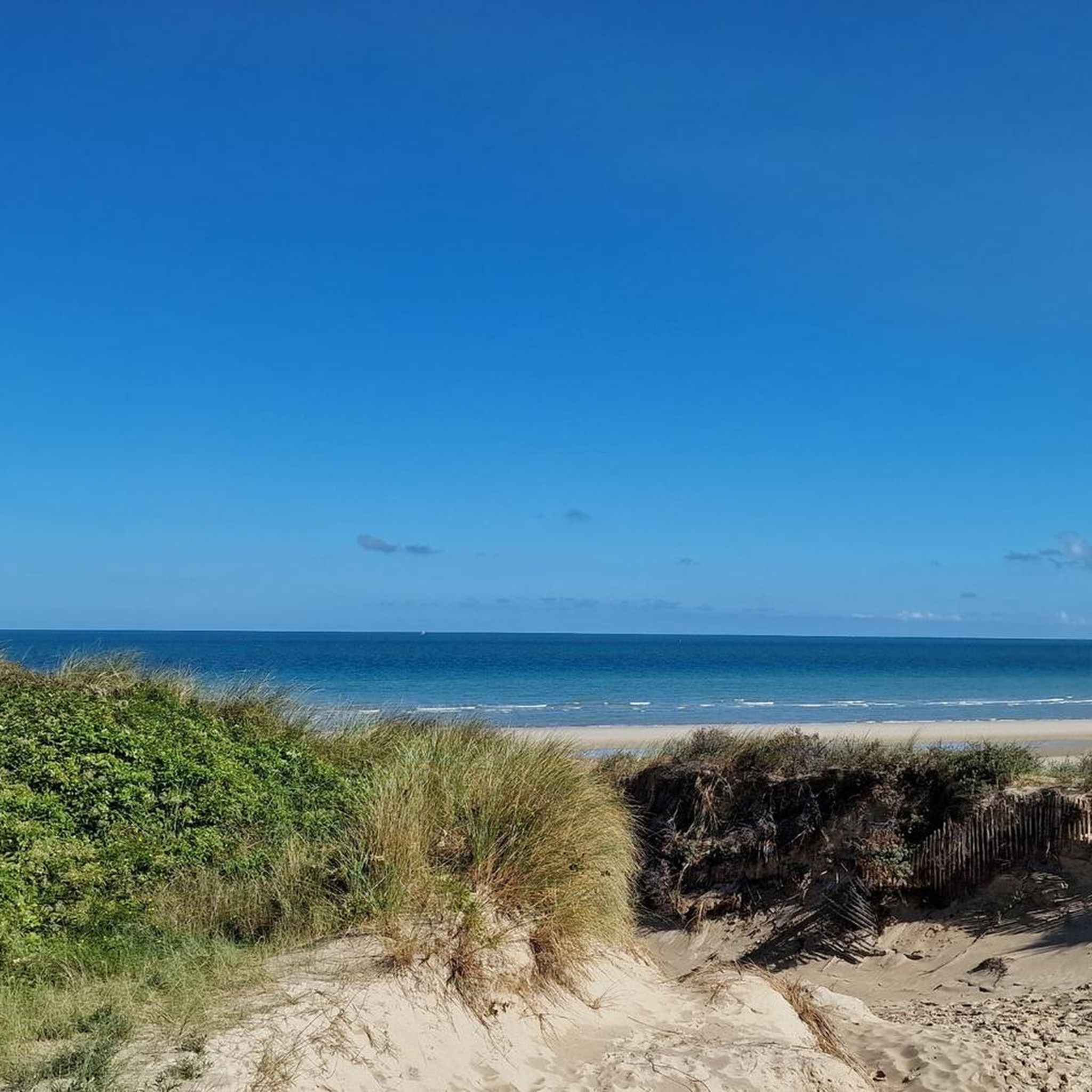
Best natural monuments around Ghyvelde feature a landscape shaped by its coastal proximity and historical reclamation. The area is known for its protected sand dunes and reclaimed marshes, which host diverse ecosystems. These natural monuments offer unique ecological value and opportunities for outdoor activities like hiking and nature observation.
Best natural monuments around Ghyvelde
- The most popular natural monuments is View from the Hoge Blekker, a viewpoint that is the highest dune in the Flemish coastal region at 33…
Last updated: October 9, 2026
Krakeelduinen Nature Reserve
Highlight • Natural
Translated by Google •
Tip by

De Doornpanne
Highlight • Natural
Translated by Google •
Tip by

Sign up now to discover places like this
Get recommendations on the best single tracks, peaks, & plenty of other exciting outdoor places.
Dune Dewulf Nature Reserve
Highlight • Natural Monument
Translated by Google •
Tip by

Shrimp Fishermen on Horseback at Oostduinkerke Beach
Highlight • Beach
Translated by Google •
Tip by

View from the Hoge Blekker
Highlight • Viewpoint
Translated by Google •
Tip by
Sign up for free to discover even more natural monuments around Ghyvelde.
Already have an account?
Start today with a free account
Your next adventure awaits.

Tips from the Community

Unfortunately, the bike path here is no longer paved. Still, the scenery is beautiful.
0
0

Not passable by bike.
1
0

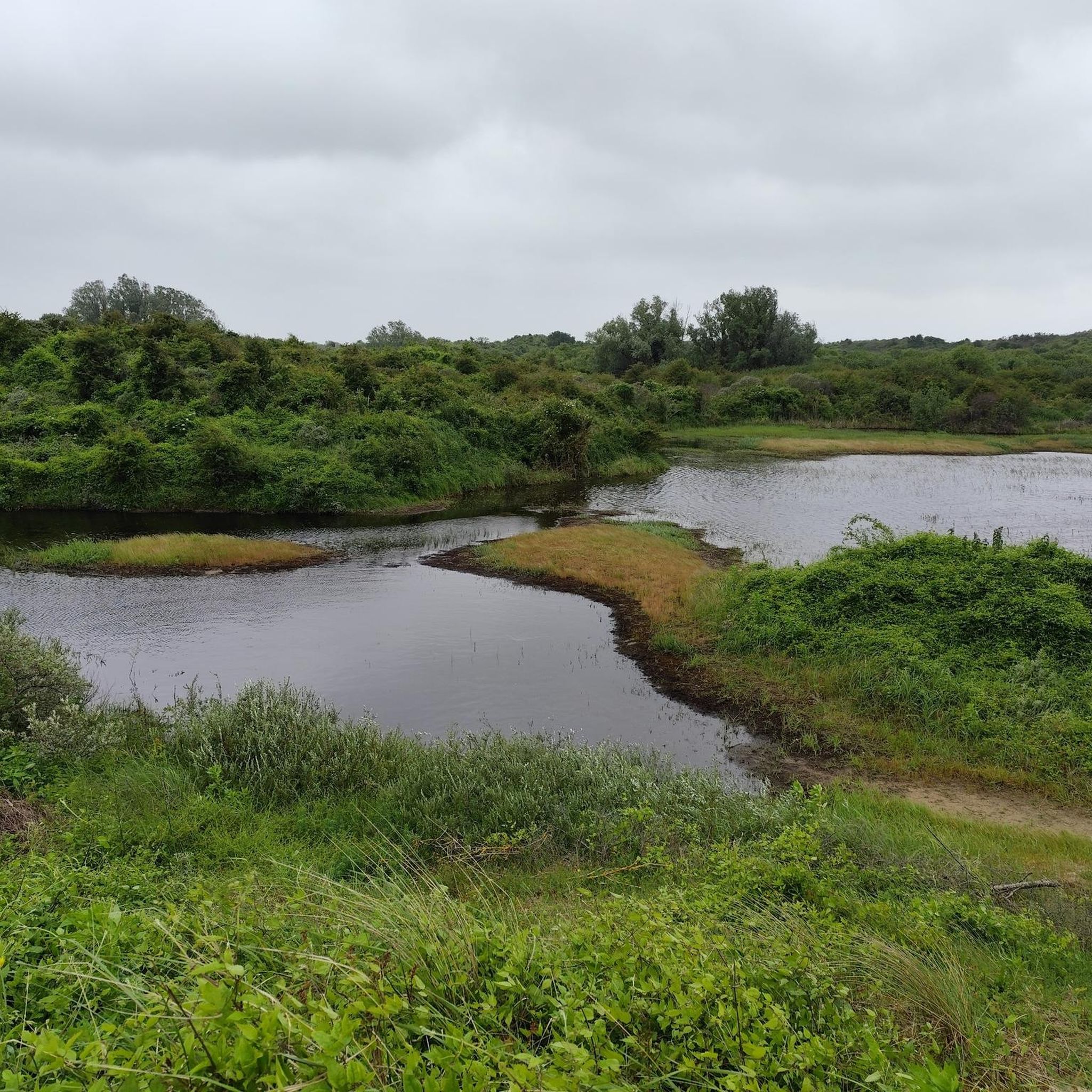
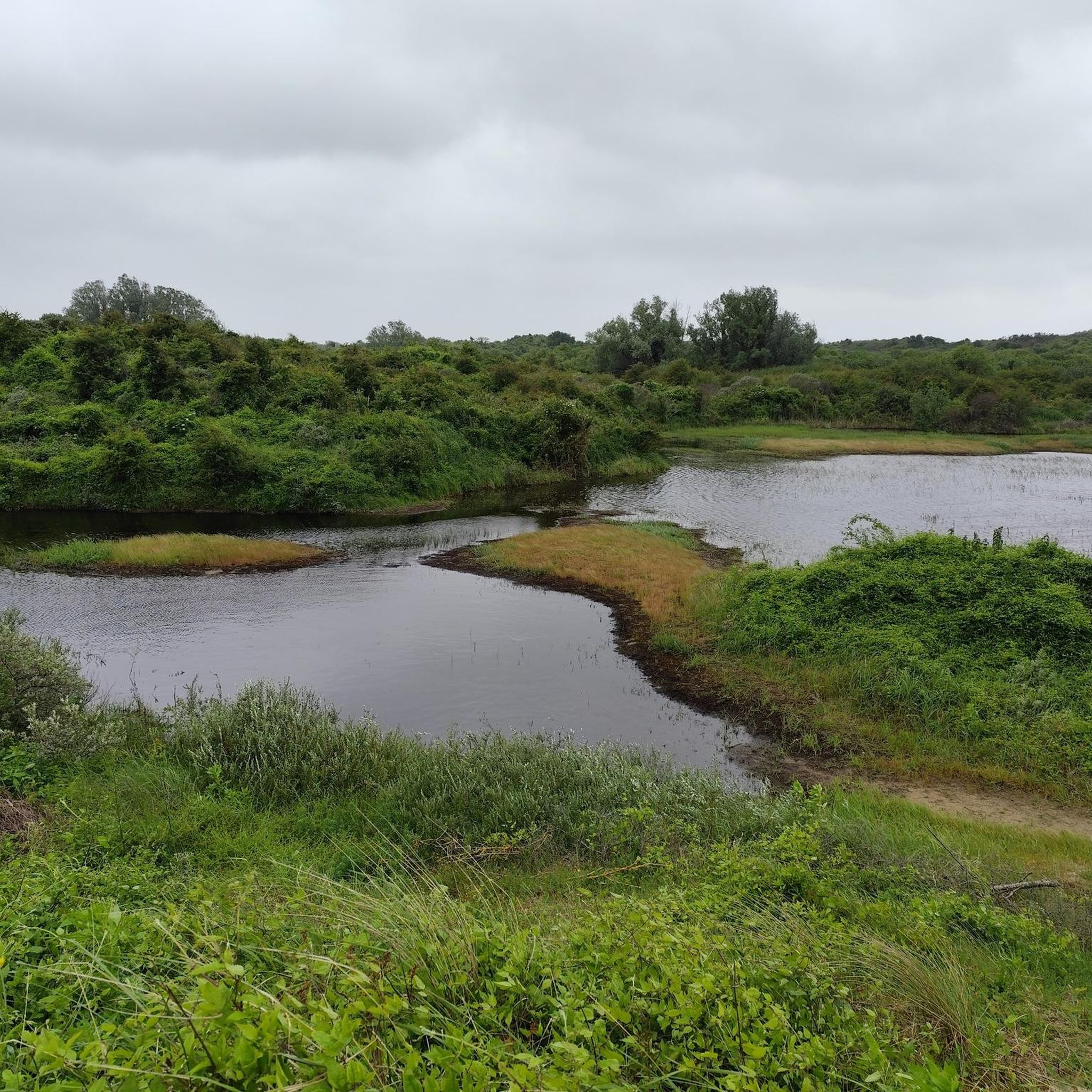
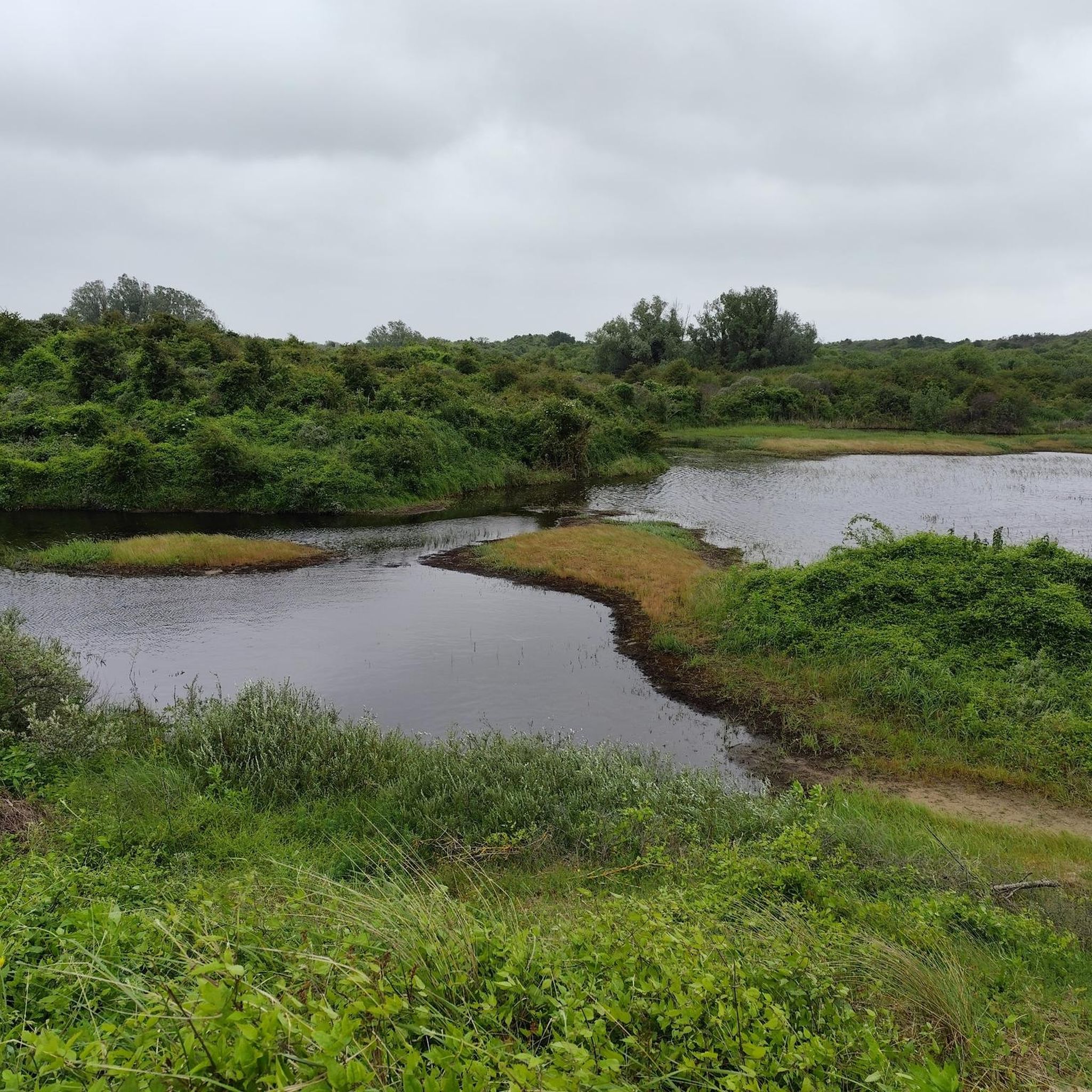
Nature reserve. You're pretty much alone here.
3
0

Welcome to De Hoge Blekker, with its 33 meters the highest dune in the entire Flemish coastal region. A striking appearance and an impressive eye-catcher. The dune used to be a fixed navigation point for sailors. From a distance they could see the white back as a kind of 'flash' ('bleach' is the local dialect for 'flash'). The Hoge Blekker is a drifting dune that has covered some distances over time. The dune now covers an area of approximately 33 hectares. Enough room for a picnic stop!
4
0

Beautiful semi-paved walking path that goes through De Doornpanne. Every season is colored differently here. With a bit of luck, donkeys or ponies will come to greet you.
9
0
At 33 meters above sea level, the Hoge Blekker, the dune that gave its name to the domain, is not only the highest dune (ridge) on our Flemish coast, but also a beautiful nature reserve, covering approximately 18 hectares. Blekker or Blinkaart is the common name for a bare dune hill that reflects sunlight (bleaching or shining). It was a permanent beacon for sailors who saw its white crown shining from afar ('bleaching' in the local dialect). At the origin of the Hoge Blekker and the adjacent dune massif are parabolic dunes that formed between the 16th and 19th centuries.
10
1

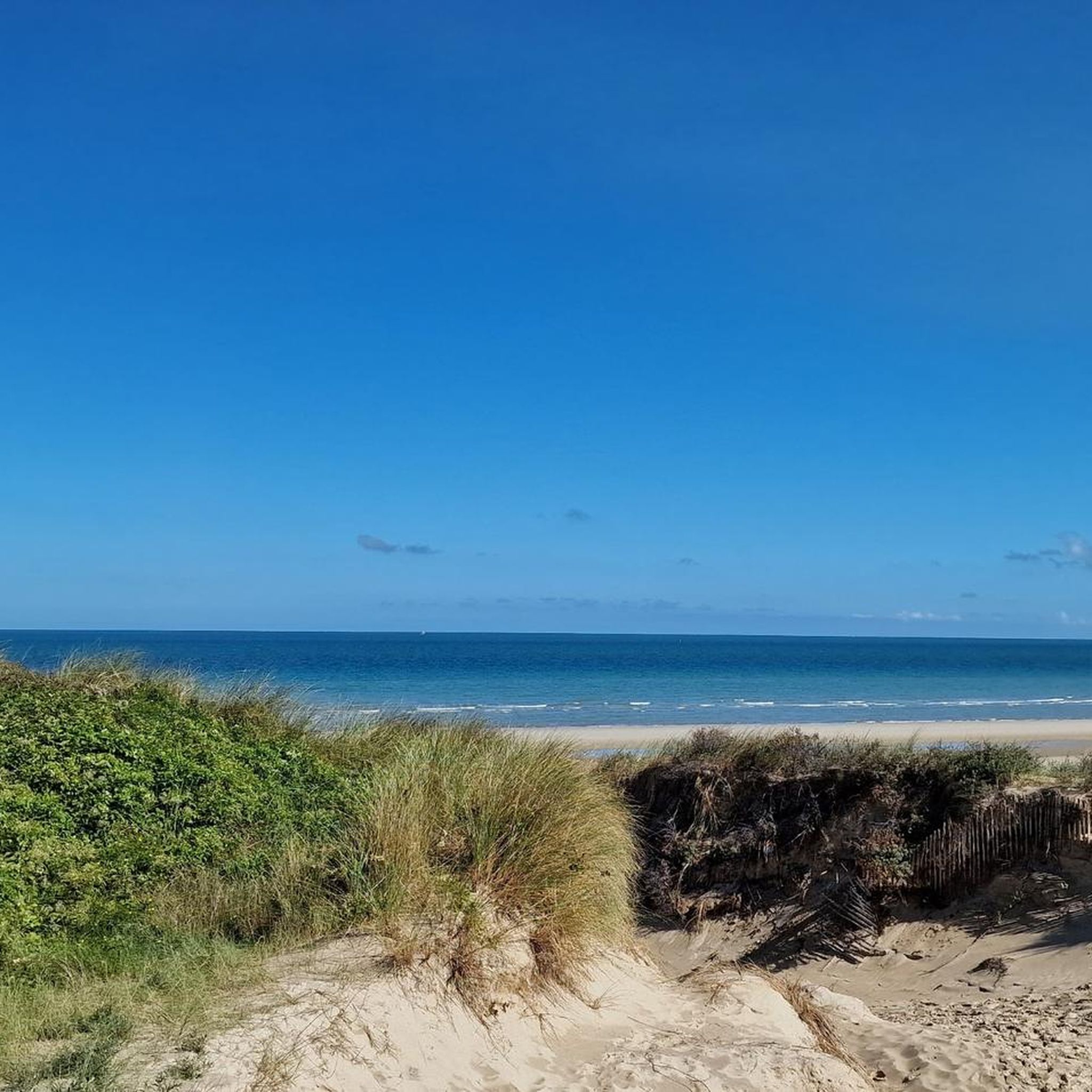
Together with the IJzermonding and the Zwin, the Krakeelduinen are part of the Natura 2000 area Dune Areas. After WWII the dunes were used as a water extraction area, but nowadays the dune area is being restored to its natural glory. You will now find Scottish Blackface sheep grazing the area and since the concrete has been removed the sand can flow freely again.
3
0

From the top of the Hoge Blekker you have a beautiful view of the lower dunes and landscapes, such as the Doornpanne. You will also find orientation tables that point you in which direction all kinds of places are. Those who are tired of the climb can rest on the benches.
13
0
Frequently Asked Questions
What unique natural features can I explore around Ghyvelde?
The region around Ghyvelde is characterized by its diverse dune systems and reclaimed marshlands. You can explore ancient fossil dunes, dynamic coastal dunes, and protected nature reserves. For instance, the Fossile Dünen von Ghyvelde represents an ancient coastline from 5,000 years ago, featuring a unique acidic, calc-free environment that resembles heathland. The Dune Dewulf Nature Reserve also offers a mix of dry and moist dunes, alongside a 15 km long uninterrupted beach.
Are there any family-friendly natural monuments in the Ghyvelde area?
Yes, several natural monuments are great for families. De Doornpanne is a 240-hectare dune massif with various dune types, offering plenty of space for exploration. The View from the Hoge Blekker, the highest dune in the Flemish coastal region, provides beautiful views and is suitable for a family picnic stop. Additionally, the Dune du Perroquet is known for being dog-friendly in designated areas and offers opportunities for walking, sunbathing, and swimming.
What kind of wildlife can I expect to see in the natural monuments around Ghyvelde?
The natural monuments around Ghyvelde are rich in biodiversity. The Dune du Perroquet, for example, supports over 350 plant species and is a haven for wildlife, including 70 species of nesting birds, and serves as an important stopover for migratory birds. The Westhoek Nature Reserve (which is continuous with the French dunes) is particularly rich, with over 400 plant species, numerous mosses, liverworts, and lichens, and attracts bird species like wheatear and crested lark. Its dune pools are crucial for protected amphibians like the natterjack toad and great crested newt. You might even encounter Scottish Highland cattle or wild Konik horses there.
Are there historical aspects to the natural monuments in Ghyvelde?
Yes, some natural monuments in the area have historical significance. The Fossile Dünen von Ghyvelde contains remnants of the Maginot Line and ancient Gaulish salt production sites, adding a historical layer to its unique geological features. The Dune Dewulf Nature Reserve also has a military history, with remains found in the area, including the former military camp, Fort des Dunes, at its entrance. Furthermore, the Shrimp Fishermen on Horseback at Oostduinkerke Beach highlight a unique, centuries-old fishing tradition that is still practiced today.
What outdoor activities can I do near the natural monuments around Ghyvelde?
The natural monuments around Ghyvelde offer various outdoor activities. You can enjoy walking and hiking through the diverse dune landscapes, such as the Fossile Dünen von Ghyvelde with its numerous paths, or the wild coastal environment of the Dune du Perroquet. The wide, flat sandy beaches are ideal for activities like sand-yachting at low tide or family picnics. For cycling enthusiasts, there are many routes nearby. You can find road cycling routes around Ghyvelde, gravel biking trails, and general cycling tours. Explore more options on the Road Cycling Routes around Ghyvelde, Gravel biking around Ghyvelde, and Cycling around Ghyvelde guide pages.
Are there any nature reserves undergoing restoration in the area?
Yes, the Krakeelduinen Nature Reserve is an excellent example. Part of the Natura 2000 Dune Areas, this reserve was historically used for water extraction but is now being restored to its natural state. You can observe Scottish Blackface sheep grazing in the area, and concrete structures have been removed to allow the sand to flow freely again, restoring parabolic dunes and enhancing the natural glory of the landscape.
What is the best time to visit the natural monuments around Ghyvelde?
The natural monuments around Ghyvelde can be enjoyed throughout the year, but spring and autumn are particularly good for birdwatching due to migratory patterns. The coastal areas offer pleasant conditions for walking and outdoor activities during milder weather. The Shrimp Fishermen on Horseback at Oostduinkerke Beach can be seen from March to November, with almost daily demonstrations in July and August, making these months ideal if you wish to witness this unique tradition.
Are there any specific viewpoints offering panoramic vistas?
Absolutely. The View from the Hoge Blekker is a prominent viewpoint. At 33 meters, it is the highest dune in the entire Flemish coastal region and historically served as a navigation point for sailors. From its summit, you can enjoy expansive and beautiful views of the surrounding landscape and coastline.
Can I bring my dog to the natural monuments?
Yes, some areas are dog-friendly. The Dune du Perroquet, for instance, welcomes dogs in designated areas, allowing you to enjoy walks with your canine companion through its dynamic dune landscapes. It's always advisable to check local signage for specific rules and leash requirements at each reserve.
What makes the Fossile Dünen von Ghyvelde unique?
The Fossile Dünen von Ghyvelde is geologically unique because it represents an ancient coastline from 5,000 years ago, remaining largely undisturbed. Over millennia, continuous rainfall has leached calcium from the sand, creating an acidic, calc-free soil. This process has resulted in a distinctive ecosystem that resembles heathland more than a typical coastal dune, supporting rare flora adapted to these specific conditions, including pine trees.
Are there guided tours or educational activities available at these natural sites?
Yes, the Dune du Perroquet offers educational activities, including guided tours focused on environmental awareness. These tours provide an opportunity to delve deeper into the natural wonders and ecological significance of the dune system, enhancing your understanding and appreciation of the area's biodiversity.
Most popular routes around Ghyvelde
Most popular attractions around Ghyvelde

Get inspired with the komoot mobile app


Explore more
Extend your search for the best caves by checking out these guides of the top ones around Ghyvelde:
