Top 9 Natural Monuments around Saint-Prix
Best natural monuments around Saint-Prix are primarily found within the Montmorency Forest, which covers a significant portion of the commune in the Val-d'Oise department. This expansive forest serves as a vital green space, characterized by diverse flora, including chestnut trees, and a range of wildlife. The area offers numerous trails and natural features, making it a destination for outdoor activities. Its ecological importance is recognized through designated protected natural areas.
Best natural monuments around Saint-Prix
- The most popular natural monuments…
Last updated: July 6, 2026
Dragne Waterfall
Highlight • Waterfall
Tip by

Sources of the Yonne
Highlight • River
Translated by Google •
Tip by
Sign up now to discover places like this
Get recommendations on the best single tracks, peaks, & plenty of other exciting outdoor places.
Sign up for free
Monumental Beech Trees of Bibracte
Highlight (Segment) • Natural Monument
Translated by Google •
Tip by

Waterfall in Gorges de la Canche
Highlight • Waterfall
Translated by Google •
Tip by
La Canche Pond
Highlight • Lake
Translated by Google •
Tip by

Sign up for free to discover even more natural monuments around Saint-Prix.
Sign up for free
Already have an account?
Start today with a free account
Your next adventure awaits.
Login or Signup
Tips from the Community

Trail past the waterfall is essentially blocked by many fallen trees. I would recommend the alternative trail from Villapourcon of about 11 km.
1
0
Nice fresh walk under the trees by the water. At 32 degrees that is wonderful.
0
0
Beautiful gorge
0
0

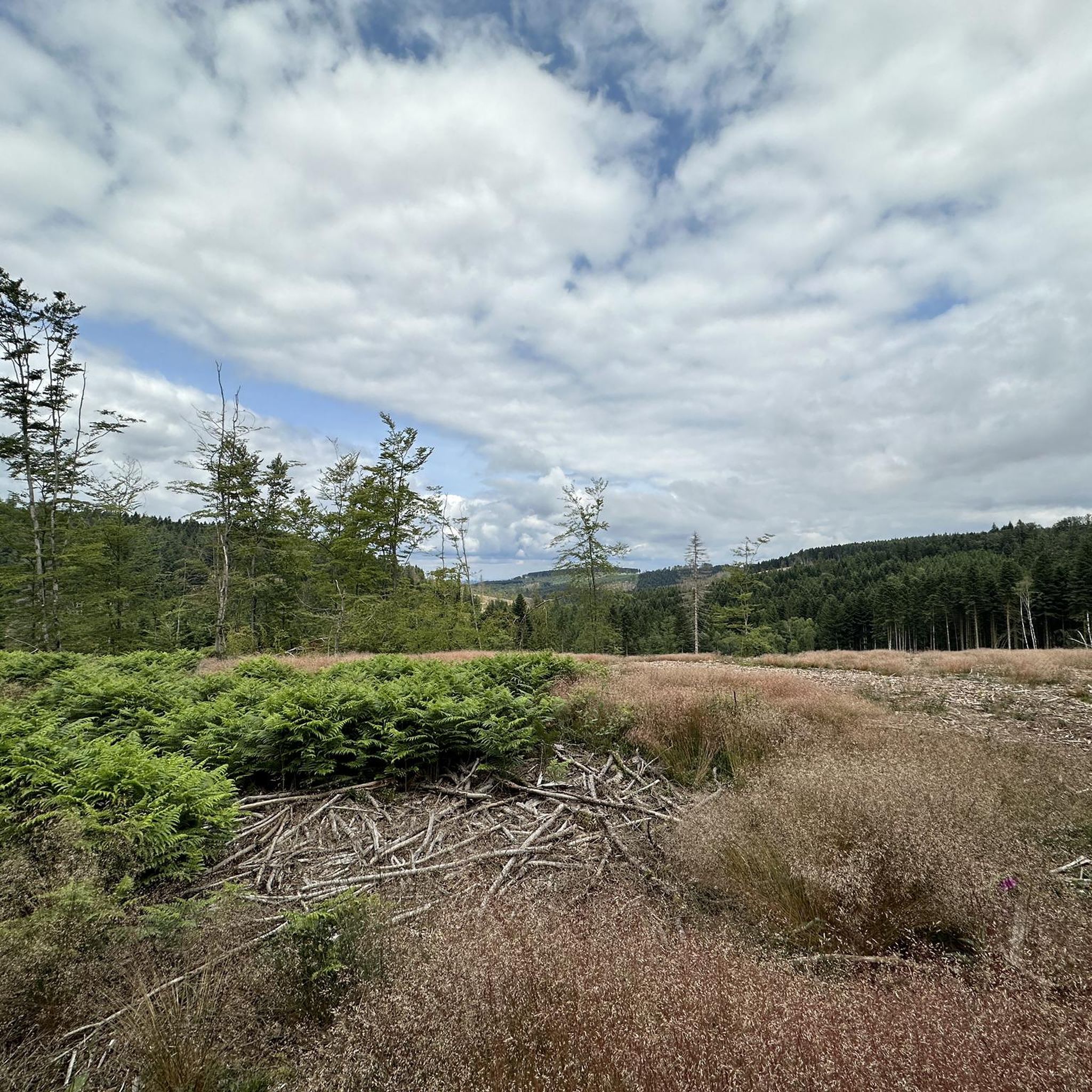
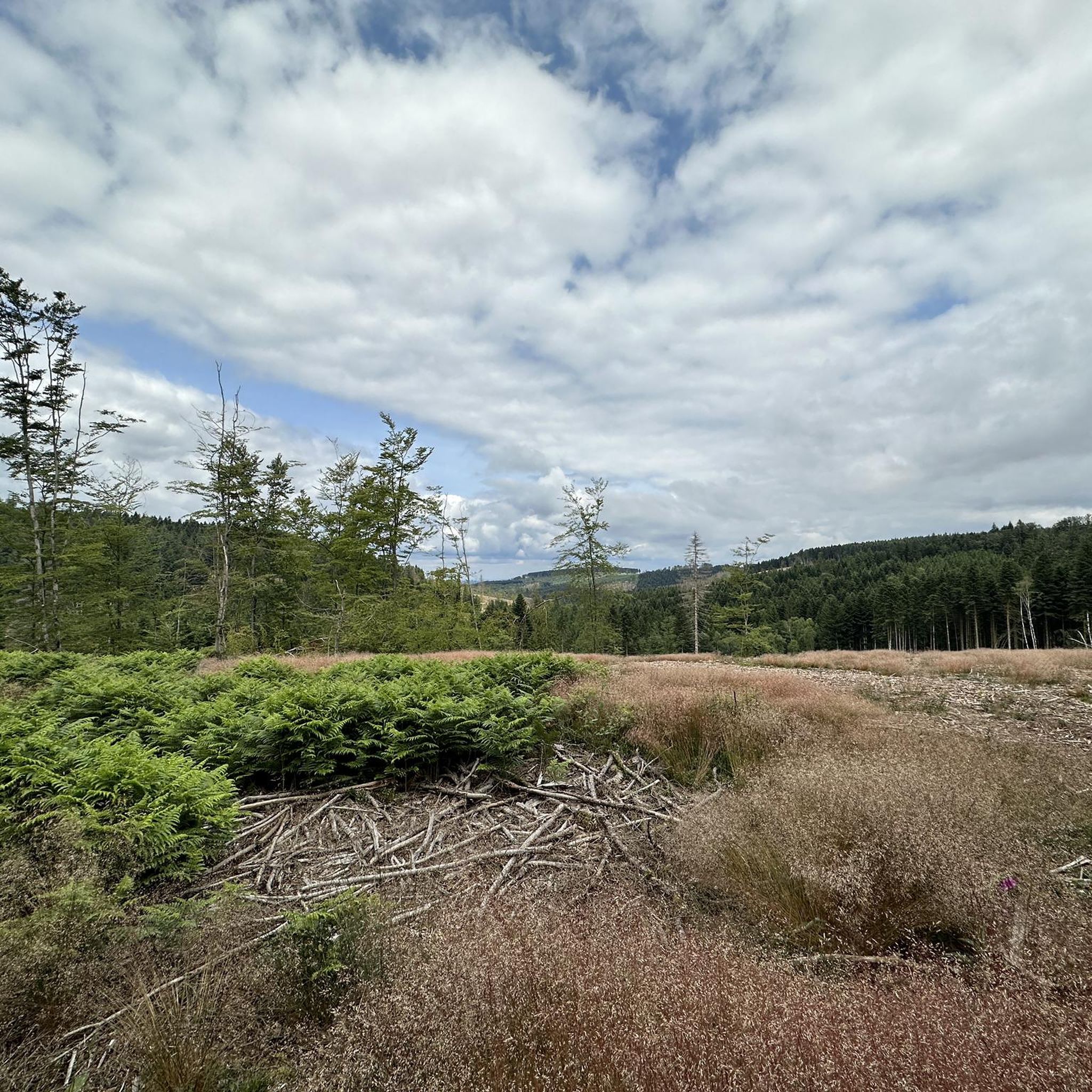
After the waterfall, the path is no longer easy to follow. There must have been a storm; a pile of fallen trees are lying around, and the path is no longer recognizable. It gets better again after crossing the small river.
3
0
It's a bit of a climb but more than worth it
0
0


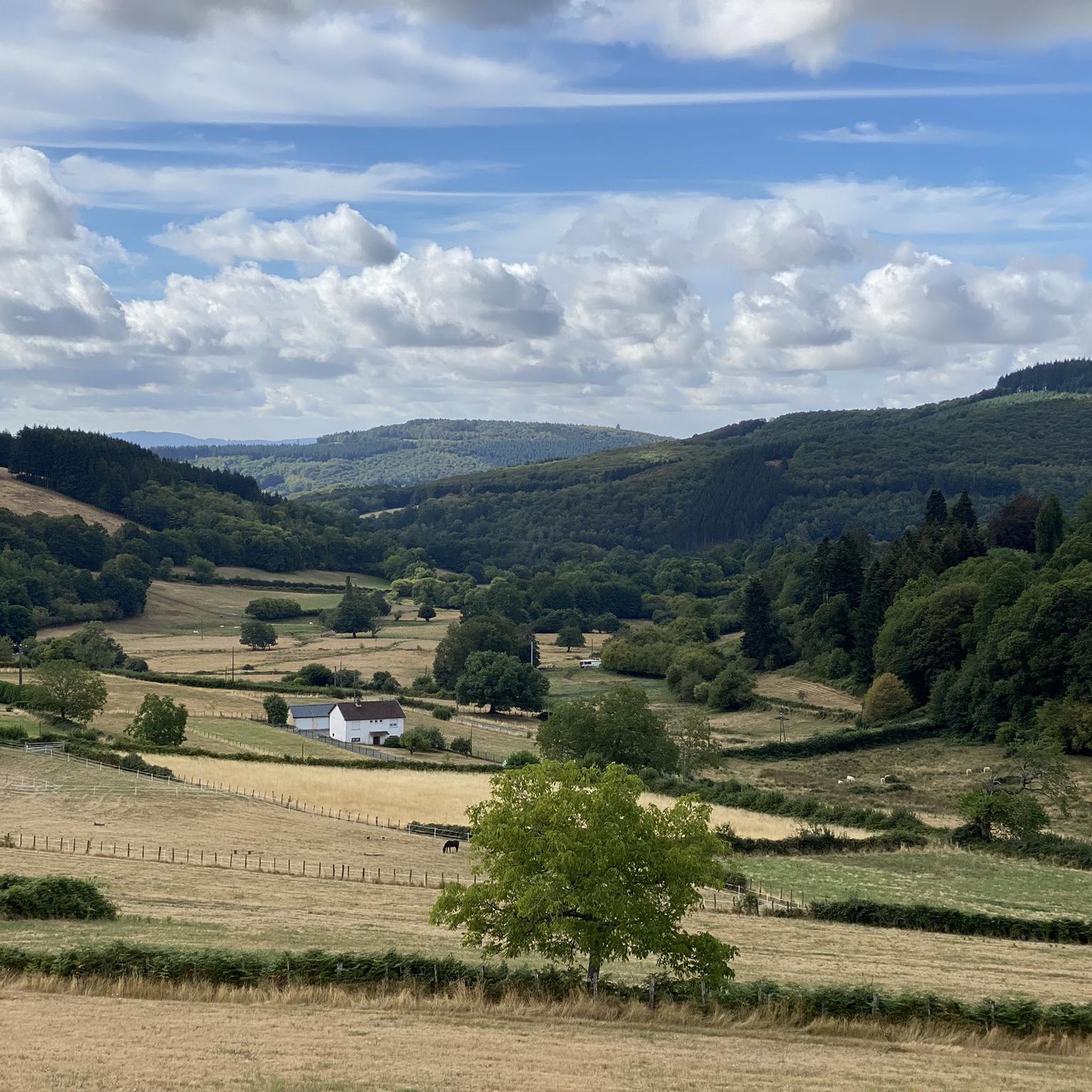
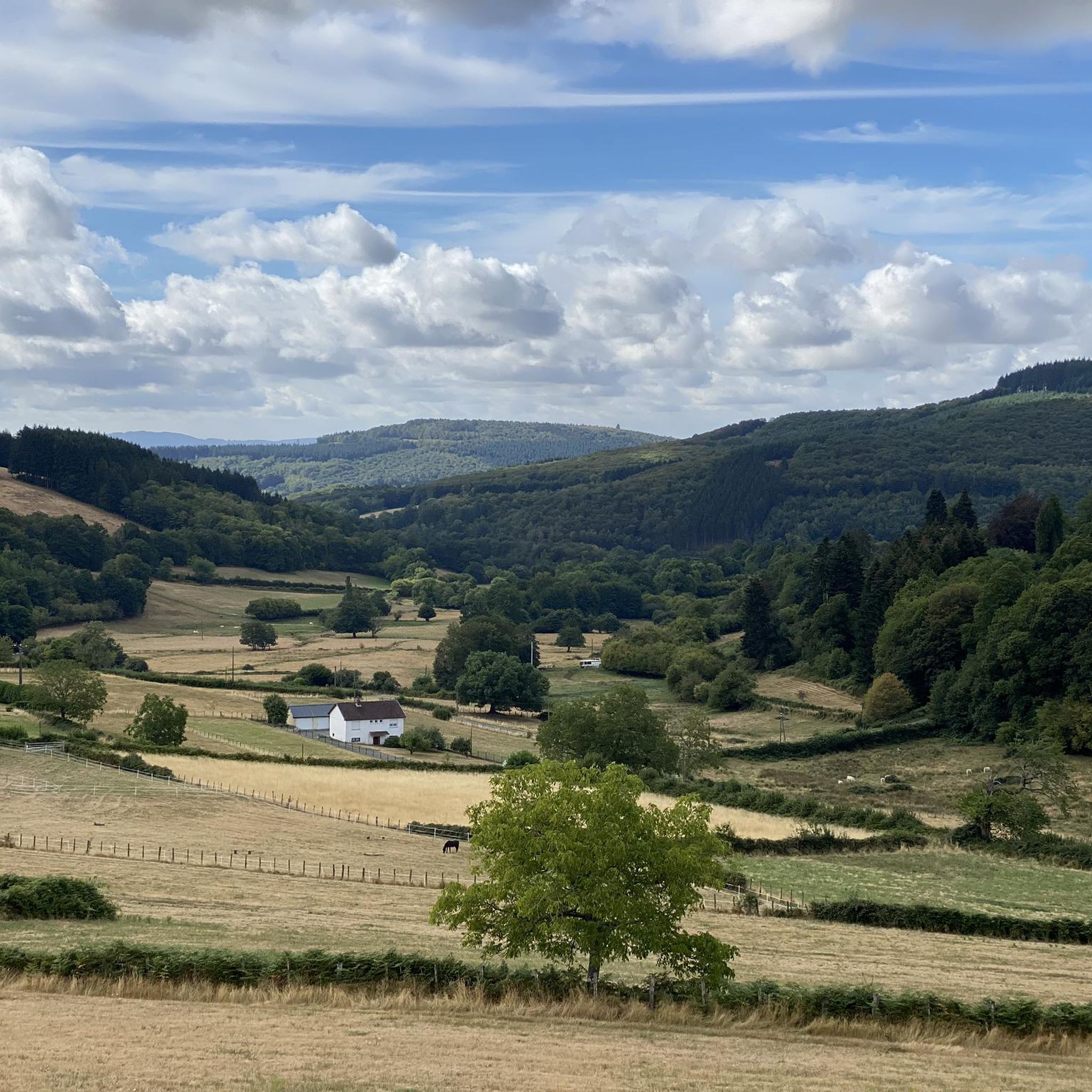
The Morvan natural park has many wild rivers and this one is no exception to the rule. Not far from its source, the Dragne tumbles over the rocks and is worth a visit.
5
0

Stretch of water on La Canche a few kilometers after the start of the climb to Haut Folin. The calm of this place is a real pleasure.
0
0
Frequently Asked Questions
What are the primary natural monuments to explore around Saint-Prix?
The most significant natural monument is the expansive Montmorency Forest, which covers a large portion of the commune. Within and around this forest, you can discover diverse natural features such as waterfalls, like the Dragne Waterfall, serene ponds such as Rangère Pond and La Canche Pond, and unique tree formations like the Monumental Beech Trees of Bibracte.
What kind of wildlife can I expect to see in the Montmorency Forest?
The Montmorency Forest is a habitat for diverse wildlife. Visitors might spot deer, wild boar, foxes, and badgers amidst the predominantly chestnut, oak, beech, birch, and Scots pine trees.
Are there family-friendly natural monuments or trails in the area?
Yes, the Montmorency Forest offers numerous trails suitable for families. For instance, Rangère Pond is specifically noted as family-friendly, offering a beautiful setting surrounded by green hills and trees.
What outdoor activities can I do near the natural monuments around Saint-Prix?
The area around Saint-Prix, particularly within the Montmorency Forest, is excellent for various outdoor activities. You can find extensive marked trails for hiking, cycling, and even equestrian activities. For specific routes, you can explore Road Cycling Routes, Running Trails, and MTB Trails around Saint-Prix.
Are there any historical or cultural sites within the Montmorency Forest?
Beyond its natural beauty, the Montmorency Forest has historical significance. It was once a royal hunting ground and features remnants such as the medieval Château de la Chasse, the Sainte-Radegonde fountain, the 19th-century Plumet Tower, and the Devil's Bridge.
What is the best time of year to visit the natural monuments around Saint-Prix?
The Montmorency Forest and surrounding natural areas are beautiful year-round. Spring brings lush greenery and blooming flora, while autumn offers vibrant foliage, especially with the abundant chestnut and beech trees. Summer is ideal for longer outdoor activities, and even winter can offer serene, crisp walks.
How can I access the Montmorency Forest and its natural monuments?
The Montmorency Forest is easily accessible, bordering Saint-Prix. It has numerous trailheads and parking areas. For detailed access information, including public transport options, it's advisable to check local transport schedules or specific trailhead directions.
What makes the Montmorency Forest ecologically important?
The Montmorency Forest is considered a vital 'green lung' for the Île-de-France region. It is the largest forest in the Val-d'Oise and includes designated Sensitive Natural Areas (Espaces Naturels Sensibles d'Intérêt Local) like the 'coteaux et vergers' (hillsides and orchards), which are crucial for preserving local biodiversity against urbanization pressures.
Are there any notable trails or paths in the Montmorency Forest?
Yes, the forest is crisscrossed with numerous marked trails. One notable path is 'The Philosophy Trail' (Le chemin du philosophe), an 11-stage route named after Jean-Jacques Rousseau, who found inspiration there. This trail combines natural exploration with local history.
What do visitors particularly enjoy about the natural monuments in this region?
Visitors appreciate the tranquility and natural beauty of the area. For instance, the Dragne Waterfall is noted for its wild river setting, while the Monumental Beech Trees of Bibracte are admired for their mossy beauty, especially around the old fortress wall. The calm of places like La Canche Pond is also a real pleasure for visitors.
Can I bring my dog to the natural monuments and trails around Saint-Prix?
Generally, dogs are permitted on trails within the Montmorency Forest, but it's always recommended to keep them on a leash to protect wildlife and ensure a pleasant experience for all visitors. Specific rules may apply in certain protected areas, so look for local signage.
Are there any viewpoints offering scenic vistas in the Montmorency Forest?
Yes, the Montmorency Forest and its surrounding areas offer several viewpoints. Highlights like the Sources of the Yonne and the Monumental Beech Trees of Bibracte are noted for offering scenic perspectives within the natural landscape.
Most popular routes around Saint-Prix
Most popular attractions around Saint-Prix

Get inspired with the komoot mobile app


Explore more
Extend your search for the best caves by checking out these guides of the top ones around Saint-Prix:
