Top 13 Natural Monuments around Les Deux-Villes
Best natural monuments around Les Deux-Villes are found within the broader Ardennes region, offering diverse natural landscapes. This area features a mix of forests, river valleys, and unique geological formations. The region provides opportunities for outdoor activities and appreciating natural habitats. There are 13 natural monuments around Les Deux-Villes to explore.
Best natural monuments around Les Deux-Villes
- The most popular natural monuments is Le Bohanan Viewpoint, a viewpoint that offers a remarkable view of the Semois river below. It is situated on the edge of a large rock, accessible via a walk through the forest.
- Another must-see spot is Roche à l'Appel Stone Bridge, a natural monument and unique geological site. This location features massive Fépin pudding stones within a natural reserve, offering an impressive landscape.
- Visitors also love Epioux Ponds, a lake area characterized by diverse forest landscapes and a serene atmosphere. The main pond is near the historic Château des Epioux, providing a tranquil setting for walks.
- Les Deux-Villes is known for its viewpoints, lakes, and unique geological formations. The area offers a variety of natural monuments to see and explore, including historical sites and forest environments.
- The natural monuments around Les Deux-Villes are appreciated by the komoot community, with more than 230 upvotes and 95 photos shared.
Last updated: July 6, 2026
Epioux Ponds
Highlight • Lake
Translated by Google •
Tip by

Le Bohanan Viewpoint
Highlight • Viewpoint
Translated by Google •
Tip by

Sign up now to discover places like this
Get recommendations on the best single tracks, peaks, & plenty of other exciting outdoor places.
Sign up for free
Roche à l'Appel Stone Bridge
Highlight • Bridge
(Geological Survey of Belgium)
Translated by Google •
Tip by

Dolmen d'Azy
Highlight • Historical Site
Translated by Google •
Tip by
Mont Saint-Walfroy
Highlight • Viewpoint
Translated by Google •
Tip by

Sign up for free to discover even more natural monuments around Les Deux-Villes.
Sign up for free
Already have an account?
Start today with a free account
Your next adventure awaits.
Login or Signup

Tips from the Community

Northeast of Muno, Roche à l'Appel, located in the Roches valley, offers an exceptional site for botanists and geologists. It contains rare combinations of lichens, mosses, and ferns, as well as an impressive rock bank composed of a conglomerate that formed the base of the great seamount covering the Cambrian bedrock. This conglomerate, known as Fépin (or Linchamps), consists of sandstone and quartzite blocks of varying sizes (up to about 50 cm in diameter) and angular to rounded shapes, scattered within a finer, clayey, sandy matrix. (Geological Survey of Belgium)
14
1

Magnificent estate of 1721 hectares Located north of Lacuisine and west of Chiny, it belongs to the CPAS of the city of Mons, which inherited it in 1887. This sublime estate includes 1,500 hectares of forests and four artificial ponds fed by several streams, including the Tamij-Austria, a tributary of the Semois. The ponds of the Epioux are the last witnesses of the important metallurgical past of our region. Indeed, for more than three centuries, the estate experienced intense metallurgical activity. Since the end of this industrial activity, the only profitable economic activity has been that of forest production. Today, the large forest of the Epioux is a magnificent forest. Several beautiful walks cross the estate.
0
0
Magnificent estate of 1721 hectares Located north of Lacuisine and west of Chiny, it belongs to the CPAS of the city of Mons, which inherited it in 1887. This sublime estate includes 1,500 hectares of forests and four artificial ponds fed by several streams, including the Tamij-Austria, a tributary of the Semois. The ponds of the Epioux are the last witnesses of the important metallurgical past of our region. Indeed, for more than three centuries, the estate experienced intense metallurgical activity. Since the end of this industrial activity, the only profitable economic activity has been that of forest production. Today, the large forest of the Epioux is a magnificent forest. Several beautiful walks cross the estate.
2
0

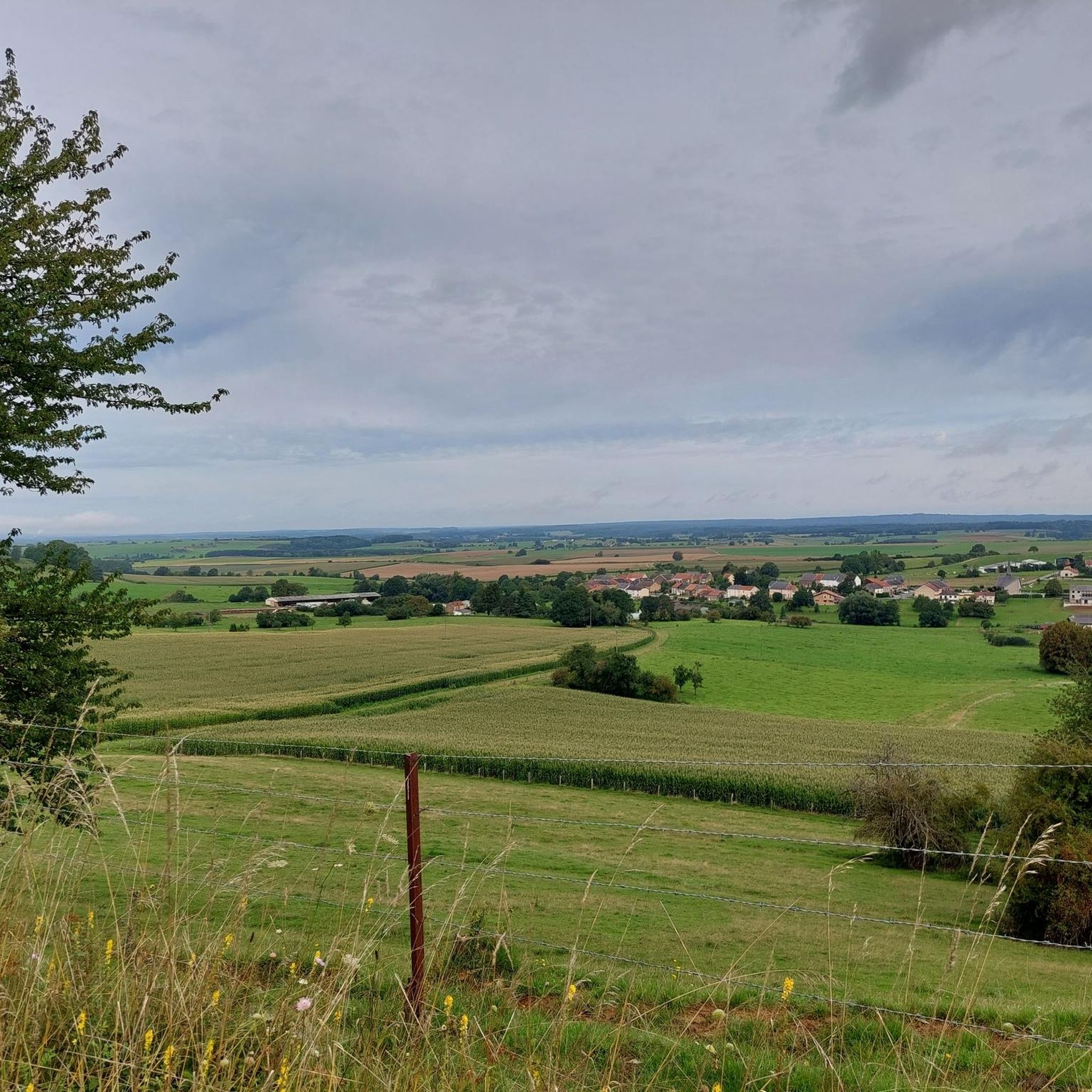
Geological curiosity and very beautiful viewpoint.
3
0


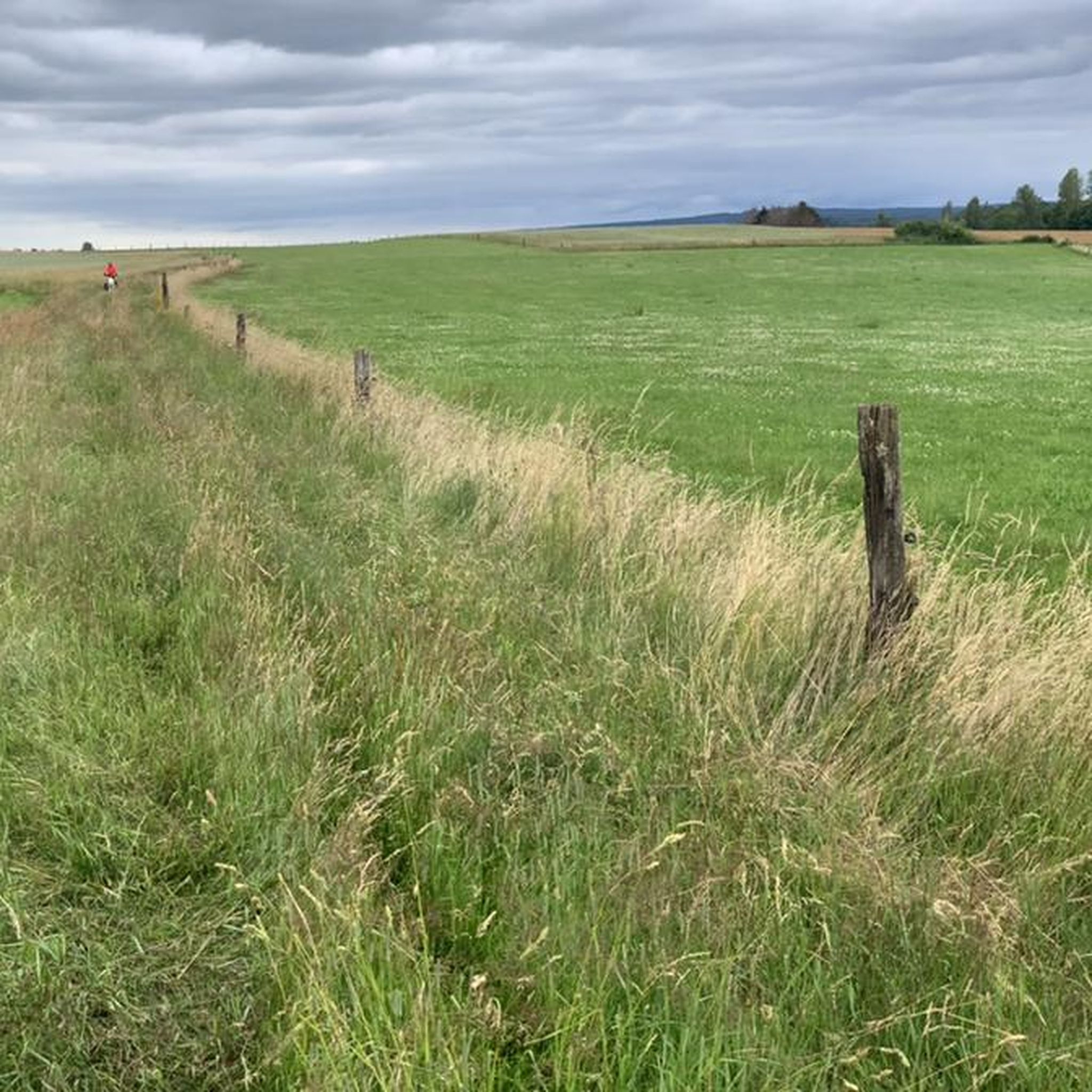
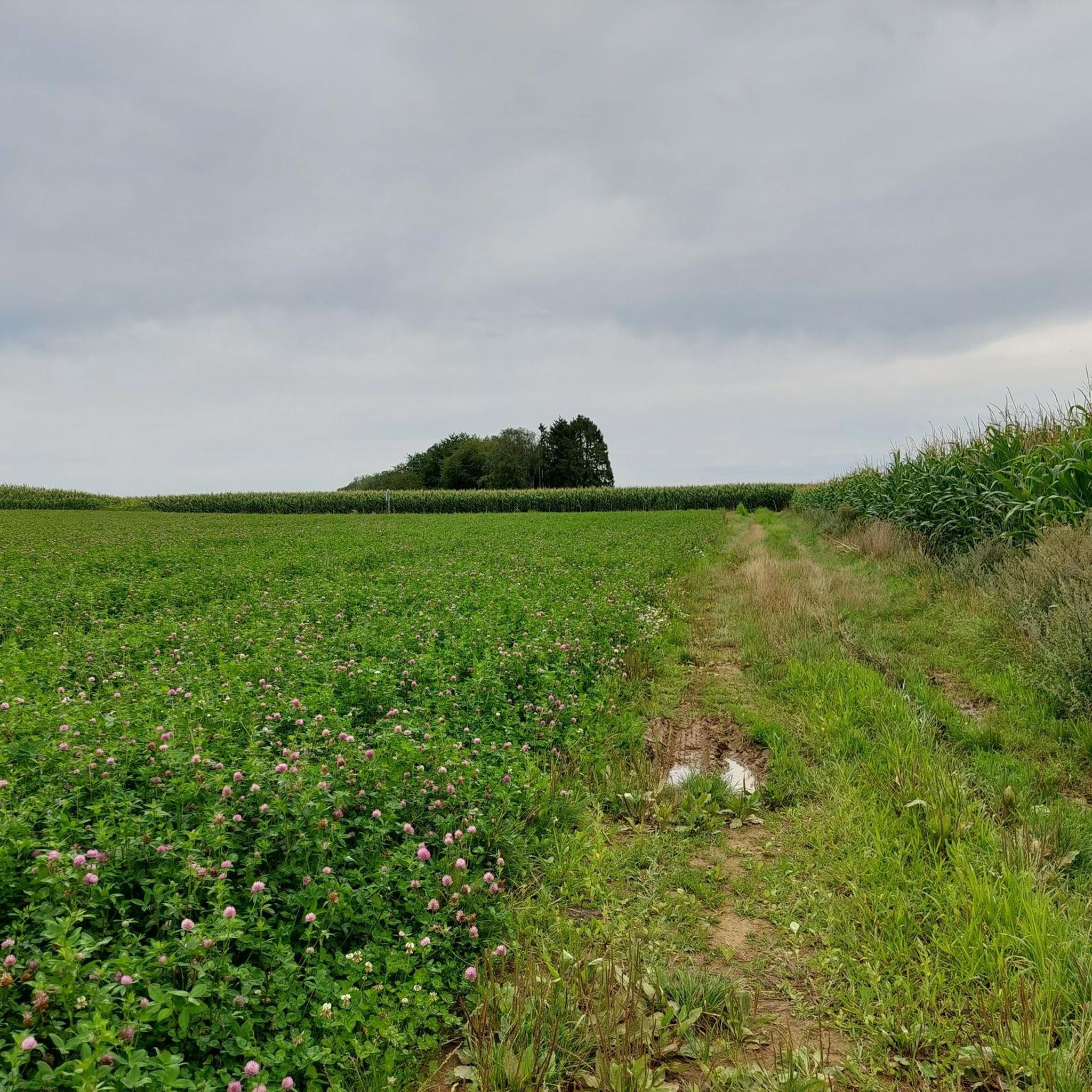
Beautiful views as pitting but great path for walking... for me the pieces are asphalt... "roads where cars drive" sometimes a shame for the rest. Really a winner.👌
2
2

A mythical, sacred place of our distant ancestors. The Dolmen can be reached with some scrambling. Caution is advised because one misstep and you end up in the realm of our distant ancestors.
2
0

The Le Bohanan belvedere offers an exceptional panorama of the Semois and the surrounding hills. To get there, you will have to climb a steep and rocky path that will test your endurance and agility. The reward is worth the effort, as you will enjoy breathtaking views and a feeling of accomplishment.
3
0
Frequently Asked Questions
What are some of the most popular natural monuments to visit around Les Deux-Villes?
The region around Les Deux-Villes offers several highly-rated natural monuments. Among the most popular are Le Bohanan Viewpoint, which provides a remarkable view of the Semois river, and Roche à l'Appel Stone Bridge, a unique geological site featuring massive Fépin pudding stones. Visitors also highly appreciate the serene atmosphere of Epioux Ponds, known for its diverse forest landscapes.
Are there any natural monuments with historical significance near Les Deux-Villes?
Yes, several natural monuments in the area also hold historical importance. Dolmen d'Azy is a mysterious megalithic monument believed to be the work of ancient men, offering a glimpse into our distant past. Another significant site is Mont Saint-Walfroy, a former pagan worship site that later became a hermitage and pilgrimage destination, offering panoramic views and a rich history.
What kind of natural features can I expect to see around Les Deux-Villes?
The natural monuments around Les Deux-Villes showcase a variety of features. You can explore dramatic viewpoints like Le Bohanan Viewpoint, unique geological formations such as the Roche à l'Appel Stone Bridge, and tranquil lake areas like Epioux Ponds. The broader Ardennes region also features extensive forests, river valleys, and diverse wetland habitats, particularly around Lac de Bairon.
Are there family-friendly natural monuments or activities in the area?
Yes, the region offers options suitable for families. Epioux Ponds provides a tranquil setting for walks and reconnecting with nature. Further afield, Lac de Bairon (approximately 35 km from Les Deux-Villes) is ideal for families, offering swimming (supervised in summer), pedal boating, canoeing, and walking trails. Many of the forest walks around the natural monuments are also suitable for families.
Where can I go for wildlife spotting near Les Deux-Villes?
For excellent wildlife spotting, particularly birdwatching, Lac de Bairon is a prime location. Designated as a Natura 2000 site, it hosts around 150 bird species, including grey herons and migratory birds, with an ornithological observatory for discreet viewing. The Epioux Ponds also offer opportunities to observe local flora and fauna in a serene forest environment.
What outdoor activities can I do near these natural monuments?
Beyond exploring the natural monuments themselves, the area around Les Deux-Villes is excellent for various outdoor activities. You can find numerous hiking trails, including routes like the Saint Martin Church of Pure loop. For cyclists, there are gravel biking routes, such as the View of Château de Faing loop. Runners can also enjoy several running trails, including loops directly from Les Deux-Villes.
Are there any natural reserves or protected areas nearby?
Yes, the region is home to important natural reserves. The 'Old Pond' section of Lac de Bairon is a Natura 2000 site, recognized for its biodiversity preservation, featuring alluvial forests and wetland habitats. The Epioux Ponds also form a nature reserve with diverse forest types. You can learn more about the Epioux Nature Reserve on Visit Wallonia.
What is the best time to visit the natural monuments around Les Deux-Villes?
The best time to visit largely depends on your preferred activities. Spring and autumn offer pleasant temperatures for hiking and cycling, with spring bringing lush greenery and autumn showcasing vibrant foliage, especially around sites like Epioux Ponds. Summer is ideal for water activities at Lac de Bairon, while winter can offer a unique, tranquil experience for walks, though some paths might be challenging.
Are the natural monuments accessible by public transport?
Access to many natural monuments in this rural Ardennes region often requires a car, as public transport options can be limited. While some larger towns might have bus services, reaching specific viewpoints or geological sites typically involves driving to a trailhead or parking area. It's advisable to check local transport schedules if relying on public transport.
What do visitors enjoy most about the natural monuments in this region?
Visitors frequently praise the stunning panoramic views, such as those from Le Bohanan Viewpoint and Mont Saint-Walfroy. The unique geological formations, like the Fépin pudding stones at Roche à l'Appel Stone Bridge, also leave a lasting impression. Many appreciate the tranquility and the opportunity to immerse themselves in nature, whether through peaceful walks around Epioux Ponds or exploring the rich biodiversity of the wider Ardennes landscape.
Are there any hidden natural gems near Les Deux-Villes that are less known?
While the main highlights are well-loved, the expansive Muno forest, where Roche à l'Appel Stone Bridge is located, contains many less-traveled paths and serene spots. Exploring the various trails around the smaller villages in the Ardennes can often lead to discovering secluded viewpoints or quiet forest clearings that offer a peaceful escape from more frequented areas.
Most popular routes around Les Deux-Villes
Most popular attractions around Les Deux-Villes

Get inspired with the komoot mobile app


Explore more
Extend your search for the best caves by checking out these guides of the top ones around Les Deux-Villes:
