Top 9 Natural Monuments around Peyzac-Le-Moustier
Natural monuments around Peyzac-Le-Moustier are primarily characterized by their profound prehistoric and geological significance within the Vézère Valley. This region is globally recognized as the "Valley of Prehistory" due to its concentration of ancient human history. The landscape features preserved natural formations, including limestone cliffs and rock shelters, which have been integral to human habitation for millennia. These sites offer insights into early human life and the natural grandeur of the area.
Best natural monuments around Peyzac-Le-Moustier
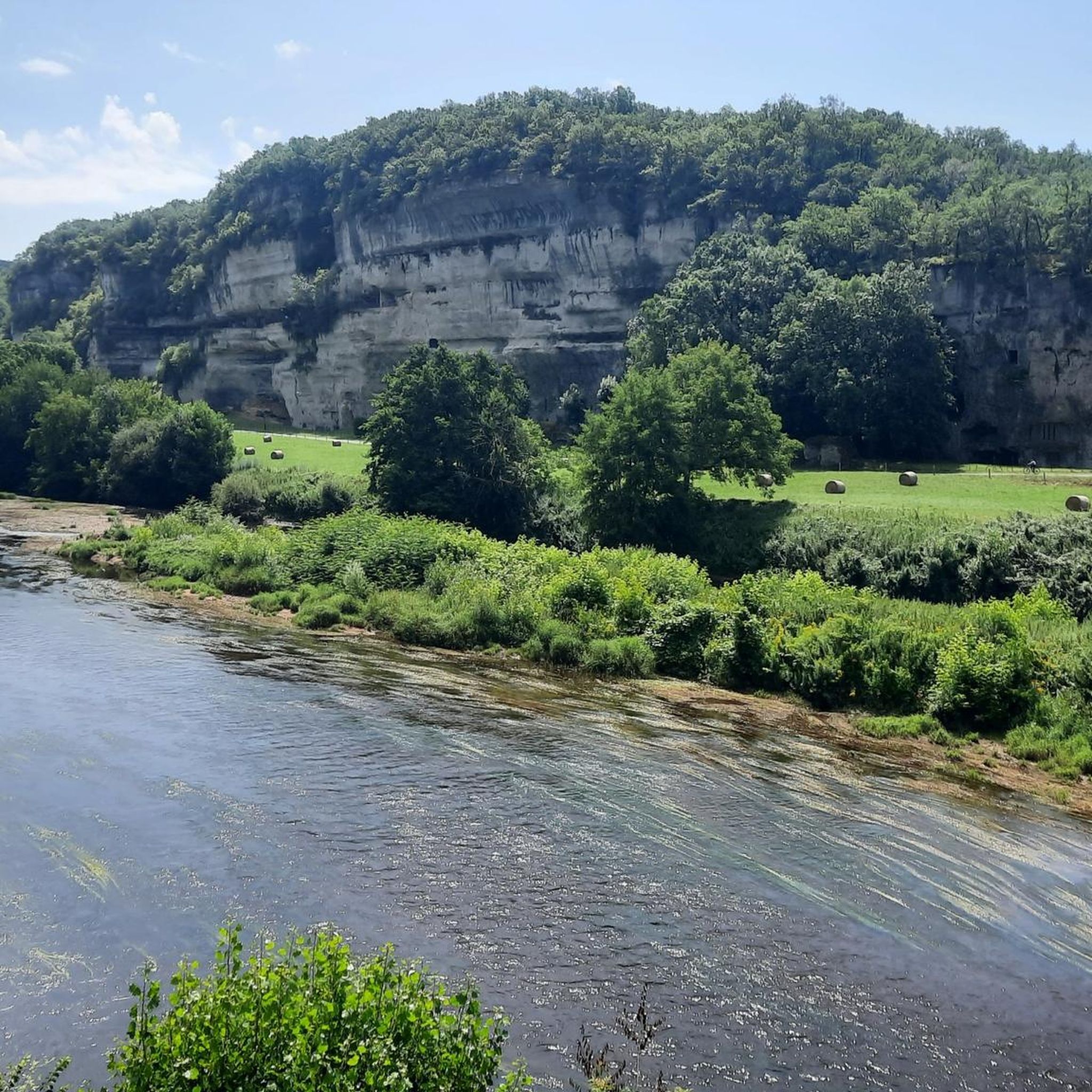
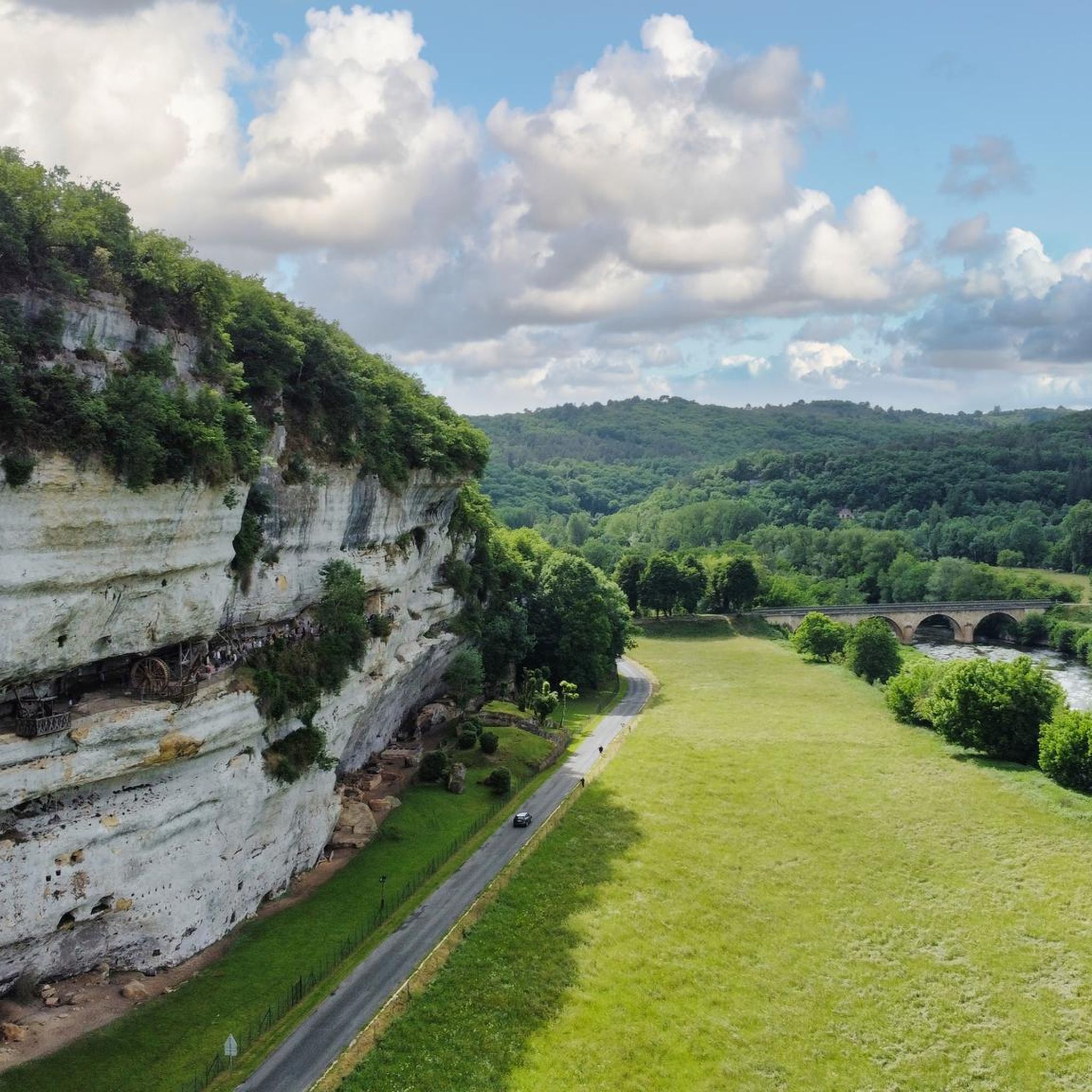
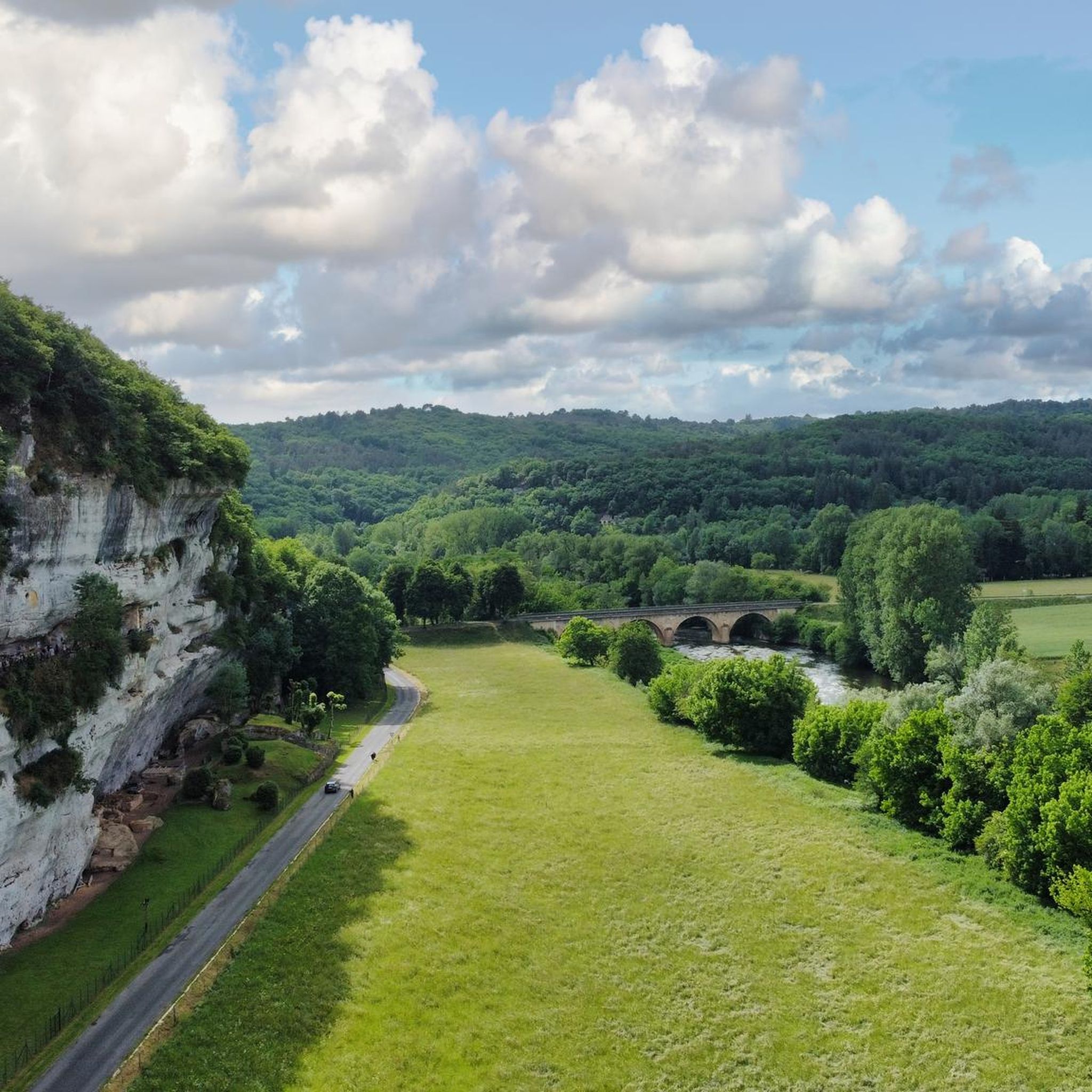
- The most popular natural monument is La Roque Saint-Christophe, a natural limestone cliff and historical site that features a kilometer-long natural limestone cliff overlooking the Vézère River. This site showcases thousands of years of human occupation, with natural cavities adapted into a troglodytic fort and city from prehistoric times through the Middle Ages.
- Another must-see spot is Les Eyzies-de-Tayac, a historical settlement and natural monument considered a capital of prehistory. Visitors can explore numerous prehistoric sites and museums, offering a journey into the origins of humanity within the Vézère Valley.
- Visitors also love The Rock Shelters of the Vézère Valley, a series of natural cavities and historical sites. This real limestone wall, constantly shaped by the river and frost, contains a hundred rock shelters that were occupied by prehistoric man and later modified into forts and cities.
- Peyzac-Le-Moustier is known for its rock shelters, limestone cliffs, and prehistoric sites. The area offers a variety of natural monuments to see and explore, many of which are integrated with historical human occupation.
- The natural monuments around Peyzac-Le-Moustier are appreciated by the komoot community, with 115 upvotes and 50 photos shared by visitors.
Last updated: July 6, 2026
La Roque Saint-Christophe
Highlight • Historical Site
Translated by Google •
Tip by

Les Eyzies-de-Tayac
Highlight • Historical Site
In addition to the very richly supplied national museum, I encourage you to go to the Pôle de la préhistoire. Building entirely dedicated to this science and free. Find out about all the prehistoric marvels that can be admired in and around the town. They are not missing.
It is not without reason that the Vézère valley has been nicknamed the valley of man.
Translated by Google •
Tip by
Sign up now to discover places like this
Get recommendations on the best single tracks, peaks, & plenty of other exciting outdoor places.
Sign up for free
Abri de La Madeleine
Highlight • Cave
For the Upper Palaeolithic period of the Magdalenian period, this important find site acts as a type locality. It is located in the lower abri (rock overhang) below the chapel dedicated to Saint Magdalene of the troglodyte village.
Around 17,000 years ago, Cro-Magnon people settled in the rock shelters beneath the south-facing cliffs of La Madeleine near the River Vézère. These offered natural protection against the effects of the weather, and the southern orientation warmed the settlement site.
The emergence of the troglodytic settlements on the cliffs of La Madeleine in the 8th century has been proven.
(Wikipedia)
Translated by Google •
Tip by

Commarque Castle
Highlight • Cave
Translated by Google •
Tip by

The Rock Shelters of the Vézère Valley
Highlight • Cave
Translated by Google •
Tip by

Sign up for free to discover even more natural monuments around Peyzac-Le-Moustier.
Sign up for free
Already have an account?
Start today with a free account
Your next adventure awaits.
Login or Signup

Tips from the Community


This museum is certainly interesting, unfortunately we didn't have enough time
0
0
Impressive are the dwellings in the rocks and the houses from the rocks
0
0

This real limestone wall, one kilometer long and eighty meters high, constantly undermined by the river and the frost, has been hollowed out with a hundred rock shelters and long aerial terraces; these natural cavities were occupied by prehistoric man and then modified to become a fort and a city from the Middle Ages until the beginning of the Renaissance.
2
0

The forgotten fortress: a millefeuille of stones where dungeons and fortified castles, troglodytes and prehistoric caves overlap in a preserved landscape
0
0

Here we have the situation – previously completely unknown to me and therefore surprising – that MADELEINE, a Christian saint (the name is derived from the biblical "Mary Magdalene"), has become the namesake of an era from the proverbial "dim prehistory" (one to one and a half dozen millennia before the beginning of our era). To paraphrase it from Wikipedia, which can explain it better than I can: "The Magdalenian is an archaeological cultural stage in the younger part of the Upper Paleolithic in Central and Western Europe at the end of the last Ice Age. The Magdalenian was named in 1869 by Gabriel de Mortillet after the semi-cave La Madeleine in the Dordogne department. It spanned an approximate period from approximately 18,000 to 12,000 BC."
2
0

located in the wild Grande Beune valley, is a historical and archaeological site in Périgord. It offers a journey into the past, with its medieval remains and picturesque landscapes. A must-visit for history and nature lovers.
0
0

Top tip in this region. Information folder in German, videos and explanations in a film leave no questions unanswered. Otherwise simply impressive cultural monument... Also recommended for kids.
0
0
Frequently Asked Questions
What kind of natural monuments can I expect to see around Peyzac-Le-Moustier?
The natural monuments around Peyzac-Le-Moustier are primarily characterized by their profound prehistoric and geological significance. You'll find numerous rock shelters, limestone cliffs, and sites that showcase ancient human occupation within natural formations. The entire Vézère Valley is recognized for its preserved landscapes and concentration of prehistoric sites.
What is the historical significance of the natural monuments in the Vézère Valley?
The Vézère Valley is globally recognized as the "Valley of Prehistory" due to its extraordinary concentration of prehistoric sites. Many natural formations, such as rock shelters and cliffs, were inhabited by humans for millennia, from prehistoric times through the Middle Ages. These sites offer direct insights into early human life, including Neanderthal man and Cro-Magnon people.
Which natural monuments offer the best panoramic views of the Vézère Valley?
For exceptional panoramic views of the Vézère Valley, consider visiting Le point de vue de la Côte de Jor, located near Saint-Léon-sur-Vézère. Additionally, La Roque Saint-Christophe, an imposing limestone cliff, also offers remarkable vistas overlooking the river and valley.
Can I visit the Gisement du Moustier, and what makes it important?
Yes, the Gisement du Moustier is a significant archaeological site in Peyzac-Le-Moustier, known for its two rock shelters. It is the eponymous site for the Mousterian tool culture, associated with Neanderthal man, and famously yielded the skeleton of a young Neanderthal child. It is a UNESCO World Heritage site, and visiting often requires a guided tour to fully appreciate its historical importance. You can find more information at dordogne-perigord-tourisme.fr.
What can I expect when visiting La Roque Saint-Christophe?
La Roque Saint-Christophe is a kilometer-long natural limestone cliff that was continuously inhabited from prehistoric times through the Middle Ages. Visitors can explore the adapted natural cavities that formed a troglodytic fort and city. The site features cave dwellings, a reconstructed museum of civil engineering machines, and a virtual reality film illustrating its evolution over time. It offers a unique glimpse into thousands of years of human occupation within a natural rock formation.
Are there family-friendly natural monuments or activities in the area?
Many natural monuments in the Vézère Valley, such as La Roque Saint-Christophe, are suitable for families. These sites often combine natural exploration with historical education, featuring interactive exhibits or reconstructed elements that can engage children. The general appeal of exploring ancient dwellings within natural settings makes them an interesting outing for all ages.
What outdoor activities can I do near these natural monuments?
The Vézère Valley offers various outdoor activities. You can find numerous routes for mountain biking, road cycling, and running. For example, there are challenging MTB trails like the "Vézère Valley – La Roque Saint-Christophe loop" and scenic road cycling routes such as "Cycling through the rocks – View over the Vézère Valley loop." You can explore more options on the MTB Trails around Peyzac-Le-Moustier, Road Cycling Routes around Peyzac-Le-Moustier, and Running Trails around Peyzac-Le-Moustier guide pages.
Are there easy walks or beginner trails to natural monuments around Peyzac-Le-Moustier?
While many trails in the Vézère Valley can be moderate to difficult, there are options for easier walks. For instance, some sections along the Vézère River near sites like La Roque Saint-Christophe offer pleasant, relatively flat paths. For specific beginner-friendly routes, check the Running Trails around Peyzac-Le-Moustier guide, which includes shorter, moderate loops like the "La Roque Saint-Christophe Loop."
What is the best time of year to visit the natural monuments in Peyzac-Le-Moustier?
The best time to visit the natural monuments in Peyzac-Le-Moustier and the Vézère Valley is generally during the spring (April-June) and autumn (September-October). During these seasons, the weather is pleasant for outdoor exploration, and the natural landscapes are particularly beautiful. Summer can be warm, but still enjoyable, while winter offers a quieter experience, though some sites might have reduced hours.
What do visitors enjoy most about the natural monuments in this region?
Visitors frequently appreciate the unique combination of natural grandeur and profound historical significance. The opportunity to explore ancient human settlements within stunning natural rock formations, such as the rock shelters and cliffs, is a major draw. The scenic beauty of the Vézère Valley itself, combined with the tangible connection to prehistory, leaves a lasting impression.
Are there any natural monuments that are also significant historical sites?
Yes, many natural monuments in the region are also significant historical sites. La Roque Saint-Christophe is a prime example, being a natural cliff that served as a troglodytic fort and city for millennia. Similarly, Les Eyzies-de-Tayac, considered the capital of prehistory, is a settlement surrounded by numerous prehistoric sites and museums, all integrated with the natural landscape.
Can I bring my dog to the natural monuments or on trails in the Vézère Valley?
Policies regarding dogs vary by specific site. While many outdoor trails in the Vézère Valley are generally dog-friendly, it's advisable to check the rules for individual natural monuments or archaeological sites before visiting, as some may have restrictions, especially for indoor exhibits or protected areas. Always keep dogs on a leash and clean up after them.
Most popular routes around Peyzac-Le-Moustier
Most popular attractions around Peyzac-Le-Moustier

Get inspired with the komoot mobile app


Explore more
Extend your search for the best caves by checking out these guides of the top ones around Peyzac-Le-Moustier:
