Top 9 Natural Monuments around Mauzens-Et-Miremont
Best natural monuments around Mauzens-Et-Miremont are found within a region rich in natural beauty and significant geological sites. The area is characterized by the Manaurie River, diverse woodlands, and cultivated lands, typical of the Périgord Noir. It is situated near the Vézère Valley, a UNESCO World Heritage site renowned for its concentration of prehistoric caves and rock shelters. These sites offer a blend of natural formations and ancient human history.
Best natural monuments around Mauzens-Et-Miremont
- The most popular natural monument…
Last updated: July 6, 2026
La Roque Saint-Christophe
Highlight • Historical Site
Translated by Google •
Tip by

Les Eyzies-de-Tayac
Highlight • Historical Site
Translated by Google •
Tip by
Sign up now to discover places like this
Get recommendations on the best single tracks, peaks, & plenty of other exciting outdoor places.
Sign up for free
Abri de La Madeleine
Highlight • Cave
Translated by Google •
Tip by

The Rock Shelters of the Vézère Valley
Highlight • Cave
Translated by Google •
Tip by

Cluzeaux de Campagne
Highlight • Cave
Translated by Google •
Tip by

Sign up for free to discover even more natural monuments around Mauzens-Et-Miremont.
Sign up for free
Already have an account?
Start today with a free account
Your next adventure awaits.
Login or Signup
Tips from the Community

This museum is certainly interesting, unfortunately we didn't have enough time
0
0
Impressive are the dwellings in the rocks and the houses from the rocks
0
0

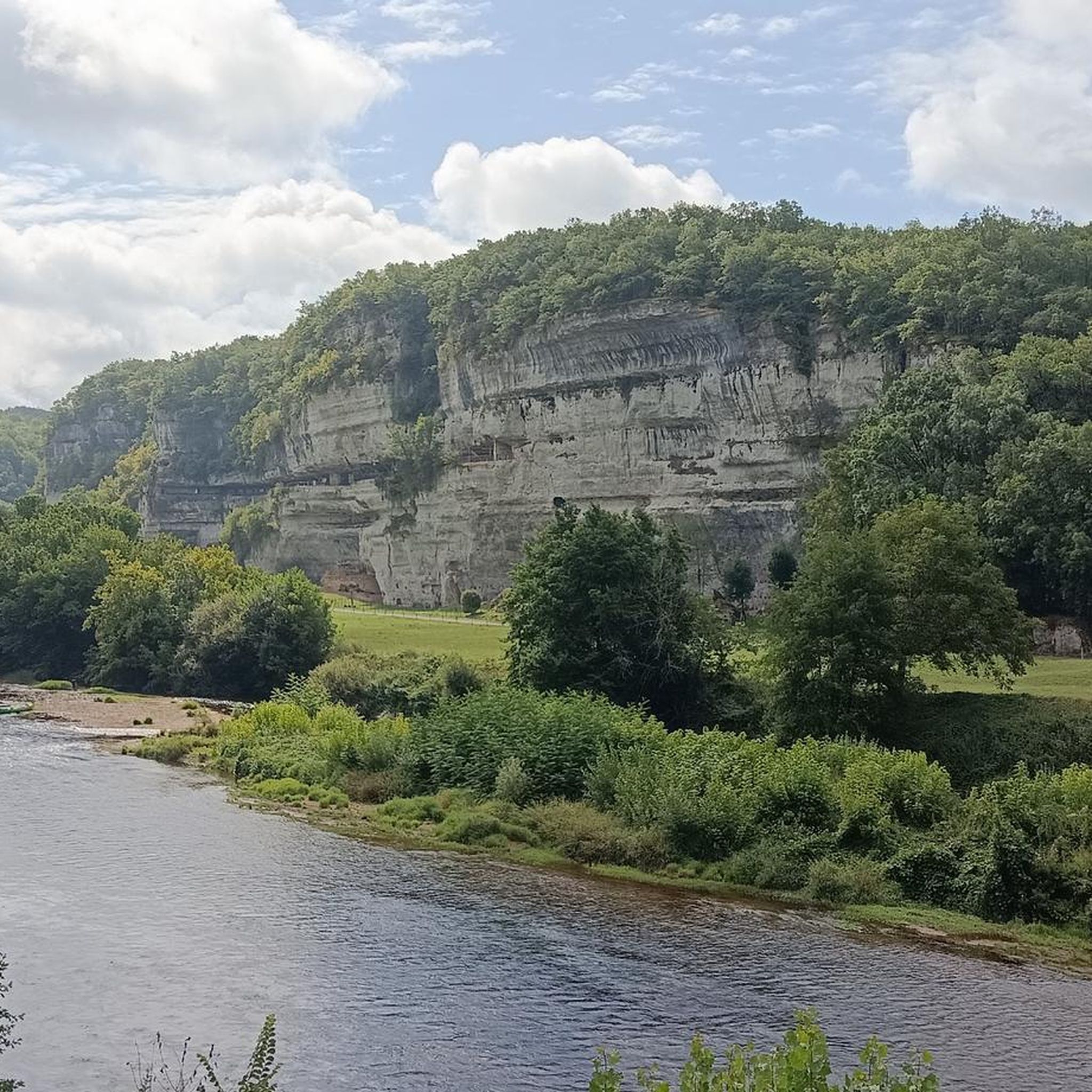
This real limestone wall, one kilometer long and eighty meters high, constantly undermined by the river and the frost, has been hollowed out with a hundred rock shelters and long aerial terraces; these natural cavities were occupied by prehistoric man and then modified to become a fort and a city from the Middle Ages until the beginning of the Renaissance.
2
0

Here we have the situation – previously completely unknown to me and therefore surprising – that MADELEINE, a Christian saint (the name is derived from the biblical "Mary Magdalene"), has become the namesake of an era from the proverbial "dim prehistory" (one to one and a half dozen millennia before the beginning of our era). To paraphrase it from Wikipedia, which can explain it better than I can: "The Magdalenian is an archaeological cultural stage in the younger part of the Upper Paleolithic in Central and Western Europe at the end of the last Ice Age. The Magdalenian was named in 1869 by Gabriel de Mortillet after the semi-cave La Madeleine in the Dordogne department. It spanned an approximate period from approximately 18,000 to 12,000 BC."
2
0

Welcome to the capital of prehistory! This is the nickname given to this modest village which follows the course of the Vézère. It must be said that the extraordinary sites that you can visit are numerous. In addition to the very richly supplied national museum, I encourage you to go to the Pôle de la préhistoire. Building entirely dedicated to this science and free. Find out about all the prehistoric marvels that can be admired in and around the town. They are not missing. It is not without reason that the Vézère valley has been nicknamed the valley of man.
2
1

Really incredibly impressive place - 50,000 years of human history on a rock face. Europe's largest settlement of this kind and also almost unique in the world - UNESCO World Heritage Site. Not to be missed! Ideal in the off-season when only a few people are out and about here.
1
0
La Madeleine is a settlement site in present-day France that was used for thousands of years up until the early modern period. It was laid out about 5 km north-east of Les Eyzies-de-Tayac-Sireuil on a narrow loop of the Vézère. For the Upper Palaeolithic period of the Magdalenian period, this important find site acts as a type locality. It is located in the lower abri (rock overhang) below the chapel dedicated to Saint Magdalene of the troglodyte village. Around 17,000 years ago, Cro-Magnon people settled in the rock shelters beneath the south-facing cliffs of La Madeleine near the River Vézère. These offered natural protection against the effects of the weather, and the southern orientation warmed the settlement site. The emergence of the troglodytic settlements on the cliffs of La Madeleine in the 8th century has been proven. (Wikipedia)
2
0

Near the grounds of the Château de Campagne, in the extension of the Ladies' Staircase, are the Cluzeaux. Dating back to the early Middle Ages, their exact purpose remains a mystery...food storage or housing?
1
0
Frequently Asked Questions
What are the most popular natural monuments around Mauzens-et-Miremont?
The most popular natural monuments in the area include La Roque Saint-Christophe, a historical site with ancient cave dwellings and a medieval fortress. Another highly regarded spot is Les Eyzies-de-Tayac, often called the capital of prehistory, offering numerous prehistoric sites and a national museum. Visitors also appreciate The Rock Shelters of the Vézère Valley, a limestone wall with natural cavities occupied by prehistoric humans.
What unique geological features can I explore near Mauzens-et-Miremont?
The region is rich in geological wonders. You can explore the Mauzens Stone Quarries, which yield a distinctive straw-yellow limestone used in local construction for centuries. Additionally, the Vézère Valley features impressive limestone formations, including natural caves like the Cluzeaux de Campagne and the Grotte du Grand Roc, known for its beautiful stalagmites and stalactites.
Are there significant prehistoric sites among the natural monuments?
Yes, the area around Mauzens-et-Miremont, particularly the nearby Vézère Valley, is a UNESCO World Heritage site renowned for its prehistoric importance. Key sites include Les Eyzies-de-Tayac, the Rock Shelters of the Vézère Valley, and La Roque Saint-Christophe, all featuring evidence of ancient human habitation. Other notable sites include the Grotte de Rouffignac, famous for its mammoth engravings, and the historically significant Abri Cro-Magnon.
What is the historical significance of the natural monuments in the Vézère Valley?
The Vézère Valley is often called the 'Valley of Man' due to its extraordinary concentration of prehistoric caves and rock shelters. These natural formations served as homes and canvases for ancient humans, preserving invaluable art and archaeological evidence. Sites like Abri de La Madeleine and Les Eyzies-de-Tayac offer deep insights into human evolution and early civilizations, making the region a crucial historical landmark.
Are there family-friendly natural monuments to visit?
Many natural monuments in the region are suitable for families. For instance, the Grotte de Rouffignac offers a guided train ride, making it an accessible and engaging experience for all ages to explore its extensive underground galleries and prehistoric art. Sites like La Roque Saint-Christophe also provide an educational and adventurous outing with its historical cave systems.
What outdoor activities can I do near these natural monuments?
The area around Mauzens-et-Miremont offers a variety of outdoor activities. You can find numerous hiking trails, such as the 'Cliffs of Les Eyzies' or the 'Fleurac Route'. For cyclists, there are road cycling routes like the 'View of La Vizère' or 'Fleurac – Maison Forte de Reignac'. Running enthusiasts can also explore trails like the 'Running loop from Saint-Cernin-de-Reillac'. You can find more details on these activities and routes in the hiking guide, road cycling guide, and running guide for the area.
What is the best time of year to visit the natural monuments?
The best time to visit the natural monuments around Mauzens-et-Miremont is typically during spring (April to June) and autumn (September to October). During these seasons, the weather is pleasant for exploring, and the natural landscapes are particularly beautiful. Summer (July and August) can be warm and crowded, while winter offers a quieter experience, though some sites might have reduced opening hours.
Are there hiking trails near these natural monuments?
Yes, there are several hiking trails that allow you to explore the natural beauty and monuments of the region. Popular options include the 'Cliffs of Les Eyzies – Forest Trail Near Les Eyzies loop' and the 'Fleurac Route loop'. These trails vary in difficulty from easy to moderate. For a comprehensive list and details, refer to the hiking guide around Mauzens-et-Miremont.
What do visitors enjoy most about the natural monuments in this region?
Visitors frequently express appreciation for the unique blend of natural beauty and profound historical significance. The opportunity to explore ancient cave systems, witness prehistoric art, and walk through landscapes that have been inhabited for millennia is a major draw. The scenic Vézère Valley, with its river and diverse woodlands, provides a tranquil backdrop for these discoveries, making for a truly immersive experience.
Can I find viewpoints to appreciate the natural landscapes?
Yes, many of the natural monuments, particularly those situated along the Vézère Valley, offer excellent viewpoints. For example, La Roque Saint-Christophe provides panoramic views of the valley and the river below. The elevated positions of many rock shelters and historical sites naturally lend themselves to scenic vistas of the surrounding Périgord Noir countryside, characterized by its forests and cultivated lands.
What kind of wildlife can I expect to see around the natural monuments?
The diverse natural landscape, including the Manaurie River and surrounding woodlands of chestnut and pine trees, supports a variety of local wildlife. While specific sightings can vary, you might encounter various bird species, small mammals, and insects typical of the Périgord Noir region. The tranquil environment of the valleys and forests provides habitats for these creatures, adding to the natural experience.
Most popular routes around Mauzens-Et-Miremont
Most popular attractions around Mauzens-Et-Miremont

Get inspired with the komoot mobile app


Explore more
Extend your search for the best caves by checking out these guides of the top ones around Mauzens-Et-Miremont:
