Top 6 Natural Monuments around Saint-Chamassy
Best natural monuments around Saint-Chamassy are found within a region rich in natural heritage, nestled between the Dordogne and Vézère river valleys. The Dordogne River, a designated UNESCO Biosphere Reserve, contributes to the area's diverse landscapes and ecological significance. Saint-Chamassy is also part of the Natura 2000 network, specifically for its limestone hillsides. These natural features provide varied opportunities for outdoor exploration and appreciating regional biodiversity.
Best natural monuments around Saint-Chamassy
- The most popular natural monuments is Les Eyzies-de-Tayac,…
Last updated: June 22, 2026
Les Eyzies-de-Tayac
Highlight • Historical Site
Translated by Google •
Tip by

Cliffs of Les Eyzies
Highlight • Natural Monument
Translated by Google •
Tip by

Sign up now to discover places like this
Get recommendations on the best single tracks, peaks, & plenty of other exciting outdoor places.
Sign up for free
Cluzeaux de Campagne
Highlight • Cave
Translated by Google •
Tip by

Font de Gaume Cave
Highlight • Cave
You must book in advance to be able to visit it.
Translated by Google •
Tip by
Cro-Magnon Rock Shelter
Highlight • Cave
Translated by Google •
Tip by

Sign up for free to discover even more natural monuments around Saint-Chamassy.
Sign up for free
Already have an account?
Start today with a free account
Your next adventure awaits.
Login or Signup

Tips from the Community

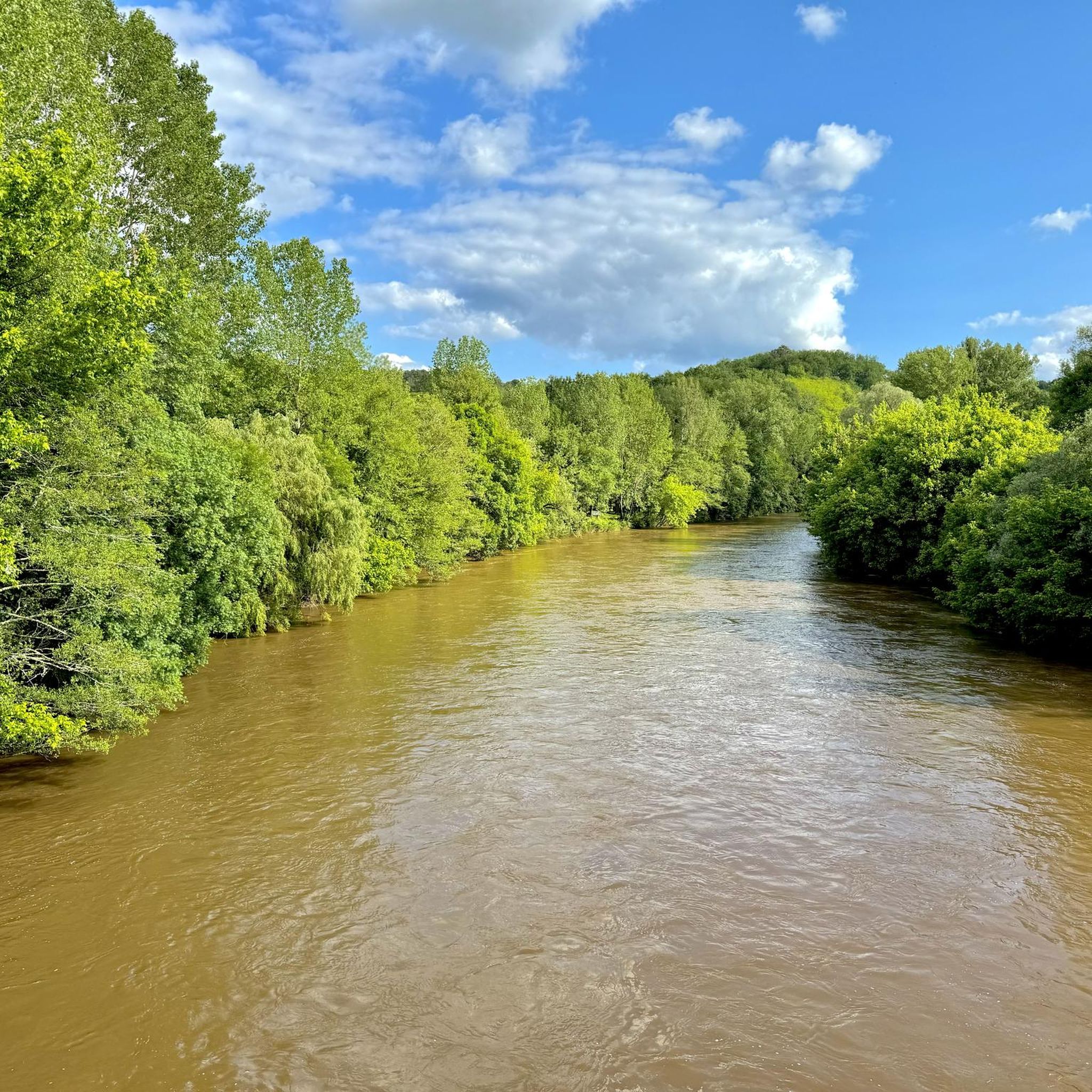
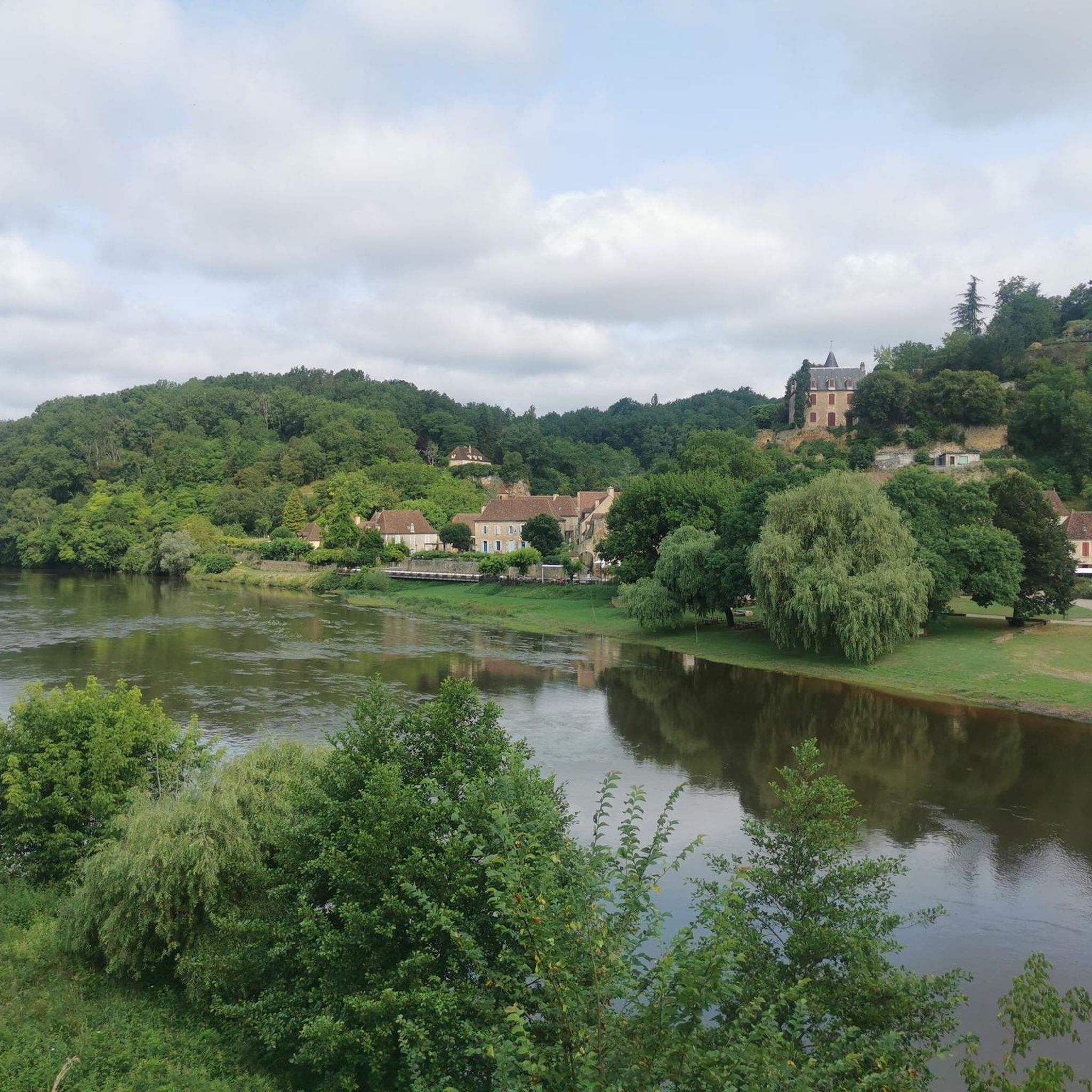
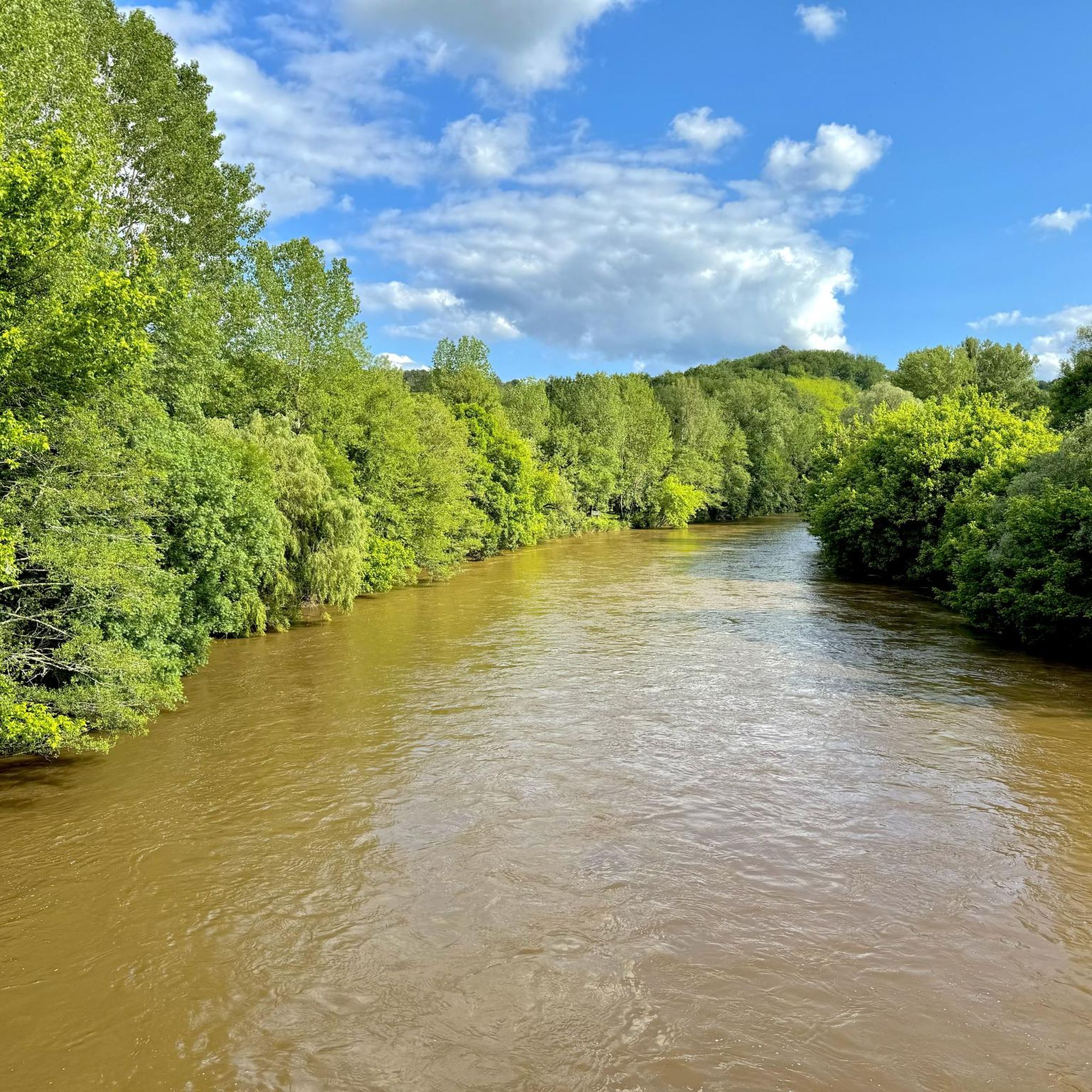
Beautiful scenery along the river
0
0

This museum is certainly interesting, unfortunately we didn't have enough time
0
0
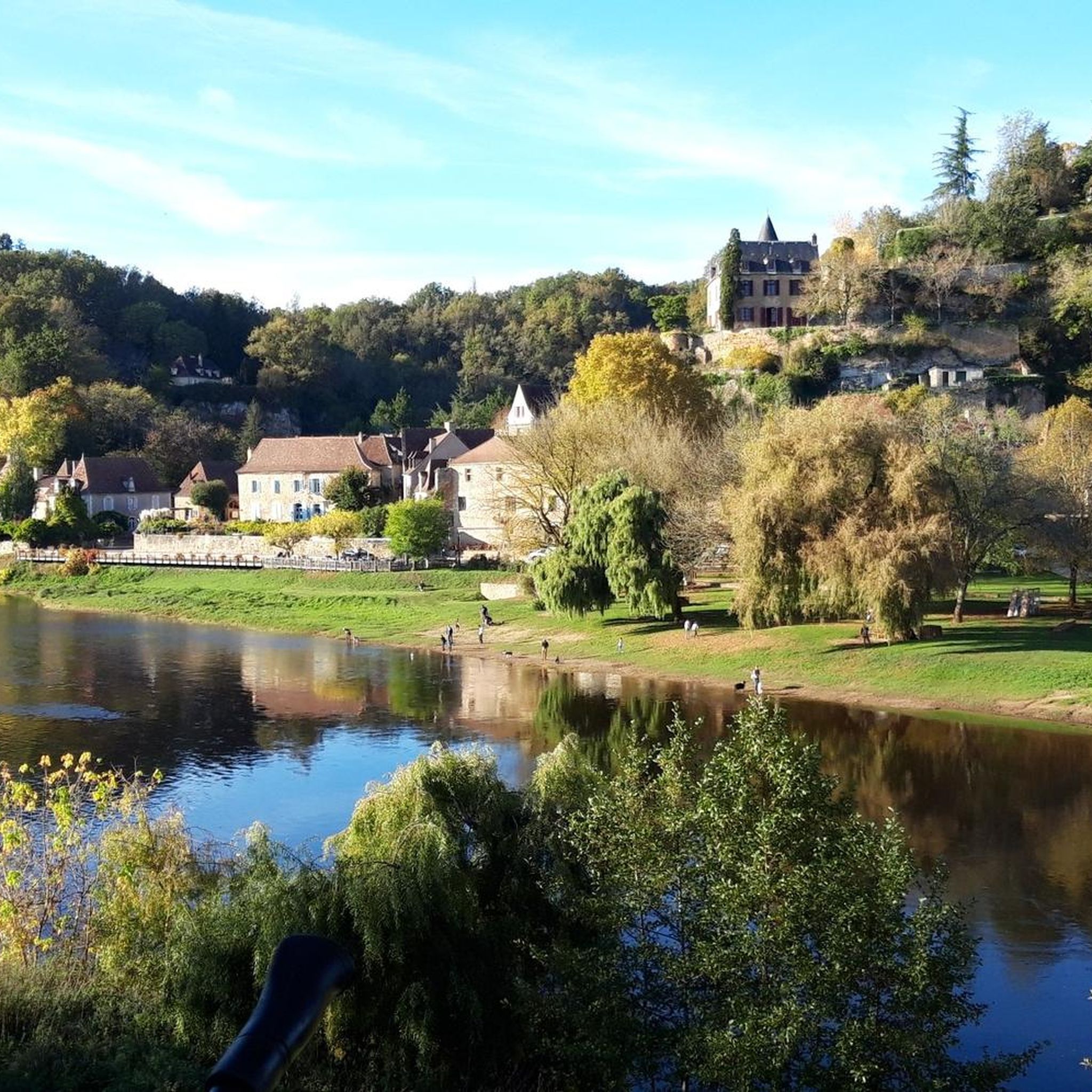
Impressive are the dwellings in the rocks and the houses from the rocks
0
0

The height difference of 100 meters is quite steep after crossing the road
0
0

Welcome to the capital of prehistory! This is the nickname given to this modest village which follows the course of the Vézère. It must be said that the extraordinary sites that you can visit are numerous. In addition to the very richly supplied national museum, I encourage you to go to the Pôle de la préhistoire. Building entirely dedicated to this science and free. Find out about all the prehistoric marvels that can be admired in and around the town. They are not missing. It is not without reason that the Vézère valley has been nicknamed the valley of man.
2
1

Near the grounds of the Château de Campagne, in the extension of the Ladies' Staircase, are the Cluzeaux. Dating back to the early Middle Ages, their exact purpose remains a mystery...food storage or housing?
1
0

Absolutely worth seeing rock formation with houses that were built into the rock.
0
0

The mecca for Paleolithic people. There are some caves with paintings to admire. The museum is also recommended.
0
0
Frequently Asked Questions
What kind of natural features can I explore around Saint-Chamassy?
The region around Saint-Chamassy is rich in natural heritage, featuring the UNESCO Biosphere Reserve of the Dordogne River valley, which offers diverse landscapes and unspoiled scenery. You can also explore the limestone hillsides of the Dordogne valley, part of the Natura 2000 network, known for their ecological importance and specific flora and fauna. The area is also characterized by its prehistoric caves and significant geological formations.
Are there any family-friendly natural monuments to visit?
Yes, the Confluence of the Dordogne and Vézère at Limeuil is a family-friendly spot. It's a magnificent place where the two rivers meet, offering opportunities for kayaking and enjoying the riverside. The general area also provides many easy walking trails suitable for families.
What outdoor activities can I do near the natural monuments?
The area around Saint-Chamassy is ideal for various outdoor activities. You can enjoy hiking, gravel biking, and mountain biking. For hiking, consider routes like 'Limeuil and its Viewpoints' or 'Limeuil – Limeuil and its viewpoints loop from Limeuil'. For more options, explore the Hiking around Saint-Chamassy guide. Cyclists can find routes in the Gravel biking around Saint-Chamassy guide or the MTB Trails around Saint-Chamassy guide.
Are there any historical or archaeological sites set within natural landscapes?
Absolutely. The region is renowned for its prehistoric significance. You can visit Les Eyzies-de-Tayac, often called the 'capital of prehistory,' which offers numerous sites including a national museum and the Pôle de la préhistoire. Another intriguing site is the Cro-Magnon Rock Shelter, where the first remains of Cro-Magnon man were found.
Can I visit prehistoric caves with ancient art in the area?
Yes, the Font de Gaume Cave is a must-see, featuring rare polychrome paintings of bison. It's located at the entrance to Les Eyzies. Booking in advance is required to visit this site due to its delicate nature and preservation efforts.
What are the Cluzeaux de Campagne?
The Cluzeaux de Campagne are historical caves located near the Château de Campagne. Dating back to the early Middle Ages, their exact purpose remains a mystery, possibly used for food storage or housing. They offer a glimpse into ancient human activity within a natural setting.
What kind of wildlife can I expect to see in the natural areas?
The Natura 2000 sites, particularly the limestone hillsides of the Dordogne valley, are important for biodiversity. They host specific animal and plant species, including two types of bats: the Greater horseshoe bat and the Lesser horseshoe bat. The river valleys also support numerous animal and plant species, making it a good area for nature observation and birdwatching.
What is the best time of year to visit the natural monuments around Saint-Chamassy?
The Dordogne region, including Saint-Chamassy, is beautiful throughout much of the year. Spring and autumn offer pleasant temperatures for hiking and exploring, with lush greenery in spring and vibrant colors in autumn. Summer is popular for water activities on the Dordogne River, though some sites might require advance booking due to higher visitor numbers.
Are there any viewpoints offering scenic panoramas?
The Confluence of the Dordogne and Vézère at Limeuil is described as a magnificent place, offering scenic views where the two rivers meet. Many hiking routes in the area, such as 'Limeuil and its Viewpoints', are specifically designed to lead to picturesque vistas of the river valleys and surrounding landscapes.
How long should I plan for visiting the natural monuments?
The duration depends on your interests. For sites like the Font de Gaume Cave, a guided tour might take an hour or two. Exploring Les Eyzies-de-Tayac with its museum and various prehistoric sites could easily fill half a day or more. For outdoor activities like hiking or kayaking along the Dordogne River, you can plan anything from a couple of hours to a full day, depending on the chosen route or activity.
What should I wear when visiting the natural monuments and trails?
For exploring caves and historical sites, comfortable walking shoes are recommended. If you plan to hike or engage in other outdoor activities, wear appropriate footwear for varied terrain, and dress in layers to adapt to changing weather conditions. Sun protection and water are always advisable, especially during warmer months.
Where can I find more information about the natural and cultural heritage of the wider Dordogne Valley?
For broader information on the region's natural heritage, you can visit the Dordogne Valley's natural heritage page. For cultural aspects, the cultural heritage page provides additional context.
Most popular routes around Saint-Chamassy
Most popular attractions around Saint-Chamassy

Get inspired with the komoot mobile app


Explore more
Extend your search for the best caves by checking out these guides of the top ones around Saint-Chamassy:
