Top 5 Natural Monuments around Marcillac-Saint-Quentin
Best natural monuments around Marcillac-Saint-Quentin include geological formations and prehistoric sites within the broader Dordogne region. The area is characterized by its rural setting and the presence of the Vézère River, known for its concentration of Paleolithic sites and troglodytic dwellings. This landscape offers a blend of natural beauty and archaeological wonders, attracting visitors interested in natural history and outdoor exploration. Many natural features highlight the region's rich natural history.
Best natural monuments around Marcillac-Saint-Quentin
- The most popular natural monuments…
Last updated: August 29, 2026
La Roque Saint-Christophe
Highlight • Historical Site
Translated by Google •
Tip by

Commarque Castle
Highlight • Cave
Translated by Google •
Tip by

Sign up now to discover places like this
Get recommendations on the best single tracks, peaks, & plenty of other exciting outdoor places.
Sign up for free
Sainte-Marie Fountain of Sarlat
Highlight • Natural Monument
Translated by Google •
Tip by

The Rock Shelters of the Vézère Valley
Highlight • Cave
Translated by Google •
Tip by

Gardens of Manoir d'Eyrignac
Highlight • Viewpoint
Translated by Google •
Tip by
Start today with a free account
Your next adventure awaits.
Login or Signup

Tips from the Community


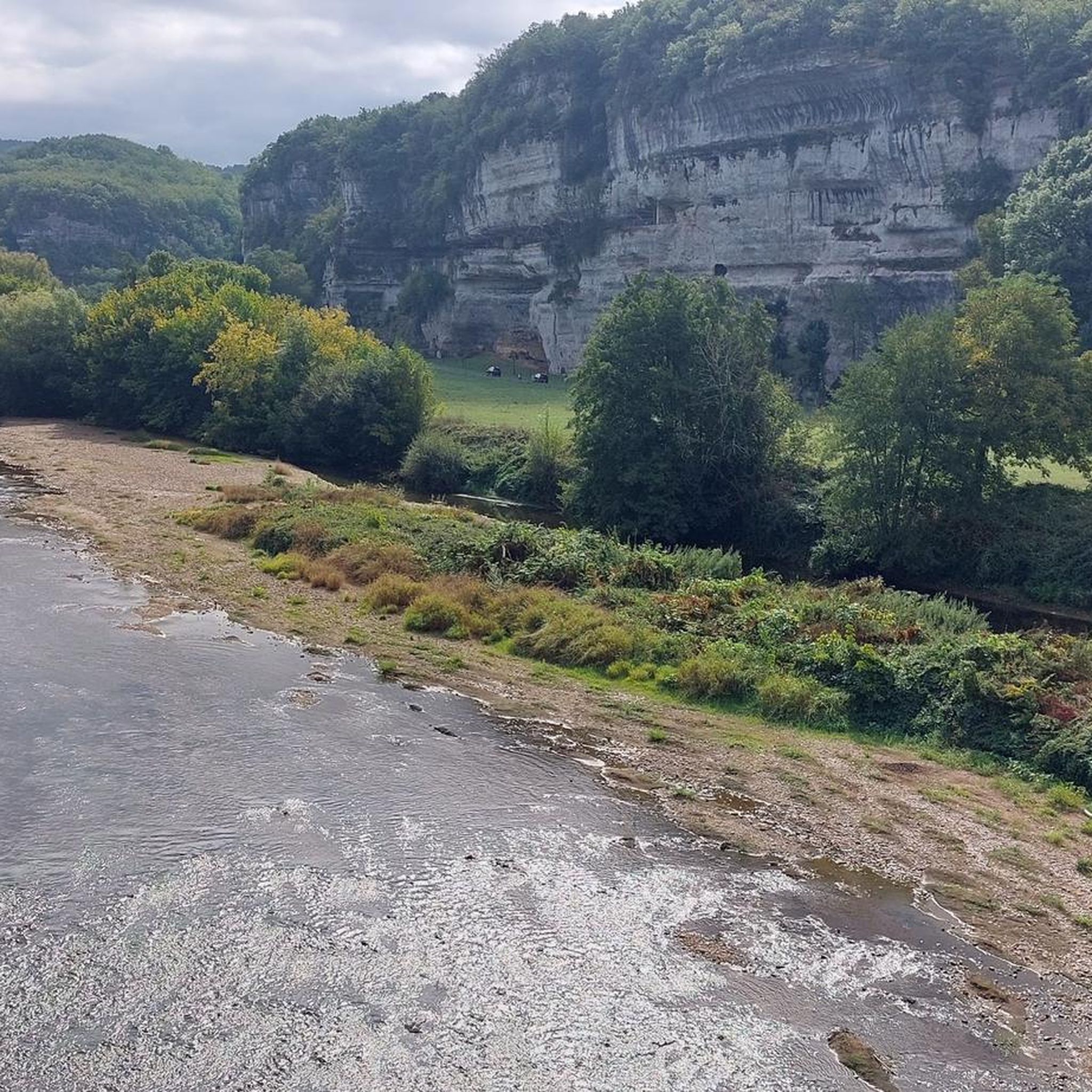
This real limestone wall, one kilometer long and eighty meters high, constantly undermined by the river and the frost, has been hollowed out with a hundred rock shelters and long aerial terraces; these natural cavities were occupied by prehistoric man and then modified to become a fort and a city from the Middle Ages until the beginning of the Renaissance.
2
0

The forgotten fortress: a millefeuille of stones where dungeons and fortified castles, troglodytes and prehistoric caves overlap in a preserved landscape
0
0

located in the wild Grande Beune valley, is a historical and archaeological site in Périgord. It offers a journey into the past, with its medieval remains and picturesque landscapes. A must-visit for history and nature lovers.
0
0
The Sainte-Marie fountain in Sarlat is a natural resurgence which supplied the entire secular part of the city in the Middle Ages. Located rue des Consuls, a few steps from the famous geese of the sculptor Francois-Xavier Lalanne, this fountain was for a long time the city's drinking water point. However, its proximity to the stables and the streets where residents dumped their waste, urine and excrement led to serious water pollution and typhoid epidemics until the 20th century.
1
0

Top tip in this region. Information folder in German, videos and explanations in a film leave no questions unanswered. Otherwise simply impressive cultural monument... Also recommended for kids.
0
0

These gardens are absolutely beautiful. Invitation to contemplation where nature is queen, it is good to linger and also enjoy the scents! These gardens are a delight
0
0

Really incredibly impressive place - 50,000 years of human history on a rock face. Europe's largest settlement of this kind and also almost unique in the world - UNESCO World Heritage Site. Not to be missed! Ideal in the off-season when only a few people are out and about here.
1
0
Frequently Asked Questions
What are the most popular natural monuments around Marcillac-Saint-Quentin?
The most popular natural monuments in the area include La Roque Saint-Christophe, a massive limestone cliff with troglodytic dwellings, and Commarque Castle, a historical and archaeological site set in the wild Grande Beune valley. Visitors also appreciate the Sainte-Marie Fountain of Sarlat, a natural resurgence that historically supplied the city with water.
What natural features can I explore in the Vézère Valley?
The Vézère Valley, often called the "Valley of Man," is rich in natural features. You can explore the Vézère River itself, which flows through a landscape renowned for its Paleolithic sites and impressive rock shelters. The natural beauty of the river, cliffs, and abundant wildlife contribute to its historical significance. The Dordogne River, also nearby, is recognized as a UNESCO Biosphere Reserve.
Are there any unique geological formations to visit?
Yes, the region boasts several unique geological formations. The Rock Shelters of the Vézère Valley are a prime example, showcasing a kilometer-long limestone wall with numerous natural cavities. Further afield, the Gouffre de Padirac is a spectacular chasm where you can descend 103 meters underground to explore an underground river by boat, marveling at ancient concretions and a 60-meter high stalactite. Another option is the Gouffre de la Fage, offering an intimate caving experience with calcified columns and draperies.
What historical natural monuments can I find in the area?
The region is rich in natural monuments with significant historical connections. La Roque Saint-Christophe is a striking example, where a massive limestone cliff face served as a natural dwelling and later a fortress from prehistoric to medieval times. Commarque Castle, nestled in a natural valley, combines medieval ruins with a picturesque landscape. The Rock Shelters of the Vézère Valley also highlight how natural cavities were occupied by prehistoric humans and later modified.
Are there family-friendly natural monuments around Marcillac-Saint-Quentin?
Many natural monuments in the area are suitable for families. Sites like La Roque Saint-Christophe offer an engaging historical experience within a natural setting. The Gardens of Manoir d'Eyrignac are also family-friendly, providing beautiful landscapes for strolling and relaxation. Exploring the Vézère Valley's rock shelters can also be an educational and exciting adventure for children.
What is the best season to visit the natural monuments?
The best season to visit the natural monuments around Marcillac-Saint-Quentin is generally spring or autumn. During these times, the weather is pleasant for outdoor exploration, hiking, and visiting sites like the Vézère Valley or the various caves. Summer can also be enjoyable, though it can be warmer and more crowded. Winter offers a quieter experience, but some attractions might have reduced hours.
Where can I find hiking trails near these natural monuments?
Marcillac-Saint-Quentin and the surrounding area offer numerous hiking opportunities. You can find local hiking circuits within the village itself, providing panoramic views and peaceful wooded paths. For more options, explore the Running Trails around Marcillac-Saint-Quentin guide, which includes routes suitable for walking and enjoying the natural scenery.
What other outdoor activities are available near Marcillac-Saint-Quentin's natural monuments?
Beyond hiking, the region offers a variety of outdoor activities. You can find excellent options for cycling, including road cycling and gravel biking. Check out the Road Cycling Routes around Marcillac-Saint-Quentin and Gravel biking around Marcillac-Saint-Quentin guides for detailed routes. The Vézère and Dordogne rivers also offer opportunities for canoeing and kayaking, allowing you to experience the natural landscape from a different perspective.
Can I find viewpoints to enjoy the natural scenery?
Yes, the area around Marcillac-Saint-Quentin offers several excellent viewpoints. Local hiking trails often lead to spots like Pech Lavergne and Tous Vents, providing beautiful panoramic views of the rural landscape. The Gardens of Manoir d'Eyrignac also offer lovely views of the valley, inviting contemplation amidst nature.
What do visitors enjoy most about the natural monuments in this area?
Visitors particularly enjoy the blend of natural beauty and rich history. Many appreciate the impressive scale of sites like La Roque Saint-Christophe and the way human history is etched into the natural rock. The peaceful, rural setting, the opportunity for pleasant walks, and the chance to explore unique geological formations like the Vézère Valley's rock shelters are also highly valued.
Is it possible to see wildlife near the natural monuments?
Yes, the natural settings around Marcillac-Saint-Quentin and the broader Dordogne region provide opportunities for wildlife spotting. The Vézère Valley, with its river and varied landscapes, supports abundant wildlife. The Gouffre de la Fage is even recognized as one of Europe's most important bat caves, offering a chance to witness bat activity at certain times of the year.
What should I bring when visiting the natural monuments?
When visiting the natural monuments, it's advisable to bring comfortable walking shoes, especially if you plan to explore caves or hiking trails. Depending on the season, layers of clothing are recommended. For cave visits, a light jacket might be useful as temperatures underground can be cooler. Don't forget water, snacks, and a camera to capture the stunning landscapes and historical sites.
Most popular routes around Marcillac-Saint-Quentin
Most popular attractions around Marcillac-Saint-Quentin

Get inspired with the komoot mobile app


Explore more
Extend your search for the best caves by checking out these guides of the top ones around Marcillac-Saint-Quentin:
