Top 7 Natural Monuments around Parata
Natural monuments around Parata are primarily found in the stunning coastal regions of Corsica, France, encompassing areas like the Calanques de Piana and the Scandola Nature Reserve. This region is characterized by dramatic geological formations, rich biodiversity, and picturesque coastal landscapes. The area near Ajaccio, including the Pointe de la Parata, also features significant natural beauty. These sites are recognized for their unique ecosystems and geological significance.
Best natural monuments around Parata
- The most popular natural monuments is Struccia Waterfall…
Last updated: June 22, 2026
Bucatoggio Waterfall
Highlight • Waterfall
Translated by Google •
Tip by

Ucelluline Waterfall
Highlight • Waterfall
Translated by Google •
Tip by

Sign up now to discover places like this
Get recommendations on the best single tracks, peaks, & plenty of other exciting outdoor places.
Sign up for free
Struccia Waterfall
Highlight • Waterfall
Showing Translation
Tip by

Accumoli Spring
Highlight • Natural Monument
Translated by Google •
Tip by
Fountain in Parc Naturel Régional de Corse
Highlight (Segment) • Structure
Translated by Google •
Tip by

Sign up for free to discover even more natural monuments around Parata.
Sign up for free
Already have an account?
Start today with a free account
Your next adventure awaits.
Login or Signup
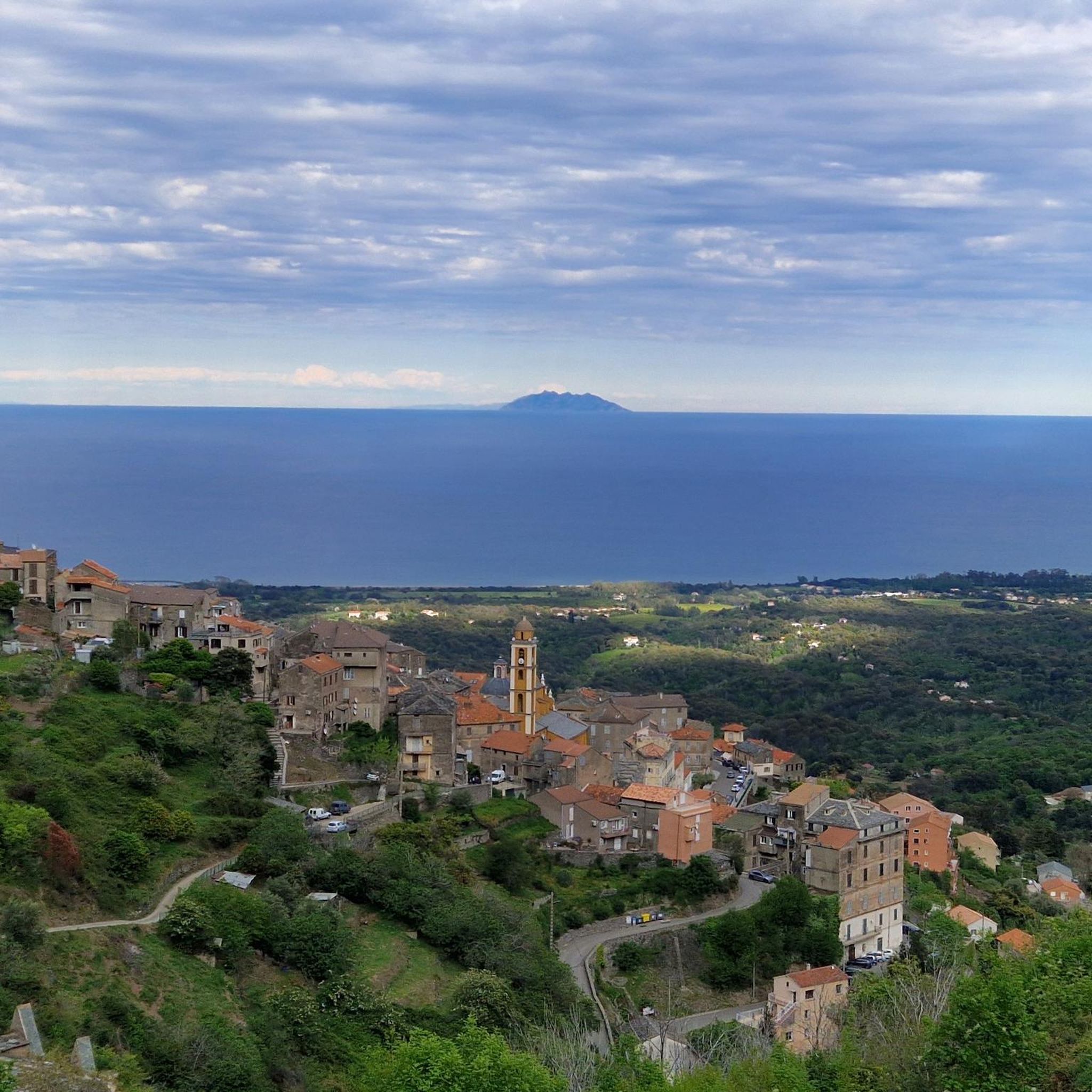
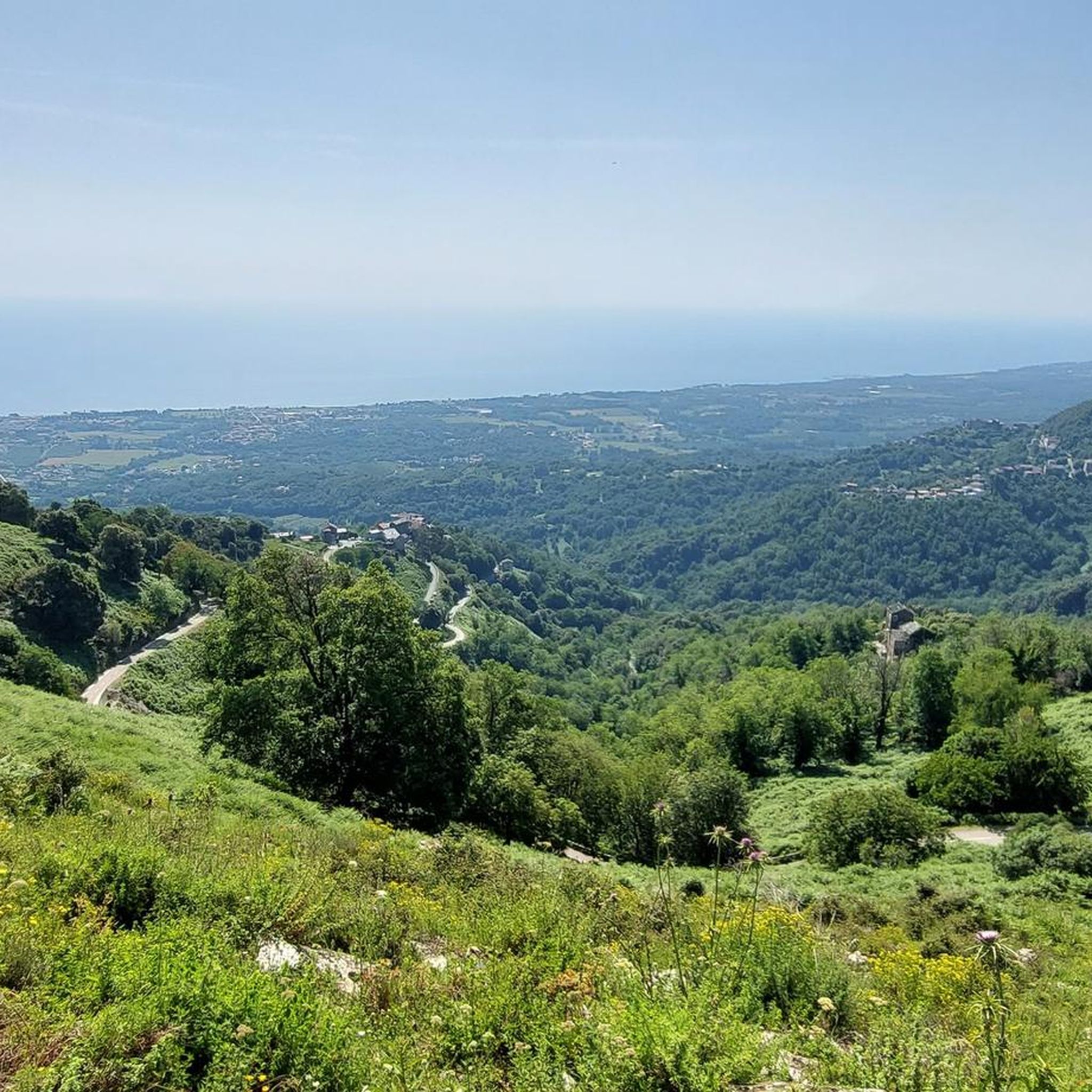
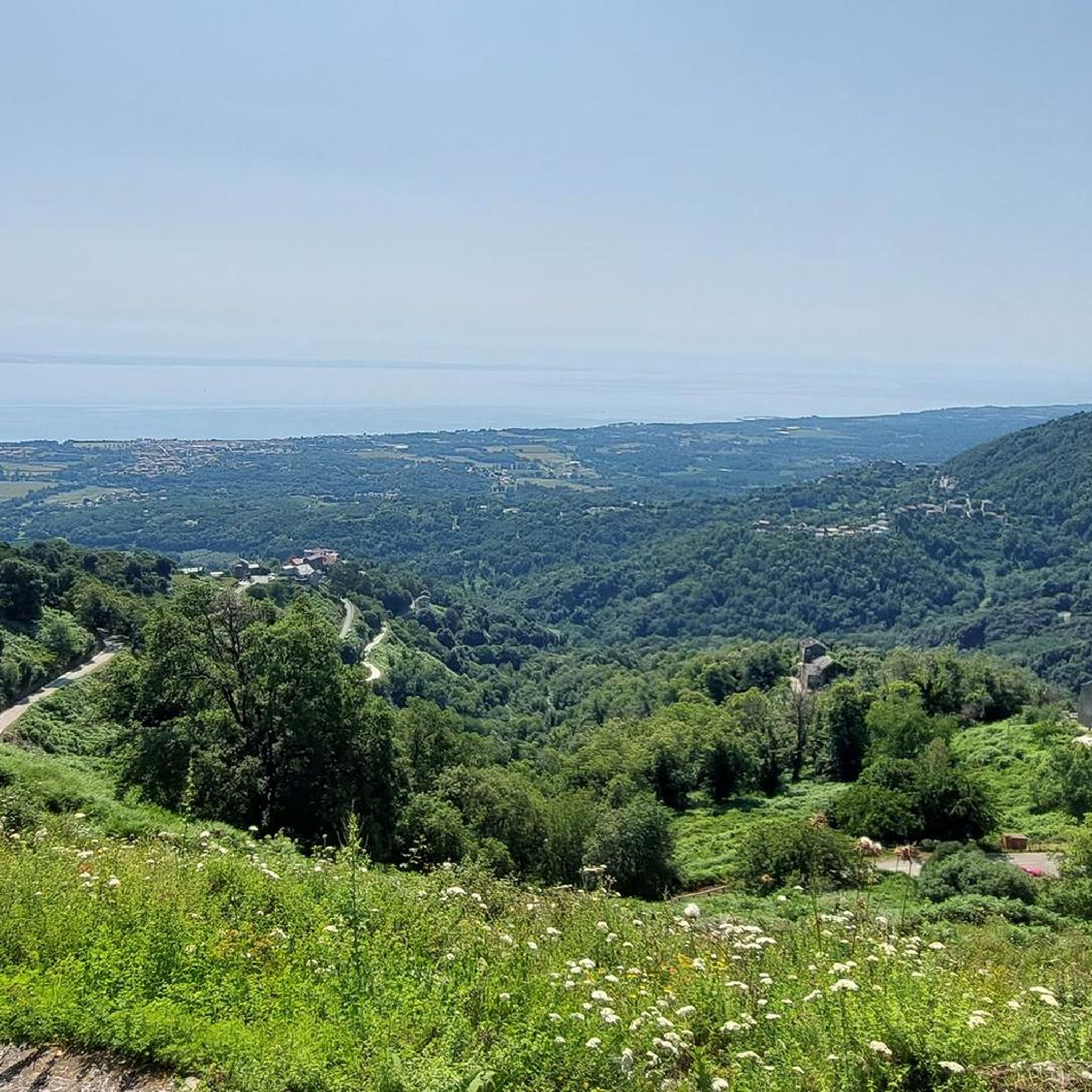
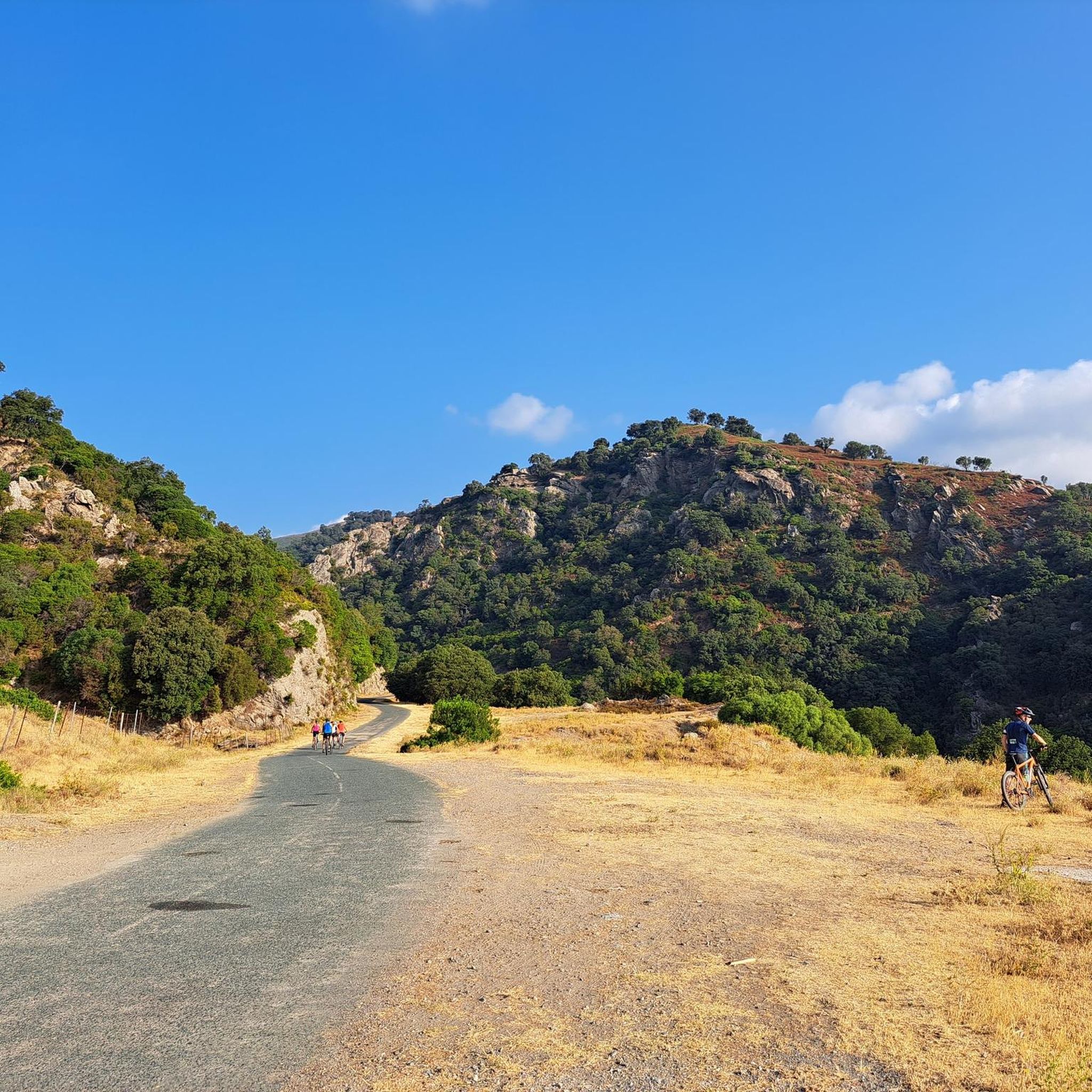
Tips from the Community

This place houses the source of the WATERS OF OREZZA
0
0


You can either go up next to the bridge or go down diagonally opposite and swim if you want. There is a tunnel on the other side of the bridge.
2
1

Nice way to take a break. Not really suitable for swimming and at 2 p.m. the rest area is in full sun.
1
0
Nice place to take a break right on the "tourist highway" on the way to the waterfall with a fantastic view of it.
0
0
Beautiful waterfall, as the main attraction with many tourists, but still worth a visit.
0
0

Beautiful scenic and cool road waterfall, recommended!
4
0

A very popular waterfall that does not disappoint. If you are lucky enough to see it at the right time of day, you will see the water vapor reflected in the light.
4
2
Frequently Asked Questions
What are the most popular natural monuments around Parata?
The most popular natural monuments in the area include the stunning Struccia Waterfall, known for its shady resting place and bathing pool. Other highly-rated spots are Ucelluline Waterfall, offering magnificent views over the coastal plain, and Bucatoggio Waterfall, which features a beautiful waterfall with a small lake.
What unique geological features can I expect to see in the natural monuments around Parata?
The region is renowned for its dramatic geological formations. You can witness the astonishing red granite formations of the Calanques de Piana, sculpted into jagged cliffs, peaks, and natural cavities. The Scandola Nature Reserve showcases an ancient volcanic complex with sheer red cliffs, grottos, and sea stacks. Capo Rosso features towering red porphyry cliffs plunging into the sea, along with a natural arch.
Are there opportunities for wildlife observation in the natural monuments near Parata?
Yes, especially in the Scandola Nature Reserve, a UNESCO World Heritage site, which is a sanctuary for thousands of protected animal species. You might spot wild boars, various reptiles, foxes, amphibians, and numerous birds like ospreys, golden eagles, and peregrine falcons. The Pointe de la Parata and Sanguinaires Islands are also Special Protection Areas within the Natura 2000 network, rich in seabirds and unique flora.
What kind of outdoor activities can I do near these natural monuments?
The area offers diverse outdoor activities. You can explore numerous running trails, such as the challenging San Bartolomeu Chapel – Struccia Waterfall loop. For mountain biking, routes like the Ucelluline Waterfall loop provide scenic rides. Cycling enthusiasts can enjoy tours like the Cervione – Spassiverde Greenway loop. Find more details on these activities in the Running Trails around Parata, MTB Trails around Parata, and Cycling around Parata guides.
Are the natural monuments around Parata family-friendly?
Many natural monuments are suitable for families. For instance, Struccia Waterfall is noted as family-friendly, offering a bathing pool. The Accumoli Spring also has picnic tables, making it a pleasant spot for a family break. Boat tours to the Calanques de Piana and Scandola Nature Reserve can also be a memorable experience for all ages.
What is the best way to access the Scandola Nature Reserve?
The Scandola Nature Reserve is a highly protected area, and access is primarily by sea. Boat tours are the recommended way to explore its dramatic coastline, marine caves, and diverse ecosystems, allowing you to witness its monumental scale and pristine environment. You can find more information about visiting the reserve on sites like visite-scandola.com.
Can I visit historical sites alongside natural monuments in the Parata region?
Yes, the region offers a blend of natural beauty and historical significance. For example, atop Capo Rosso, you'll find the Genoese Tower of Turghiu, offering panoramic views. Similarly, the Pointe de la Parata features a historic Genoese tower built in the mid-16th century, adding a cultural dimension to the natural landscape.
What are some practical tips for visiting the waterfalls around Parata?
When visiting waterfalls like Bucatoggio Waterfall or Ucelluline Waterfall, hiking boots are important, especially if you plan to explore beyond the main viewing points. Some areas may require a little climbing to reach upper sections or bathing pools. The journey to Ucelluline Waterfall on the narrow, winding mountain road is also highly recommended for its views.
Is there a good time of day to visit Capo Rosso for the best views?
Capo Rosso is particularly stunning at sunset. The red cliffs, composed of 300-million-year-old porphyry, glow intensely in the warm light, creating an exceptional palette of colors against the Mediterranean Sea. This makes for a truly memorable visual experience.
Are there any natural springs or unique water features to visit?
Yes, the Accumoli Spring is a notable natural monument. It's a spring rich in iron, beautifully covered with ferns and ivy, and features a nice pool and picnic tables. It offers a pleasant, cool break even during warmer months.
What do visitors particularly enjoy about the natural monuments around Parata?
Visitors frequently praise the breathtaking panoramic views, especially from locations like the Calanques de Piana and Capo Rosso. The opportunity for refreshing swims in crystal-clear waters, the dramatic geological formations, and the rich biodiversity are also highly appreciated. The area's natural monuments have garnered over 240 upvotes and more than 100 photos shared by the komoot community, highlighting their visual appeal and popularity.
Are there any permits required to visit the natural monuments in the Parata region?
The Scandola Nature Reserve is a highly protected area. While general access by boat tours is permitted, specific regulations apply to preserve its pristine environment and biodiversity. It's advisable to check with tour operators or official sources like Wikipedia or visit-corsica.com for the latest information on access and any specific permits or restrictions.
What should I wear when hiking to these natural monuments?
When hiking to natural monuments like the waterfalls or Capo Rosso, sturdy hiking boots are recommended due to uneven terrain. Given the Mediterranean climate, light, breathable clothing is suitable, but consider layers as temperatures can vary. Sun protection, including a hat and sunscreen, is essential, especially on exposed trails like those leading to Capo Rosso, which lack shade.
Most popular attractions around Parata

Get inspired with the komoot mobile app


Explore more
Extend your search for the best caves by checking out these guides of the top ones around Parata:
