Top 14 Natural Monuments around Arles-Sur-Tech
Best natural monuments around Arles-Sur-Tech are found in the Pyrénées-Orientales department of France, offering diverse landscapes from deep gorges to mountain peaks. This region is characterized by its natural beauty and unique geological formations within the Pyrenees. Visitors can explore a range of natural landmarks, including mountain passes, waterfalls, and summits, providing varied experiences for nature enthusiasts.
Best natural monuments around Arles-Sur-Tech
- The most popular natural monuments is Pou de la Neu Pass, a mountain pass that serves as…
Last updated: June 22, 2026
Pou de la Neu Pass
Highlight • Mountain Pass
Translated by Google •
Tip by

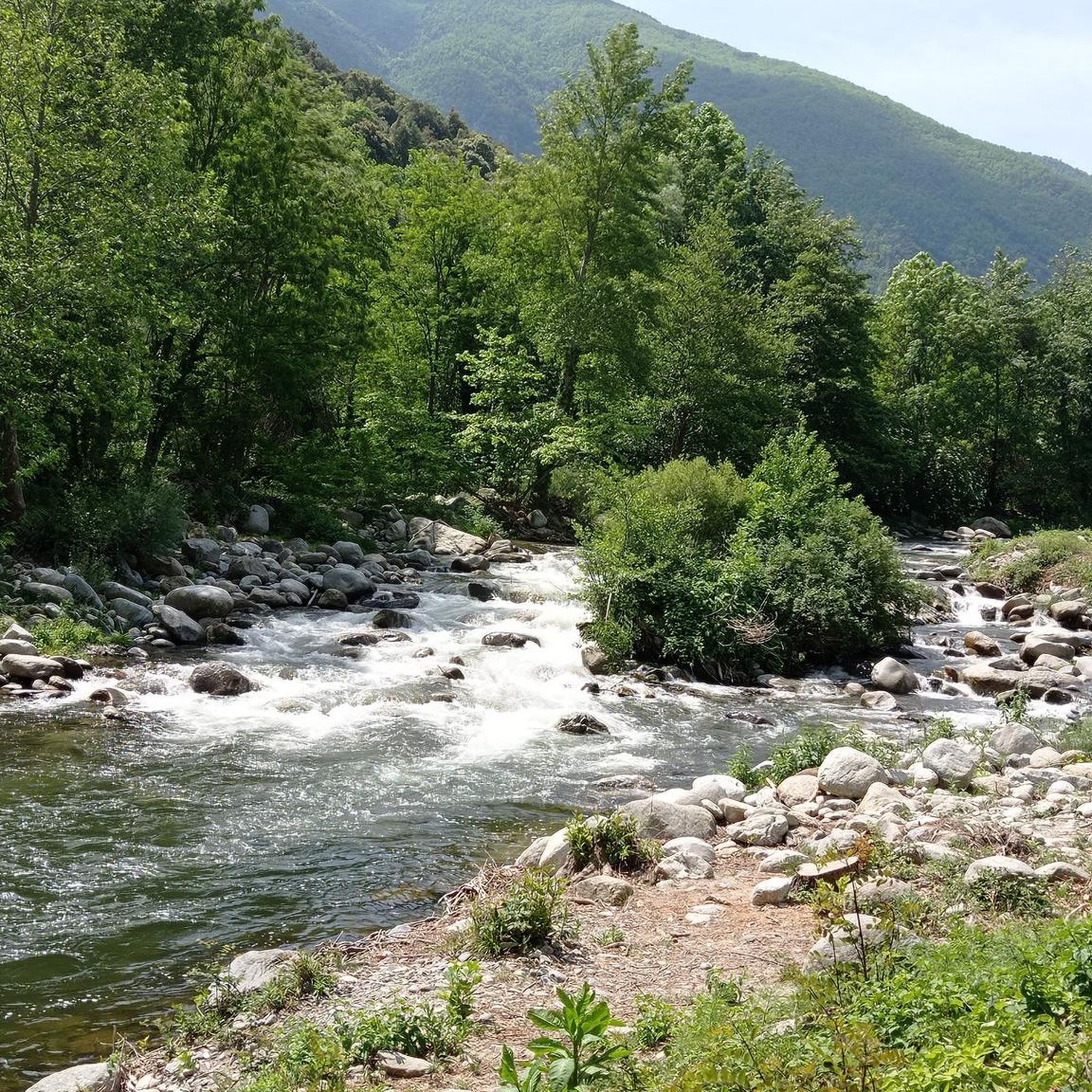
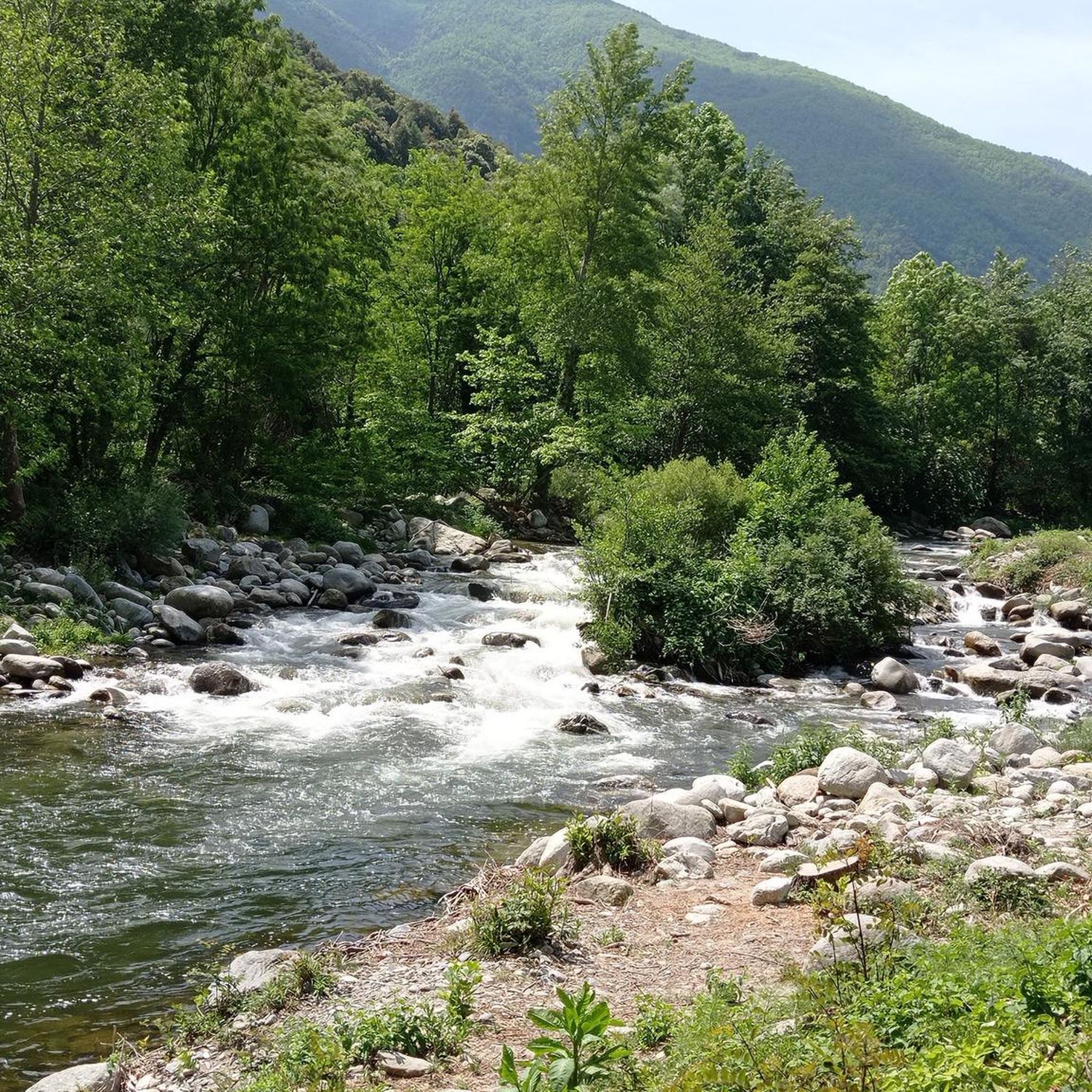
Salt de Baoussous Waterfall
Highlight • Waterfall
Translated by Google •
Tip by

Sign up now to discover places like this
Get recommendations on the best single tracks, peaks, & plenty of other exciting outdoor places.
Sign up for free
Puig de les Salines (Salines Peak)
Highlight • Summit
Translated by Google •
Tip by

El Moixer Peak
Highlight • Summit
Translated by Google •
Tip by
Roc de Frausa
Highlight • Summit
Translated by Google •
Tip by
Sign up for free to discover even more natural monuments around Arles-Sur-Tech.
Sign up for free
Already have an account?
Start today with a free account
Your next adventure awaits.
Login or Signup
Popular around Arles-Sur-Tech
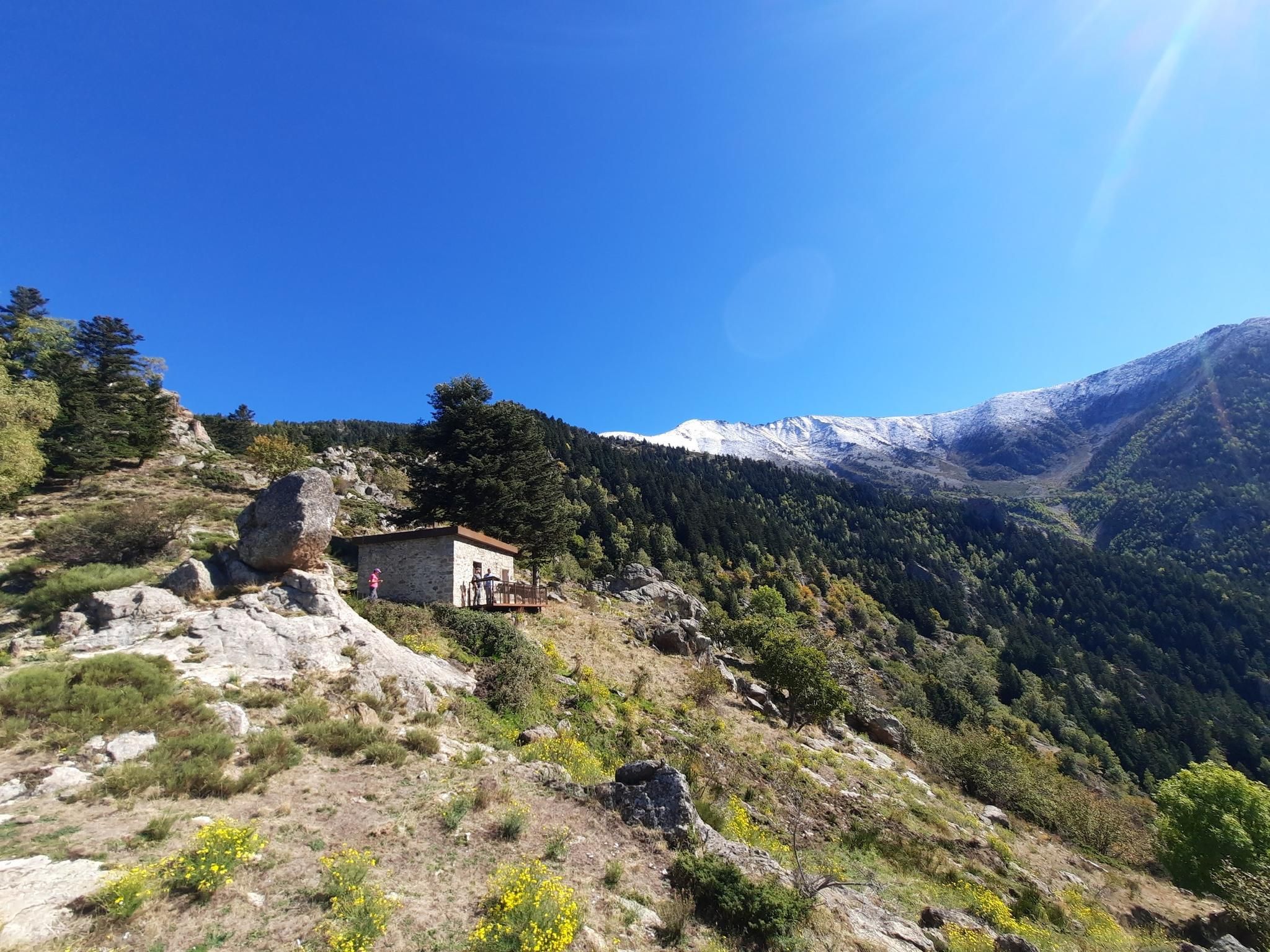
The Crossing of the Pyrenees via the GR 10 — Eastern Pyrenees
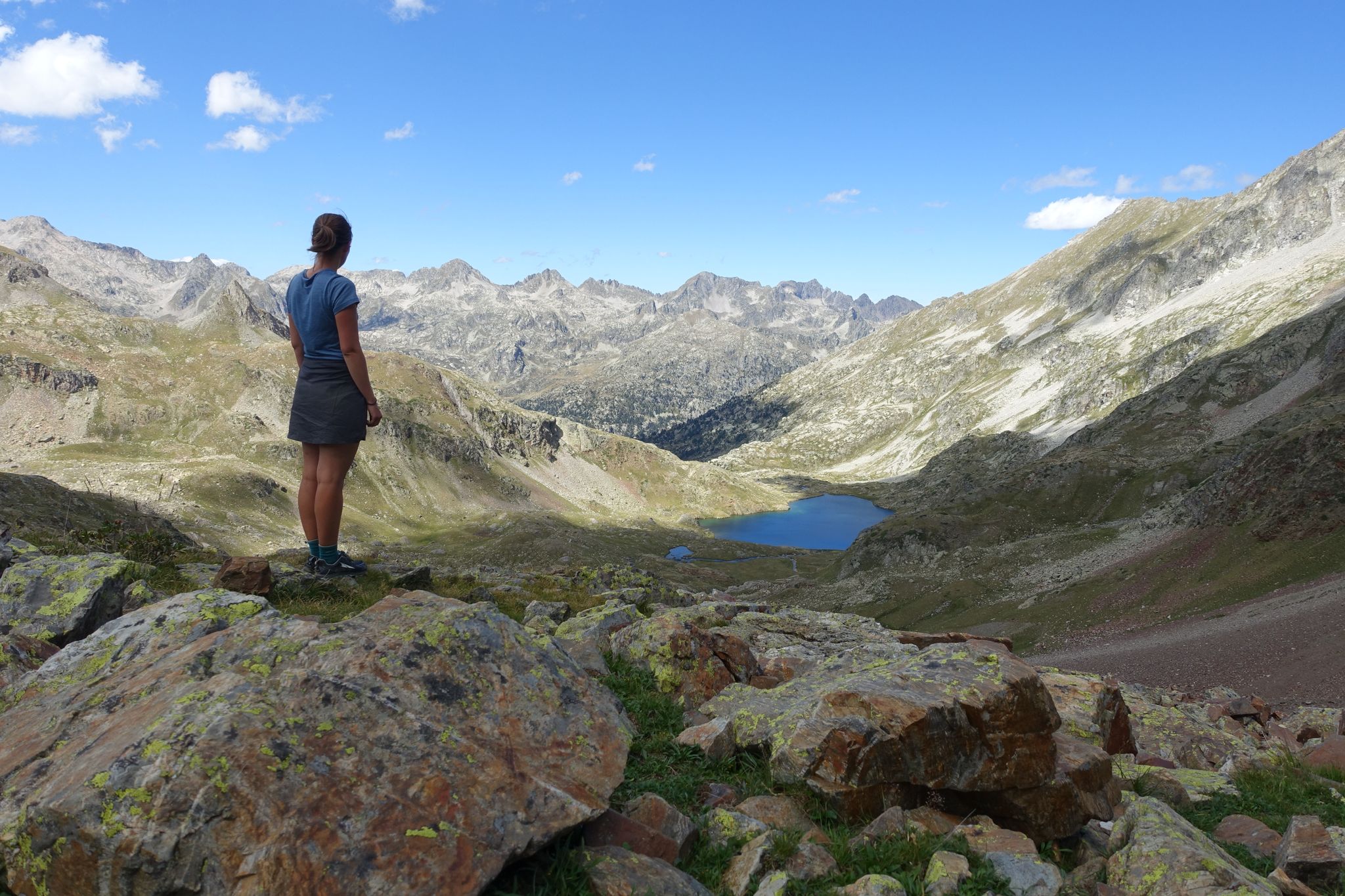
Haute Route Pyrénéenne – Pyrenees Crossing
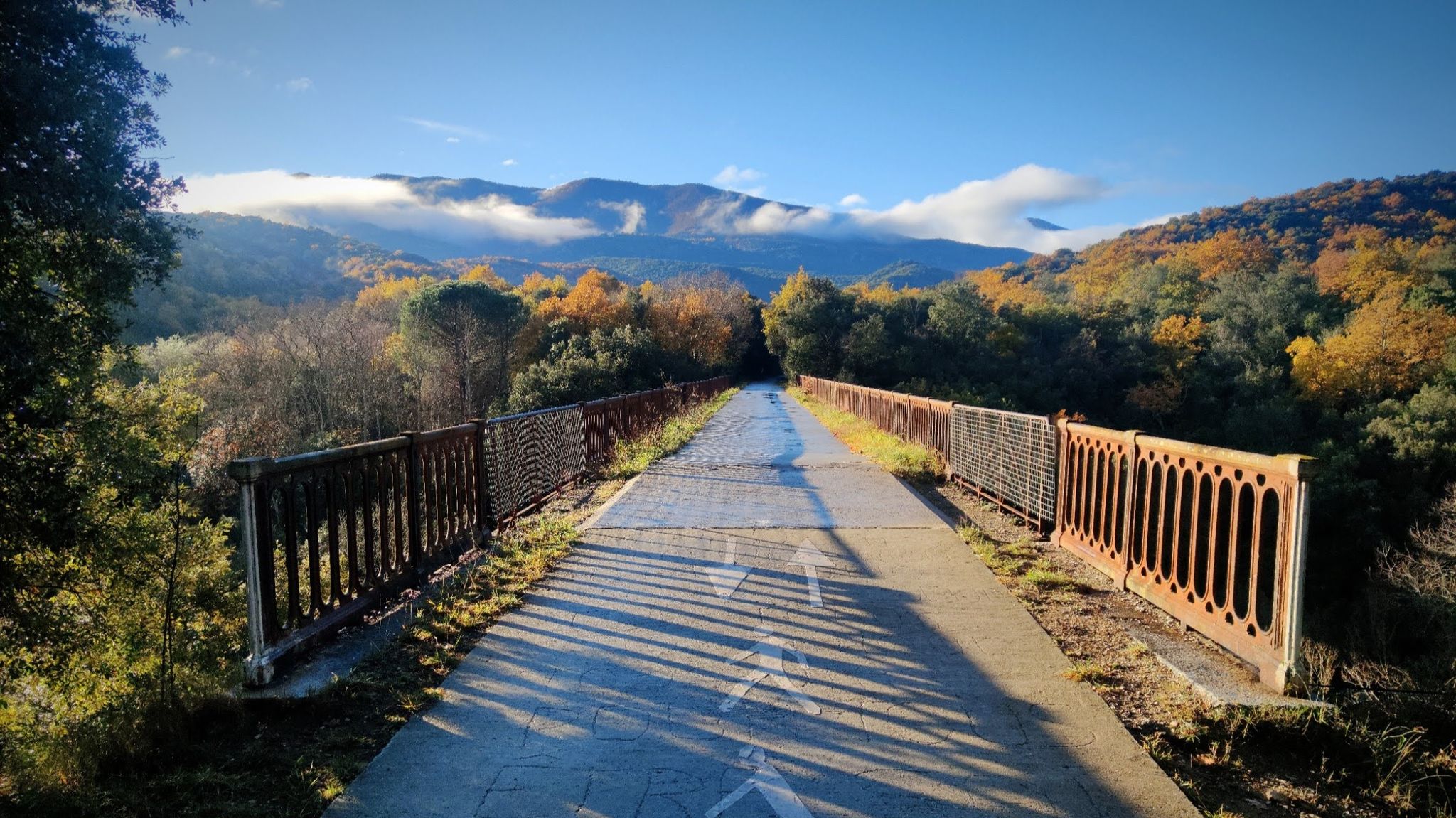
Landscapes and monuments of the Empordà plain by bike -- Pirinexus
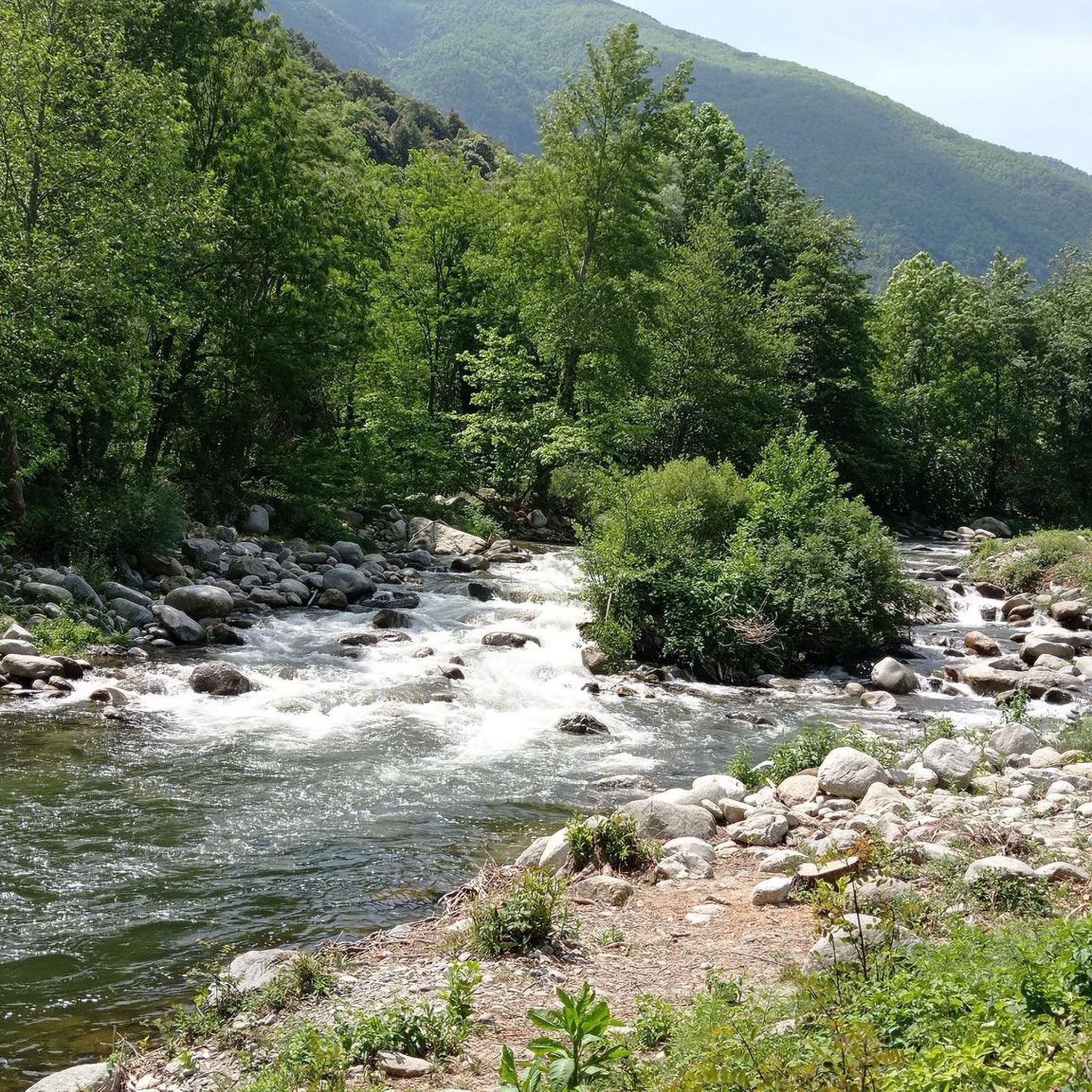
Road Cycling Routes around Arles-Sur-Tech
Hiking around Arles-Sur-Tech
Cycling around Arles-Sur-Tech
MTB Trails around Arles-Sur-Tech
Running Trails around Arles-Sur-Tech

Gravel biking around Arles-Sur-Tech
Other adventures around Arles-Sur-Tech


Tips from the Community

This pass was important as a passage between regions, especially in activities such as transhumance or the transport of goods. The snow wells that give the place its name were also key elements in the economy of the mountainous areas. The term "Pou de la Neu" refers to the snow or ice wells that were traditionally used to store snow during the winter. These structures, dug into the ground or built with stones, served to preserve ice that was later transported to the lower areas for use in food, medicine or food preservation.
1
0

The name of the place is called "Salt de Baoussous"
1
0

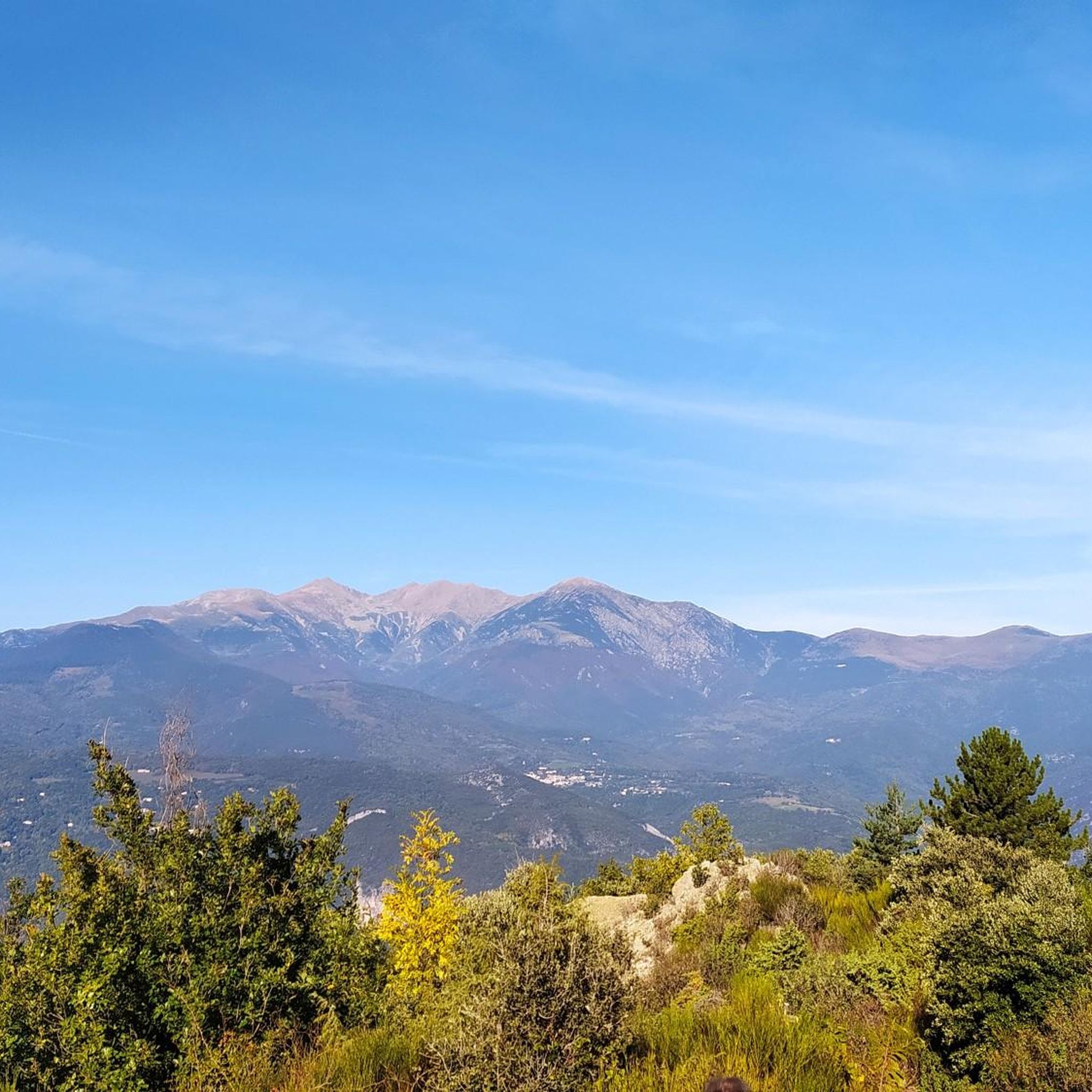
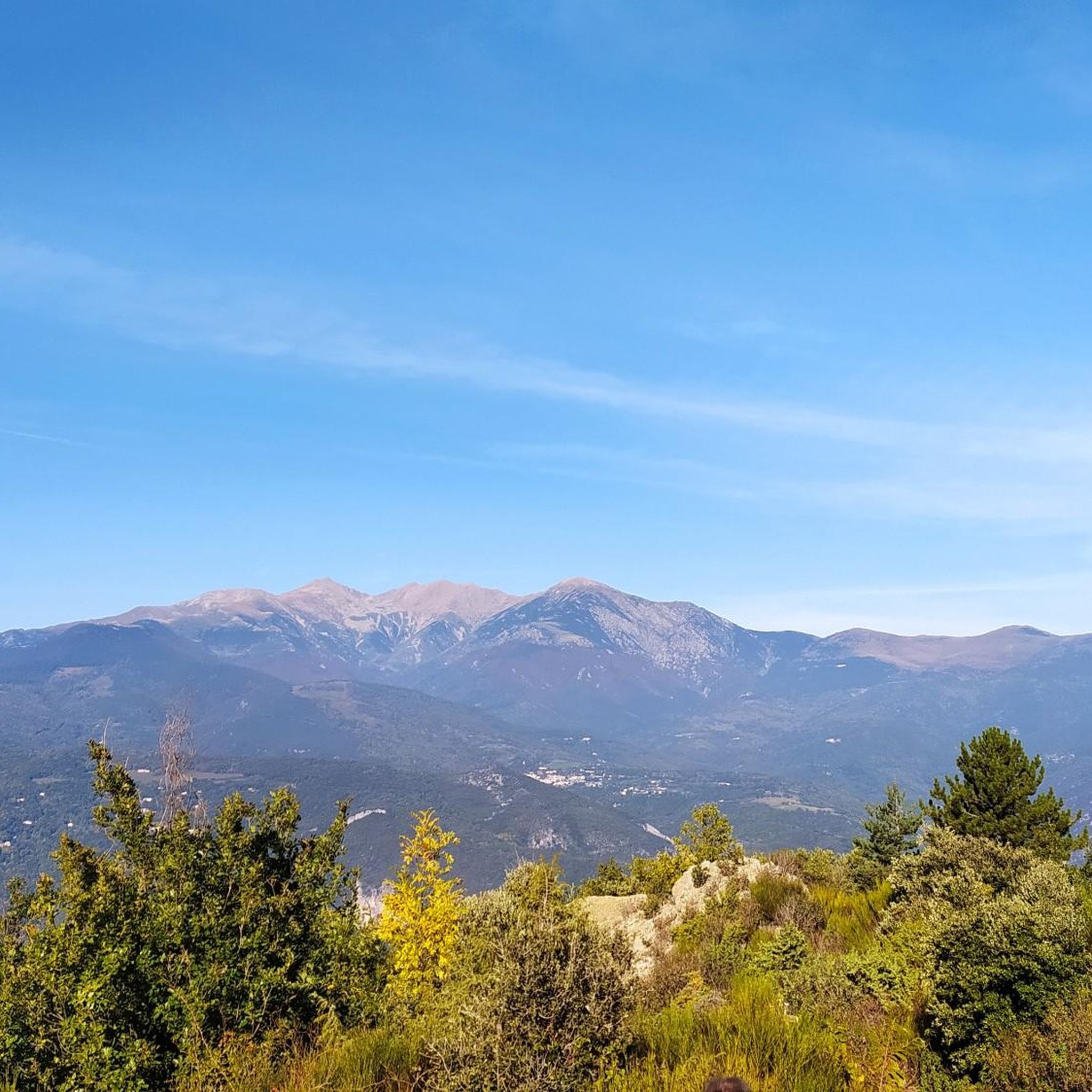
This hiking pass is a real hub of hiking trails that go to both France and Spain. The views there are magnificent.
3
1
This summit follows the ridge line which forms the Franco-Spanish border. To get there, you cross the imaginary line that separates the two countries and you leave the GR 10 for a few hundred meters. It is characterized by impressive rock formations.
1
0
This rocky promontory, also called Roc de France, is part of a series of “rocks” which crown the Salines massif. Together they form part of the Franco-Spanish border.
0
0

‼️⚠️ As with all bathing pools in river valleys, only get in when the weather is absolutely stable. When it rains, the water level can rise quickly!
1
0
2023: Due to the extreme drought and the poor water quality, swimming is no longer allowed in most of the pools. Here it goes ....
1
2

A pass through which hiking routes often lead,
13
0
Frequently Asked Questions
What are some of the most striking natural monuments near Arles-sur-Tech?
Beyond the local highlights, the region boasts several remarkable natural monuments. You can explore the dramatic Salt de Baoussous Waterfall, a natural waterfall nestled in a gorge. Further afield, the Pou de la Neu Pass offers expansive views and serves as a hub for hiking trails connecting France and Spain. The iconic Pic du Canigou, a significant mountain landmark, and the unique geological formations of the Orgues d'Ille-sur-Tet are also within reach.
Are there any challenging natural monuments for experienced hikers?
Yes, for experienced hikers seeking a challenge, the ascent to El Moixer Peak (1443 m) is a rewarding option. This summit follows the ridge line forming the Franco-Spanish border and features impressive rock formations. The Pic du Canigou, while not listed as a Komoot highlight in this guide, is also a popular and challenging destination for those looking for panoramic views from its 2,784-meter summit.
What kind of natural features can I expect to see around Arles-sur-Tech?
The region around Arles-sur-Tech is rich in diverse natural features. You'll find majestic mountain passes like Pou de la Neu Pass, impressive summits such as Puig de les Salines (Salines Peak), and beautiful waterfalls like Salt de Baoussous Waterfall. The area also features deep gorges, unique rock formations like the 'fairy chimneys' of Orgues d'Ille-sur-Tet, and panoramic viewpoints across the Pyrenees.
Are there family-friendly natural attractions near Arles-sur-Tech?
While specific 'family-friendly' categories aren't always assigned, many natural monuments can be enjoyed by families depending on the activity level. The Salt de Baoussous Waterfall offers a natural setting for observation. The Orgues d'Ille-sur-Tet, with its unique 'fairy chimney' rock formations, provides a fascinating and generally accessible landscape for leisurely exploration and photography, making it suitable for families.
What outdoor activities can I do near these natural monuments?
The natural monuments around Arles-sur-Tech are excellent starting points for various outdoor activities. You can find numerous hiking trails, including those leading to Puig de les Salines (Salines Peak) and Roc de Frausa. For more options, explore the hiking routes around Arles-Sur-Tech. The region also offers road cycling routes and mountain biking trails for different adventure levels.
What is the best time of year to visit the natural monuments in this region?
The best time to visit the natural monuments around Arles-sur-Tech generally depends on your preferred activity. Spring and autumn offer pleasant temperatures for hiking and exploring, with vibrant flora in spring and beautiful colors in autumn. Summer is ideal for enjoying waterfalls like Salt de Baoussous Waterfall, though some areas might experience drought conditions affecting water levels. Always check local weather forecasts before your visit, especially for higher elevations like Pic du Canigou.
Are there any natural monuments that are historically significant?
Yes, the region has natural monuments with historical significance. The Pou de la Neu Pass is not only a hub for hiking trails but also part of a historical site, reflecting its long-standing importance as a crossing point between France and Spain. Peaks like Puig de les Salines (Salines Peak) and Roc de Frausa also mark the Franco-Spanish border, highlighting their role in regional history and geography.
Can I bring my dog to the natural monuments and trails?
Many natural areas and trails in the Pyrénées-Orientales are dog-friendly, but it's always best to check specific regulations for each site. When visiting natural monuments like mountain passes or peaks, dogs are generally welcome on trails, often on a leash. For protected areas or specific attractions like the Gorges de la Fou or Orgues d'Ille-sur-Tet, it's advisable to verify their individual pet policies beforehand to ensure a smooth visit.
What are the Gorges de la Fou and how close are they to Arles-sur-Tech?
The Gorges de la Fou are a remarkable natural monument known as one of the deepest gorges in the Pyrenees, offering a dramatic experience with narrow, winding passages and sheer rock walls. They are located very close to Arles-sur-Tech, with some sources indicating they are less than one kilometer or about 3 kilometers away, making them easily accessible for a visit.
What is special about the Orgues d'Ille-sur-Tet?
The Orgues d'Ille-sur-Tet, located about 24 kilometers from Arles-sur-Tech, are renowned for their distinctive rock formations, often called 'fairy chimneys' or 'hoodoos.' These natural sculptures are carved by erosion, creating a unique and otherworldly landscape. Their striking appearance makes them a fascinating geological wonder and a popular spot for photography and leisurely exploration.
Are there any natural monuments that offer panoramic views?
Absolutely. Several natural monuments in the area provide breathtaking panoramic views. Pou de la Neu Pass is known for its magnificent vistas. Summits like Puig de les Salines (Salines Peak), El Moixer Peak, and Roc de Frausa all offer elevated viewpoints across the surrounding valleys and the Pyrenean peaks. The Pic du Canigou, though further, is also famous for its extensive panoramic outlook.
What should I bring when hiking to these natural monuments?
When hiking to natural monuments around Arles-sur-Tech, it's essential to be prepared. Always carry sufficient water, especially during warmer months. Wear appropriate hiking footwear and clothing suitable for varying weather conditions, as mountain weather can change quickly. Sun protection (hat, sunscreen) is recommended, and a map or GPS device is useful for navigation, particularly on longer trails or those crossing borders like at Pou de la Neu Pass.
Most popular routes around Arles-Sur-Tech
Most popular attractions around Arles-Sur-Tech

Get inspired with the komoot mobile app


Explore more
Extend your search for the best caves by checking out these guides of the top ones around Arles-Sur-Tech:
