Top 11 Natural Monuments around Oreilla
Best natural monuments around Oreilla are situated in the Pyrénées-Orientales department of France, within the Pyrénées Catalanes Regional Natural Park. This region is characterized by its mountainous terrain and diverse ecosystems, including two Natura 2000 sites and three Zones Naturelles d'Intérêt Écologique, Faunistique et Floristique (ZNIEFF). These protected areas contribute to the ecological richness of the commune, preserving significant natural features and habitats. The area offers opportunities to experience pristine Pyrenean landscapes and observe local flora and fauna.
Best natural…
Last updated: August 15, 2026
Roc de la Foradada
Highlight • Natural Monument
Showing Translation
Tip by

Col Mitjà
Highlight • Mountain Pass
Translated by Google •
Tip by

Sign up now to discover places like this
Get recommendations on the best single tracks, peaks, & plenty of other exciting outdoor places.
Sign up for free
Carança Gorge
Highlight • Gorge
The gorges can be explored on foot, via walkways and ledges dug in 1943 …
Translated by Google •
Tip by

Knickpoint of the Têt
Highlight • Natural Monument
Translated by Google •
Tip by

Refuge d'Oller
Highlight • Mountain Hut
Translated by Google •
Tip by

Sign up for free to discover even more natural monuments around Oreilla.
Sign up for free
Already have an account?
Start today with a free account
Your next adventure awaits.
Login or Signup
Tips from the Community

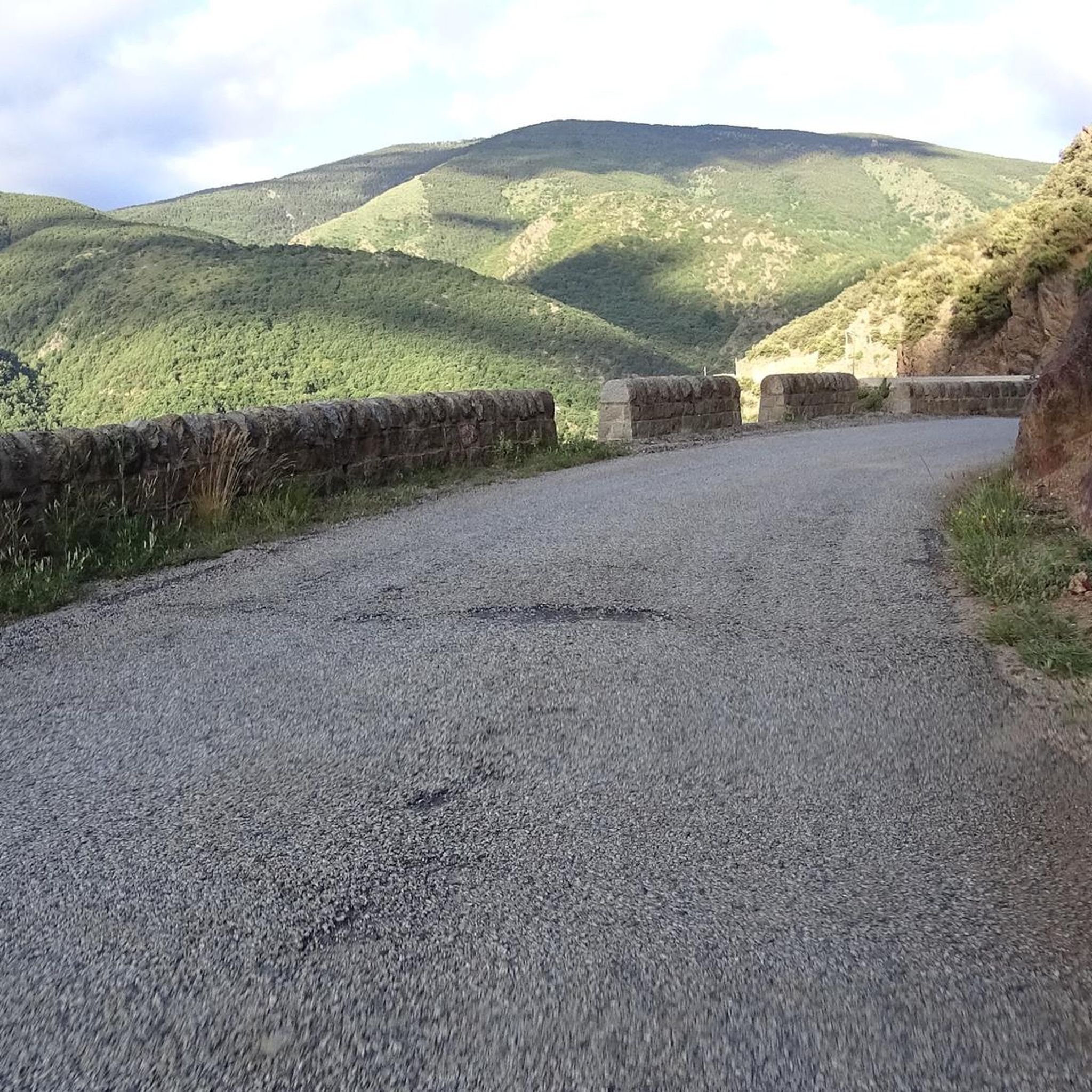
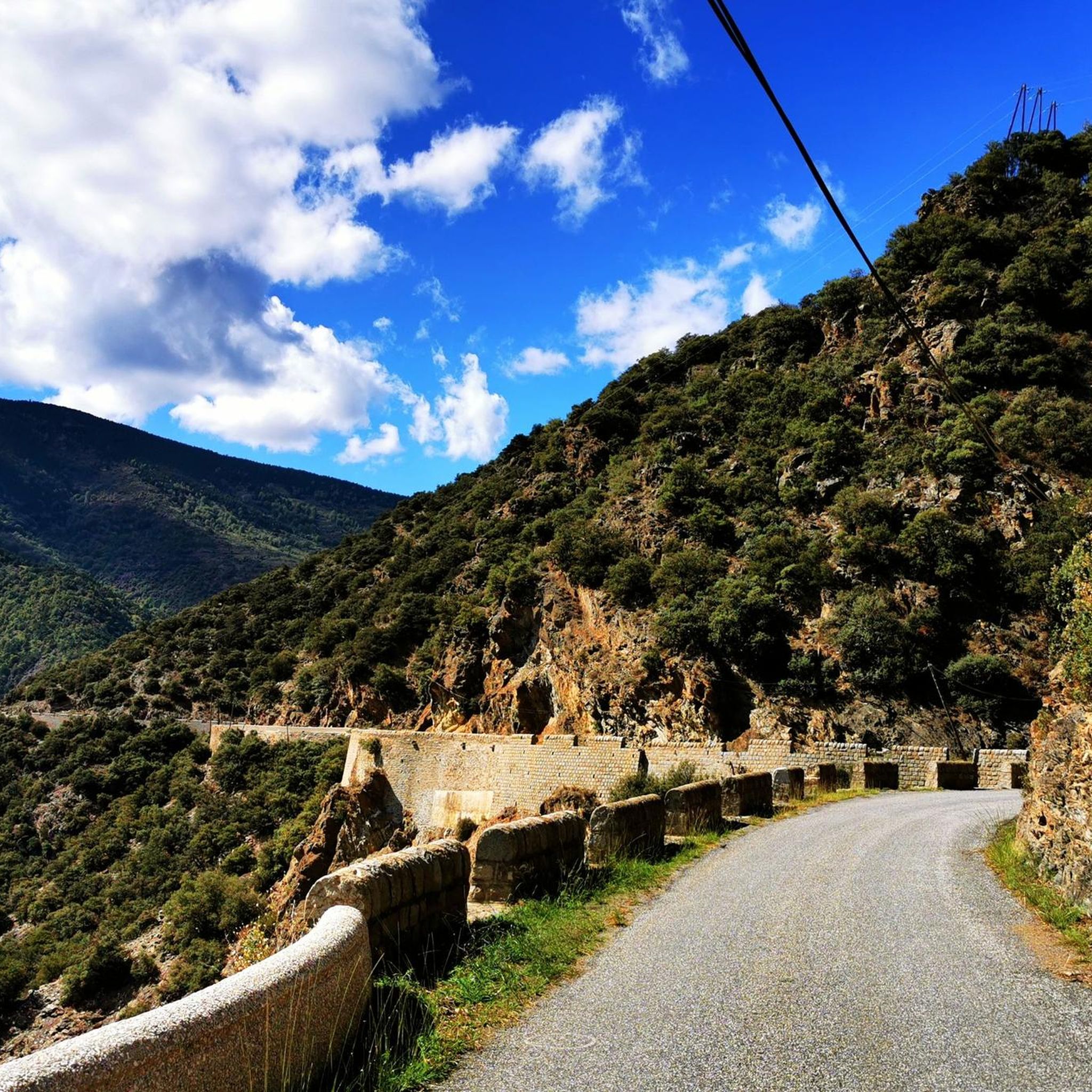
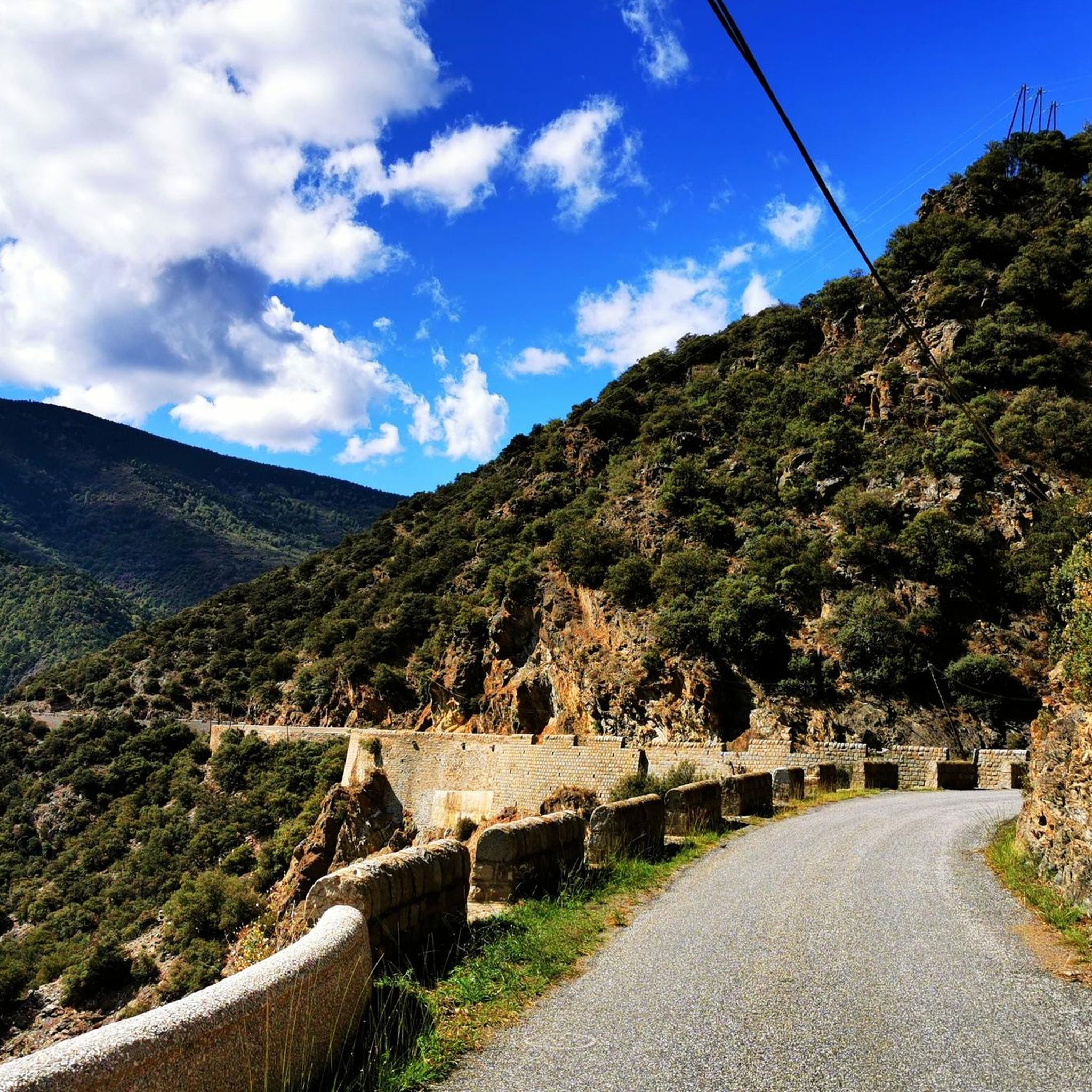
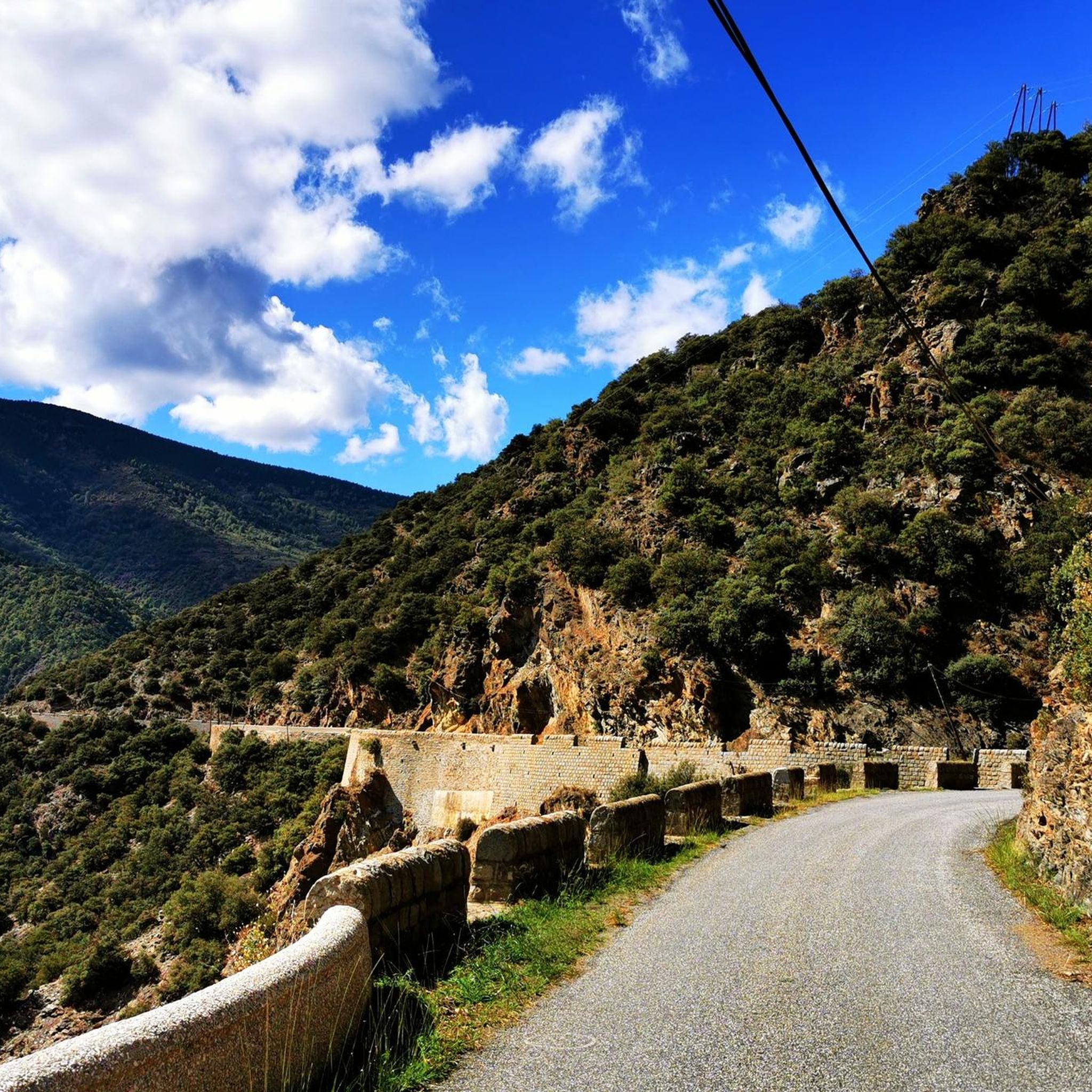
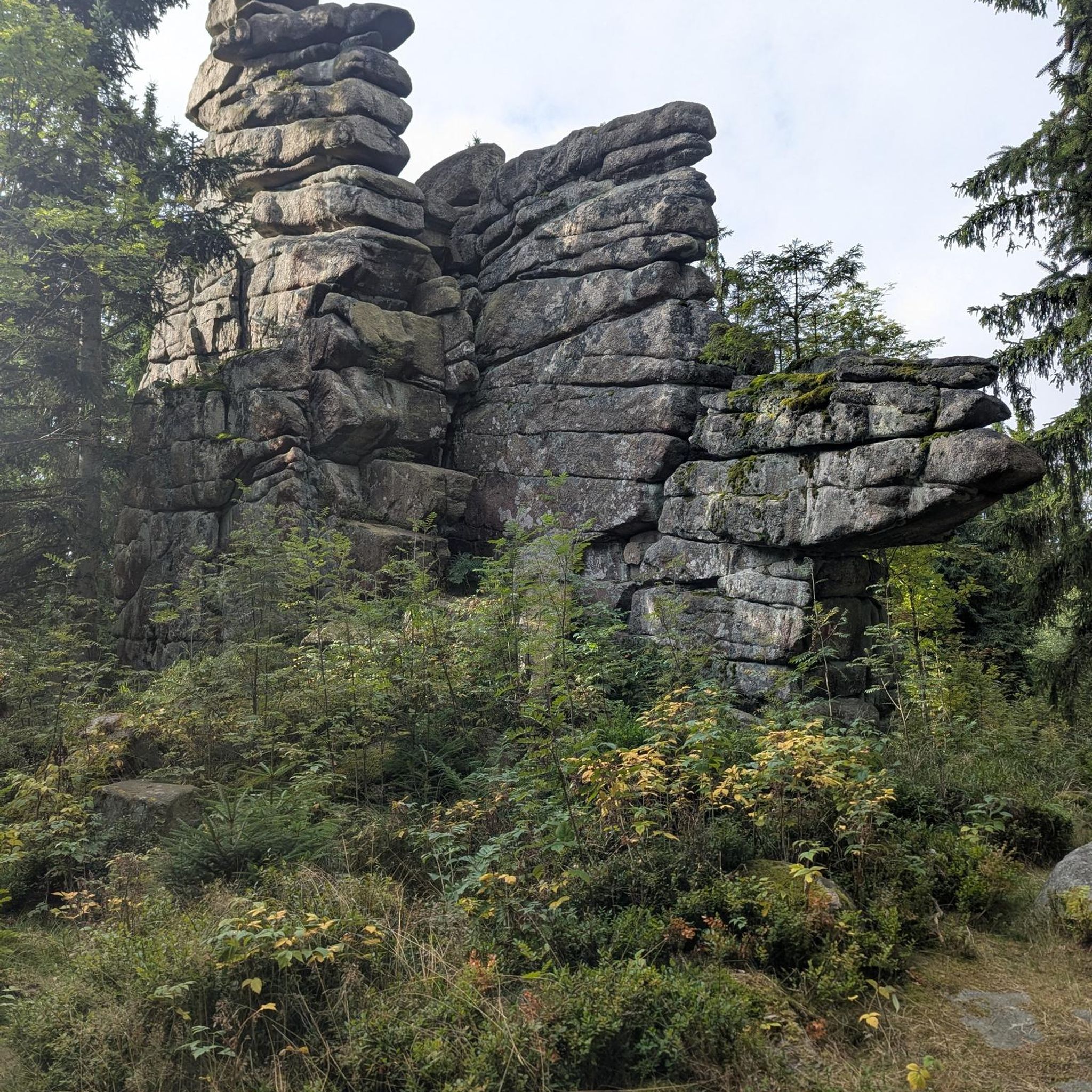
It is a path carved into the rock, hence its name. If you have a bit of courage, you will enjoy an exciting adventure walking through here.
1
0

These dizzying gorges are the starting point for hikes to the lake of the same name. The gorges can be explored on foot, via walkways and ledges dug in 1943 to serve the construction site during the drilling of the tunnel that collected water from the Carança River for the Thuès hydroelectric power plant.
14
0
Beautiful point to look around and let each other pass
15
0


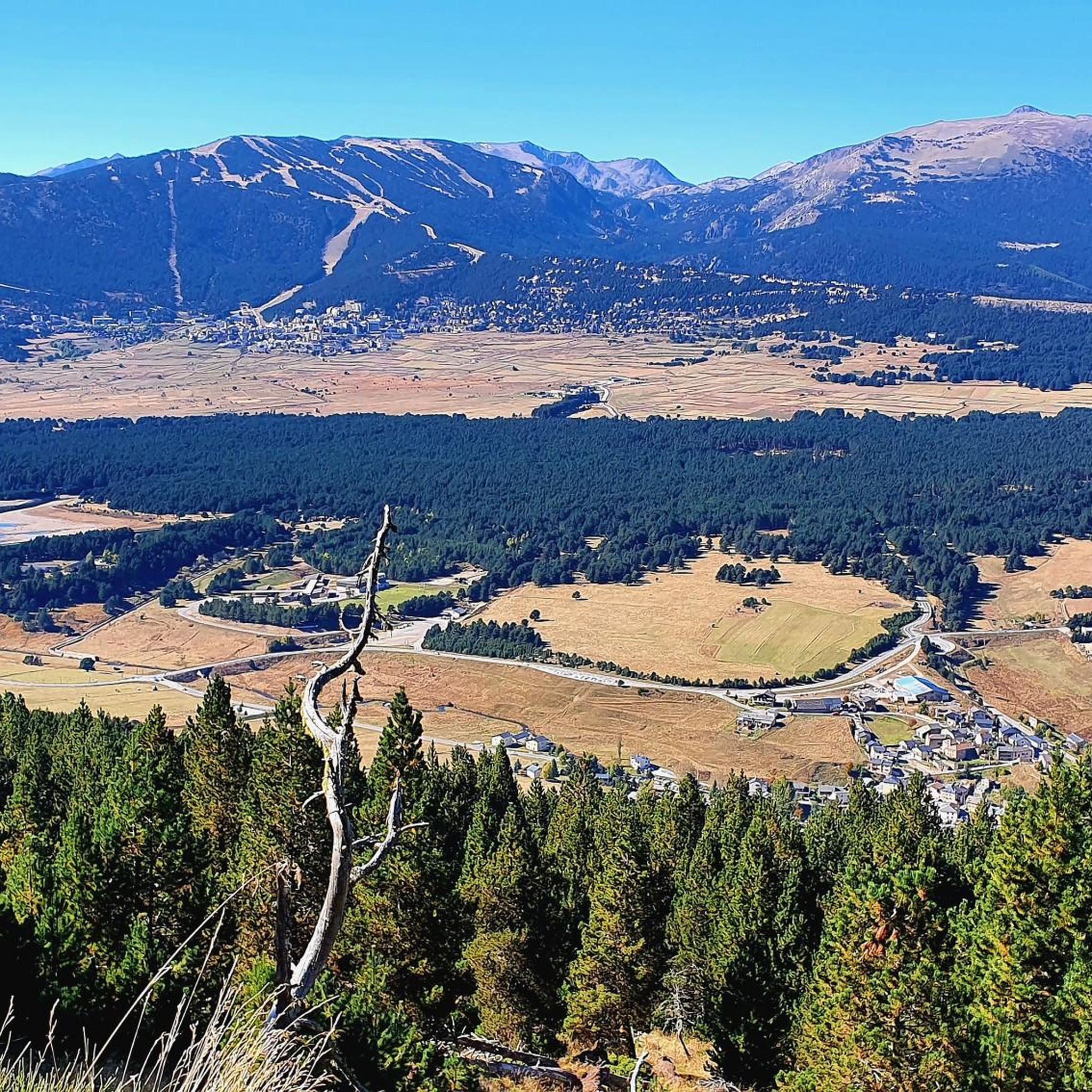
Going up the village to the antennas allows you to have a breathtaking view of the upper Têt valley. The eastern end of the Perche plateau, which carries Mont-Louis, La Cabanasse, Saint-Pierre and Planès, is dissected by the Têt and its tributaries. The landscape changes radically in a few hundred meters, the valley steepening by 500m. This topographic break point in the profile of a watercourse is called a *knick point*. It marks the place where regressive erosion has reached today following the global uplift that the region has been undergoing for around 10 Ma.
2
0
The path leaving the village offers a last view of the Cerdan landscape and the Perche plateau before heading towards the mountainous landscapes of the Orri valley. This final glance is an opportunity to visualize the layout of the three generations of flattening: the Carlit and Campcardos plateaus, the Carlit ponds and the Perche and Quillane plateaus. We can also see the imprint that the ice has left on the landscape. The tongue of ice which descended the Têt valley barely 25,000 years ago tore up, transported and deposited approximately 50 m of blocks which today form the magnificent frontal moraine of Mont-Louis and which is highlighted by the forest.
1
0

The Oller refuge (not guarded) is located halfway up the Pic de Madrès from Odeillo. From this point, you will have privileged views over places such as Puyvalador and its lake, the old station and the Pic de Ginèvre area, the Llissa Cremada, etc. As for the shelter, it is not very big but it is very pleasant and well equipped. It has bunk beds for four people, a stove and firewood, some books, maps...
0
0
The Oller refuge (not guarded) is located halfway up the Pic de Madrès from Odeillo. From this point, you will have privileged views over places such as Puyvalador and its lake, the old station and the Pic de Ginèvre area, the Llissa Cremada, etc. As for the shelter, it is not very big but it is very pleasant and well equipped. It has bunk beds for four people, a stove and firewood, some books, maps...
1
0
Frequently Asked Questions
What unique natural features can I explore around Oreilla?
The Oreilla region, situated within the Pyrénées Catalanes Regional Natural Park, offers a variety of unique natural features. You can discover impressive geological formations like Roc de la Foradada, a narrow passage cut into rock, and the Knickpoint of the Têt, which showcases significant topographic changes due to erosion. The area also features high-altitude mountain passes such as Col Mitjà, offering expansive views, and the relaxing Natural Hot Spring of Thuès-les-Bains.
Which natural monuments are most popular with visitors in Oreilla?
Among the natural monuments around Oreilla, Roc de la Foradada is highly popular, known for its impressive narrow rock passage and scenic viewpoint. Another favorite is Col Mitjà, a mountain pass at 2,367 meters that offers wonderful panoramic views and connects the Carança and Riberola valleys. The Natural Hot Spring of Thuès-les-Bains is also a beloved spot for its warm, sulfurous waters.
Are there any natural hot springs to visit near Oreilla?
Yes, you can visit the Natural Hot Spring of Thuès-les-Bains. This natural sulfurous hot spring features very hot water at the top that gradually cools as it flows into various pools below, providing a unique natural bathing experience.
What kind of geological formations can I see in the Oreilla region?
The Oreilla region is rich in geological formations. You can explore Roc de la Foradada, a natural monument featuring a gorge with a distinctive narrow passage cut into the rock. Another significant site is the Knickpoint of the Têt, a topographic break point where the Têt valley steepens dramatically, illustrating the effects of regressive erosion and regional uplift over millions of years.
What outdoor activities can I do near the natural monuments in Oreilla?
The area around Oreilla's natural monuments offers diverse outdoor activities. You can enjoy road cycling on routes like the 'Coll de la Llose and Lake Matemale Loop' or 'Ascent of Mont-Louis and col de la Llose'. For touring cyclists, options include 'From Olette to lake Matemale' or the 'Lake Trail – Lake Matemale loop'. Hiking is also popular, with trails such as 'Oreilla Tower – Saint-André d'Évol Church loop' and 'Chemin botanique loop'. Find more details on these activities in the Road Cycling Routes around Oreilla, Cycling around Oreilla, and Hiking around Oreilla guides.
Are there hiking opportunities around Oreilla's natural monuments?
Yes, there are several hiking opportunities. You can explore trails like the 'Oreilla Tower – Saint-André d'Évol Church loop' (moderate, 8.6 km) or the 'Chemin botanique loop' (moderate, 8.5 km) starting from Olette. For more challenging hikes, consider the 'Lake Caudiès – Col de Juell 1,500 m loop' (difficult, 15.9 km) from Railleu. These routes allow you to experience the diverse landscapes and natural monuments of the region. More hiking options are available in the Hiking around Oreilla guide.
Can I observe wildlife at the natural monuments in Oreilla?
Yes, the Oreilla region is part of the Pyrénées Catalanes Regional Natural Park and includes Natura 2000 sites within the Massif du Madres-Coronat. These protected areas are ecologically significant, supporting diverse ecosystems and rare fauna. Birdwatching is particularly rewarding, with 17 species listed in Annex I of the Birds Directive, including the majestic Bearded Vulture (Gypaète barbu), making it an excellent area for wildlife observation.
What are the difficulty levels for visiting natural monuments around Oreilla?
The difficulty levels vary depending on the specific natural monument and the approach route. For instance, Roc de la Foradada is generally considered intermediate. High-altitude passes like Col Mitjà and viewpoints like Refuge d'Oller can range from intermediate to challenging due to elevation and terrain. The Natural Hot Spring of Thuès-les-Bains is also rated intermediate. It's advisable to check specific route details for each location.
Are there any family-friendly natural monuments or activities in Oreilla?
While specific 'family-friendly' categories aren't listed for individual natural monuments, the general appeal of the region's natural beauty can be enjoyed by families. Gentle sections of hiking trails, such as the 'Évol Castle – Saint-André d'Évol Church loop' (easy, 3.6 km) from Olette, could be suitable. The Natural Hot Spring of Thuès-les-Bains might also be an interesting and relaxing experience for families, with pools of varying temperatures.
What is the best time to visit the natural monuments in Oreilla?
The best time to visit the natural monuments in Oreilla largely depends on the activities you plan. Spring and autumn offer pleasant temperatures for hiking and cycling, with vibrant flora or colorful foliage. Summer is ideal for enjoying the higher mountain passes and the hot springs. Winter can offer opportunities for snowshoeing or winter hikes, especially in areas like the Massif du Madres-Coronat, but requires appropriate gear and experience due to potential snow and colder conditions.
Are there any viewpoints offering panoramic scenery around Oreilla?
Yes, several natural monuments in the Oreilla area offer spectacular panoramic views. Col Mitjà, peaking at 2,367 meters, is renowned for its wonderful viewpoint connecting two valleys. The Refuge d'Oller also provides privileged views over areas like Puyvalador and its lake. Additionally, the Knickpoint of the Têt offers breathtaking views of the upper Têt valley.
What makes the Massif du Madres-Coronat significant for nature lovers?
The Massif du Madres-Coronat, which includes Natura 2000 sites near Oreilla, is highly significant for nature lovers due to its status as a European ecological network. Spanning over 21,000 hectares, it features diverse mountainous terrain and habitats. It is particularly important for birdwatching, as it supports 17 species listed in Annex I of the Birds Directive, including the rare Bearded Vulture. This area provides exceptional opportunities to experience pristine Pyrenean landscapes and observe protected flora and fauna.
Most popular routes around Oreilla
Most popular attractions around Oreilla

Get inspired with the komoot mobile app


Explore more
Extend your search for the best caves by checking out these guides of the top ones around Oreilla:
