Top 4 Natural Monuments around Léotoing
Best natural monuments around Léotoing feature a blend of striking geological formations and historically shaped landscapes. The region is characterized by imposing limestone cliffs, deep gorges, and ancient terraced hillsides. These natural features are often intertwined with human history, showcasing traditional land use and ongoing conservation efforts. The area offers diverse natural landmarks and viewpoints for exploration.
Best natural monuments around Léotoing
- The most popular natural monuments is Fairy Chimneys of the Vallon des Fosses, a natural gorge located…
Last updated: June 22, 2026
Fairy Chimneys of the Vallon des Fosses
Highlight • Natural Monument
Translated by Google •
Tip by

Mottes Cliffs
Highlight • Natural Monument
Translated by Google •
Tip by
Sign up now to discover places like this
Get recommendations on the best single tracks, peaks, & plenty of other exciting outdoor places.
Sign up for free
Chadecol site
Highlight • Historical Site
Translated by Google •
Tip by

View of Blesle and the Chadecol Organ Pipes
Highlight • Viewpoint
Translated by Google •
Tip by
The Roman Spring of Bard
Highlight • Natural Monument
Translated by Google •
Tip by

Start today with a free account
Your next adventure awaits.
Login or Signup


Tips from the Community

The Colorado Auvergne: a magical place with red cliffs of several sedimentary layers. The first layers date back more than 400 million years. The upper part of the cliff was created by a lava flow.
0
0

By visiting the Falaise des Mottes in Boudes, you will discover a unique and captivating geological wonder. This natural site is renowned for its imposing limestone cliffs that rise above the surrounding landscape. The striking rock formations, sculpted by millennia-old natural forces, make it a favorite spot for mountain climbers. The views from the foot of the cliffs are impressive. La Falaise des Mottes is a great destination for anyone seeking outdoor adventure or simply wanting to appreciate the raw beauty of nature.
2
0
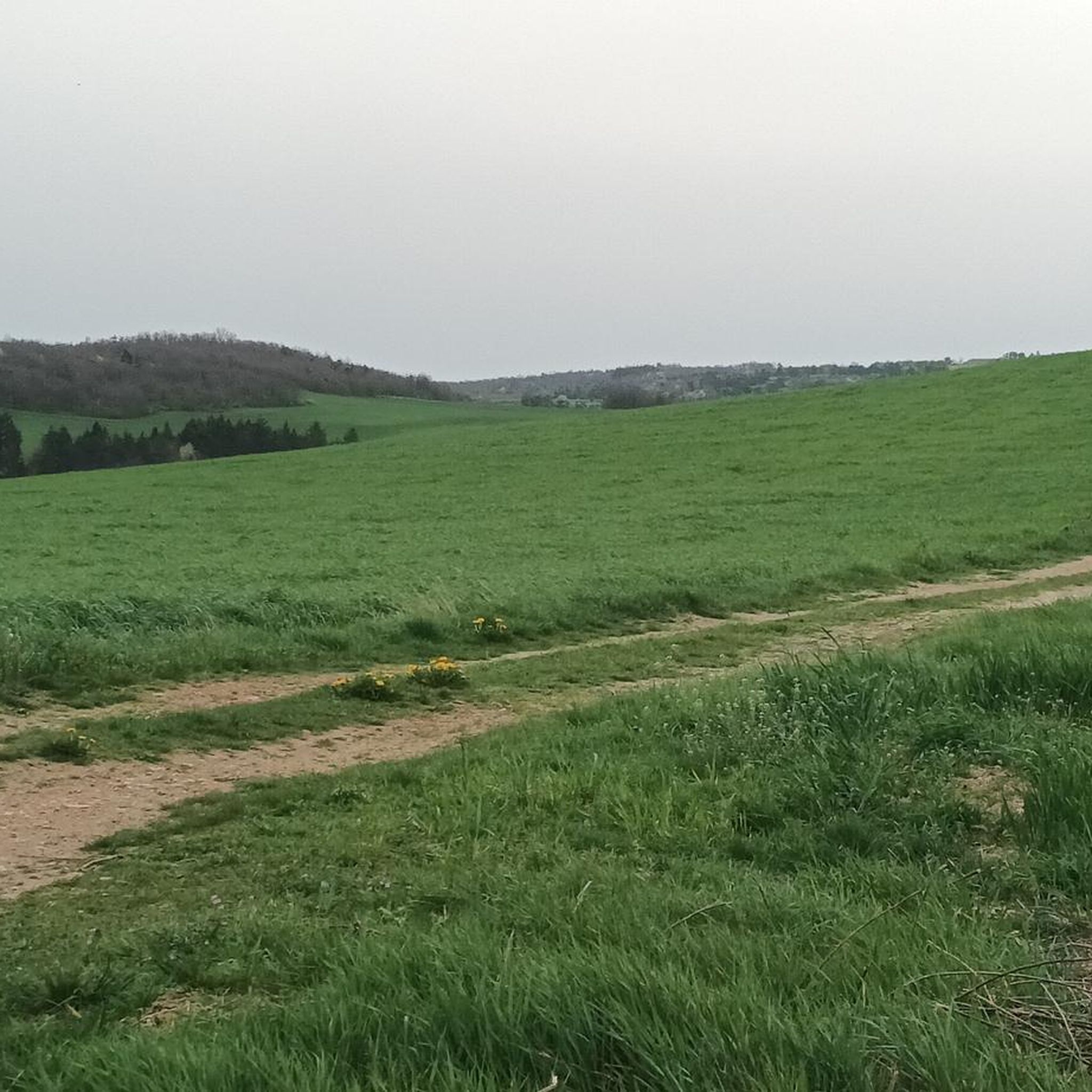
The Vallon des Fosses is a stunning natural gorge located in the Boudes region of Auvergne. This secluded and unspoilt gem is a paradise for nature lovers and outdoor enthusiasts. As you explore this region, you'll discover deep gorges, lush vegetation, and meandering streams, all against the backdrop of the rugged French Alps. The landscape changes with the seasons, from the vibrant foliage of fall to the fresh greenery of spring and early summer, offering something special no matter when you visit. It's a plan to immerse yourself in the tranquility of nature, capture breathtaking landscapes with your camera and discover the untouched beauty of the Auvergne region.
2
0

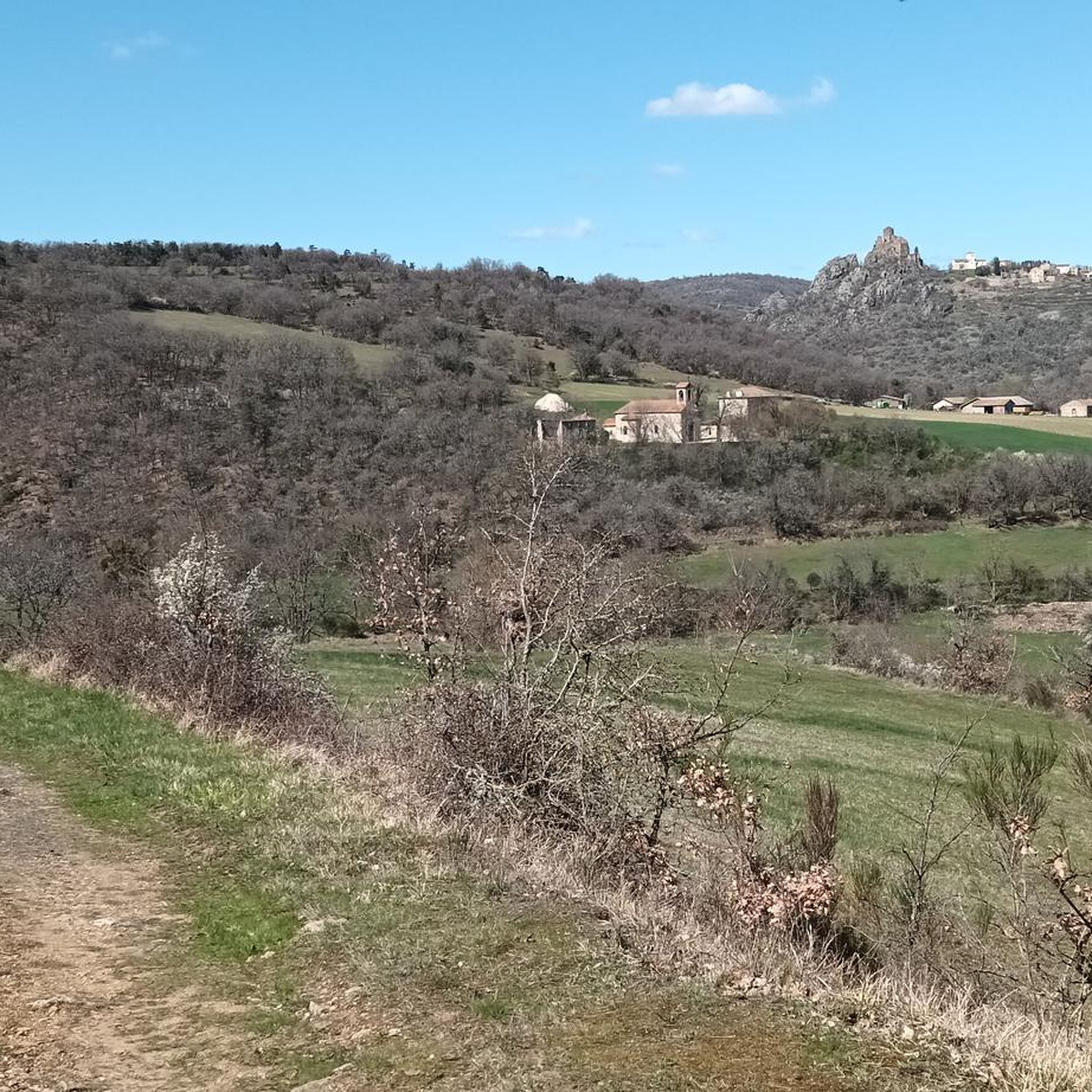
The site of Chadecol is a magical place steeped in history since the 350-meter-long wall surrounding the old village of Chadecol (of which vestiges still exist) dates back to the Neolithic period.
1
0
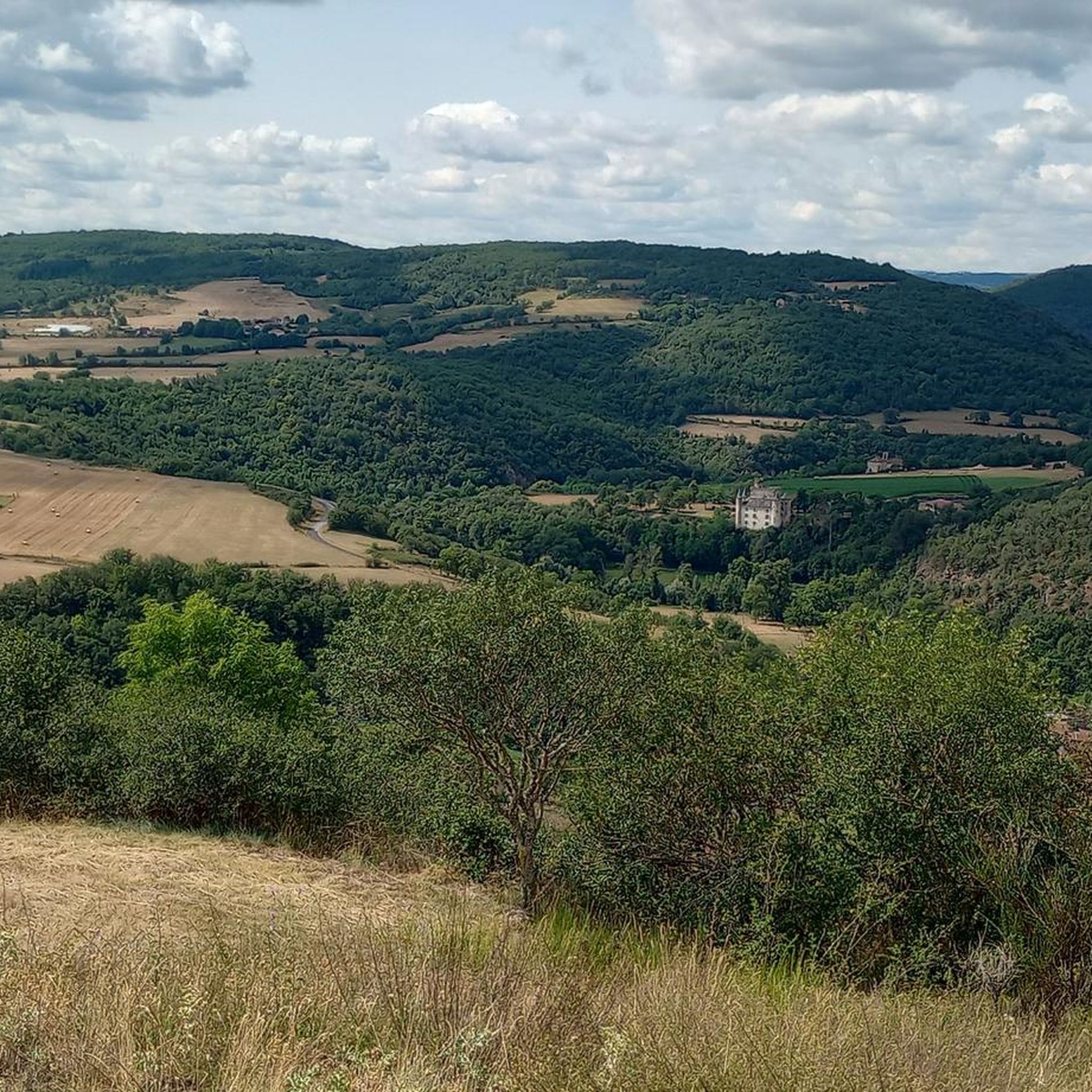
Path which allows you to gain height over Blesle (classified among the most beautiful villages in France) and which allows you to discover the organs of Chadecol which dominate the valley.
0
0
Landscaped platform overlooking numerous fairy chimneys in the valley.
0
0

A bubbling source very old (Roman era) rediscovered in 1882. Water cure, it is not recommended to drink in times of high attendance.
2
0
Frequently Asked Questions
What are some of the most striking natural features to see around Léotoing?
The region around Léotoing offers a blend of impressive geological formations. You can explore the imposing limestone cliffs at Mottes Cliffs, which are popular for their dramatic rock formations. Another notable site is the Fairy Chimneys of the Vallon des Fosses, a secluded natural gorge with deep ravines and lush vegetation.
Are there any natural monuments with historical significance near Léotoing?
Yes, the Chadecol site is a magical place steeped in history, with vestiges of a 350-meter-long wall dating back to the Neolithic period. Additionally, The Roman Spring of Bard is a very old bubbling source rediscovered in 1882, hinting at ancient Roman presence.
What makes the Terrasses de Léotoing unique?
The Terrasses de Léotoing are a unique blend of natural landscape and historical human intervention. These dry stone terraces, extending from the village's medieval fortress to the Alagnon valley, were historically used for cultivating vineyards and fruit trees. After more than a century of abandonment, local associations are now restoring and re-cultivating them, preserving biodiversity and serving as an experimental site for climate change adaptation. You can explore a biodiversity interpretation trail through the terraces. For more information, you can visit tourisme-brioudesudauvergne.fr.
What kind of wildlife can I expect to see around the natural monuments?
The diverse landscapes, from deep gorges to restored terraces, support a variety of local plant species. This rich flora, particularly in areas like the Vallon des Fosses and the Terrasses de Léotoing, creates habitats for various insects, birds, and small mammals. Keep an eye out for local birdlife and other small creatures adapted to these environments.
Are there family-friendly natural monuments around Léotoing?
While specific 'family-friendly' categories aren't always assigned, many natural monuments offer accessible paths suitable for families. The biodiversity interpretation trail at the Terrasses de Léotoing, with its focus on plants and history, can be engaging for children. Gentle walks around the base of the Mottes Cliffs or through the Vallon des Fosses can also be enjoyed by families, though some areas may have uneven terrain.
Can I bring my dog to the natural monuments?
Many outdoor areas in France are dog-friendly, especially on trails. However, it's always best to keep dogs on a leash to protect local wildlife and ensure the comfort of other visitors. Check local signage at specific sites for any restrictions, particularly in protected natural areas or cultivated terraces.
What is the best time of year to visit the natural monuments around Léotoing?
The landscape around Léotoing changes beautifully with the seasons. Spring and early summer offer fresh greenery and vibrant flora, while autumn brings stunning foliage, especially in areas like the Vallon des Fosses. These seasons generally provide pleasant temperatures for exploration. Winter can offer a different, stark beauty, but some paths might be more challenging due to weather conditions.
Are the natural monuments around Léotoing accessible for everyone?
Accessibility varies by site. While some viewpoints and paths may be relatively flat, many natural monuments, such as the Fairy Chimneys of the Vallon des Fosses or the Mottes Cliffs, involve natural, uneven terrain that might not be suitable for wheelchairs or those with limited mobility. The Terrasses de Léotoing, being a terraced landscape, also involves inclines. It's advisable to check specific trail conditions if accessibility is a concern.
What outdoor activities can I do near the natural monuments around Léotoing?
The region around Léotoing is excellent for various outdoor activities. You can find numerous routes for gravel biking, road cycling, and mountain biking. For example, there are challenging gravel biking routes like the "View of Léotoing castle – Blesle loop from Augnat" or moderate MTB trails such as "Lempdes-sur-Allagnon – View of Léotoing castle loop from Arvant." You can explore more options on the dedicated guides for Gravel biking around Léotoing, Road Cycling Routes around Léotoing, and MTB Trails around Léotoing.
Are there hiking trails near these natural monuments?
Yes, the natural monuments are often integrated into hiking networks. For instance, the path to the View of Blesle and the Chadecol Organ Pipes offers elevated perspectives and allows you to discover the impressive geological formations. The Vallon des Fosses is also ideal for nature walks. Many of the cycling routes mentioned in the guides for Gravel biking around Léotoing, Road Cycling Routes around Léotoing, and MTB Trails around Léotoing can also be adapted for hiking or walking, offering various distances and difficulties.
What do visitors particularly enjoy about the natural monuments in this region?
Visitors frequently appreciate the raw beauty and geological wonders, such as the imposing limestone cliffs of the Mottes Cliffs. The secluded and unspoiled nature of the Fairy Chimneys of the Vallon des Fosses is also a highlight for nature lovers. The blend of natural landscapes with historical elements, like the ancient Terrasses de Léotoing, offers a unique journey through both nature and human heritage.
Are there any hidden gems among the natural monuments around Léotoing?
While the main natural monuments are well-known, the Fairy Chimneys of the Vallon des Fosses is often described as a secluded and unspoiled gem, offering a tranquil escape into nature. The ongoing restoration of the Terrasses de Léotoing also presents a unique opportunity to witness a living historical landscape and its evolving biodiversity.
Most popular routes around Léotoing
Most popular attractions around Léotoing

Get inspired with the komoot mobile app


Explore more
Extend your search for the best caves by checking out these guides of the top ones around Léotoing:
