Top 10 Natural Monuments around Ria-Sirach
Best natural monuments around Ria-Sirach, a commune in the Pyrénées-Orientales department of southern France, are characterized by diverse and captivating natural features. This region is rich in majestic mountain landscapes, unique geological formations, and underground wonders. Ria-Sirach is nestled in an area that offers a range of experiences for outdoor enthusiasts. The natural environment provides opportunities for hiking, cycling, and wildlife observation.
Best natural monuments around Ria-Sirach
- The most popular natural monuments is Canigou, a summit that is considered…
Last updated: July 6, 2026
Canigou
Highlight • Summit
Translated by Google •
Tip by

Pic de la Pena
Highlight • Summit
Tour to the highlight: komoot.de/tour/340851629?ref=itd
Translated by Google •
Tip by

Sign up now to discover places like this
Get recommendations on the best single tracks, peaks, & plenty of other exciting outdoor places.
Sign up for free
The Estanyol
Highlight • Lake
Translated by Google •
Tip by

Refuge de Bonne-Aigue
Highlight • Mountain Hut
It is open all year round to hikers.
Translated by Google •
Tip by
Falguerosa Peak
Highlight • Summit
Translated by Google •
Tip by

Sign up for free to discover even more natural monuments around Ria-Sirach.
Sign up for free
Already have an account?
Start today with a free account
Your next adventure awaits.
Login or Signup

Tips from the Community

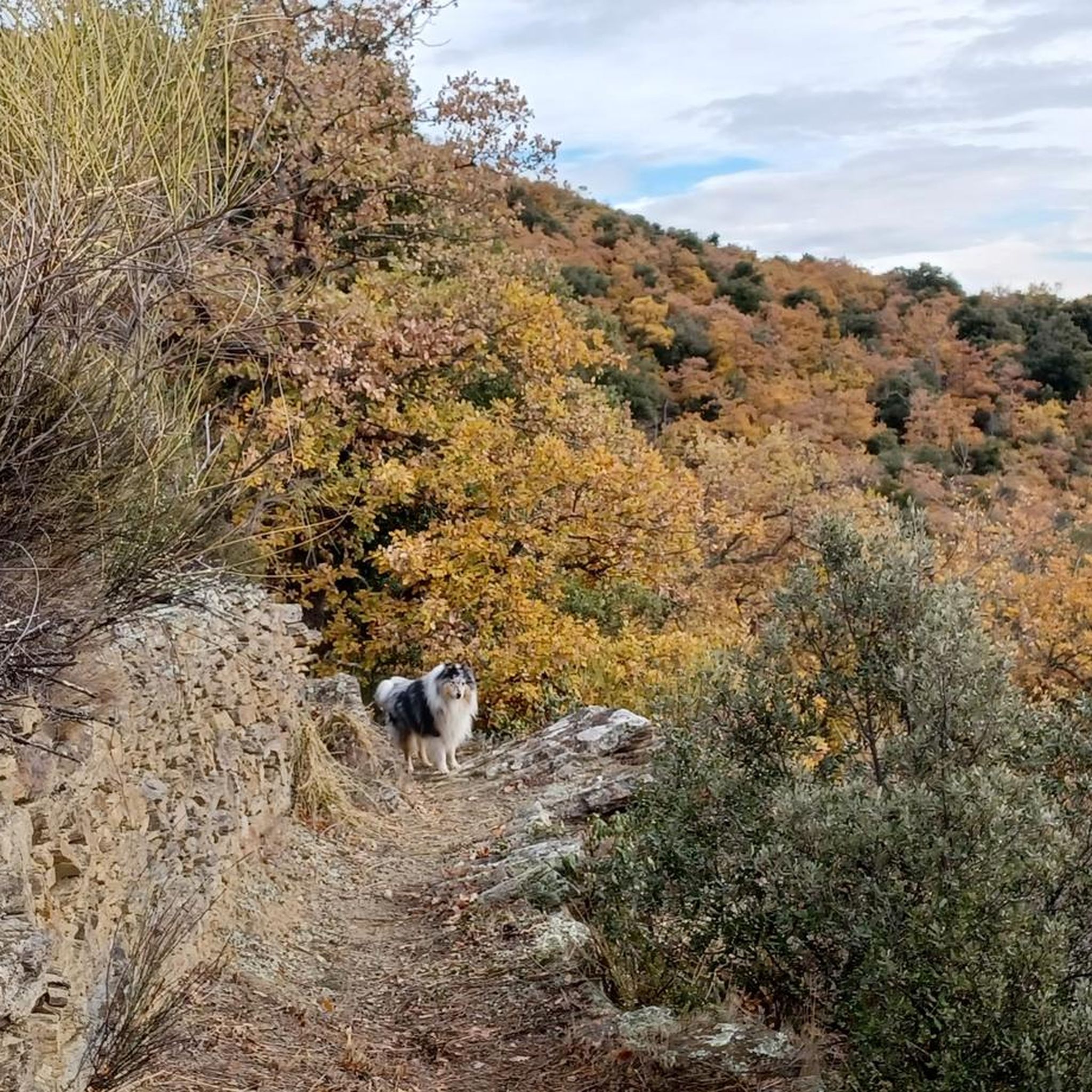
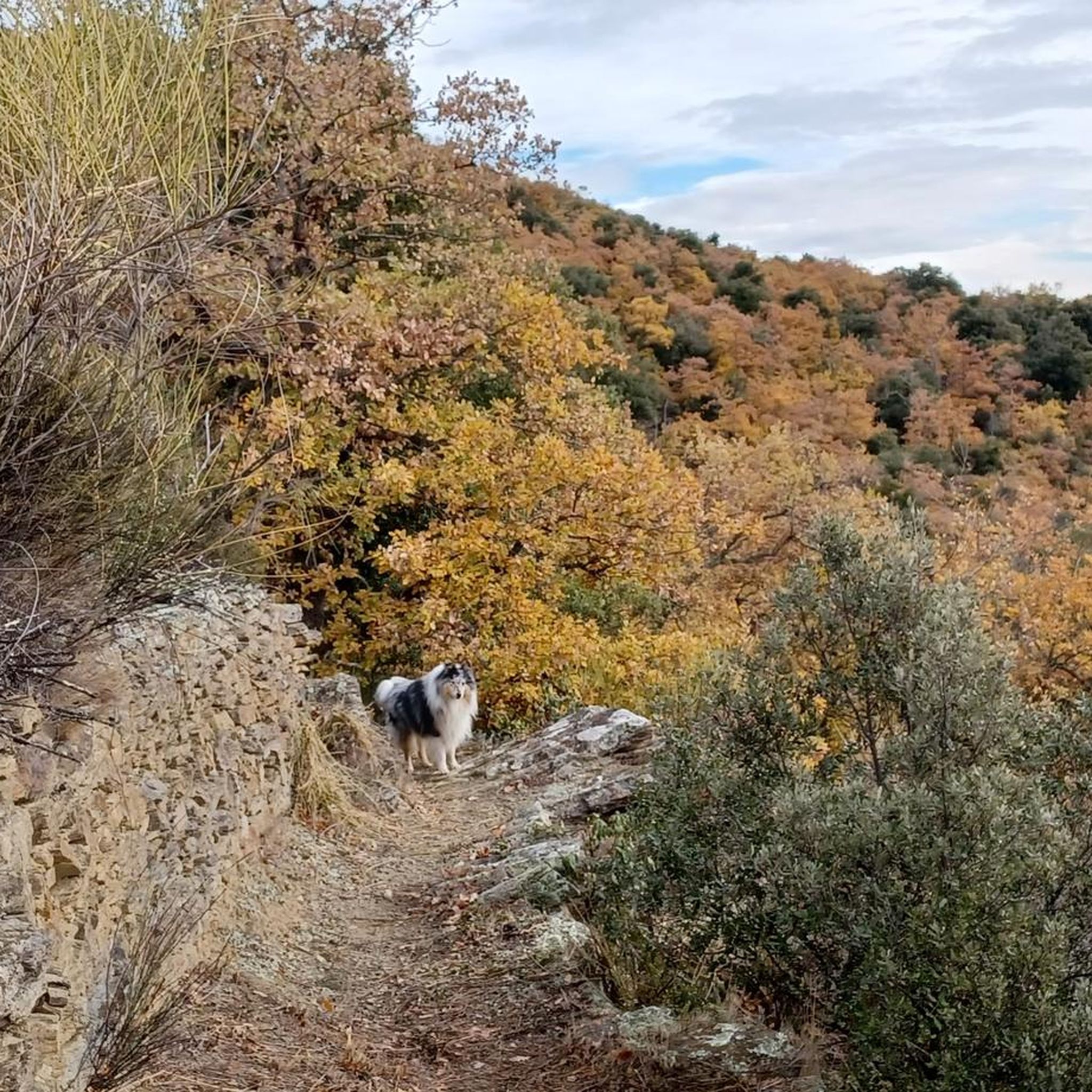
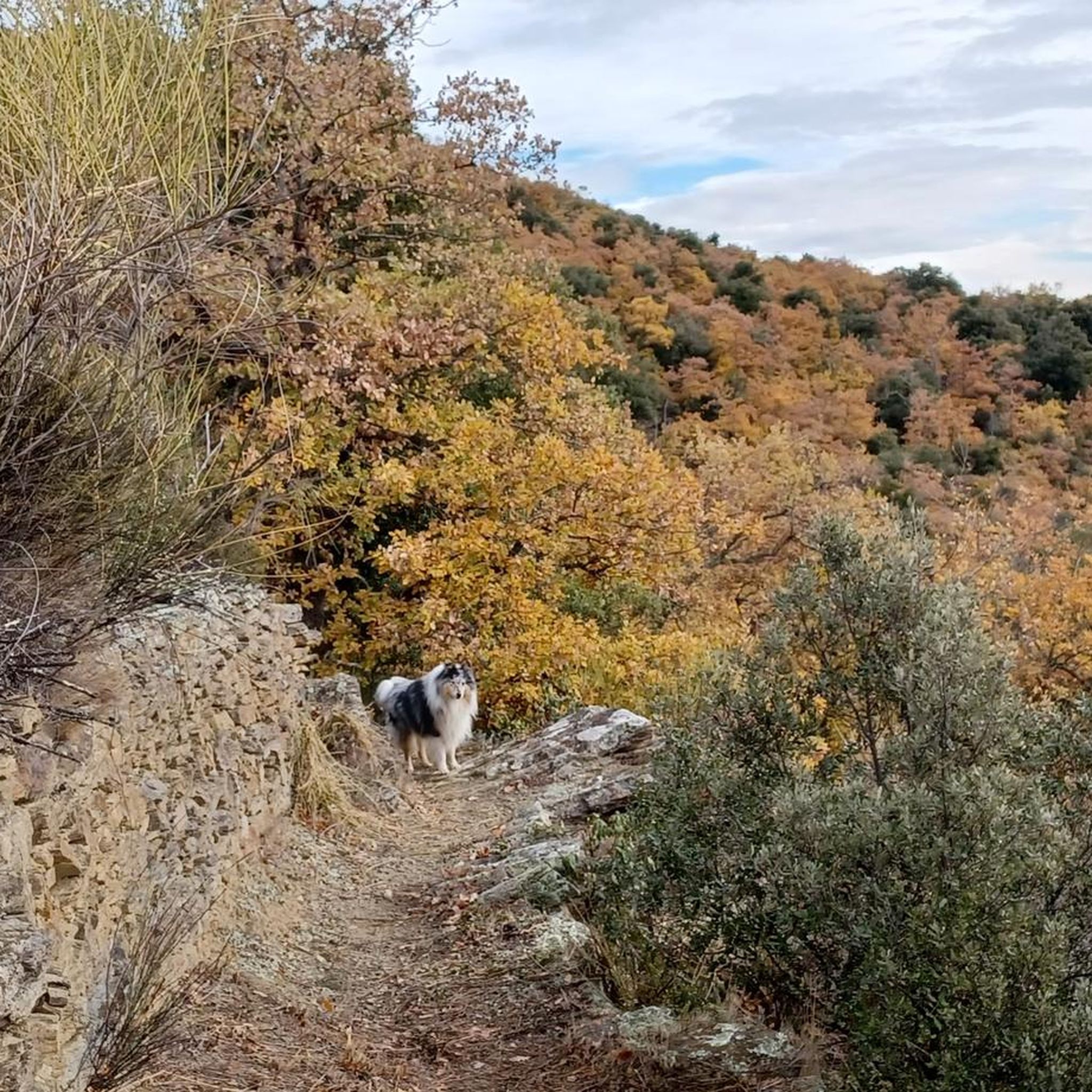
Generally shaded, this loop can be done in hot weather.
0
0

The classic and arguably most-visited peak of the Eastern Pyrenees. Due to its location, this mountain can be seen far into France. The gravel road to the Ras dels Cortalets parking lot requires good shock absorbers (please correct me if it's no longer allowed to drive there). From there, it's only 600 meters of elevation gain via Pic Joffre to the summit. The second ascent from the south is somewhat more challenging, so a traverse is also possible.
2
3

Magnificent summit, one of the emblems of Catalonia, the ascent and descent made by the famous chimney more impressive than difficult
0
0

Unmanned shelter with fresh spring water
3
0

This small pond is one of the corners of paradise hidden here and there in the mountains. Come closer, sit down and take the time to observe the wildlife and the landscape. It is ideally located for a break before starting the ascent to the Canigou peak.
0
0
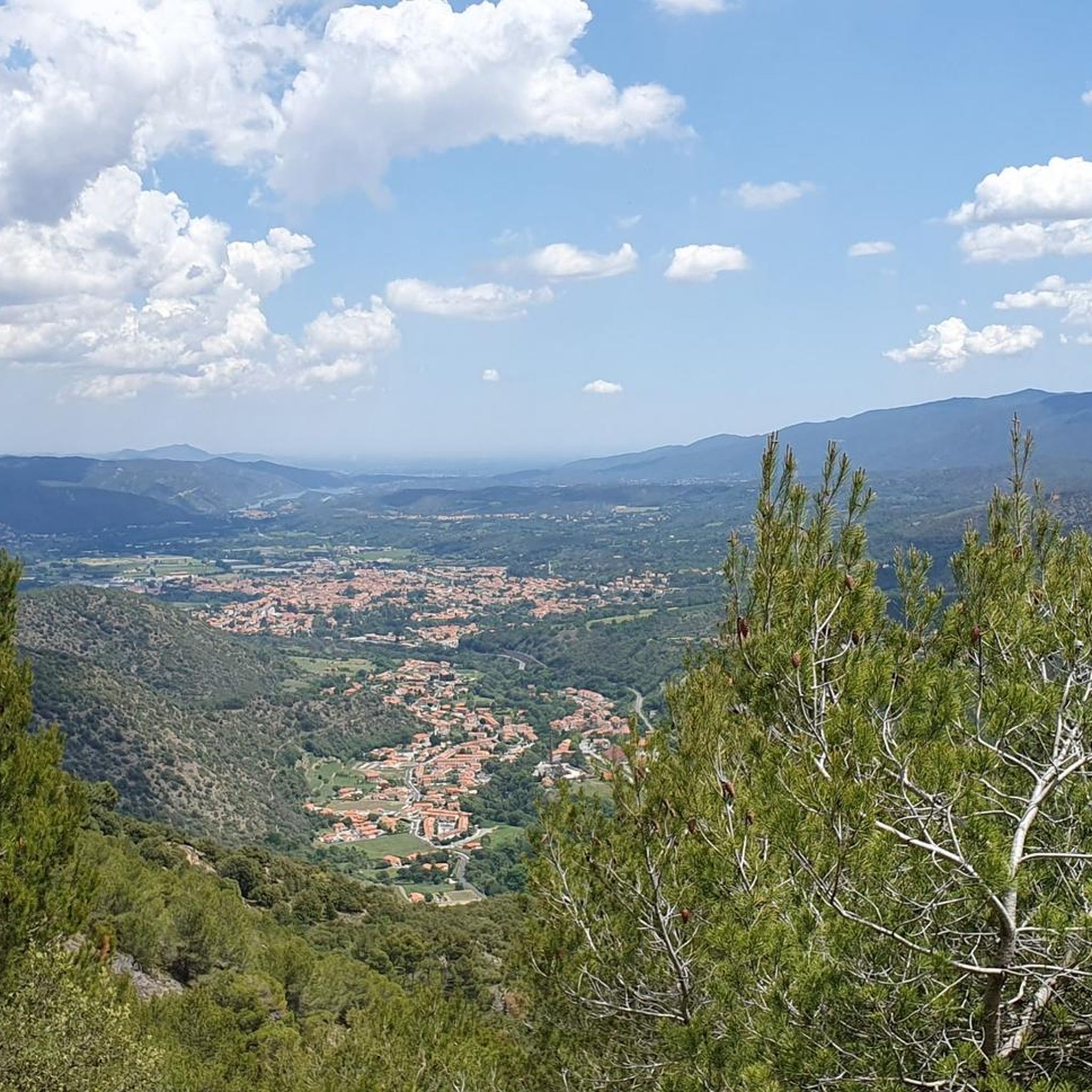
This old, unguarded refuge is still in good condition. It is perched on a privileged location, on a balcony, offering superb panoramas of Vernet-les-Bains on the north-west slope of Canigou. It is open all year round to hikers.
1
0

The Canigou peak is a peak in the Pyrénées-Orientales in the south of France. Culminating at 2,784 meters above sea level, it is located in the Catalan Pyrenees regional natural park, approximately 50 kilometers from the city of Perpignan. Canigou Peak is considered a symbol of Catalonia, with a legend that the mountain is the throne of the King of Catalonia. It is also considered a sacred place for Catalans, with a local tradition of going up the mountain to watch the sunrise on the summer solstice. The mountain is a popular hiking spot, with several hiking trails leading to the summit. Hikers can also spend the night in mountain huts located along the trails. In winter, Canigou is also a place for cross-country skiing and snowshoeing. The summit of Canigou offers a panoramic view of the Pyrenees and the Mediterranean, as well as the city of Perpignan and the Roussillon plain. The region is also rich in flora and fauna, with species such as chamois, mouflon and golden eagle. Canigou Peak is an important place of pilgrimage for Catalans, as well as a place to hike and explore for visitors to the region.
5
3

Frequently Asked Questions
What are some of the most impressive natural monuments to visit around Ria-Sirach?
The region around Ria-Sirach boasts several impressive natural monuments. Among them, Canigou stands out as the sacred mountain of the Catalans, offering breathtaking panoramic views. The Pic de la Pena also provides a magnificent panorama. For unique geological formations, Les Orgues d'Ille-sur-Têt features stunning 'fairy chimneys' sculpted by erosion. The Grotte des Canalettes offers an underground journey into a vast cave system.
Are there family-friendly natural monuments near Ria-Sirach?
Yes, several natural monuments are suitable for families. The Grotte des Canalettes, often called 'the underground Versailles of the Pyrenees,' offers an accessible 1 km route through impressive cave formations, making it a fascinating experience for all ages. Les Orgues d'Ille-sur-Têt also provides well-maintained paths for an easy walk, taking about an hour to complete, with surreal landscapes that children often find captivating.
What kind of hiking trails can I find near these natural monuments?
The natural monuments around Ria-Sirach are surrounded by diverse hiking opportunities. For instance, Canigou is a popular hiking destination with well-marked trails, some leading to mountain huts for overnight stays. The Réserve naturelle régionale de Nyer also offers interpretive trails and hiking routes for exploring its unique ecosystem. You can find various hiking routes, from moderate to difficult, in the area, such as the 'Soula Aqueduct Bridge – L'abbye loop' or the 'Chapel of Bell Lloc – Fort Libéria loop'. For more detailed routes, explore the Hiking around Ria-Sirach guide.
What is the best time of year to visit the natural monuments in Ria-Sirach?
The best time to visit depends on the activity. For hiking in the higher altitudes, like Canigou, late spring to early autumn (May to October) offers the most favorable weather conditions. During summer, the region is vibrant, but it can also be busy. For exploring sites like the Grotte des Canalettes or Les Orgues d'Ille-sur-Têt, which are less weather-dependent, spring and autumn provide pleasant temperatures and fewer crowds. Winter offers opportunities for cross-country skiing and snowshoeing in the higher elevations.
Are there opportunities for wildlife observation?
Yes, the region is rich in biodiversity. The Réserve naturelle régionale de Nyer is particularly known for its diverse fauna, including izards, wild cats, roe deer, stoats, Pyrenean desmans, genets, bats, golden eagles, bearded vultures, and Eurasian eagle-owls. The Estanyol, a small pond near the Cortalets refuge, is also an idyllic spot for observing wildlife in a tranquil setting.
What unique geological formations can be found?
The area around Ria-Sirach is home to several unique geological formations. Les Orgues d'Ille-sur-Têt features striking 'fairy chimneys' or 'organ pipes' – towering columns of fragile, sandy rock sculpted by erosion over millions of years. The Grotte des Canalettes offers an intricate underground world with an array of stalactites, stalagmites, gours, columns, and draperies, including the impressive Temple of Angkor with its twisted stone columns.
Can I find viewpoints with panoramic scenery?
Absolutely. The region is renowned for its panoramic views. The summit of Canigou, at 2,784 meters, provides breathtaking 360-degree views of the Pyrenees, the Roussillon plain, and the Mediterranean Sea. Similarly, the Pic de la Pena, at 1062 meters, offers a magnificent panorama. Even the Refuge de Bonne-Aigue, an old refuge, is perched on a balcony offering superb panoramas of Vernet-les-Bains.
What other outdoor activities are available near these natural monuments?
Beyond hiking, the region offers various outdoor activities. Cycling is popular, with routes like the 'Former Marcevol Priory – Arboussols loop' or the 'Col de la Llose loop'. Running trails are also available, such as the 'Chapelle Saint-Pierre loop from Ria-Sirach'. For more options, you can explore the Cycling around Ria-Sirach guide and the Running Trails around Ria-Sirach guide.
Is there any cultural significance associated with these natural monuments?
Yes, particularly with Canigou. It is considered the sacred mountain of the Catalans and a prominent symbol of the Pyrénées-Orientales. There's an annual tradition where Catalans bring wood bundles to its cross, lit by a flame from Perpignan, celebrating St. John's Day. The mountain is also steeped in legend, with some considering it the throne of the King of Catalonia.
Are there any waterfalls to visit?
Yes, the Saut Grand de Castlar Waterfall is a stunning natural monument in the area. It's an intermediate-level walk to reach, and sturdy shoes are recommended for the terrain.
What should I know about visiting the Regional Natural Park of the Catalan Pyrenees?
The Regional Natural Park of the Catalan Pyrenees is a vast nature reserve encompassing mountains, hot springs, and pristine lakes. It's a haven for outdoor enthusiasts, offering diverse landscapes, flora, and fauna. The park is home to seven nature reserves and multiple classified natural sites, indicating its exceptional biodiversity. It's ideal for hiking, cycling, and wildlife observation. For more information on the Canigou area within the park, you can visit tourisme-pyrenees-mediterranee.com.
Are there any less-known natural spots worth exploring?
While popular sites draw crowds, places like The Estanyol, a small pond near the Cortalets refuge, offer a peaceful escape. It's an idyllic spot for a break and observing wildlife, often described as one of the hidden corners of paradise in the mountains. The Réserve naturelle régionale de Nyer, though recognized, still offers a sense of wild exploration with its narrow gorges and rich biodiversity.
Most popular routes around Ria-Sirach
Most popular attractions around Ria-Sirach

Get inspired with the komoot mobile app


Explore more
Extend your search for the best caves by checking out these guides of the top ones around Ria-Sirach:
