Top 9 Natural Monuments around Saint-Cyprien
Best natural monuments around Saint-Cyprien are found in the Pyrénées-Orientales department of France, offering diverse natural sites. The region is known for its extensive sandy beaches along the Mediterranean Sea and significant national nature reserves. Visitors can explore a blend of coastal environments, botanical gardens, and natural parks. This area provides opportunities for outdoor activities and connecting with nature.
Best natural monuments around Saint-Cyprien
- The most popular natural monument is Les Eyzies-de-Tayac, a historical site and natural monument known…
Last updated: October 9, 2026
Les Eyzies-de-Tayac
Highlight • Historical Site
Translated by Google •
Tip by

Abri de La Madeleine
Highlight • Cave
Translated by Google •
Tip by

Sign up now to discover places like this
Get recommendations on the best single tracks, peaks, & plenty of other exciting outdoor places.
Commarque Castle
Highlight • Cave
Translated by Google •
Tip by

The Rock Shelters of the Vézère Valley
Highlight • Cave
Translated by Google •
Tip by

Cluzeaux de Campagne
Highlight • Cave
Translated by Google •
Tip by

Sign up for free to discover even more natural monuments around Saint-Cyprien.
Already have an account?
Start today with a free account
Your next adventure awaits.

Other adventures around Saint-Cyprien

Tips from the Community


This museum is certainly interesting, unfortunately we didn't have enough time
0
0
Impressive are the dwellings in the rocks and the houses from the rocks
0
0

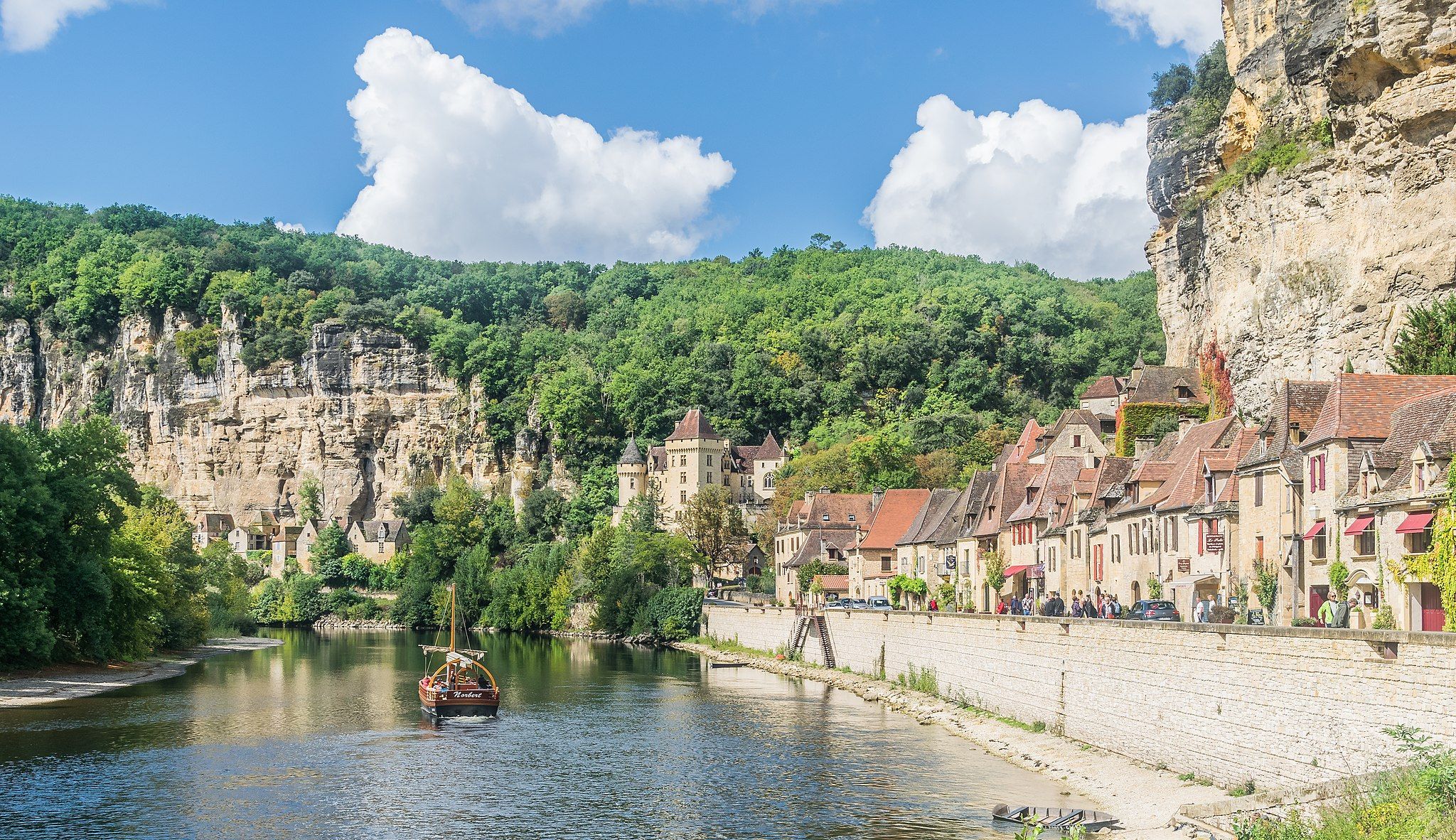
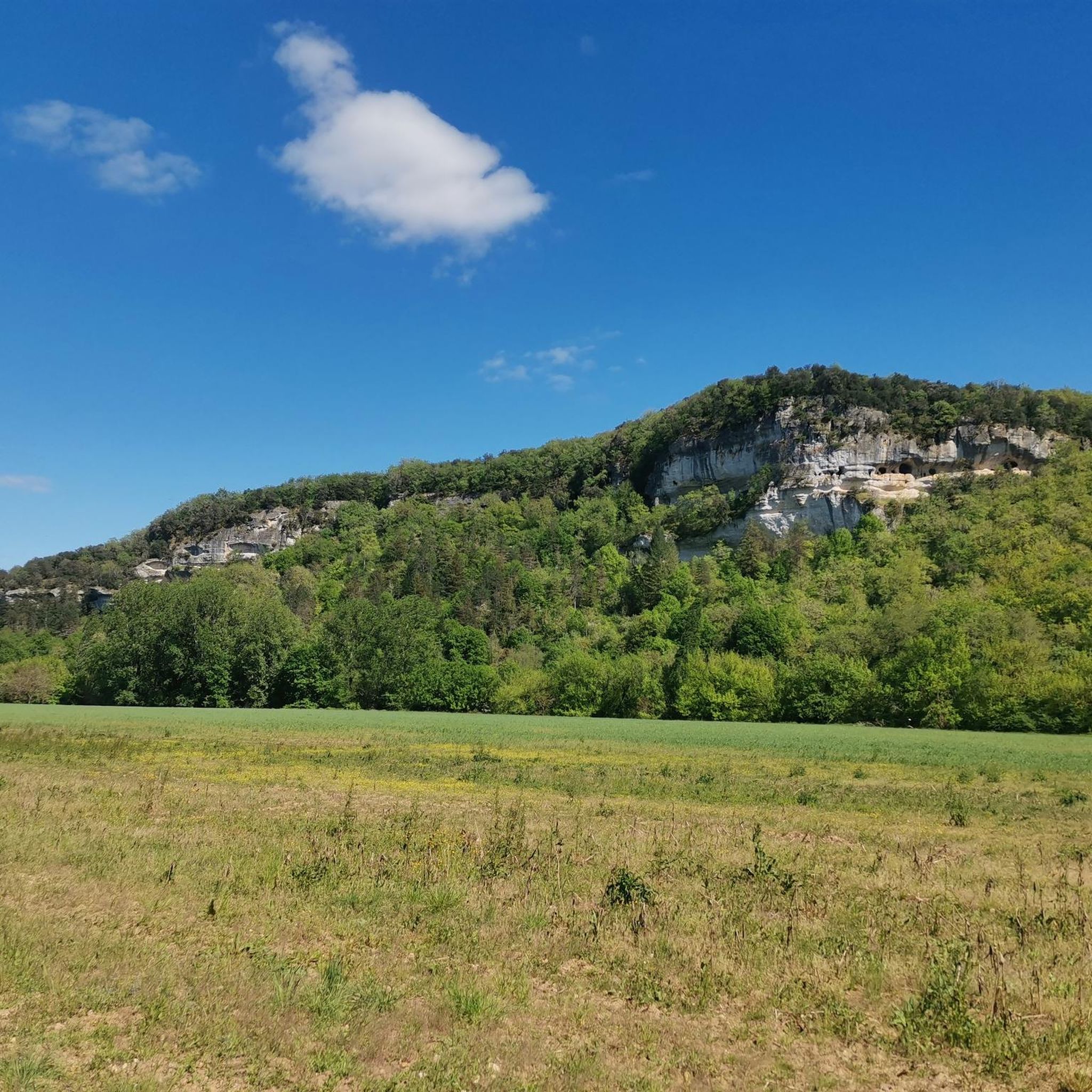
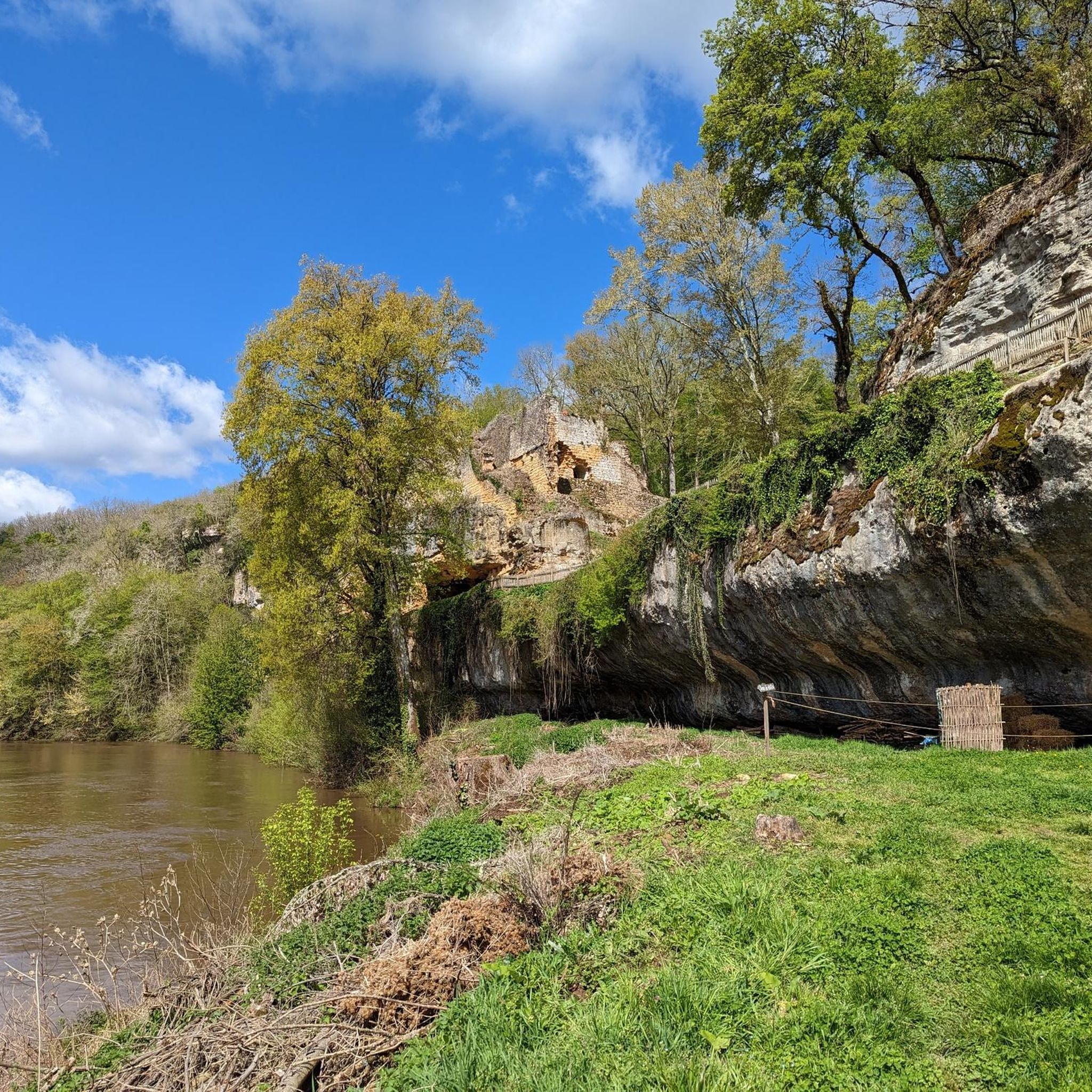
This real limestone wall, one kilometer long and eighty meters high, constantly undermined by the river and the frost, has been hollowed out with a hundred rock shelters and long aerial terraces; these natural cavities were occupied by prehistoric man and then modified to become a fort and a city from the Middle Ages until the beginning of the Renaissance.
4
0

The forgotten fortress: a millefeuille of stones where dungeons and fortified castles, troglodytes and prehistoric caves overlap in a preserved landscape
0
0

Here we have the situation – previously completely unknown to me and therefore surprising – that MADELEINE, a Christian saint (the name is derived from the biblical "Mary Magdalene"), has become the namesake of an era from the proverbial "dim prehistory" (one to one and a half dozen millennia before the beginning of our era). To paraphrase it from Wikipedia, which can explain it better than I can: "The Magdalenian is an archaeological cultural stage in the younger part of the Upper Paleolithic in Central and Western Europe at the end of the last Ice Age. The Magdalenian was named in 1869 by Gabriel de Mortillet after the semi-cave La Madeleine in the Dordogne department. It spanned an approximate period from approximately 18,000 to 12,000 BC."
2
0

located in the wild Grande Beune valley, is a historical and archaeological site in Périgord. It offers a journey into the past, with its medieval remains and picturesque landscapes. A must-visit for history and nature lovers.
0
0

Top tip in this region. Information folder in German, videos and explanations in a film leave no questions unanswered. Otherwise simply impressive cultural monument... Also recommended for kids.
0
0
Frequently Asked Questions
What types of natural monuments can I explore around Saint-Cyprien?
The Saint-Cyprien area offers a diverse range of natural monuments, from extensive sandy beaches along the Mediterranean Sea to significant national nature reserves and botanical gardens. You can find coastal environments, natural parks, and even historical sites integrated with natural settings like the rock shelters in the Vézère Valley.
Are there any family-friendly natural sites in Saint-Cyprien?
Yes, Parc de la Prade is an excellent choice for families, offering shaded paths, play areas for children, and a multi-sports field. It's also a great spot for birdwatching. The Beaches of Saint-Cyprien are also very family-friendly, with amenities, lifeguards, and various water sports suitable for all ages.
Where can I enjoy nature and tranquility near Saint-Cyprien?
For a peaceful escape, visit the Jardin des Plantes des Capellans. This 5-hectare botanical garden, recognized with the 'Remarkable Garden' label, features over 500 species, two lakes, and shady paths, making it ideal for a relaxing stroll.
What natural monuments are best for wildlife spotting and biodiversity?
The Réserve Naturelle Nationale du Mas Larrieu is a critically important protected area known for its exceptional biodiversity. It features diverse biotopes including dunes, marshes, and riparian forests, attracting a rich variety of insects (especially dragonflies) and birds. You might even spot the ocellated lizard or European otter here.
Can I find historical natural monuments in the region?
Absolutely. The Vézère Valley, though not directly in Saint-Cyprien, is renowned for its historical natural monuments. You can visit sites like Les Eyzies-de-Tayac, often called the 'capital of prehistory,' which features caves with ancient paintings. Another significant site is The Rock Shelters of the Vézère Valley, natural cavities occupied by prehistoric man and later modified into forts.
Are there opportunities for outdoor activities like running or cycling near these natural monuments?
Yes, the area around Saint-Cyprien offers various outdoor activities. You can find numerous running trails, such as the 'Pont du Garrit loop' or 'Fages Castle loop.' For cycling enthusiasts, there are MTB trails and road cycling routes, including options like the 'Singletrack Through Woodland' for mountain biking or the 'Beynac-et-Cazenac – Milandes Castle loop' for road cycling. You can explore more options on the Running Trails around Saint-Cyprien, MTB Trails around Saint-Cyprien, and Road Cycling Routes around Saint-Cyprien guide pages.
What are the main features of the beaches in Saint-Cyprien?
Saint-Cyprien boasts 6 kilometers of sandy beaches along the Mediterranean Sea. These beaches offer fine sand and clear waters, perfect for swimming and various water sports. Specific areas cater to different activities, such as North Beach for windsurfing and kitesurfing, and Plage du Pont Tournant which is equipped for disabled access. The beaches are often backed by dunes and pine forests, providing a natural charm alongside amenities like restrooms and lifeguards.
What is special about the Jardin des Plantes des Capellans?
The Jardin des Plantes des Capellans is the only site in the Pyrénées-Orientales to have received the 'Remarkable Garden' label. It's an English-style garden designed around two lakes, featuring over 500 plant species from around the world, including a notable bamboo grove and rare trees. It also hosts various events like guided tours and exhibitions.
Are there any natural monuments that combine history and nature?
Yes, Commarque Castle is a historical and archaeological site located in the wild Grande Beune valley. While a castle, its setting amidst natural landscapes and medieval remains offers a unique blend of history and nature, allowing visitors to journey into the past within a picturesque environment.
What do visitors particularly enjoy about the natural monuments around Saint-Cyprien?
Visitors appreciate the diverse natural sites, from the extensive sandy beaches perfect for relaxation and water sports to the tranquil botanical gardens and rich biodiversity of the nature reserves. The historical natural monuments, like those in the Vézère Valley, are also highly valued for their unique insights into prehistory and medieval times.
What is the best time to visit the natural monuments in Saint-Cyprien?
The Mediterranean climate makes Saint-Cyprien enjoyable for much of the year. Spring and early autumn offer pleasant temperatures for exploring botanical gardens and nature reserves without the peak summer heat. Summer is ideal for enjoying the beaches and water sports. Even in winter, sites like the Réserve Naturelle Nationale du Mas Larrieu can be interesting for birdwatching.
Are there any natural monuments suitable for a leisurely walk or stroll?
Both the Jardin des Plantes des Capellans and Parc de la Prade are perfect for leisurely walks. The botanical garden offers shady paths and beautiful flora, while Parc de la Prade provides a 2.5 km trail suitable for walking, cycling, or rollerblading, with views of Mont Canigou.
Most popular routes around Saint-Cyprien
Most popular attractions around Saint-Cyprien

Get inspired with the komoot mobile app


Explore more
Extend your search for the best caves by checking out these guides of the top ones around Saint-Cyprien:
