Top 20 Natural Monuments around Les Cluses
Best natural monuments around Les Cluses are found in the Pyrénées-Orientales department of France, an area characterized by diverse landscapes and significant natural beauty. The region features impressive geological formations, high mountain peaks, and coastal lagoons. These sites offer varied natural features and opportunities for outdoor activities within a rich natural environment.
Best natural monuments around Les Cluses
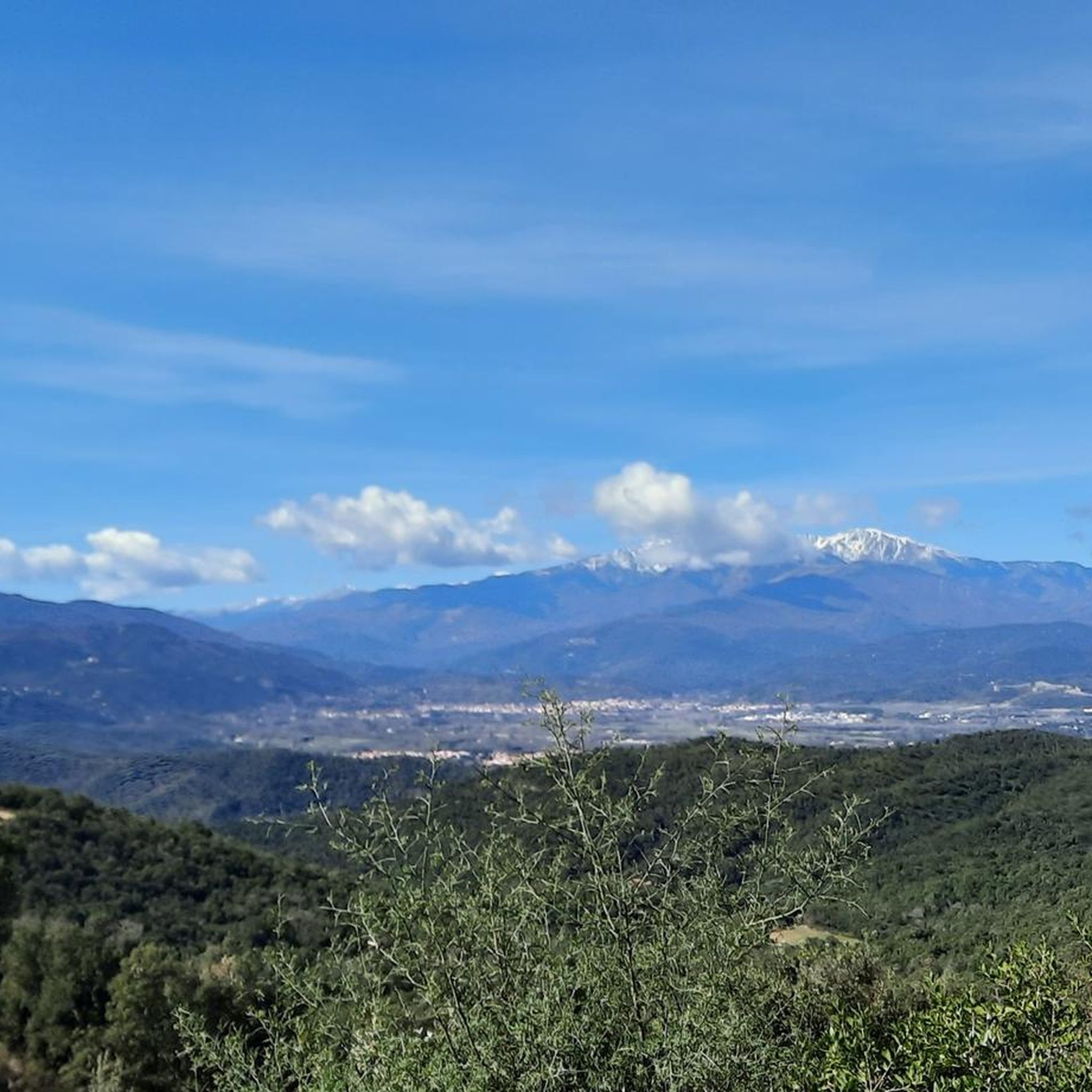
- The most popular natural monuments is Puig Neulós, a summit that offers an impressive panorama over Roselló and Alt Empordà. This…
Last updated: June 22, 2026
Puig Neulós
Highlight • Summit
Translated by Google •
Tip by

Pou de la Neu Pass
Highlight • Mountain Pass
Translated by Google •
Tip by

Sign up now to discover places like this
Get recommendations on the best single tracks, peaks, & plenty of other exciting outdoor places.
Sign up for free
Font de l'Ocell
Highlight • Natural Monument
The Pave Mill's activity lasted until the end of the 19th century. It was inhabited …
Translated by Google •
Tip by

Cork Oak Trees
Highlight • Forest
The cork oak is a tree found mainly in the western Mediterranean and is known for its bark, which …
Translated by Google •
Tip by

Menhir Quer Afumat I
Highlight • Monument
Translated by Google •
Tip by

Sign up for free to discover even more natural monuments around Les Cluses.
Sign up for free
Already have an account?
Start today with a free account
Your next adventure awaits.
Login or Signup

Tips from the Community


We completed this route on August 29, 2025, and upon reaching the dolmen, we were unable to continue because the trail was closed. We had to return along the same path we had taken. The return trail was closed because it crossed private property.
0
0

This pass was important as a passage between regions, especially in activities such as transhumance or the transport of goods. The snow wells that give the place its name were also key elements in the economy of the mountainous areas. The term "Pou de la Neu" refers to the snow or ice wells that were traditionally used to store snow during the winter. These structures, dug into the ground or built with stones, served to preserve ice that was later transported to the lower areas for use in food, medicine or food preservation.
1
0

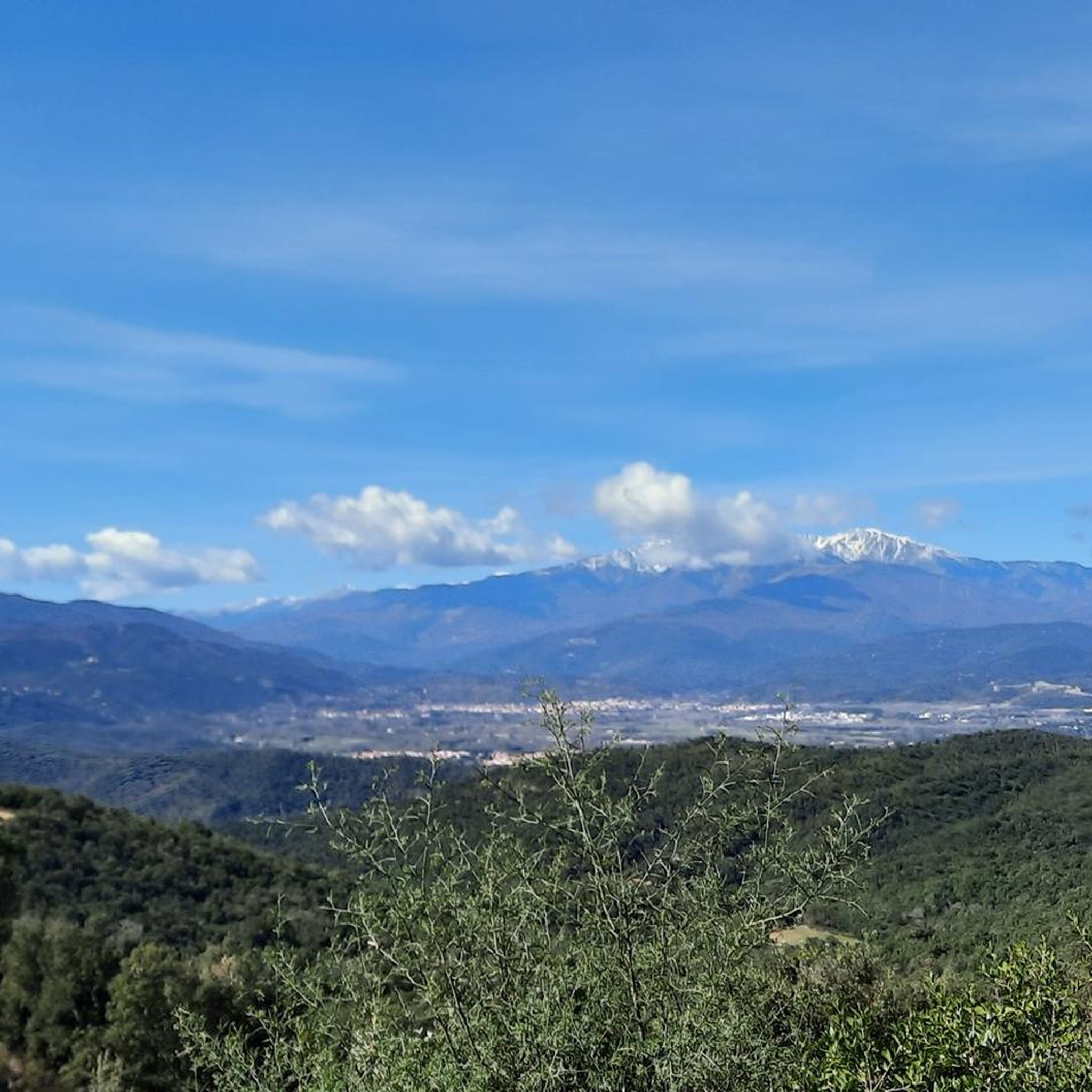
Magnificent view ! It’s worth going up there 🤩🤩
6
0

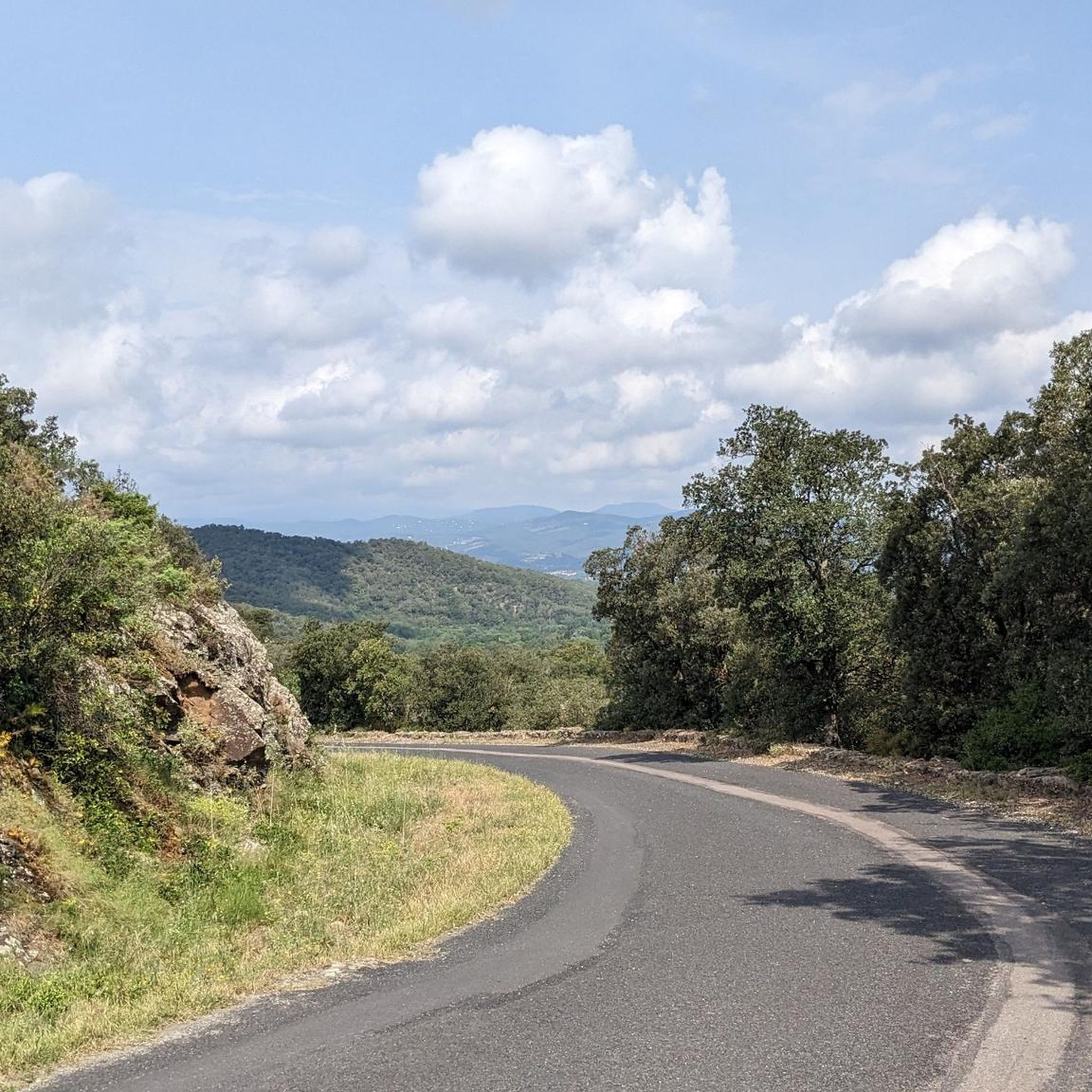
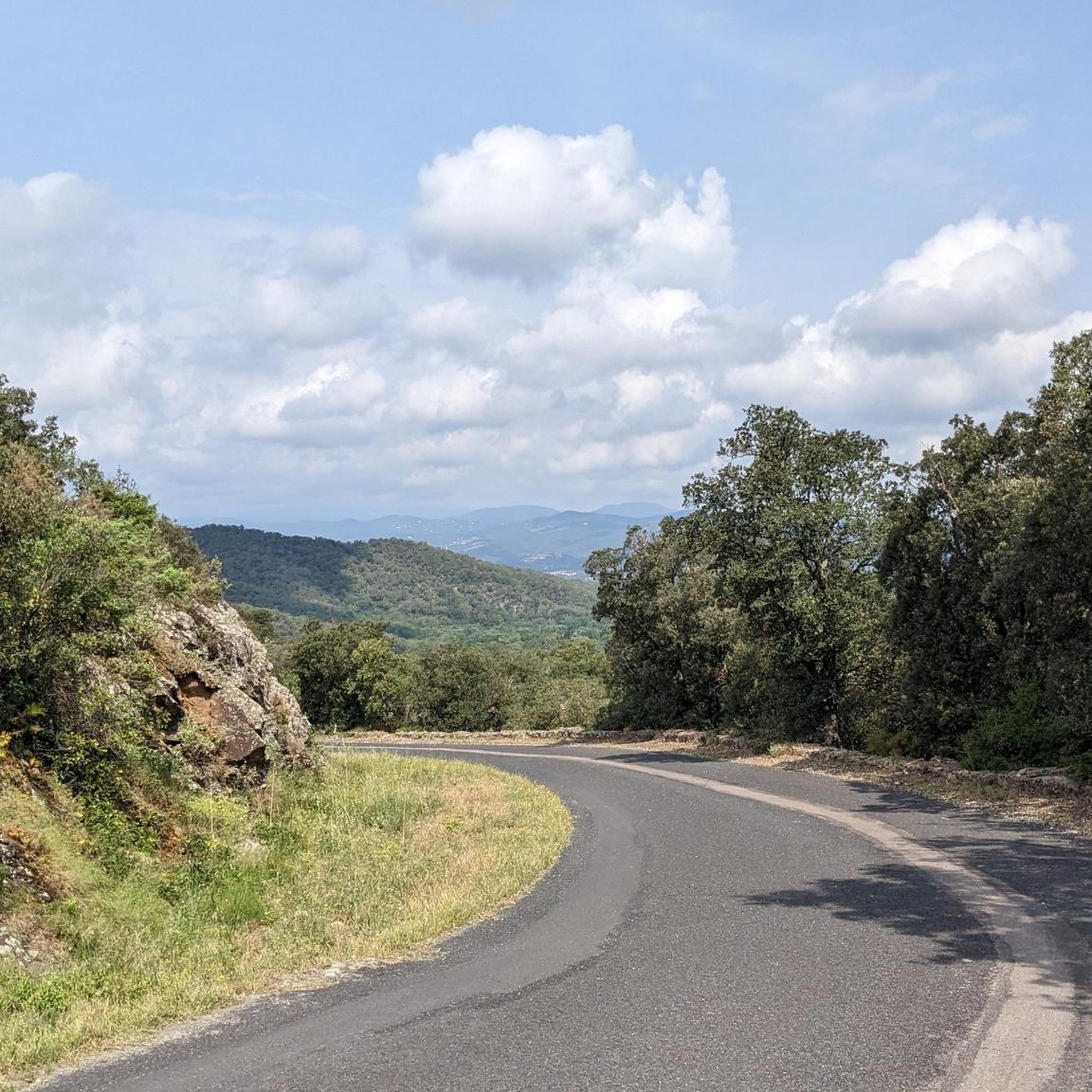
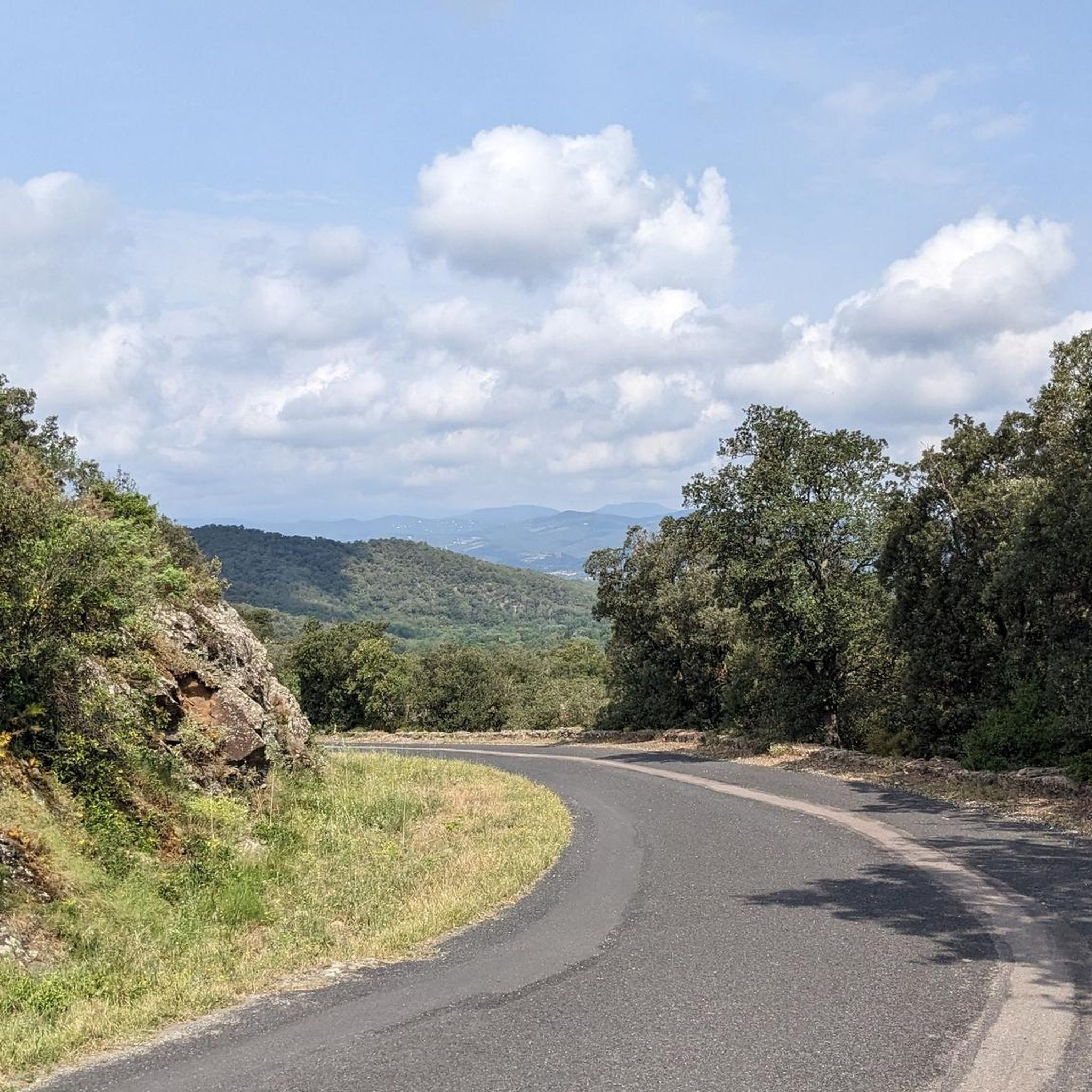
Infernal ascent, when the trees disappear and you seem to be at the top, the pit is waiting for you. Reserve your strength because the last kilometer, despite being on asphalt, is HELL!
6
0

The Pave Mill is an old grain mill supplied with water from the village canal. The Pave Mill's activity lasted until the end of the 19th century. It was inhabited until 1942 and then fell into disrepair. It became municipal property and was restored in 2006 by the Laroque Heritage Association in collaboration with the municipality. The volunteers of this association installed a roof to strengthen and “waterproof” the building. The miller's workshop (on the ground floor) and his accommodation (on the upper floor) are currently being completely restored. The association is actively looking for a millstone that could help complete the work.
10
0

There is still much for historians to discover here. The area is littered with stones, there is a good chance that many stones in the area were used in memory of the deceased. More research is needed to demonstrate the historical value of this area.
6
0
Three fields of menhirs have now been discovered.
19
0
Frequently Asked Questions
What are some of the most impressive natural monuments to visit around Les Cluses?
The region around Les Cluses offers a variety of impressive natural monuments. You can explore the unique geological formations of the Orgues d'Ille-sur-Têt, often called 'fairy chimneys', or ascend Puig Neulós, the highest point of the Albères massif, for panoramic views. Another significant site is the Pic du Canigou, known as the 'sacred mountain of the Catalans', offering breathtaking 360-degree vistas.
Are there natural monuments suitable for families with children?
Yes, several natural monuments are family-friendly. Font de l'Ocell, a natural spring, is a pleasant spot. The Orgues d'Ille-sur-Têt also offers narrow paths suitable for exploration, and the Site de Paulilles provides beaches and recreational areas perfect for a family day out.
Where can I find hiking trails near these natural monuments?
Many natural monuments in the area are excellent starting points for hikes. The Pou de la Neu Pass is a hub for trails connecting France and Spain. The Pic du Canigou massif offers extensive hiking trails, from day ascents to multi-day tours. For more options, you can explore various routes in the region by checking the Hiking around Les Cluses guide.
What kind of wildlife can I expect to see at the natural monuments?
The region is rich in biodiversity. The Étang de Canet-Saint-Nazaire and Étang de Leucate lagoons are crucial Natura 2000 sites, renowned for their birdlife, including large colonies of pink flamingos. The Gorges de Galamus are home to rare flora and fauna, such as the Royal Eagle and Great Horned Owl. The Réserve Naturelle Nationale de Cerbère-Banyuls protects diverse marine ecosystems, teeming with fish, molluscs, and crustaceans.
Are there any natural monuments with historical significance?
Absolutely. The Pou de la Neu Pass is a historical site, and the Natural Area of National Interest of the Albera Massif is known for its abundance of megalithic monuments and Romanesque art. The Gorges de Galamus feature the historic Hermitage of Saint-Antoine-de-Galamus, nestled in a natural cave. Additionally, the Site de Paulilles is a rehabilitated coastal area with a past as a dynamite factory established by Alfred Nobel.
What is the best time of year to visit the natural monuments around Les Cluses?
The best time to visit depends on your interests. For birdwatching, particularly to see pink flamingos, the end of summer is ideal at the Étang de Canet-Saint-Nazaire and Étang de Leucate. For clear, expansive views from peaks like Pic du Canigou or Puig Neulós, spring and autumn often offer stable weather. Summer is popular for water activities and exploring coastal sites like the Réserve Naturelle Nationale de Cerbère-Banyuls.
Can I explore the natural monuments by bike?
Yes, cycling is a popular activity. While some areas like the Pic du Canigou offer challenging mountain biking, you can find various cycling routes suitable for different skill levels. For specific MTB trails, refer to the MTB Trails around Les Cluses guide. The Étang de Leucate area is also popular for water sports like windsurfing and kitesurfing.
Are there any natural monuments that offer spectacular panoramic views?
For truly spectacular views, consider ascending Puig Neulós, which provides an impressive panorama over Roselló and Alt Empordà. The Pic du Canigou offers breathtaking 360-degree views that can stretch to the Mediterranean Sea and even Barcelona on clear days. Pic de Fontfrède also boasts panoramic views of the valley, Canigou, Corbières, and the Albères mountain range.
What are the unique geological features I can observe?
The region is home to remarkable geological formations. The Orgues d'Ille-sur-Têt are a prime example, with their striking 'fairy chimney' rock formations sculpted by erosion. The dramatic cliffs and carved road of the Gorges de Galamus, formed by the Agly River, also showcase impressive geological processes.
What do visitors particularly enjoy about the natural monuments in this area?
Visitors frequently praise the diverse landscapes and the sense of tranquility. The panoramic views from summits like Puig Neulós and the Pic du Canigou are highly rated. Many appreciate the well-preserved natural environments, such as the Réserve Naturelle Nationale de Cerbère-Banyuls, and the unique geological wonders like the Orgues d'Ille-sur-Têt. The blend of natural beauty with opportunities for outdoor activities is a common highlight.
Are there any coastal natural monuments or marine reserves?
Yes, the region boasts significant coastal natural monuments. The Réserve Naturelle Nationale de Cerbère-Banyuls is France's first marine reserve, vital for protecting diverse underwater ecosystems. The Site de Paulilles is a beautiful coastal park with three beaches and protected Mediterranean forests, offering a blend of natural beauty and relaxation by the sea.
Can I find natural springs or water sources during my visit?
Yes, you can. Font de l'Ocell is a natural forest spring known for its perfectly tempered water, preferred by locals. It's a great spot to refill your water bottle during a hike.
Most popular routes around Les Cluses
Most popular attractions around Les Cluses

Get inspired with the komoot mobile app


Explore more
Extend your search for the best caves by checking out these guides of the top ones around Les Cluses:
