Top 4 Natural Monuments around La Grand-Combe
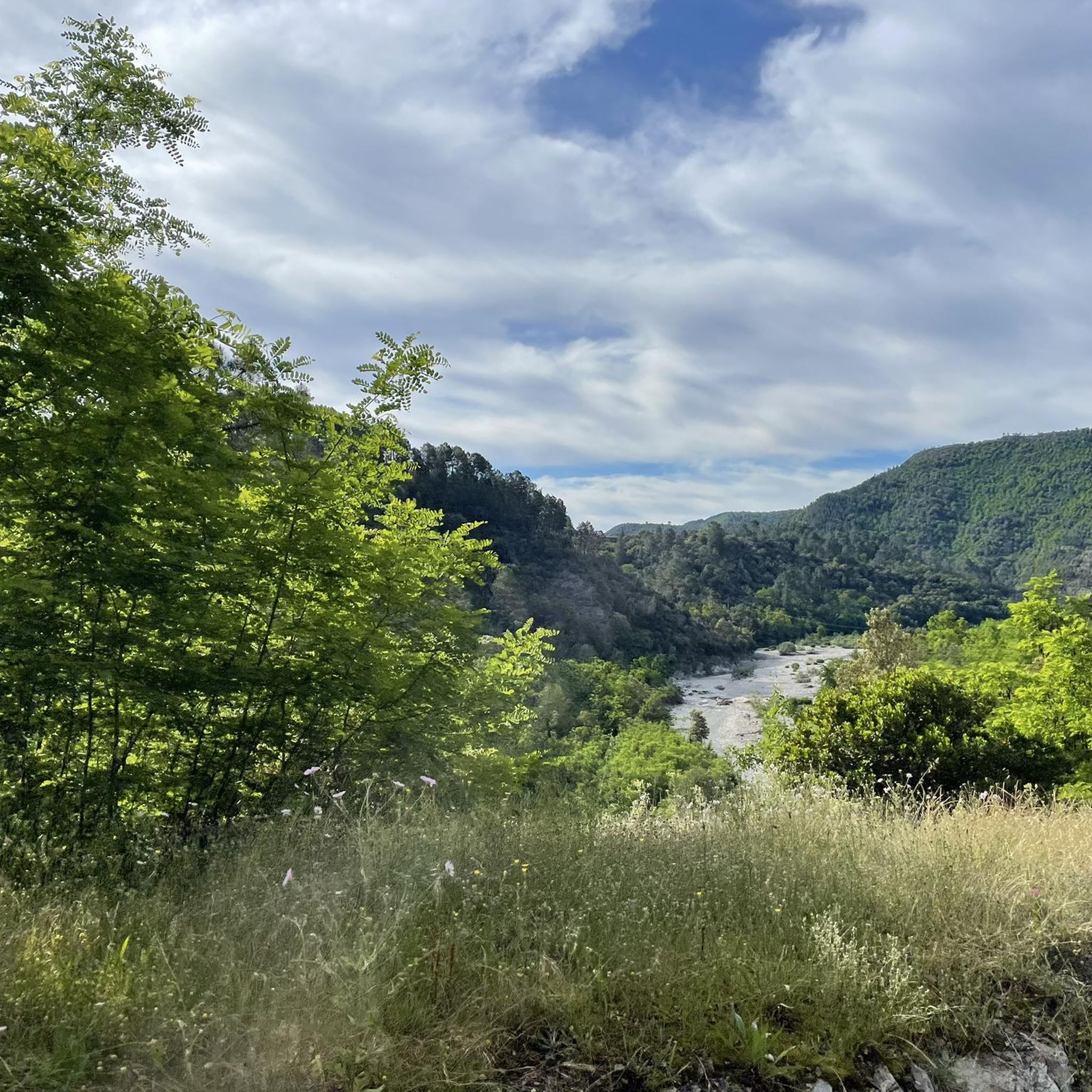
Natural monuments around La Grand-Combe offer a blend of geological wonders and historical significance within the Cévennes region. This area, historically known for its mining heritage, serves as a gateway to the broader Cévennes National Park. Visitors can explore diverse landscapes, from ancient geological formations to river valleys. The natural sites provide insights into the region's deep natural history and ecological richness.
Best natural monuments around La Grand-Combe
- The most popular natural monuments is Moulin de Roure Stone Bridge and…
Last updated: July 6, 2026
Moulin de Roure Stone Bridge and River
Highlight • Bridge
Translated by Google •
Tip by

Dolmen de Boustiga
Highlight • Historical Site
Translated by Google •
Tip by

Sign up now to discover places like this
Get recommendations on the best single tracks, peaks, & plenty of other exciting outdoor places.
Sign up for free
Necropolis of Peyraube
Highlight • Historical Site
Translated by Google •
Tip by
Le Dourdon Waterfall
Highlight • Waterfall
Showing Translation
Tip by

Pic de la Tourette
Highlight • Summit
Translated by Google •
Tip by
Start today with a free account
Your next adventure awaits.
Login or Signup

Tips from the Community

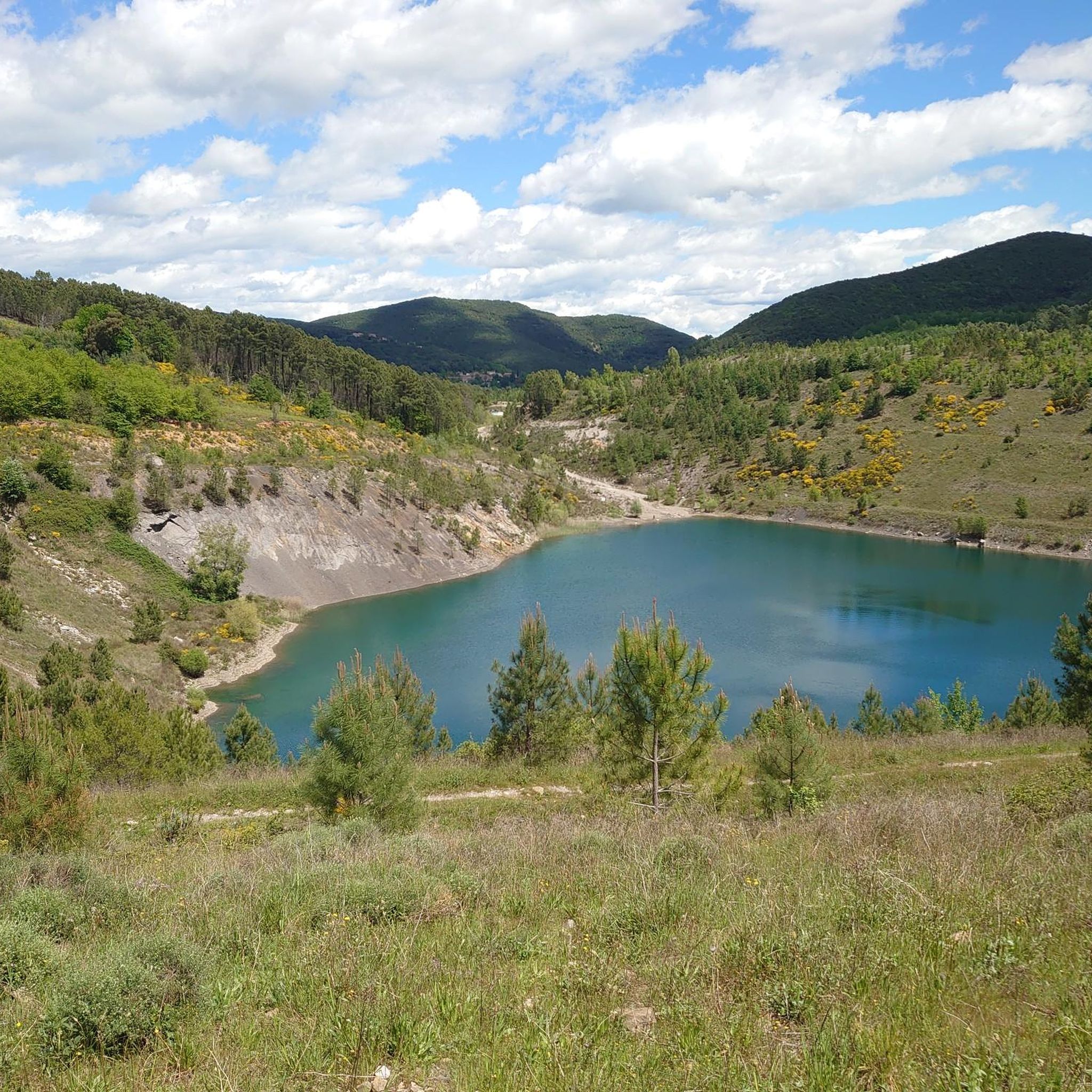
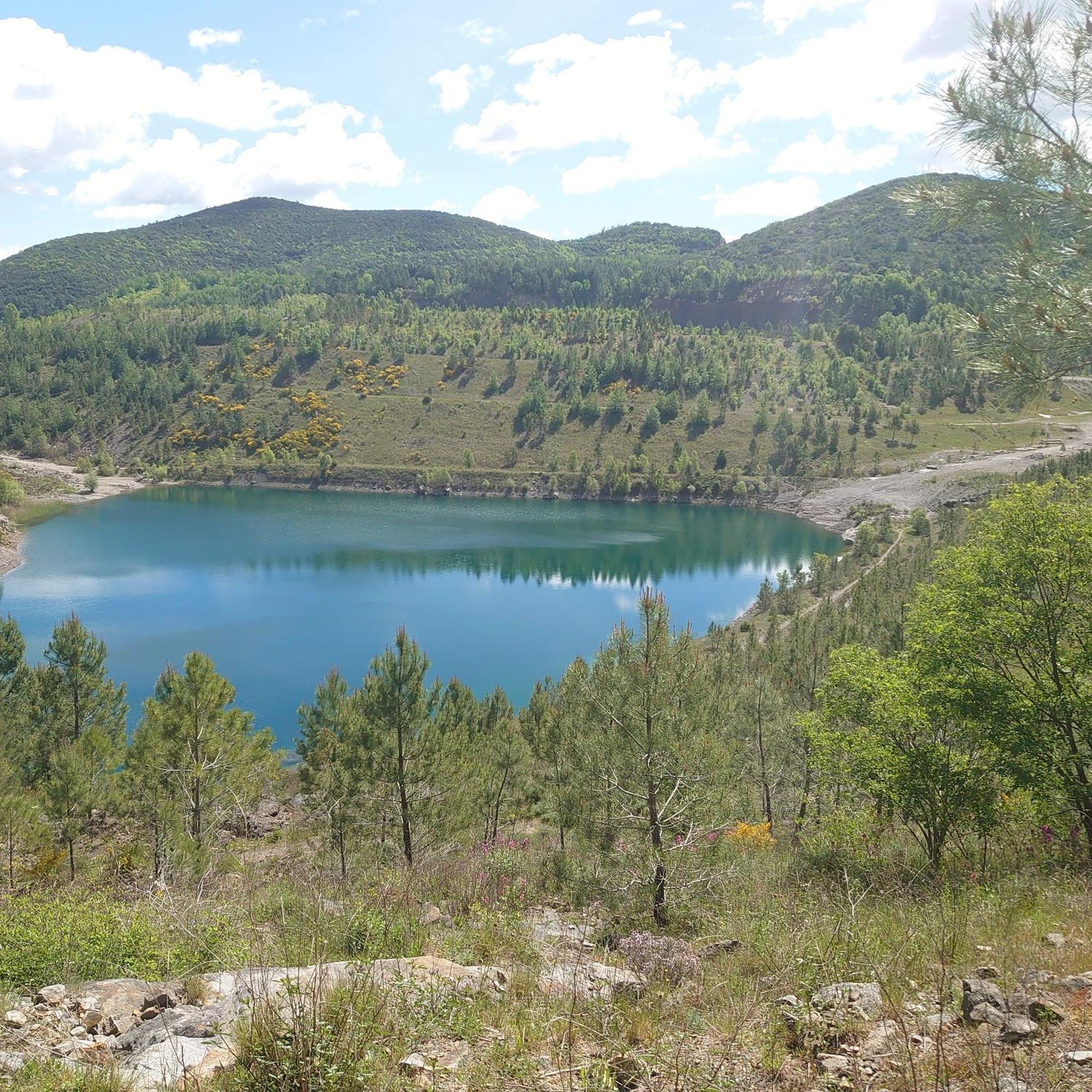
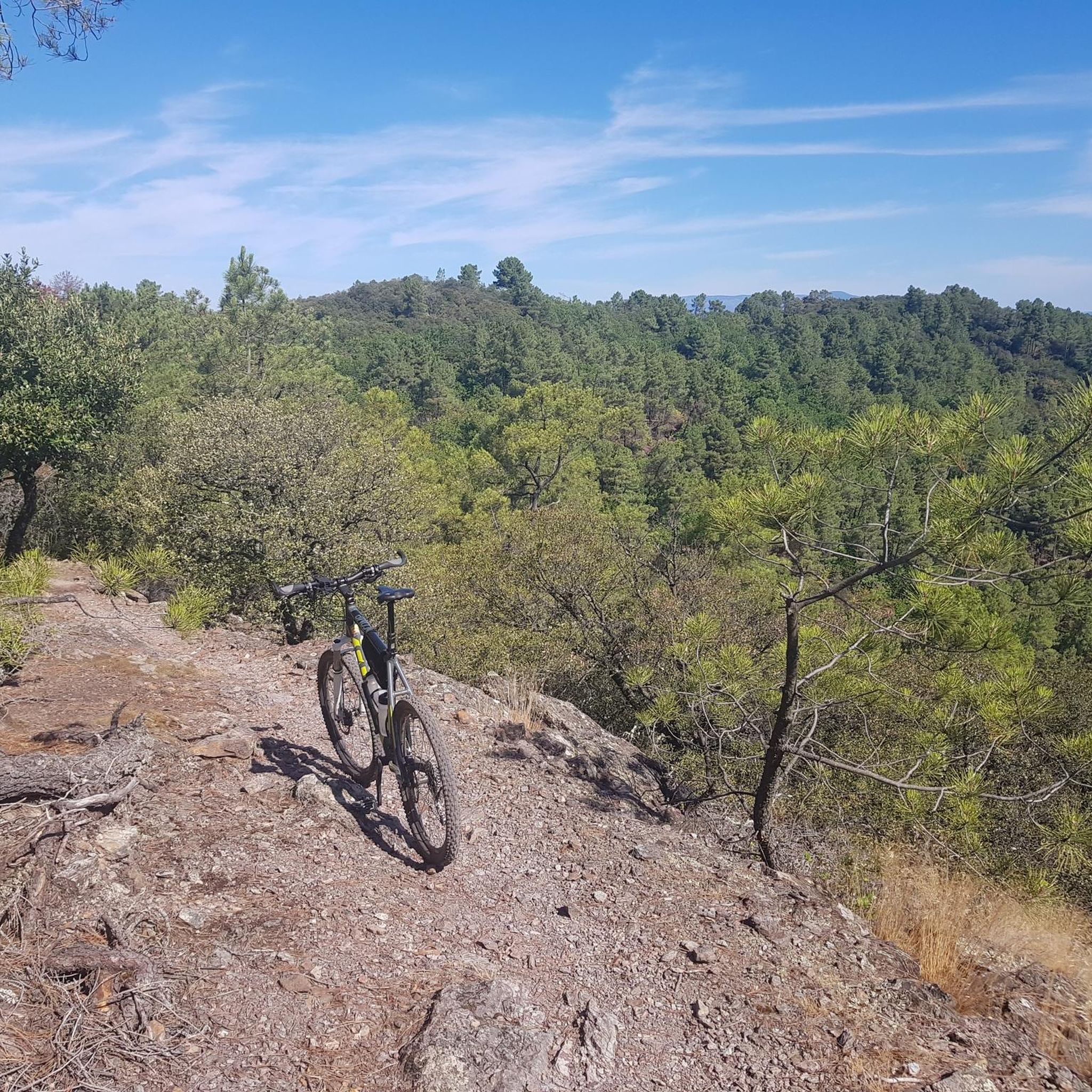
Confluence of 2 streams with basins and waterfalls that give birth to the Dourdon. very beautiful quiet and well-hidden place below an imposing farmhouse (Samson). If you are by bike (MTB or gravel) in the area you can reach the waterfall by coming from the south via a forest path partly practicable for about 800m, the last 100m on foot.
0
0

Starting point of a signposted walking route
0
0

At the old Moulin de Roure it is lovely to bathe in the river (we were there at the end of June). The descent from Aujac is quite steep and can be hot, but the path is well passable.
0
0

Remains of an ancient necropolis between the Gardon valley and the Galeizon valley.
0
0
Several dolmens, dating from 2000 BC but sometimes collapsed and rebuilt until the 6th century, were used for funeral ceremonies.
1
0
Culminating at an altitude of 914m, the Pic de la Tourette offers a magnificent view of the Cévennes.
1
0

piece of continuous routes
1
0
Frequently Asked Questions
What are some unique natural monuments to explore near La Grand-Combe?
Beyond the immediate area, you can discover the fascinating Forest of Fossils in La Grand-Combe itself, showcasing 300-million-year-old fossilized trees. A short drive away, the Le Dourdon Waterfall offers a quiet, hidden spot with basins and cascades. For an underground adventure, the Caves of Trabuc near Mialet feature an extensive network of caverns, including the mysterious 'Hundred Thousand Soldiers' formation.
Are there any historical natural monuments in the region?
Yes, the area around La Grand-Combe blends natural beauty with ancient history. You can visit the Dolmen de Boustiga, an ancient megalithic structure used for funeral ceremonies dating back to 2000 BC. Another significant site is the Necropolis of Peyraube, which preserves the remains of an ancient burial ground between the Gardon and Galeizon valleys.
What kind of views can I expect from the natural monuments?
For breathtaking panoramic views of the Cévennes, head to the Pic de la Tourette. Culminating at 914 meters, it offers a magnificent vantage point over the surrounding landscapes of the Cévennes National Park.
Are there family-friendly natural monuments around La Grand-Combe?
Absolutely! The Forest of Fossils in La Grand-Combe is highly recommended for families. It offers educational exhibitions, reconstructions of ancient animals, and even workshops where children can search for fossils, making it both entertaining and informative. The interactive, illuminated tours at the Caves of Trabuc also provide an engaging experience for all ages.
Can I go wild swimming near any of these natural monuments?
Yes, the Moulin de Roure Stone Bridge and River is a lovely spot for bathing in the river, especially during warmer months. The Le Dourdon Waterfall also features basins where the two streams converge, offering a refreshing experience in a quiet, hidden setting.
What outdoor activities can I do near the natural monuments?
The region, being a gateway to the Cévennes National Park, offers extensive opportunities. You can find numerous routes for mountain biking, running, and road cycling. For example, explore the 'Between the walls loop' for MTB or the 'La Rouvière loop' for running. You can find more details and routes in the MTB Trails around La Grand-Combe, Running Trails around La Grand-Combe, and Road Cycling Routes around La Grand-Combe guides.
Are there hiking trails that incorporate these natural monuments?
Yes, the Necropolis of Peyraube is noted as the starting point of a signposted walking route. Additionally, the broader Cévennes National Park, which La Grand-Combe borders, is a UNESCO Biosphere Reserve with countless hiking opportunities through diverse landscapes, including low mountains, gorges, and forests.
What is the best time to visit the natural monuments in this region?
The Cévennes region is beautiful year-round, but spring and autumn generally offer the most pleasant weather for exploring, with mild temperatures ideal for hiking and outdoor activities. Summer can be warm, perfect for enjoying spots like the Moulin de Roure Stone Bridge and River for bathing. The Caves of Trabuc and Forest of Fossils are accessible in most seasons.
What should I wear when visiting the natural monuments, especially for hiking?
Given the diverse terrain, from riverbanks to mountain summits and cave systems, it's best to wear comfortable, sturdy walking shoes or hiking boots. Layers of clothing are advisable, as temperatures can vary, especially when exploring caves or higher elevations like the Pic de la Tourette. Don't forget sun protection and plenty of water.
What makes the Cévennes National Park a significant natural area?
The Cévennes National Park, accessible from La Grand-Combe, is France's only mid-mountain national park and a UNESCO Biosphere Reserve. It's renowned for its exceptional biodiversity, diverse landscapes including ancient geological formations, and a unique cultural landscape shaped by agropastoralism. It offers a chance to explore a rich natural and human history.
What do visitors enjoy most about the natural monuments around La Grand-Combe?
Visitors particularly appreciate the blend of natural beauty and historical significance. The opportunity to bathe in the river at the Moulin de Roure Stone Bridge, the quiet serenity of the Le Dourdon Waterfall, and the magnificent views from the Pic de la Tourette are frequently highlighted. The educational and unique experience of the Forest of Fossils and the mysterious formations in the Caves of Trabuc also leave a lasting impression.
Most popular routes around La Grand-Combe
Most popular attractions around La Grand-Combe

Get inspired with the komoot mobile app


Explore more
Extend your search for the best caves by checking out these guides of the top ones around La Grand-Combe:
