Top 3 Natural Monuments around Chamery
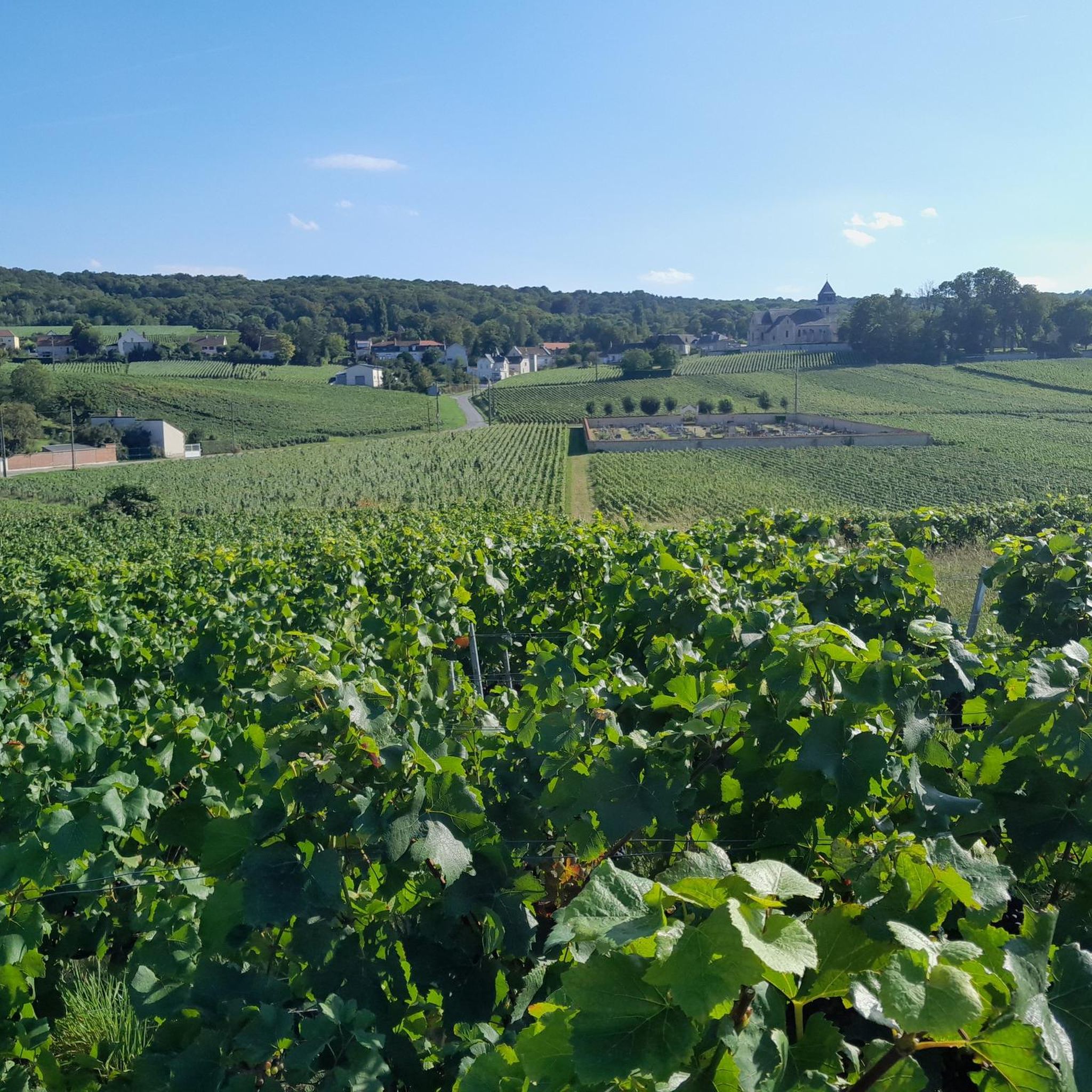
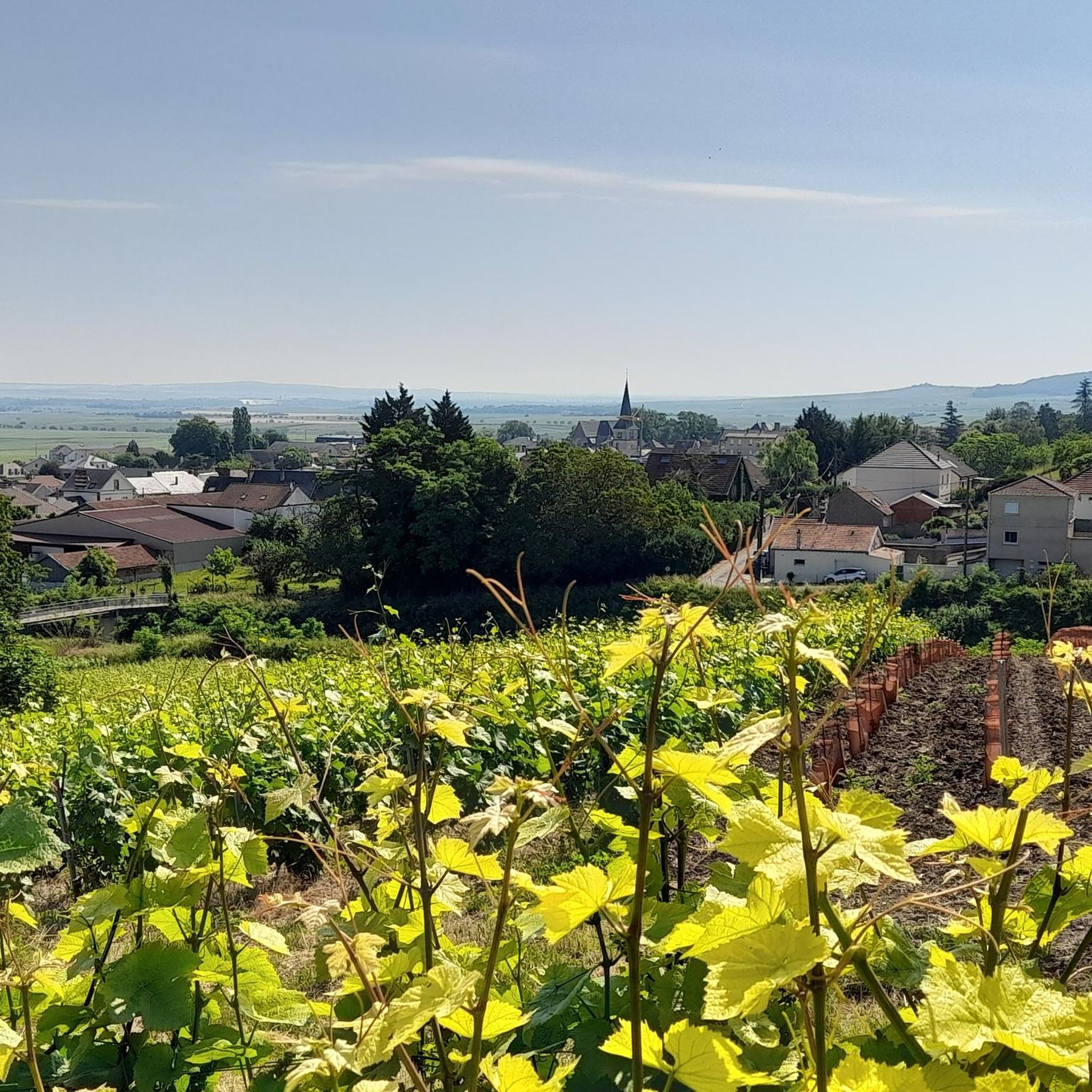
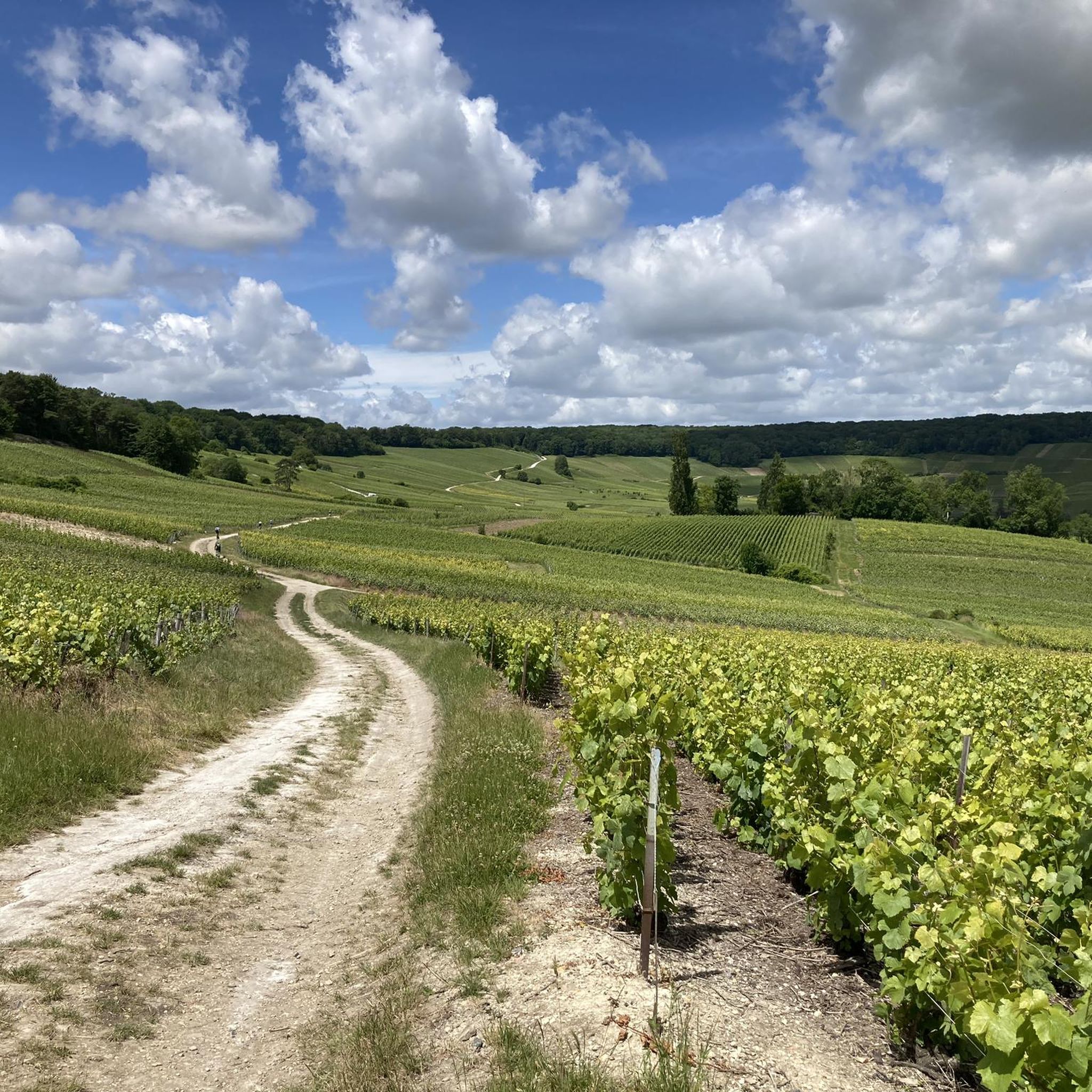
Best natural monuments around Chamery are found within the Montagne de Reims Regional Natural Park, a protected area known for its diverse landscapes. This region features dense forests, vine-covered hillsides, and waterways, offering a variety of natural features. Chamery is one of the municipalities nestled within this park, providing access to its natural beauty. The area is ideal for outdoor enthusiasts seeking natural monuments and tranquil exploration.
Best natural monuments around Chamery
- The most popular natural monuments is View of…
Last updated: June 22, 2026
Subé fountain
Highlight • Monument
Translated by Google •
Tip by

Mutigny Ponds
Highlight • Lake
Translated by Google •
Tip by

Sign up now to discover places like this
Get recommendations on the best single tracks, peaks, & plenty of other exciting outdoor places.
Sign up for free
Saint-Imoges Forest
Highlight • Forest
Translated by Google •
Tip by

Écueil Warren
Highlight • Forest
Translated by Google •
Tip by
Start today with a free account
Your next adventure awaits.
Login or Signup
Tips from the Community

From its inauguration, residents criticized the fountain's weak water flow of only 12 liters per second, and the nude naiads representing the rivers caused public controversy. During World War II, German occupiers removed the bronze statue, but remarkably the fountain remained intact despite 60% of Reims being destroyed during the war.
4
3
The Subé Fountain stands in Place Drouet-d'Erlon in central Reims, funded by local benefactor Auguste Subé's donation of 200000 gold francs and inaugurated on July 15, 1906. The 17-meter tall column, made from Corgoloin and Chassignelles stone and decorated with vine motifs, represents the city of Reims and local industries including commerce, viticulture, industry, and agriculture. At its base, four naiads symbolize the rivers Suippe, Marne, Vesle, and Aisne that flow through the Marne department, while a golden Victory statue crowns the top.
4
2

This fountain is a magnificent example of Belle Époque ornamentation, rich in symbolism about nature, economy and identity. Thanks to the donation of Subé, the artistic design of Narjoux c.s., and recent restorations, the monument is a beloved landmark and a reborn symbol of Reims.
4
1
This monumental fountain, the work of architect André Narjoux, was inaugurated in 1906. At the four corners of the pedestal are four statues symbolizing the rivers that supply the region with water: the Marne, the Vesle, the Suippe, and the Aisne. The bronze Winged Victory, taken by German soldiers in 1941, was replaced in an identical manner in 1989 thanks to a sponsored initiative.
4
1

Fontaine Subé is a monumental fountain located on the Place Drouet-d'Erlon in the centre of Reims, France. It was designed by the architect André Najoux in 1906 at the request of the wealthy benefactor Auguste Subé. The fountain features four statues symbolising the rivers that irrigate the region: the Marne, the Vesle, the Suippe and the Aisne. The fountain is topped by a bronze winged Victory, which was replaced in 1989 after the original was removed by the German occupiers in 1941. The fountain is one of the landmarks in Reims.
10
0

Beautiful square in the center of Reims with the Fontaine Sube...
1
2

A small forest/garenne with trails; attention, it is necessary to prefer longer pants because there can be nettles.
1
0
Altitude 275m. The total area of the forest is 1,507 ha. The forest is known for its wetlands and respective biodiversity. More info on the story https://www.saint-imoges.com/histoire
1
0
Frequently Asked Questions
What unique natural phenomena can I discover near Chamery?
The most remarkable natural phenomenon in the vicinity is undoubtedly the Faux de Verzy, located within the Verzy State Forest in the Montagne de Reims Regional Natural Park. These are unique dwarf beech trees with exceptionally twisted and gnarled trunks and branches, forming distinctive dome or umbrella-like shapes. It's an enchanting woodland experience, and a 3km accessible pathway allows visitors to admire these rare trees. You can learn more about them on Chalons-Tourisme.com.
What are some popular natural areas for outdoor activities around Chamery?
The entire region is part of the Montagne de Reims Regional Natural Park, offering diverse landscapes for outdoor enthusiasts. Key areas include the vast forests like the Saint-Imoges Forest, known for its wetlands and biodiversity, and the picturesque Tardenois of the Ardre Valley, where the Ardre river winds through vineyards and hills. The Mutigny Ponds also offer a calming landscape for easy walks.
Are there family-friendly natural monuments to visit?
Yes, several natural monuments are suitable for families. The Mutigny Ponds are great for easy hikes, and the Saint-Imoges Forest provides ample space for exploration. Additionally, the View of Hautvillers and the Vineyards offers a rewarding vista after a climb, with information boards for all ages.
Where can I find scenic viewpoints of the region's natural beauty?
For breathtaking views, head to the View of Hautvillers and the Vineyards. From its newly built viewing platform, you get a panoramic perspective of the Marnetal and the surrounding vineyards. The Mutigny Ponds also offer serene views of the landscape.
What kind of hiking opportunities are available near Chamery's natural monuments?
The area around Chamery, particularly within the Montagne de Reims Regional Natural Park, offers numerous hiking trails. You can find routes ranging from easy to difficult, such as the 'Trail of the Montagne de Reims' or the 'Biological vineyards loop from Écueil'. For more details and specific routes, explore the Hiking around Chamery guide.
Are there options for cycling or gravel biking near these natural sites?
Absolutely. The region is well-suited for cycling and gravel biking, with routes winding through vineyards, forests, and picturesque villages. You can find various tours, including challenging rides like the 'Marie Hautviller – Abbaye de Hautvillers loop' for road cycling or extensive gravel biking routes like the 'View to Champagne De Castellan – View of Hautvillers loop'. Check out the Cycling around Chamery guide and the Gravel biking around Chamery guide for detailed routes.
Can I bring my dog to the natural monuments around Chamery?
Many natural areas in the Montagne de Reims Regional Natural Park are dog-friendly, especially forests and open trails, provided dogs are kept on a leash. The Subé fountain in Reims is also noted as dog-friendly. Always check local signage for specific restrictions in protected areas or on private land.
What is the best time to visit the natural monuments around Chamery?
The best time to visit is generally from spring to autumn (April to October) when the weather is mild and the landscapes are vibrant. Spring brings blooming flora, while autumn offers stunning foliage, especially in the forests of the Montagne de Reims. Summer is also popular, but can be warmer. Winter can be beautiful for a different experience, but some trails might be muddy or icy.
Are there any historical or man-made monuments considered natural monuments in the area?
While primarily natural, some sites blend natural and historical significance. The Subé fountain in Reims, though man-made, is often included due to its monumental scale and symbolic representation of the region's rivers, making it a landmark within the broader natural context. The Saint-Imoges Forest also has a rich history, as detailed on its local website.
What kind of wildlife can I expect to see in the natural areas?
The Montagne de Reims Regional Natural Park is rich in biodiversity. Its vast forests are home to 36 mammal species, including deer, wild boar, and various smaller mammals. Birdwatchers can spot numerous bird species, and the wetlands support diverse amphibians and reptiles. Keep an eye out for local flora, with over 150 species of plants and trees thriving in the park's varied ecosystems.
Are there any easy walks or trails suitable for beginners near Chamery?
Yes, there are several easy options. The path around the Mutigny Ponds is described as an easy and friendly hike. Additionally, the Faux de Verzy has an accessible 3km pathway designed for easy exploration. For more structured easy routes, you can find trails like the 'Biological vineyards loop from Écueil' in the Hiking around Chamery guide.
Most popular routes around Chamery
Most popular attractions around Chamery

Get inspired with the komoot mobile app


Explore more
Extend your search for the best caves by checking out these guides of the top ones around Chamery:
