Top 18 Natural Monuments around Villelongue-Dels-Monts
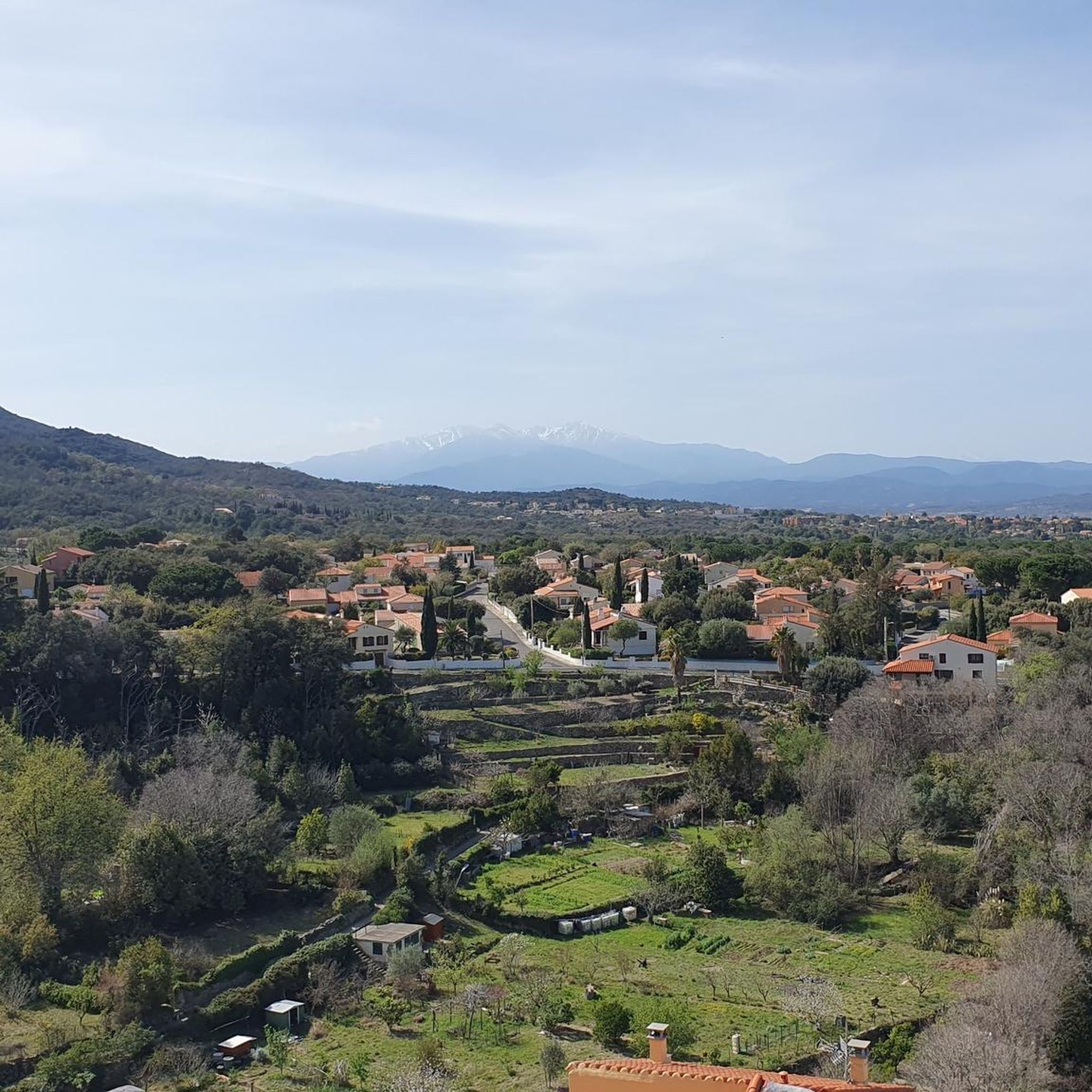
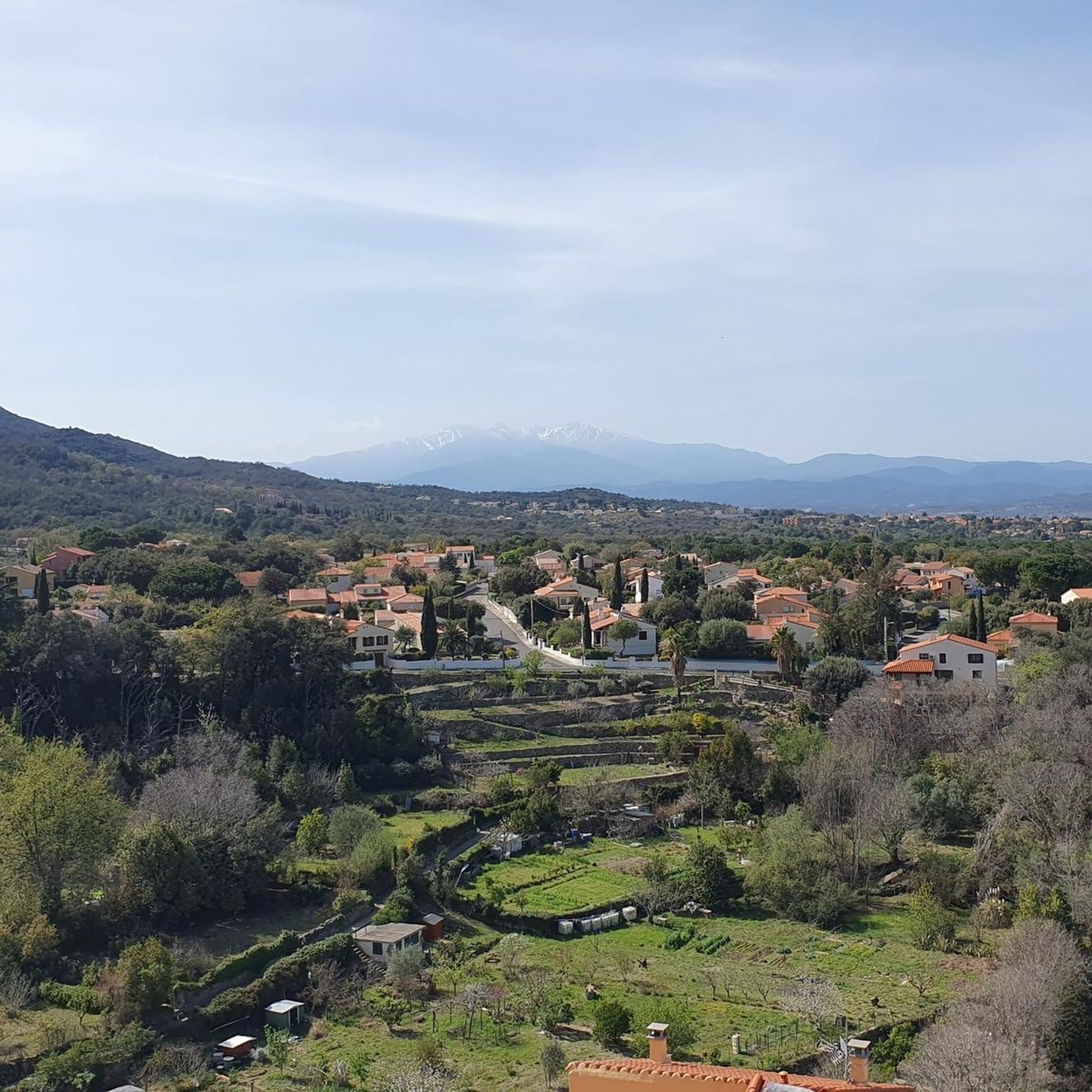
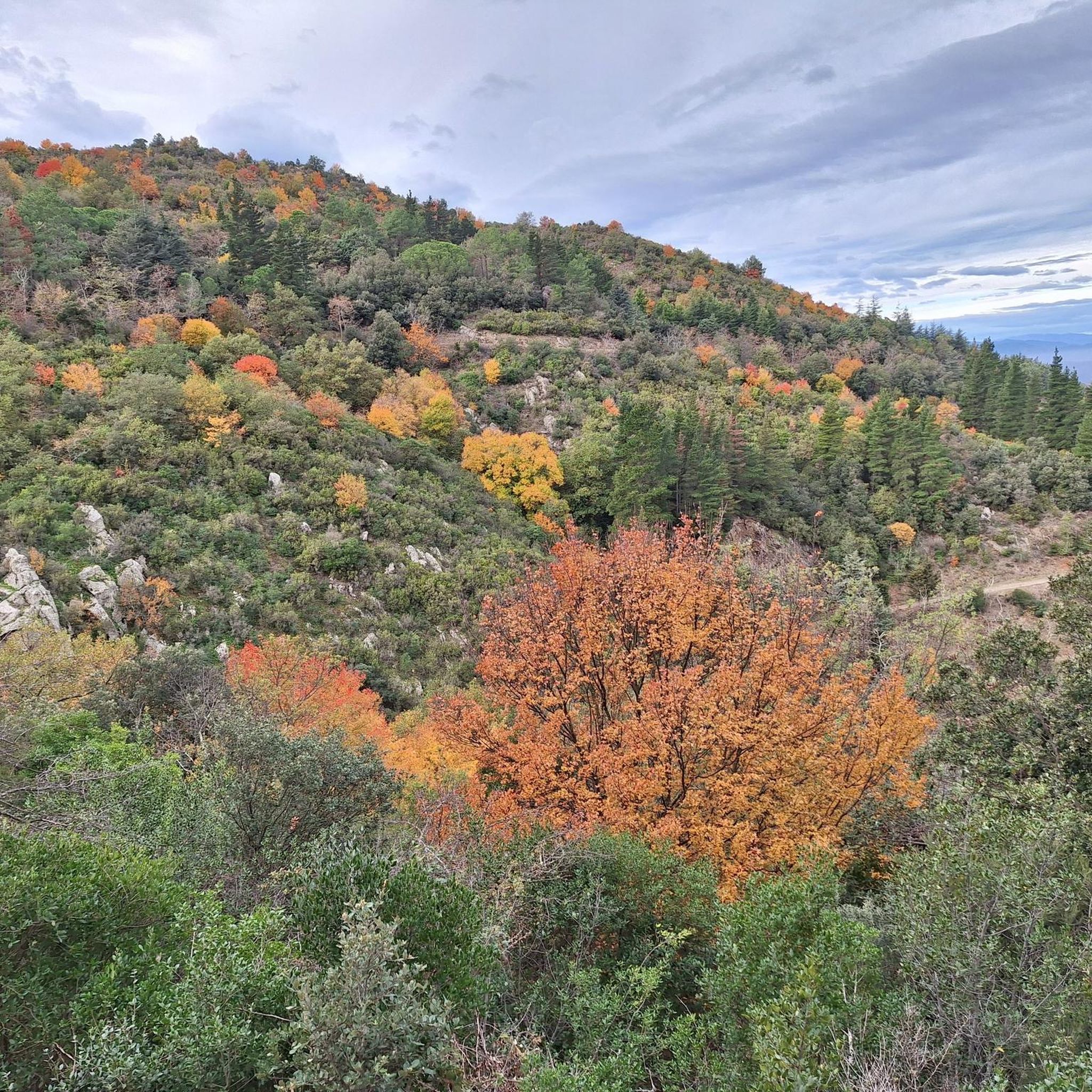
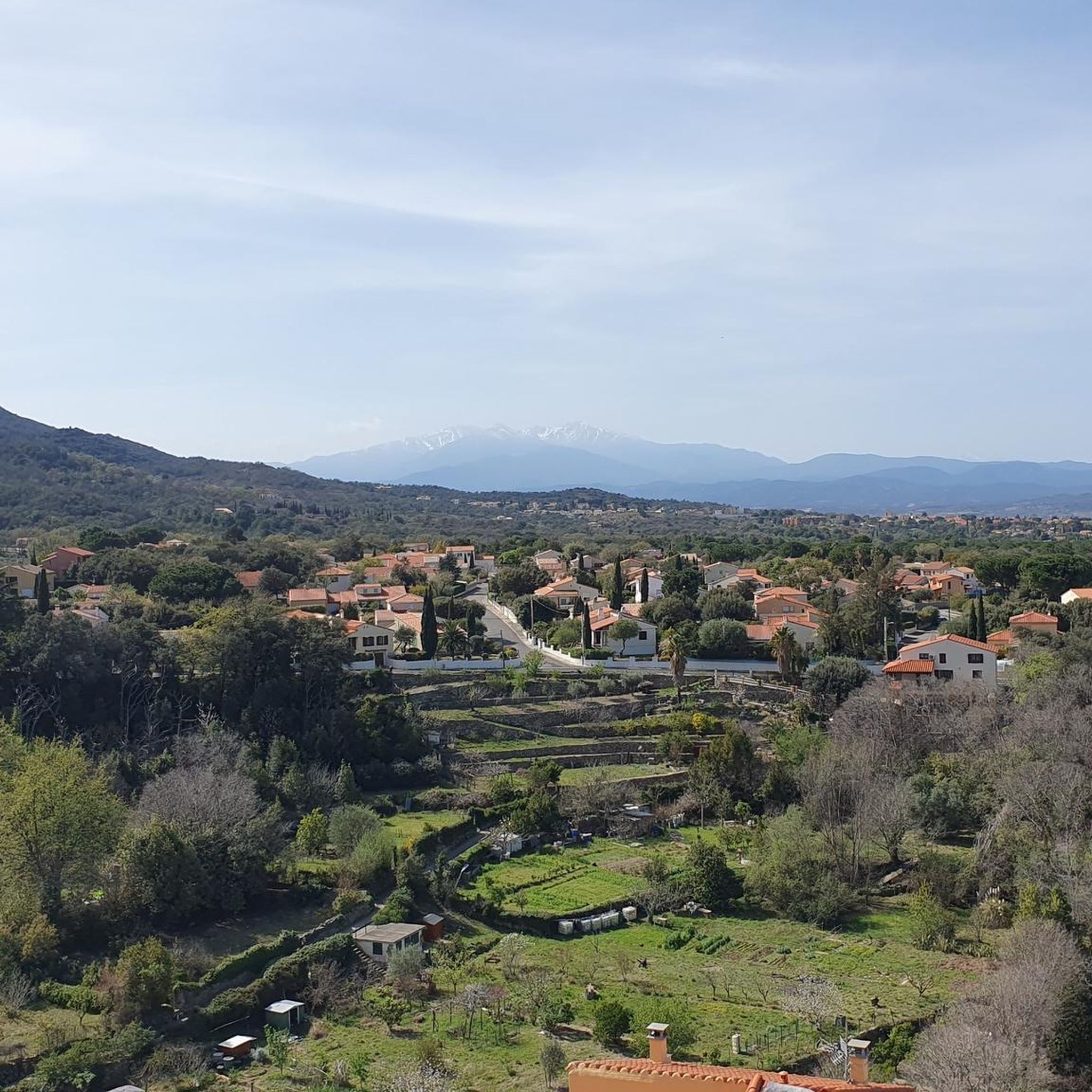
Best natural monuments around Villelongue-Dels-Monts are situated in the foothills of the Albères Massif, offering a preserved natural environment. This region features diverse ecosystems and significant geographic features. Visitors can explore a variety of natural sites, from mountain summits to tranquil lakes. The area provides opportunities for outdoor activities within its scenic landscapes.
Best natural monuments around Villelongue-Dels-Monts
- The most popular natural monuments is Puig Neulós, a summit that offers an impressive panorama over Roselló and Alt Empordà. Its…
Last updated: July 5, 2026
Puig Neulós
Highlight • Summit
Translated by Google •
Tip by

Font de l'Ocell
Highlight • Natural Monument
The Pave Mill's activity lasted until the end of the 19th century. It was inhabited …
Translated by Google •
Tip by

Sign up now to discover places like this
Get recommendations on the best single tracks, peaks, & plenty of other exciting outdoor places.
Sign up for free
Cork Oak Trees
Highlight • Forest
The cork oak is a tree found mainly in the western Mediterranean and is known for its bark, which …
Translated by Google •
Tip by

Natural Area of National Interest of the Albera Massif
Highlight • Natural Monument
Translated by Google •
Tip by

Tour de la Massane
Highlight • Historical Site
Translated by Google •
Tip by

Sign up for free to discover even more natural monuments around Villelongue-Dels-Monts.
Sign up for free
Already have an account?
Start today with a free account
Your next adventure awaits.
Login or Signup

Tips from the Community

We completed this route on August 29, 2025, and upon reaching the dolmen, we were unable to continue because the trail was closed. We had to return along the same path we had taken. The return trail was closed because it crossed private property.
0
0


Built in the 13th century, its original function was to watch over the coast and warn of possible invasions. Today, it is a popular hiking destination due to its location on a hilltop that offers spectacular panoramic views.
0
0
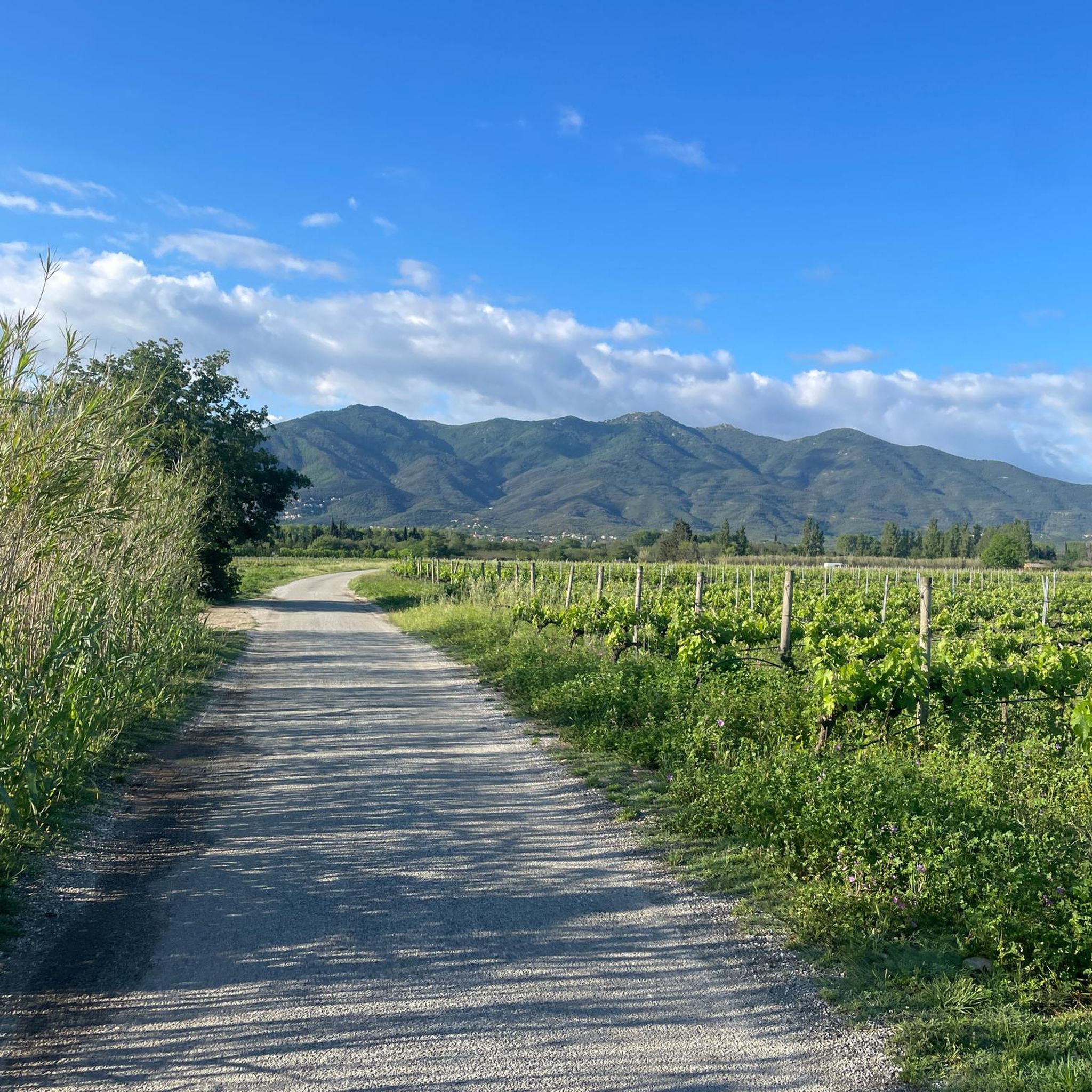
Very beautiful but better to visit on foot or with a MTB instead of a gravel bike :-)
2
0

Magnificent view ! It’s worth going up there 🤩🤩
6
0

Infernal ascent, when the trees disappear and you seem to be at the top, the pit is waiting for you. Reserve your strength because the last kilometer, despite being on asphalt, is HELL!
6
0

The Pave Mill is an old grain mill supplied with water from the village canal. The Pave Mill's activity lasted until the end of the 19th century. It was inhabited until 1942 and then fell into disrepair. It became municipal property and was restored in 2006 by the Laroque Heritage Association in collaboration with the municipality. The volunteers of this association installed a roof to strengthen and “waterproof” the building. The miller's workshop (on the ground floor) and his accommodation (on the upper floor) are currently being completely restored. The association is actively looking for a millstone that could help complete the work.
10
0
Frequently Asked Questions
What are some popular hiking trails around Villelongue-Dels-Monts' natural monuments?
The region offers diverse hiking experiences. You can embark on the climb to Puig Neulós, the highest point of the Albères massif, which provides an impressive panorama. Another rewarding hike is to the Tour de la Massane, a historical site with wonderful coastal views. For a challenging ascent with natural springs, consider the trail to Coll de l'Espinassa. The Massif des Albères itself is crisscrossed with numerous marked trails.
Where can I find the best panoramic views in the area?
For breathtaking vistas, head to Puig Neulós, which offers an impressive panorama over Roselló and Alt Empordà. The Puig Saint-Christau Summit also provides 'sumptuous panoramas' of the surrounding area. From the Tour de la Massane, you can enjoy a wonderful view of the coast on a clear day. Coll de l'Espinassa offers scenic views of the Roussillon plain, Les Aspres, and Canigou.
Are there family-friendly natural monuments or walks in Villelongue-Dels-Monts?
Yes, there are several options suitable for families. The Lake at Villelongue-dels-Monts offers a tranquil setting for leisurely strolls, taking approximately an hour to walk around. You can also visit Font de l'Ocell, a forest spring that is considered family-friendly. Exploring the areas with Cork Oak Trees can also be an educational and enjoyable experience for families.
What kind of natural features can I explore in the region?
The region boasts a wild and preserved natural environment. You can explore prominent mountain summits like Puig Neulós and Puig Saint-Christau, tranquil bodies of water such as the Lake at Villelongue-dels-Monts, and lush forests, including those with ancient Cork Oak Trees. Natural springs like Font de l'Ocell are also notable features.
Are there any historical sites integrated with the natural monuments?
Absolutely. The Tour de la Massane is a medieval watchtower offering historical context alongside its natural views. The Natural Area of National Interest of the Albera Massif is rich in megalithic monuments and Romanesque art, including the monumental Benedictine monastery of Sant Quirze de Colera and the Requesens castle.
What outdoor activities can I do near these natural monuments?
Beyond hiking, the area around Villelongue-Dels-Monts is excellent for various outdoor activities. You can find numerous cycling routes, including those for touring bicycles and road cycling, as well as challenging MTB trails. For more details on routes, you can explore the Cycling around Villelongue-Dels-Monts, MTB Trails around Villelongue-Dels-Monts, and Road Cycling Routes around Villelongue-Dels-Monts guides.
What is the best time to visit the natural monuments in Villelongue-Dels-Monts?
The region's natural beauty can be enjoyed throughout much of the year. Spring and autumn generally offer pleasant temperatures for hiking and exploring. Summers can be warm, but many trails, like the ascent to Puig Saint-Christau, are mostly shaded. Always check local weather conditions before your visit, especially for mountain excursions.
Are there any unique natural phenomena or geological formations to see?
The region is part of the Albères Massif, which is the easternmost sector of the Pyrenees, offering unique geological formations. You can observe the distinctive Cork Oak Trees, known for their unique bark. The area also features numerous natural springs, such as Font de l'Ocell, and the varied terrain of the massif itself.
What do visitors enjoy most about the natural monuments around Villelongue-Dels-Monts?
Visitors frequently praise the 'sumptuous panoramas' from summits like Puig Saint-Christau and Puig Neulós. The tranquil setting of the Lake at Villelongue-dels-Monts for leisurely walks and observing flora and fauna is also highly appreciated. The perfectly tempered, delicious water of Font de l'Ocell is a local favorite. The overall wild and preserved natural environment, offering fresh air and scenic beauty, is a major draw.
Are there any natural monuments that are particularly challenging to reach?
Yes, some natural monuments offer more challenging experiences. The ascent to Puig Neulós and the hike to the Tour de la Massane are considered challenging due to their elevation gain. The Puig Saint-Christau Summit, while manageable, can have unstable stones and slippery leaves on the descent, making hiking poles recommended. Coll de l'Espinassa involves a 'beautiful, steady climb'.
Can I spot wildlife in the natural areas?
The region's wild and preserved natural environment supports diverse ecosystems, offering opportunities for wildlife observation. Around the Lake at Villelongue-dels-Monts, you might spot local flora and fauna, including a herd of sheep, indicating the area's pastoral charm. The Natural Area of National Interest of the Albera Massif is an important part of the Mediterranean ecosystem, providing habitat for a wide variety of animal and plant species.
Are there any natural springs or water sources along the trails?
Yes, natural water sources are a charming feature of some trails. Font de l'Ocell is a well-known forest spring with perfectly tempered water, preferred by locals. The hike to Coll de l'Espinassa is notable for featuring 'no fewer than six working fountains' along the way, providing natural fresh water.
Most popular routes around Villelongue-Dels-Monts
Most popular attractions around Villelongue-Dels-Monts

Get inspired with the komoot mobile app


Explore more
Extend your search for the best caves by checking out these guides of the top ones around Villelongue-Dels-Monts:
