Top 4 Natural Monuments around Gincla
Best natural monuments around Gincla include several natural features such as gorges, summits, and viewpoints. The region's landscape is characterized by impressive rock formations, winding rivers, and elevated peaks offering panoramic vistas. These natural monuments provide opportunities for exploring diverse terrain, from river valleys to mountain summits. Gincla's natural environment is part of the Corbières-Fenouillèdes Regional Natural Park, highlighting its ecological significance.
Best natural monuments around Gincla
- The most popular natural monuments is Gorges de Saint-Georges, a gorge that…
Last updated: June 22, 2026
Gorges de Saint-Georges
Highlight (Segment) • Gorge
Translated by Google •
Tip by

Gorges of Saint-Jaume
Highlight • Gorge
Translated by Google •
Tip by

Sign up now to discover places like this
Get recommendations on the best single tracks, peaks, & plenty of other exciting outdoor places.
Sign up for free
Rousillon Peak
Highlight • Viewpoint
Translated by Google •
Tip by

Pic Dourmidou
Highlight • Summit
The highest point in the Corbières-Fenouillèdes Natural Park.
Its name in Catalan …
Translated by Google •
Tip by

Panorama of the Rocky Chaos of Pic du Roussillon
Highlight (Segment) • Viewpoint
Translated by Google •
Tip by

Sign up for free to discover even more natural monuments around Gincla.
Sign up for free
Already have an account?
Start today with a free account
Your next adventure awaits.
Login or Signup

Tips from the Community

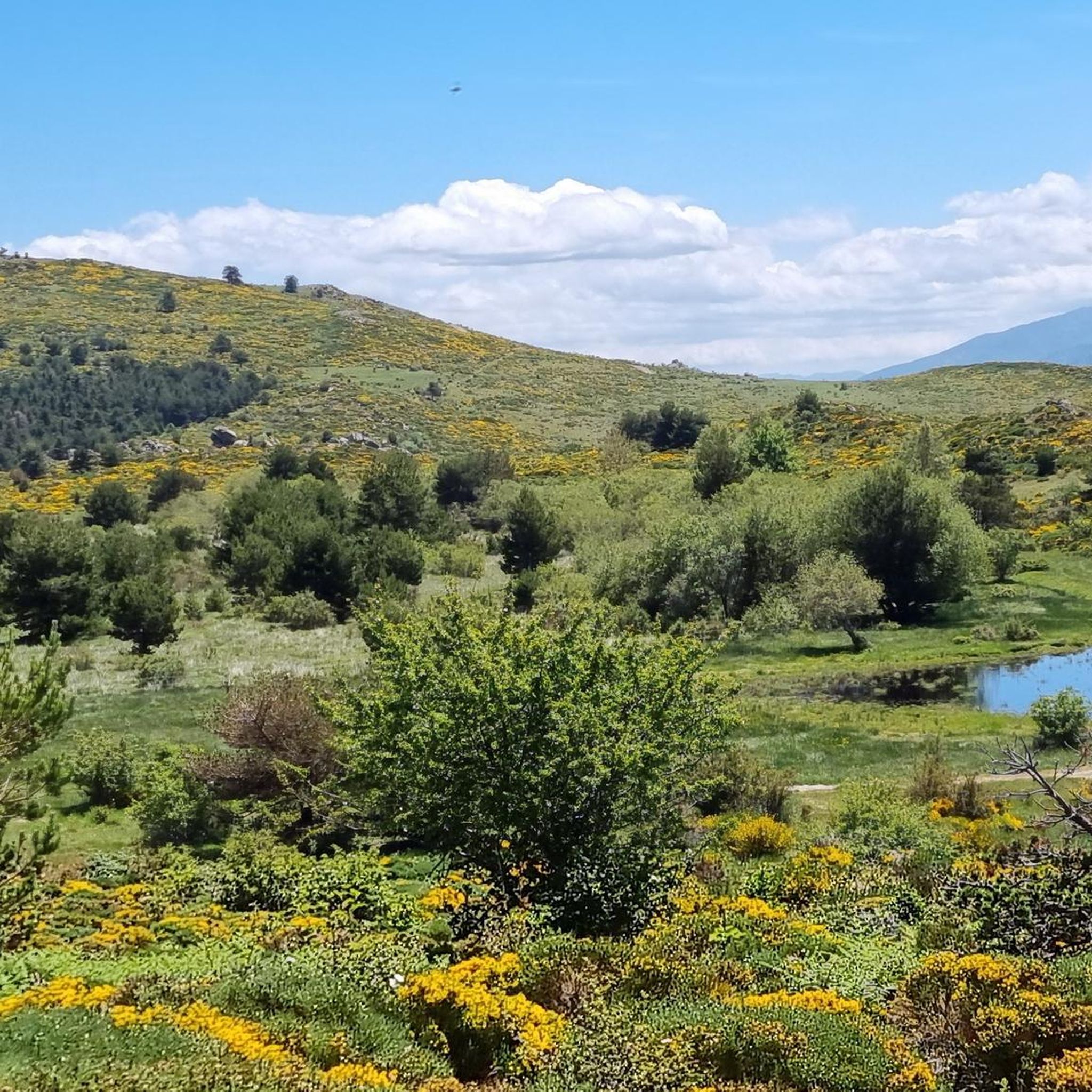
Dourmidou Peak (el Dormidor in Catalan), 1,843 m above sea level, is a peak in the French Pyrenees. The highest point in the Corbières-Fenouillèdes Natural Park. Its name in Catalan is Dormidor, meaning "dormitory," meaning the place where cattle come to sleep in the summer. It is easily accessible from the Col de Jau.
0
0

Yes, you can hike up the Pic du Roussillon (1314 m) if you are in the area, although it is not a monster highlight. The route shown on Komoot does not always match the well-marked route on site. Depending on where you start, we recommend the route down in the valley along the Canal de Molitg, a small water-bearing canal that runs as a black line on the map between Mosset and Molitg-les Bains.
1
0

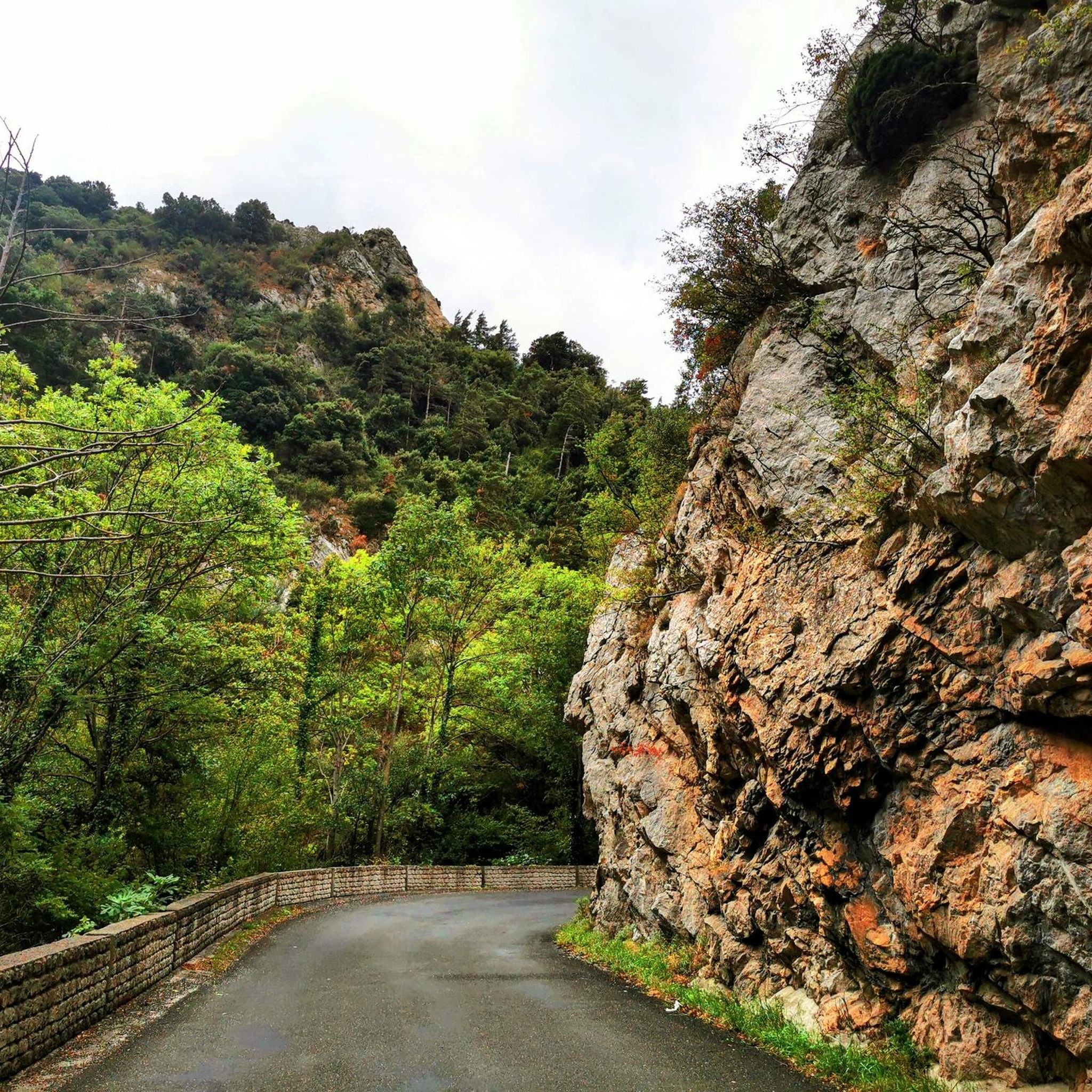
Superb passage in the hollow of the gorges. You follow a refreshing watercourse which winds its way between impressive rock walls.
0
0

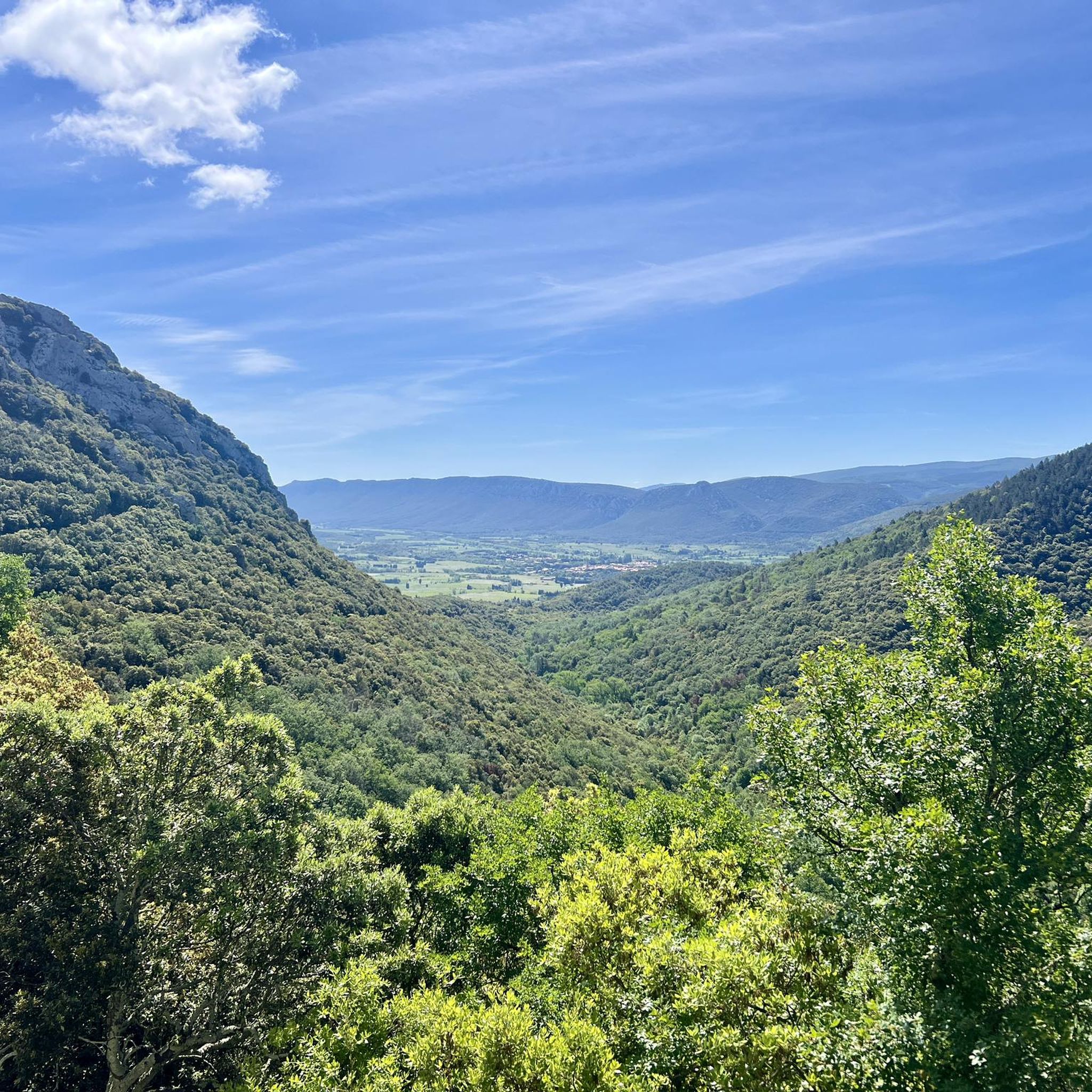
Very nice walk within the Corbières-Fenouillèdes Regional Natural Park in the gorges of the Saint-Jaume river. By crossing numerous small, well-appointed footbridges, you arrive at Fenouillet and its fortress.
1
0

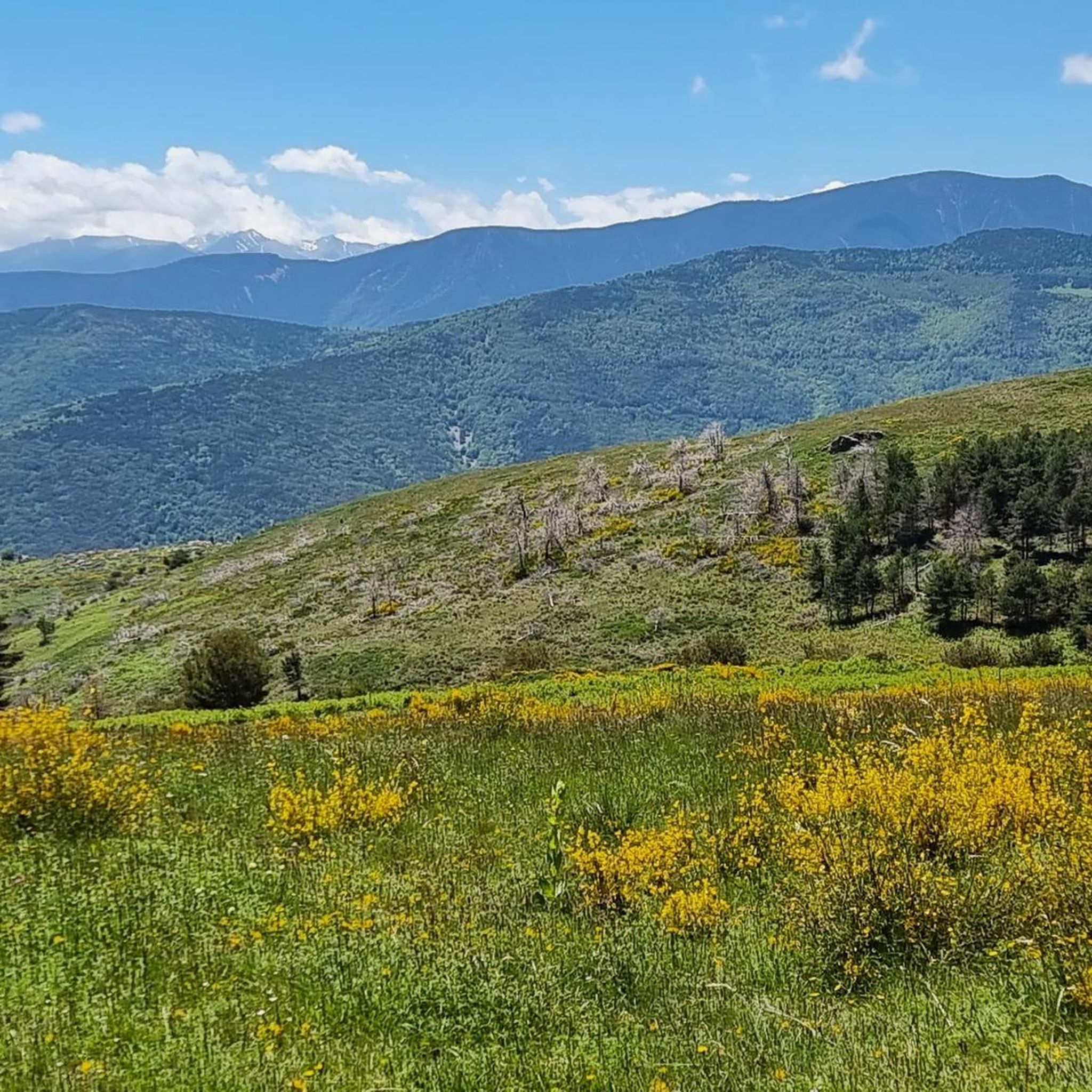
Striking contrast between the wooded countryside and the "panoramic" landscape with the Canigou in the background
0
0
Striking contrast between ubac and panoramic adret with the Canigou massif in the background - the shortcut taken should be avoided due to the slope and congestion!
0
0


Frequently Asked Questions
What types of natural monuments can I explore around Gincla?
The natural monuments around Gincla primarily feature impressive gorges, elevated summits, and scenic viewpoints. You'll find diverse landscapes ranging from river valleys with winding watercourses to mountain peaks offering panoramic vistas. The region is part of the Corbières-Fenouillèdes Regional Natural Park, highlighting its rich ecological significance.
Which natural monuments are most popular with visitors in Gincla?
Among the most popular natural monuments are the Gorges de Saint-Georges, known for its refreshing watercourse between impressive rock walls, and the Gorges of Saint-Jaume, where you can walk along the river and find opportunities for swimming. Another favorite is Rousillon Peak, a summit offering notable views.
Are there family-friendly natural attractions around Gincla?
Yes, the Gorges of Saint-Jaume offers a very nice walk along the Saint-Jaume river, crossing numerous small, well-appointed footbridges. Visitors often enjoy swimming there, making it a suitable option for families looking for a refreshing outdoor experience.
What kind of hiking experiences can I expect at Gincla's natural monuments?
Hiking around Gincla's natural monuments offers a range of experiences, from moderate walks through gorges to more challenging ascents to summits. For example, the Rousillon Peak is a notable hiking destination, while trails around the Gorges of Saint-Jaume provide moderate river walks. You can find various hiking routes, including easy to difficult options, by exploring the hiking guide for Gincla.
Are there opportunities for swimming or water activities at these natural monuments?
Yes, the Gorges of Saint-Jaume is particularly noted for its very nice setting and swimming opportunities along the Saint-Jaume river.
What is the typical difficulty level for visiting Gincla's natural monuments?
Many of the natural monuments, such as the Gorges de Saint-Georges, Gorges of Saint-Jaume, and Rousillon Peak, are categorized as 'intermediate' difficulty. This suggests that while they are accessible, they may involve some uneven terrain or moderate ascents. There are also easy and difficult routes available in the wider area, as detailed in the hiking guide.
Can I find other outdoor activities near Gincla's natural monuments?
Absolutely. Besides hiking, the area around Gincla offers excellent opportunities for cycling and running. You can explore various routes, from difficult cycling loops like the 'Col de Jau – Jau and its cows loop' to moderate running trails. For more details, check out the cycling guide and running trails guide for Gincla.
Are there any high-altitude natural monuments or viewpoints in the region?
Yes, Gincla is home to several elevated natural monuments. Rousillon Peak reaches 1314 meters and is a notable hiking destination with views. Further up, Pic Dourmidou, at 1,843 meters, is the highest point in the Corbières-Fenouillèdes Natural Park, offering expansive vistas.
What makes the <a href="https://www.komoot.com/highlight/587749" target="_blank" rel="noopener">Gorges de Saint-Georges</a> unique?
The Gorges de Saint-Georges is unique for its superb passage in the hollow of the gorges, where a refreshing watercourse winds between impressive rock walls. It offers a spectacular backdrop of endless rocky outcrops and the L'Aude river, making it a memorable experience for visitors.
What is the significance of <a href="https://www.komoot.com/highlight/7389021" target="_blank" rel="noopener">Pic Dourmidou</a>?
Pic Dourmidou, also known as el Dormidor, is significant as the highest point in the Corbières-Fenouillèdes Natural Park, standing at 1,843 meters. Its name, meaning 'dormitory' in Catalan, refers to its historical use as a place where cattle would rest in the summer. It offers stunning views and is easily accessible from the Col de Jau.
Are there any natural monuments offering panoramic views of the landscape?
Yes, several natural monuments provide excellent panoramic views. Rousillon Peak and Pic Dourmidou are both summits offering wide vistas. Additionally, the Panorama of the Rocky Chaos of Pic du Roussillon provides a striking contrast between wooded countryside and panoramic views, with the Canigou massif often visible in the background.
Most popular routes around Gincla
Most popular attractions around Gincla

Get inspired with the komoot mobile app


Explore more
Extend your search for the best caves by checking out these guides of the top ones around Gincla:
