Top 12 Natural Monuments around La Rochette
Best natural monuments around La Rochette are characterized by volcanic origins and high-altitude passes. This region features prominent summits and viewpoints offering extensive panoramas. The landscape includes diverse geological formations and serves as an important watershed. These natural areas provide opportunities for exploration and observation of unique features.
Best natural monuments around La Rochette
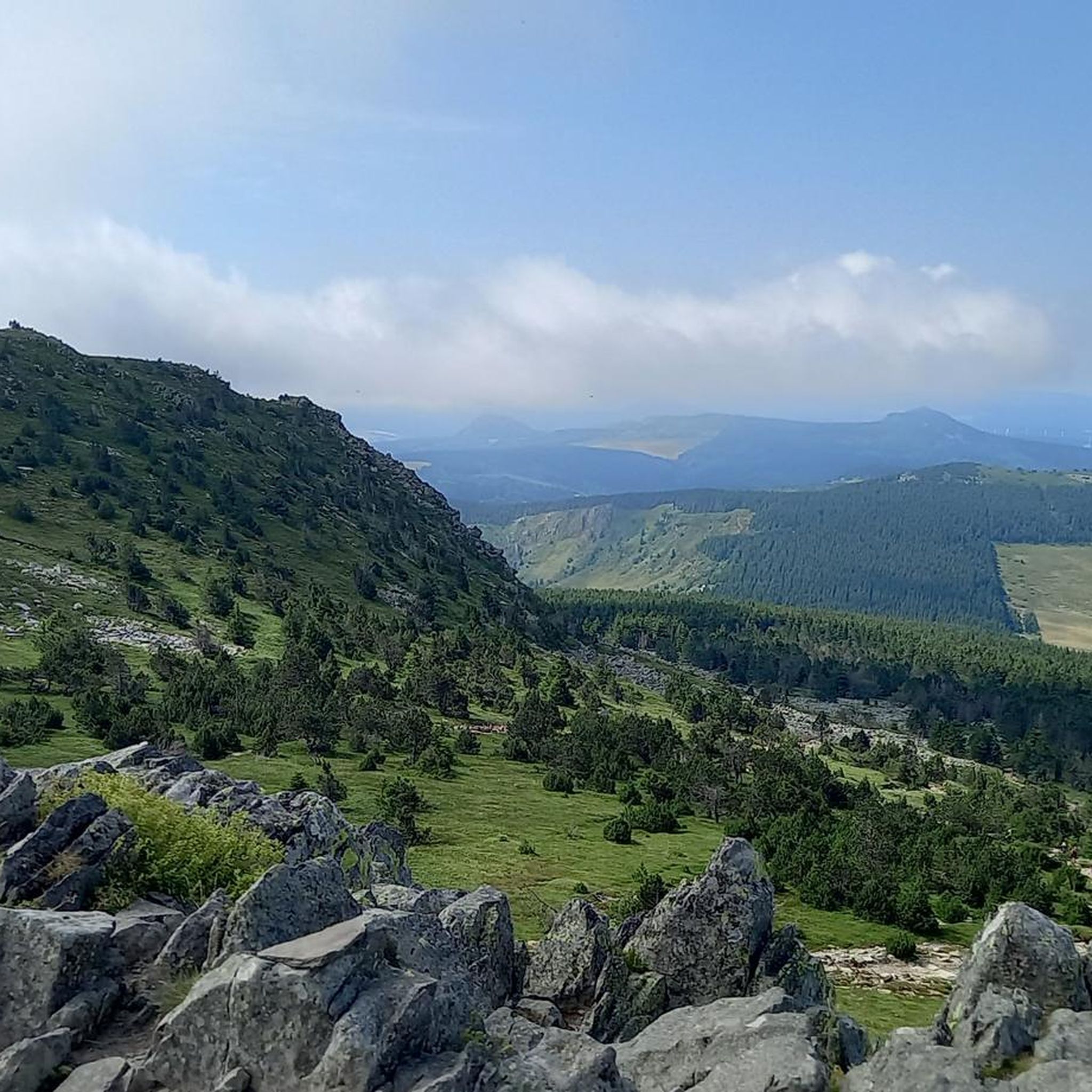
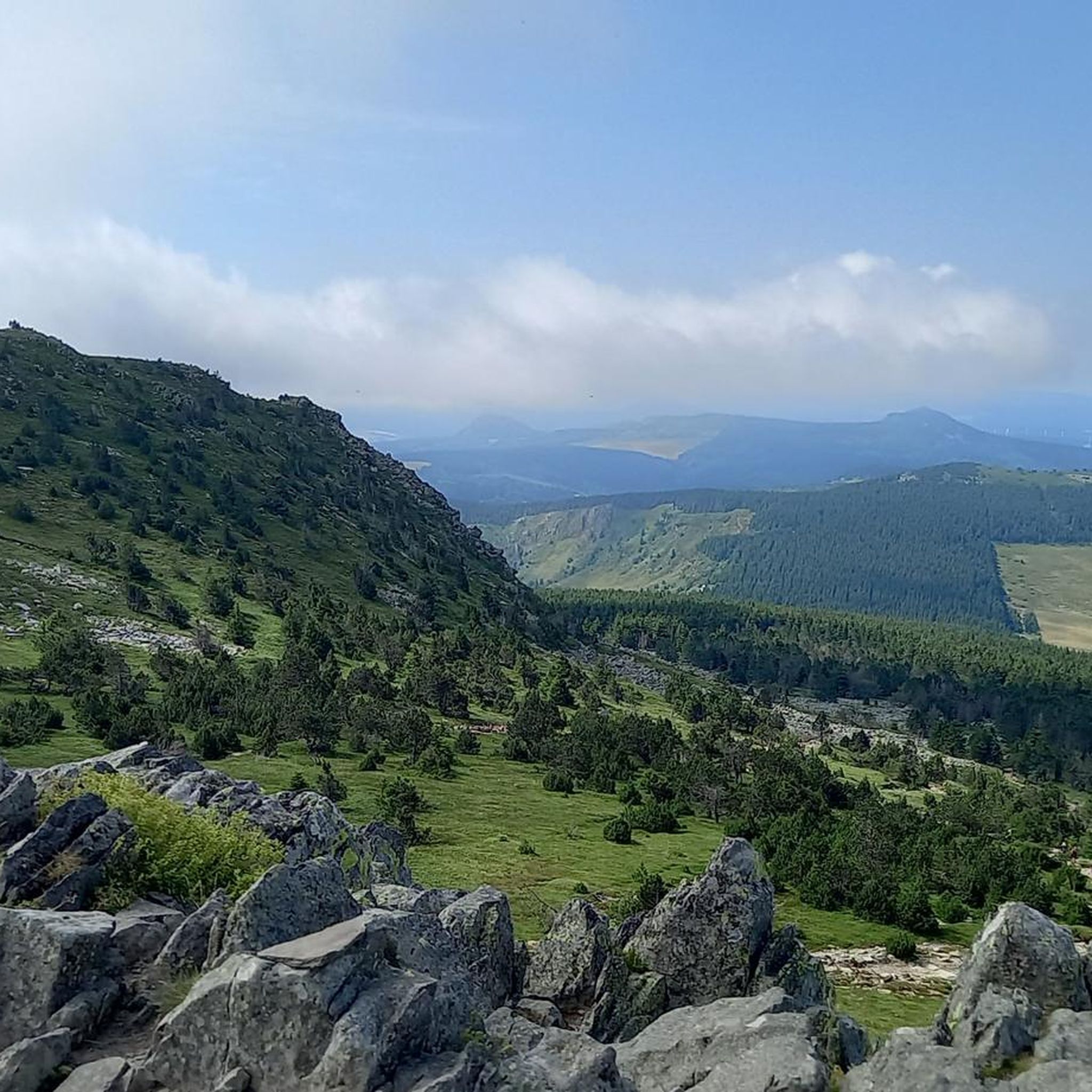
- The most popular natural monuments is South summit of Mont Mézenc, a summit that offers an incredible view of the departments of Ardèche and Haute-Loire.…
Last updated: June 22, 2026
South summit of Mont Mézenc
Highlight • Summit
You are also precisely on the watershed line.
Translated by Google •
Tip by

Mount Gerbier de Jonc
Highlight • Summit
Translated by Google •
Tip by

Sign up now to discover places like this
Get recommendations on the best single tracks, peaks, & plenty of other exciting outdoor places.
Sign up for free
Boutières Cross Pass
Highlight • Mountain Pass
Translated by Google •
Tip by

Tchier de Borée
Highlight • Monument
Translated by Google •
Tip by

Mount Gerbier de Jonc
Highlight • Summit
Tip by

Sign up for free to discover even more natural monuments around La Rochette.
Sign up for free
Already have an account?
Start today with a free account
Your next adventure awaits.
Login or Signup

Tips from the Community

The Tchier de Borée is a contemporary artwork situated in the heart of the volcanic landscapes of the Boutières region. Created in 2008 by Fabienne Versé and Serge Boyer, this megalithic installation comprises 70 standing stones arranged in a circle 80 meters in diameter. Each stone bears a symbol or message: runes, astrological signs, natural elements (air, water, fire, earth), winds, mythology… The word “Tchier” (from the local dialect) means “pile of stones”: a tribute to stone, time, and the memory of the land. https://www.montagnedardeche.com/patrimoine-culturel/tchier-de-boree-2634/
0
0

Lots of hikers. Be polite and share the trail. The descent with the small steps is a treat.
0
0


One of the most beautiful viewpoints in the region with the village of Borée, at the foot of the Sucs and Mont Mézenc
0
0
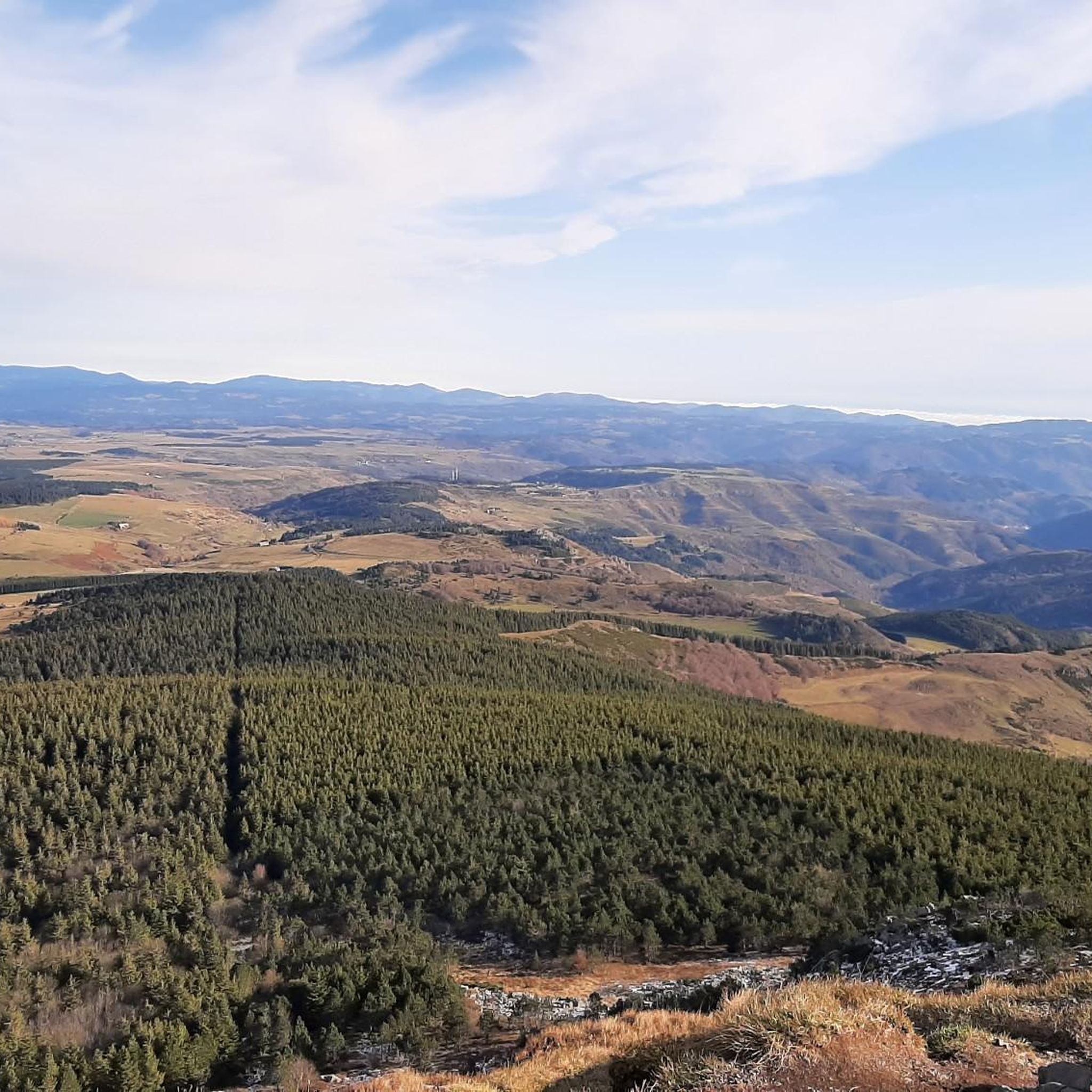
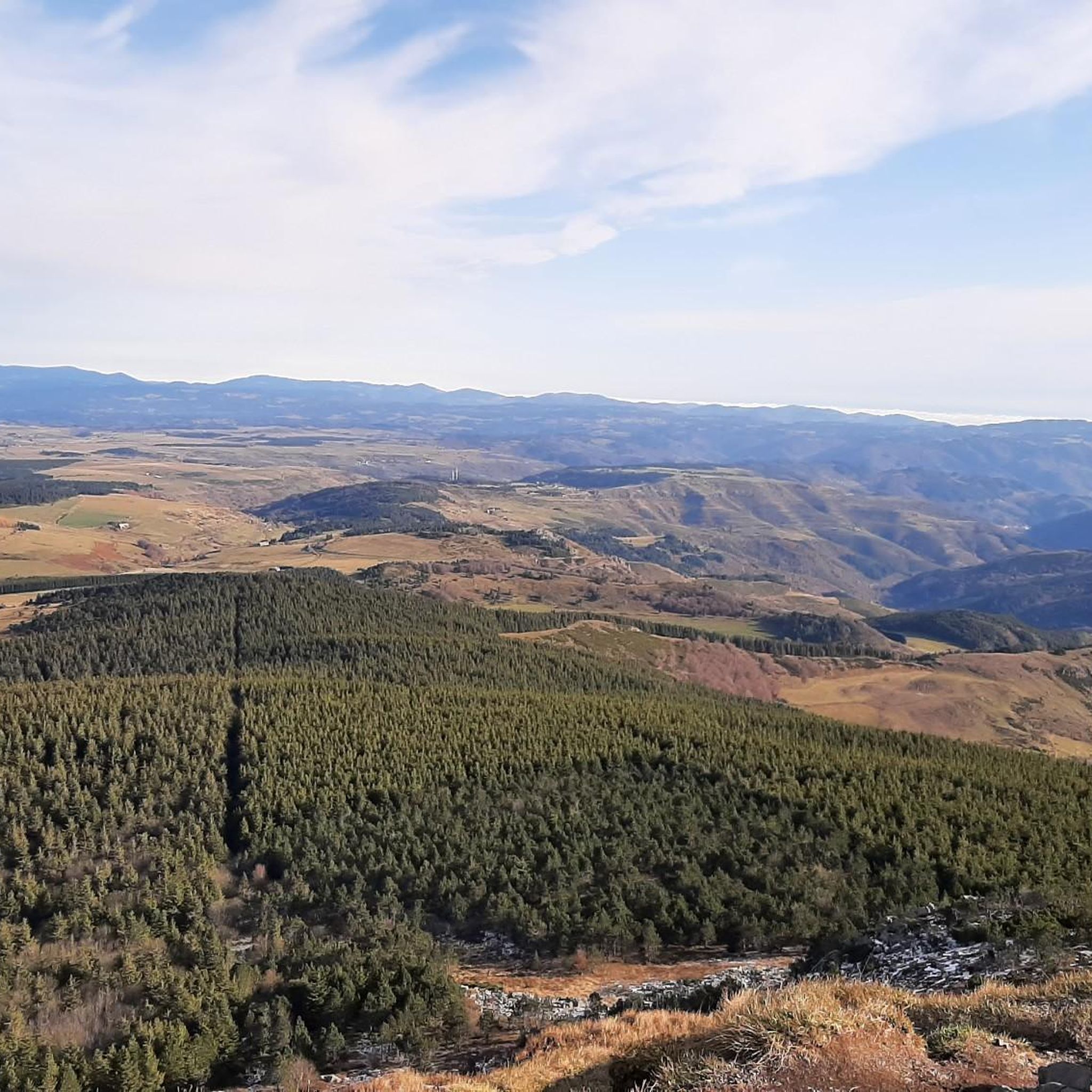
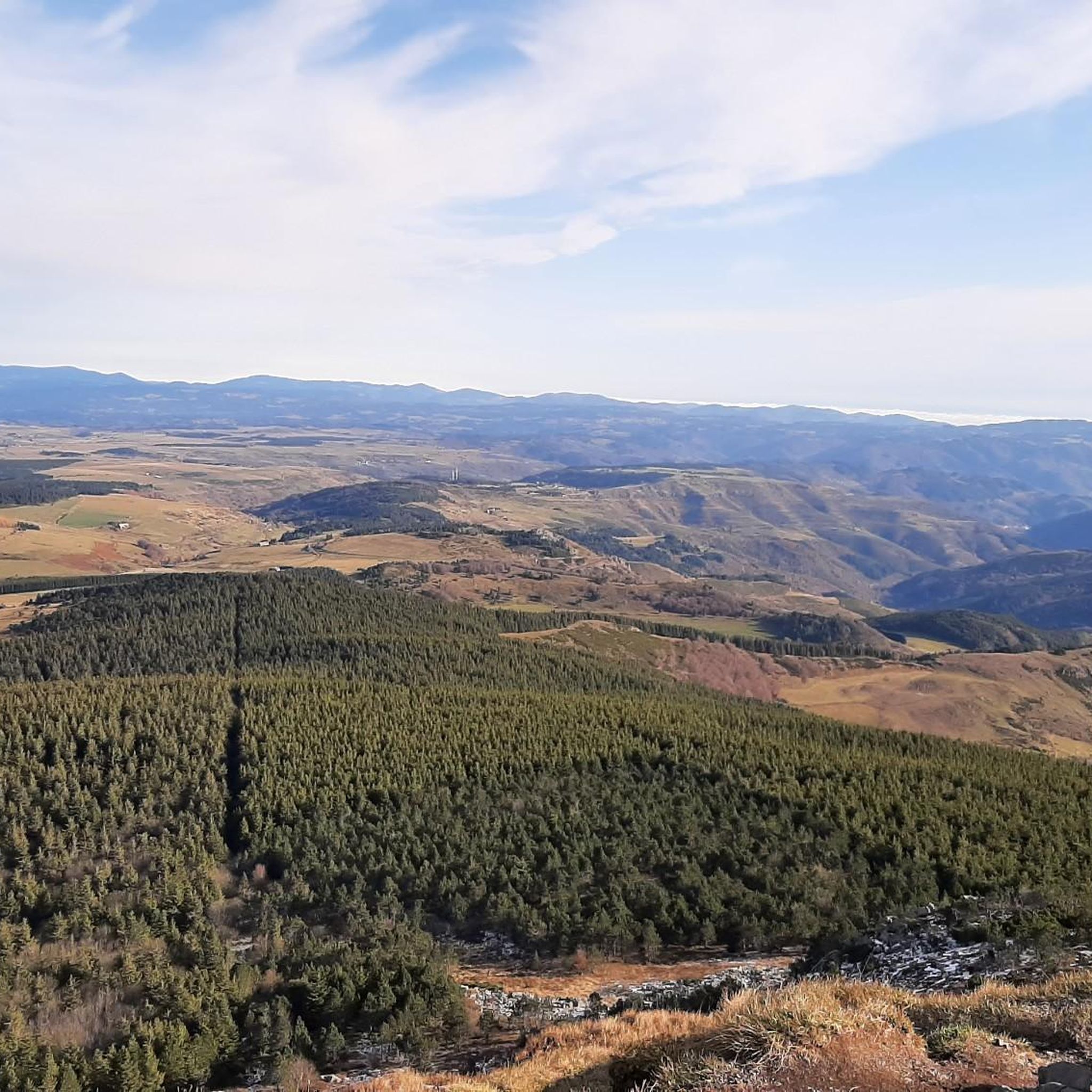
A pass at an altitude of over 1500 m. It is the highest in Ardèche.
0
0

Mont Gerbier-de-Jonc is one of the highest peaks of the Monts d'Ardèche in the south-eastern Massif Central. The mountain itself is a striking, extinct volcanic cone with a good view over the Massif Central. The ascent and descent require some fitness and good footwear. There are a few short climbing rocks that cannot be avoided. But the view is worth it.
0
0

20 minutes but only for the very experienced :-) We took our time and enjoyed the landscape and view - a good two hours of enjoyment :-)
0
0

Contemporary work by Fabienne and Serge Boÿer: Glypheins sculptors. 70 stones engraved with symbols, myths of the country of Boutières, allegory. The cultural history of the high country of Boutières is told through nine themes: memory, reflection and philosophers, secrets and desires, travelers and pilgrims, astronomers and cartographers.
0
0
Frequently Asked Questions
What are the most popular natural monuments to visit around La Rochette?
Among the most popular natural monuments, you'll find the South summit of Mont Mézenc, offering incredible 360-degree views of the Ardèche and Haute-Loire departments. Another favorite is Mount Gerbier de Jonc, a volcanic peak known for being the official source of the Loire River and providing a panoramic vista after a fun climb. The Boutières Cross Pass is also highly regarded for its spectacular viewing spot and its role in the region's watershed.
Are there any family-friendly natural monuments or activities near La Rochette?
Yes, Mount Gerbier de Jonc is often recommended for families, as the climb is described as fun and safe for children, with a rewarding view at the top. Additionally, the Tchier de Borée, an artistic site with carved stones, is considered family-friendly and offers a superb view of the village of Borée and Mont Mézenc.
What kind of outdoor activities can I do near these natural monuments?
The region around La Rochette is excellent for various outdoor activities. You can find numerous hiking trails, including loops around Mont Mézenc and the Narces de Chaudeyrolles. For those who enjoy running, there are dedicated running trails, such as the Mont Mézenc loop from Les Estables. Gravel biking is also popular, with routes like the Col du Gerbier de Jonc – Boutières Cross Pass loop, which you can explore through the Gravel biking around La Rochette guide.
What unique natural features can I observe in the La Rochette area?
The natural monuments around La Rochette are characterized by their volcanic origins, such as Mount Gerbier de Jonc. You can also observe significant watershed lines at locations like the South summit of Mont Mézenc and the Boutières Cross Pass, which play a role in the equitable sharing of water between the Mediterranean Sea and the Atlantic Ocean. The region also features high-altitude passes and diverse geological formations.
Are there any historical or cultural sites among the natural monuments?
Yes, the Tchier de Borée is a notable site that combines natural beauty with cultural history. It features 70 carved stones by sculptors Fabienne and Serge Boÿer, depicting symbols and myths of the Boutières region, telling the cultural history of the high country through nine themes.
What is the best time of year to visit the natural monuments around La Rochette?
While specific recommendations vary by location, generally, spring and summer offer pleasant conditions for exploring, with vibrant wildflowers along riverbanks like the Seille in Savoie. For higher altitude monuments like Mount Gerbier de Jonc, summer can provide a welcome cooler climate compared to lower elevations. Always check local weather conditions before your visit, especially for mountain passes.
Are there any easy hikes to natural monuments in the area?
Many of the natural monuments offer accessible paths, though some, like the climb to Mount Gerbier de Jonc, involve narrow paths and light scrambling. For a more leisurely experience, the Bois de la Rochette in Seine-et-Marne offers 10 km of forest paths, including a 3.5 km blue loop, suitable for nature walks. The hike to Napoleon's Hat in Hautes-Alpes is a 5 km loop with a moderate elevation gain, taking about 1 hour and 30 minutes.
Where can I find panoramic views of the region?
Several natural monuments are renowned for their panoramic views. The South summit of Mont Mézenc offers an extraordinary 360-degree vista. Similarly, Mount Gerbier de Jonc provides a terrific view from its summit. The Boutières Cross Pass and Col de la Croix Peccata also serve as spectacular viewing spots, with the latter being one of the highest road passes in Haute-Loire.
What kind of wildlife can I expect to see around La Rochette's natural areas?
In areas like the Bois de la Rochette, you might encounter large mammals such as deer and roe deer. The forest is also home to diverse bird species, including five types of woodpeckers and various passerines. Wet areas support amphibians like common toads, agile frogs, and palmate newts, as well as insects like dragonflies and beetles. The broader Alpes-de-Haute-Provence region boasts a rich variety of plant and animal species due to its diverse landscapes.
Are there any natural monuments that are particularly good for dog walking?
While specific dog-friendly regulations can vary, many natural trails and forest areas are suitable for walks with dogs, provided they are kept on a leash and owners clean up after them. The Bois de la Rochette, with its extensive forest paths, is generally a good option for nature walks. Always check local signage for any exclusion zones or specific requirements.
What do visitors enjoy most about the natural monuments in this region?
Visitors frequently praise the breathtaking panoramic views from summits like Mont Mézenc and Mount Gerbier de Jonc. The unique geological features, such as the volcanic origins of the peaks and the significant watershed lines, are also highly appreciated. Many enjoy the sense of accomplishment from climbs and the opportunity to connect with nature, often noting the cooler temperatures at higher altitudes as a welcome relief.
Are there any cafes or refreshment options near the natural monuments?
Yes, for instance, the Boutières Cross Pass has a cafe available for refreshments. While not directly at every monument, many villages and towns in the vicinity of these natural sites, such as Borée near Tchier de Borée, offer cafes, pubs, and restaurants where visitors can relax and refuel.
Most popular attractions around La Rochette

Get inspired with the komoot mobile app


Explore more
Extend your search for the best caves by checking out these guides of the top ones around La Rochette:
