Top 5 Natural Monuments around Thonac
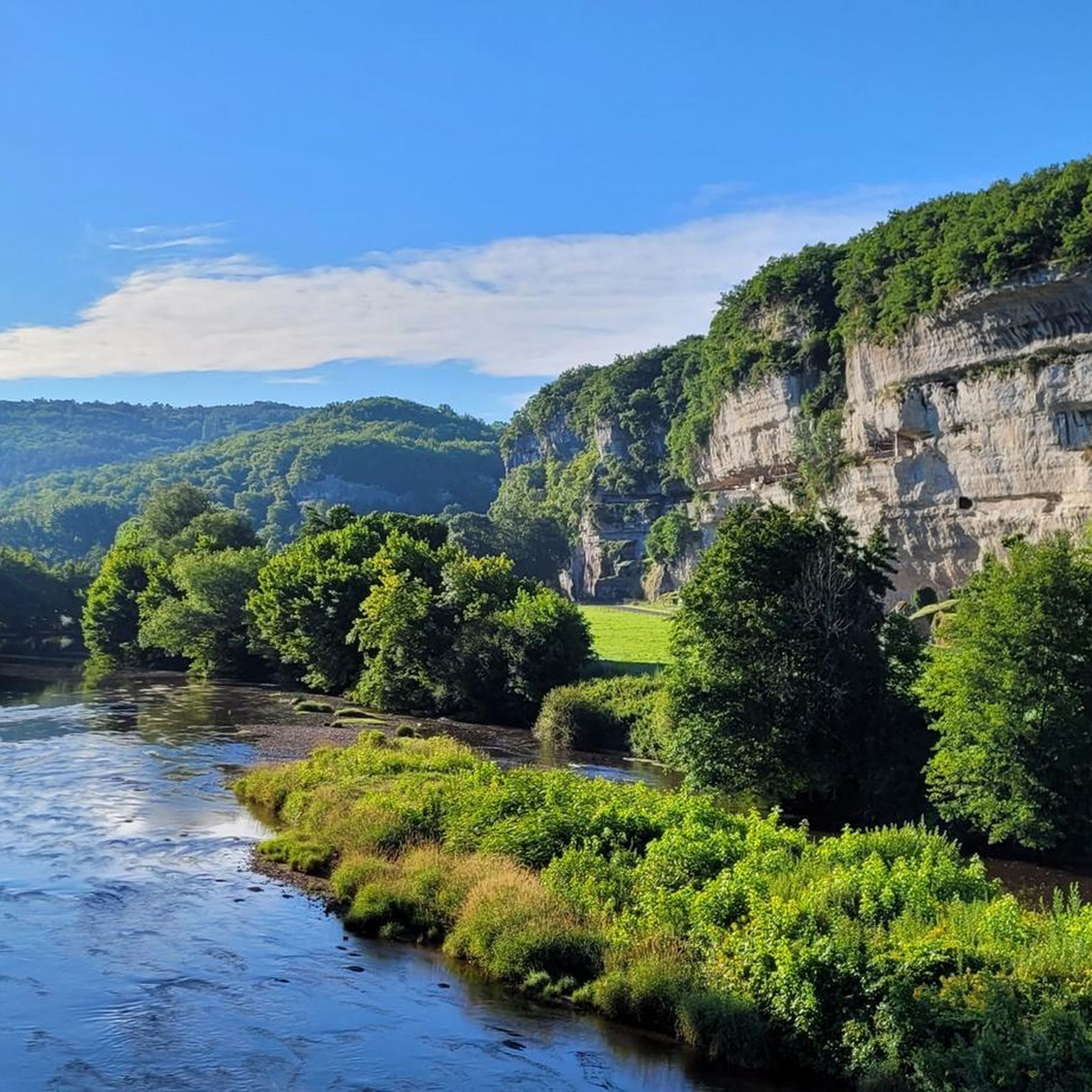
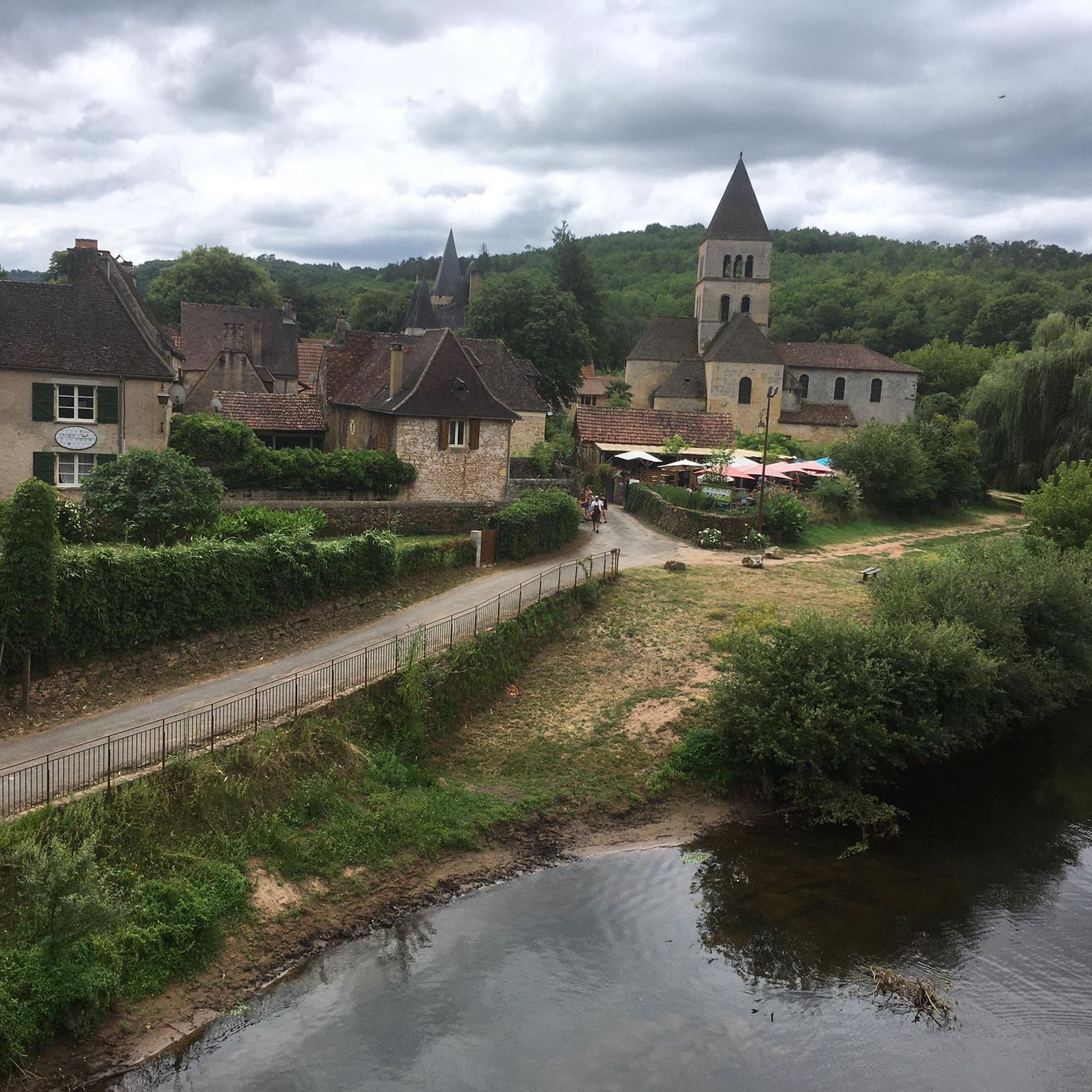
Best natural monuments around Thonac are situated in the Vézère Valley, a region characterized by its limestone cliffs and significant geological formations. This area features numerous rock shelters, formed by natural erosion, which historically provided refuge. The upper sections of the cliffs are highly karstified, leading to the formation of many caves. These natural features contribute to the region's unique landscape and historical significance.
Best natural monuments around Thonac
- The most popular natural monument is La Roque Saint-Christophe, a…
Last updated: October 9, 2026
La Roque Saint-Christophe
Highlight • Historical Site
Translated by Google •
Tip by

Abri de La Madeleine
Highlight • Cave
Translated by Google •
Tip by

Sign up now to discover places like this
Get recommendations on the best single tracks, peaks, & plenty of other exciting outdoor places.
Commarque Castle
Highlight • Cave
Translated by Google •
Tip by

The Rock Shelters of the Vézère Valley
Highlight • Cave
Translated by Google •
Tip by

Rouffignac Cave
Highlight • Cave
It goes past rock carvings and paintings of mammoths, rhinos, ibexes and …
Translated by Google •
Tip by

Start today with a free account
Your next adventure awaits.
Tips from the Community


A small train takes you about 700m into the grotto (where there is no longer any track record). It goes past rock carvings and paintings of mammoths, rhinos, ibexes and meadow ducks. And there are so-called bear nests - hollows in which bears hibernate. A tour of the entire cave would probably take 10 hours. Photography is prohibited in the cave.
0
0

This real limestone wall, one kilometer long and eighty meters high, constantly undermined by the river and the frost, has been hollowed out with a hundred rock shelters and long aerial terraces; these natural cavities were occupied by prehistoric man and then modified to become a fort and a city from the Middle Ages until the beginning of the Renaissance.
4
0

The forgotten fortress: a millefeuille of stones where dungeons and fortified castles, troglodytes and prehistoric caves overlap in a preserved landscape
0
0

Here we have the situation – previously completely unknown to me and therefore surprising – that MADELEINE, a Christian saint (the name is derived from the biblical "Mary Magdalene"), has become the namesake of an era from the proverbial "dim prehistory" (one to one and a half dozen millennia before the beginning of our era). To paraphrase it from Wikipedia, which can explain it better than I can: "The Magdalenian is an archaeological cultural stage in the younger part of the Upper Paleolithic in Central and Western Europe at the end of the last Ice Age. The Magdalenian was named in 1869 by Gabriel de Mortillet after the semi-cave La Madeleine in the Dordogne department. It spanned an approximate period from approximately 18,000 to 12,000 BC."
2
0

located in the wild Grande Beune valley, is a historical and archaeological site in Périgord. It offers a journey into the past, with its medieval remains and picturesque landscapes. A must-visit for history and nature lovers.
0
0

Top tip in this region. Information folder in German, videos and explanations in a film leave no questions unanswered. Otherwise simply impressive cultural monument... Also recommended for kids.
0
0

Really incredibly impressive place - 50,000 years of human history on a rock face. Europe's largest settlement of this kind and also almost unique in the world - UNESCO World Heritage Site. Not to be missed! Ideal in the off-season when only a few people are out and about here.
1
0
Frequently Asked Questions
What are some of the most historically significant natural monuments around Thonac?
The Vézère Valley is renowned for its deep connection to human prehistory. You can explore sites like La Roque Saint-Christophe, a massive cliff face with natural cavities inhabited since prehistoric times and later fortified. Another significant site is Abri de La Madeleine, a settlement site that gave its name to the Magdalenian period of the Upper Palaeolithic.
Are there any family-friendly natural monuments to visit near Thonac?
Yes, Rouffignac Cave is a great option for families. A small train takes you deep into the grotto to see rock carvings and paintings of mammoths and other prehistoric animals, along with bear nests where bears hibernated. It offers an engaging and educational experience for all ages.
What kind of geological features can I expect to see in the natural monuments around Thonac?
The region is characterized by dramatic limestone cliffs shaped by two main phenomena: porous layers hollowed out into long horizontal rock shelters, and highly karstified upper sections forming numerous caves. These geological conditions have created impressive formations like those found at The Rock Shelters of the Vézère Valley, which were occupied by prehistoric humans.
Are there opportunities for hiking near the natural monuments in Thonac?
Absolutely. The Vézère Valley offers many hiking trails. For example, you can find routes like the 'View over the Vézère Valley – View over the Vézère Valley loop from Saint-Léon-sur-Vézère' or the 'Saint-Léon-sur-Vézère Village – Saint-Léon-sur-Vézère loop from Thonac'. You can explore more hiking options in the area by visiting the Hiking around Thonac guide.
What other outdoor activities are available near Thonac's natural monuments?
Beyond hiking, the area is excellent for running and cycling. You can find challenging running routes like the 'Vézère Valley – La Roque Saint-Christophe loop from Saint-Léon-sur-Vézère' or scenic cycling paths such as the 'Montignac-Lascaux Old Town – On the Vézère loop from Thonac'. Discover more options in the Running Trails around Thonac and Cycling around Thonac guides.
What is the best time of year to visit the natural monuments around Thonac?
The Vézère Valley is beautiful throughout much of the year. Spring and autumn generally offer pleasant temperatures for exploring the outdoor sites and trails, with fewer crowds than the peak summer months. Summer can be warm but is ideal for enjoying the natural settings and longer daylight hours.
Are there any tranquil natural spots in Thonac itself?
Within Thonac, you can find the serene Les étangs de Fongran (Fongran ponds). These two bodies of water offer a peaceful natural setting, perfect for those seeking quiet outdoor experiences and a break from more strenuous activities.
Can I visit a castle that is integrated with natural formations?
Yes, Commarque Castle is a historical and archaeological site located in the wild Grande Beune valley. While a castle, its setting within the natural landscape, including nearby caves and rock formations, makes it a unique blend of history and natural monument. Visitors can explore its medieval remains and enjoy views of the surrounding landscapes.
What makes the Vézère Valley's caves so significant?
The Vézère Valley is home to over 400 inventoried caves, many of which are highly karstified. Their significance lies not only in their impressive geological formations but also in their role as shelters for early humans and the remarkable preservation of prehistoric art within them, such as in the famous Lascaux cave (though the replica, Lascaux IV, is the main visitor attraction). You can learn more about the geological context of these caves on the French Ministry of Culture website.
Are there any dramatic chasms or sinkholes to explore in the wider region?
Yes, approximately 33 km from Thonac, you can find the Gouffre de la Fage. This 'gouffre' (chasm or sinkhole) is noted as a site of natural beauty and often features dramatic underground landscapes, including vast chambers and unique rock formations, making it an intriguing destination for exploration.
What do visitors particularly enjoy about the natural monuments around Thonac?
Visitors frequently appreciate the blend of natural beauty and rich history. Many highlight the fascinating insights into prehistoric life offered by the rock shelters and caves, as well as the stunning views from viewpoints like those near La Roque Saint-Christophe. The picturesque landscapes of the Vézère Valley are also a major draw.
Most popular attractions around Thonac

Get inspired with the komoot mobile app


Explore more
Extend your search for the best caves by checking out these guides of the top ones around Thonac:
