Top 9 Natural Monuments around Sergeac
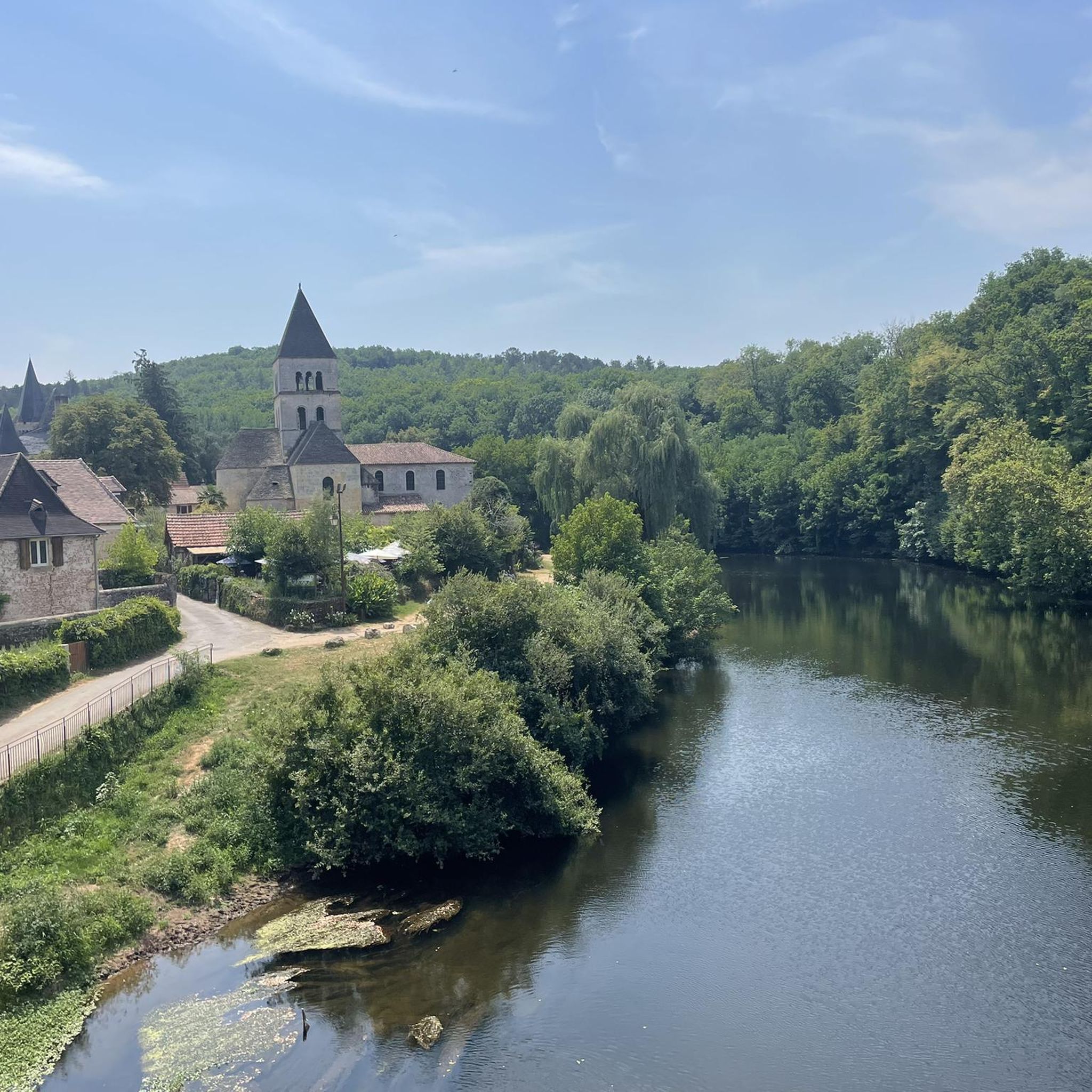
Best natural monuments around Sergeac are found within the Vézère Valley, a region known for its natural beauty and prehistoric significance. This area features high cliffs, a meandering river, and lush landscapes. The natural monuments primarily consist of ancient rock shelters and the riverine environment of the Vézère. Sergeac serves as a gateway to these sites, offering insights into Paleolithic history.
Best natural monuments around Sergeac
- The most popular natural monuments is La Roque Saint-Christophe, a historical site that…
Last updated: June 22, 2026
La Roque Saint-Christophe
Highlight • Historical Site
Translated by Google •
Tip by

Les Eyzies-de-Tayac
Highlight • Historical Site
Translated by Google •
Tip by
Sign up now to discover places like this
Get recommendations on the best single tracks, peaks, & plenty of other exciting outdoor places.
Sign up for free
Abri de La Madeleine
Highlight • Cave
Translated by Google •
Tip by

Commarque Castle
Highlight • Cave
Translated by Google •
Tip by

The Rock Shelters of the Vézère Valley
Highlight • Cave
Translated by Google •
Tip by

Sign up for free to discover even more natural monuments around Sergeac.
Sign up for free
Already have an account?
Start today with a free account
Your next adventure awaits.
Login or Signup
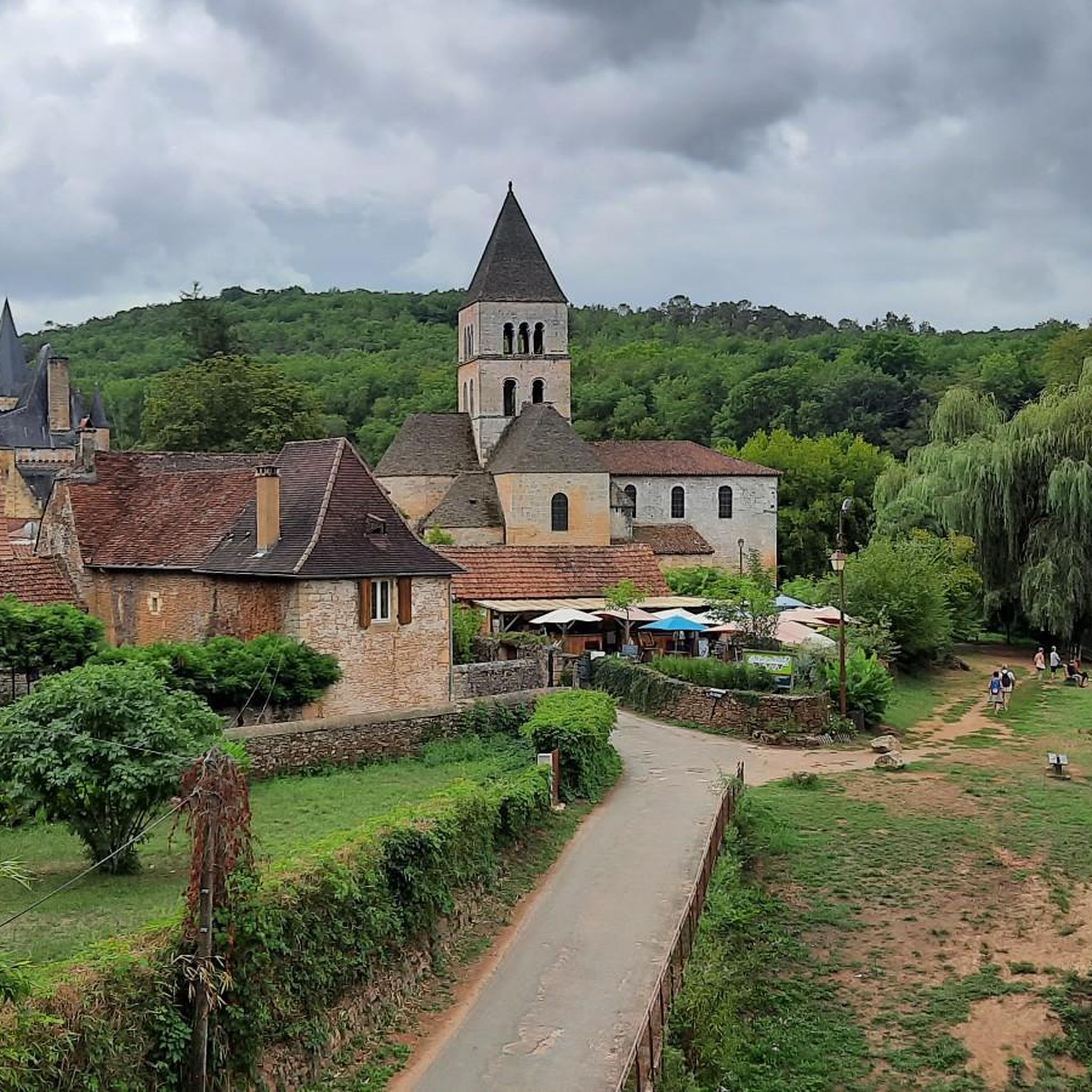
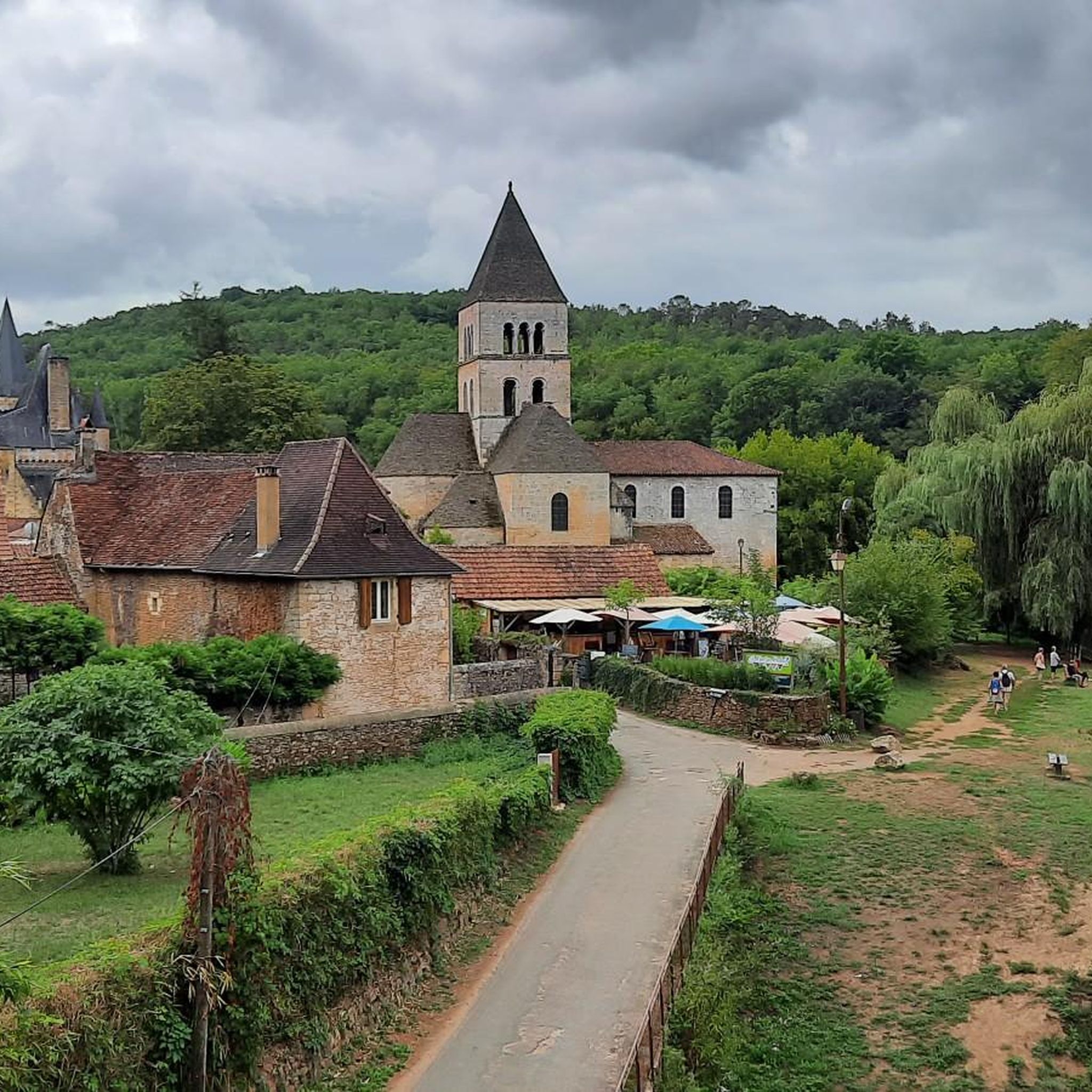
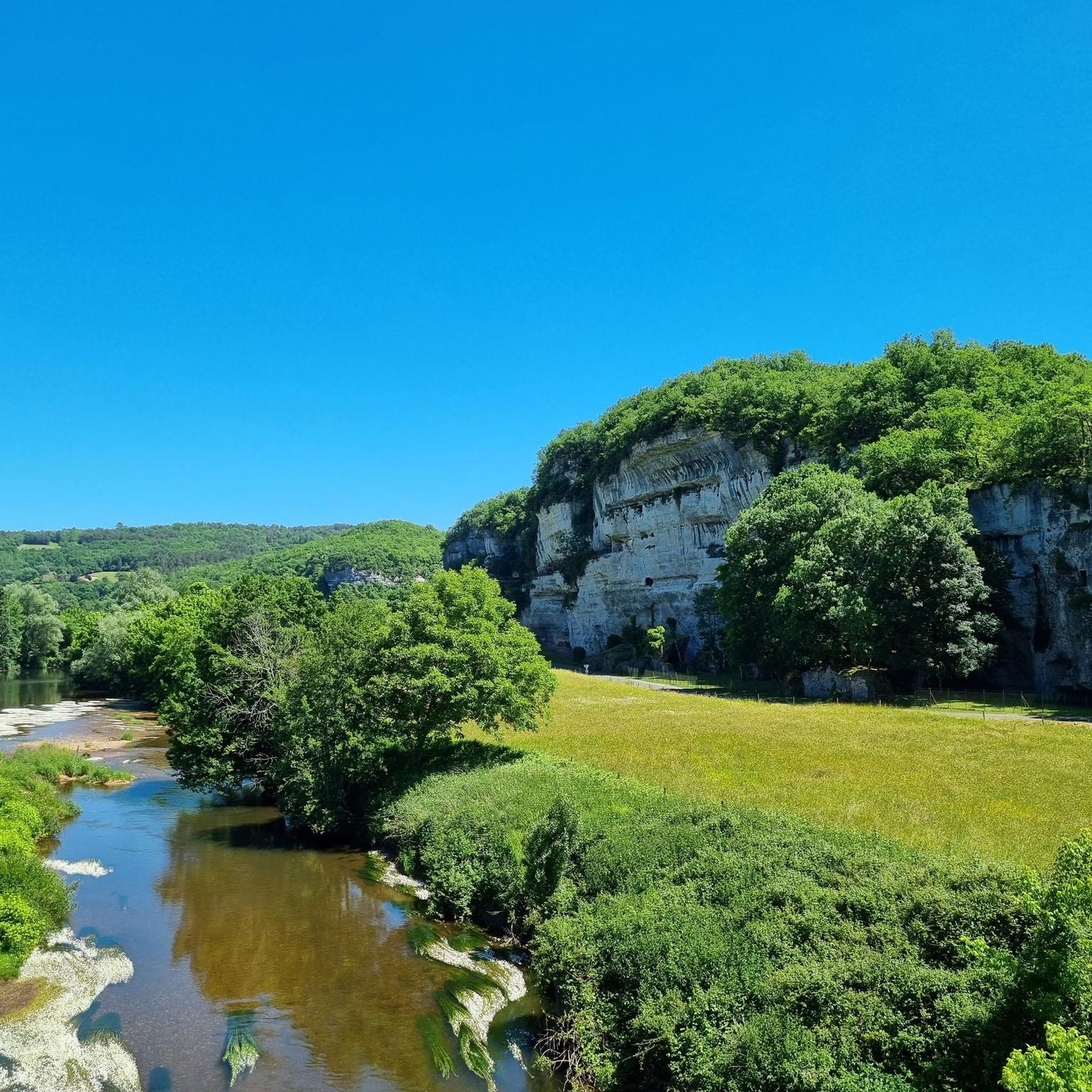
Tips from the Community


This museum is certainly interesting, unfortunately we didn't have enough time
0
0
Impressive are the dwellings in the rocks and the houses from the rocks
0
0

This real limestone wall, one kilometer long and eighty meters high, constantly undermined by the river and the frost, has been hollowed out with a hundred rock shelters and long aerial terraces; these natural cavities were occupied by prehistoric man and then modified to become a fort and a city from the Middle Ages until the beginning of the Renaissance.
2
0

The forgotten fortress: a millefeuille of stones where dungeons and fortified castles, troglodytes and prehistoric caves overlap in a preserved landscape
0
0

Here we have the situation – previously completely unknown to me and therefore surprising – that MADELEINE, a Christian saint (the name is derived from the biblical "Mary Magdalene"), has become the namesake of an era from the proverbial "dim prehistory" (one to one and a half dozen millennia before the beginning of our era). To paraphrase it from Wikipedia, which can explain it better than I can: "The Magdalenian is an archaeological cultural stage in the younger part of the Upper Paleolithic in Central and Western Europe at the end of the last Ice Age. The Magdalenian was named in 1869 by Gabriel de Mortillet after the semi-cave La Madeleine in the Dordogne department. It spanned an approximate period from approximately 18,000 to 12,000 BC."
2
0

located in the wild Grande Beune valley, is a historical and archaeological site in Périgord. It offers a journey into the past, with its medieval remains and picturesque landscapes. A must-visit for history and nature lovers.
0
0

Top tip in this region. Information folder in German, videos and explanations in a film leave no questions unanswered. Otherwise simply impressive cultural monument... Also recommended for kids.
0
0
Frequently Asked Questions
What kind of natural monuments can I expect to see around Sergeac?
The natural monuments around Sergeac are primarily ancient rock shelters and the stunning riverine landscape of the Vézère Valley. This region, often called the "Valley of Man," is renowned for its high cliffs, the meandering Vézère River, and lush greenery, all intertwined with significant Paleolithic sites.
Are there natural monuments around Sergeac that showcase prehistoric human activity?
Yes, many natural monuments in the area are deeply connected to prehistoric human activity. For example, La Roque Saint-Christophe features natural cavities inhabited since prehistoric times. Similarly, Les Eyzies-de-Tayac is known as the capital of prehistory, offering numerous sites and a national museum dedicated to this science. The broader Rock Shelters of the Vézère Valley were also occupied by prehistoric humans.
What are some unique geological features to observe in the natural monuments near Sergeac?
The Vézère Valley itself is a significant geological feature, characterized by its dramatic limestone cliffs and the river that has carved through them over millennia. The rock shelters, such as those at Castel Merle, are natural cavities formed by the constant undermining action of the river and frost, creating unique formations that provided shelter for early humans.
Are there family-friendly natural monuments to visit near Sergeac?
Many of the natural monuments, especially the prehistoric sites, are suitable for families. Sites like La Roque Saint-Christophe and Les Eyzies-de-Tayac offer educational and engaging experiences for all ages, allowing visitors to explore ancient settlements and learn about prehistoric life. The natural settings also provide opportunities for outdoor exploration.
What outdoor activities can I do near the natural monuments around Sergeac?
The area around Sergeac is excellent for outdoor activities. You can find numerous running trails, such as the moderate "Lascaux Vallée Dordogne - Saint-Léon-sur-Vézère Loop No. 13" or more challenging routes like the "Vézère Valley – La Roque Saint-Christophe loop from Sergeac." There are also mountain biking trails, including the "Castel road – The most beautiful path of the day loop from Sergeac," and hiking routes like the "View over the Vézère Valley – View over the Vézère Valley loop from Saint-Léon-sur-Vézère." You can explore more options on the running trails, MTB trails, and hiking guides for Sergeac.
Are there any natural monuments near Sergeac that offer viewpoints?
Yes, the Vézère Valley itself provides many scenic viewpoints. The road running along the Vézère River offers picturesque views of the surrounding natural environment and the dramatic cliffs. Some sites, like Commarque Castle, while primarily historical, also offer nice views from the heights above the castle, overlooking the wild Grande Beune valley.
What is the significance of Abri de La Madeleine?
Abri de La Madeleine is a highly significant settlement site that was used for thousands of years, extending into the early modern period. It is the type locality for the Magdalenian period of the Upper Palaeolithic, named after this very site. Cro-Magnon people settled in these rock shelters around 17,000 years ago, utilizing the natural protection and southern orientation of the cliffs near the Vézère River.
What is the best time to visit the natural monuments around Sergeac?
The Vézère Valley is beautiful throughout the year. Spring and autumn offer pleasant temperatures for exploring the outdoor sites and trails, with lush greenery in spring and vibrant colors in autumn. Summer is also popular, though it can be warmer. Winter provides a quieter experience, and some sites may have reduced hours, so it's always good to check in advance.
Can I find easy walking routes or beginner hikes near the natural monuments?
Yes, there are options for easier walks. While some routes can be challenging, you can find moderate and easy hiking trails in the area. For instance, the "Clérans Castle – Le Manoir de la Salle loop from Saint-Léon-sur-Vézère" is an easy hiking route. You can explore more options in the hiking guide for Sergeac.
What do visitors enjoy most about the natural monuments around Sergeac?
Visitors particularly appreciate the unique combination of natural beauty and profound historical significance. The scenic roads along the Vézère, the impressive rock formations, and the deep dive into prehistoric human history through sites like La Roque Saint-Christophe and Les Eyzies-de-Tayac are frequently highlighted. The komoot community has shared over 50 photos and given more than 115 upvotes, reflecting the area's appeal.
Are there any natural monuments that were also used as fortresses or cities in later periods?
Yes, The Rock Shelters of the Vézère Valley are a prime example. These natural cavities, initially occupied by prehistoric humans, were later modified and utilized as forts and even cities from the Middle Ages until the beginning of the Renaissance. La Roque Saint-Christophe also served as a fortress in the Middle Ages before being destroyed.
What is special about the rock shelters at Castel Merle in Sergeac?
Castel Merle is an exceptional archaeological site directly in Sergeac, featuring a remarkable concentration of prehistoric settlements within natural rock shelters. These shelters, bordered by two cliffs, were inhabited by Neanderthals and later Cro-Magnons. Notable examples include Abri Reverdit with its Magdalenian-era bas-relief frieze, Abri Labattut which yielded worked flints and ancient art, and Abri de la Souquette, a workshop for making ornaments.
Most popular routes around Sergeac
Most popular attractions around Sergeac

Get inspired with the komoot mobile app


Explore more
Extend your search for the best caves by checking out these guides of the top ones around Sergeac:
