Top 14 Natural Monuments around Bibisch
Best natural monuments around Bibisch showcase a landscape characterized by unique geological formations and diverse natural features. The region offers a variety of natural monuments, including tufa formations, limestone rock structures, and ancient trees. These sites provide opportunities to observe geological processes and local ecosystems. Bibisch is home to 14 natural monuments, making it a destination for exploring distinctive natural heritage.
Best natural monuments around Bibisch
- The most popular natural monument is Travertine Steps on the Idesbach Trail, a…
Last updated: October 9, 2026
Travertine Steps on the Idesbach Trail
Highlight • Natural Monument
Translated by Google •
Tip by

The Grott (Raufels) Rock Formation
Highlight • Natural Monument
Translated by Google •
Tip by

Sign up now to discover places like this
Get recommendations on the best single tracks, peaks, & plenty of other exciting outdoor places.
Rammelfangen Emperor Lindens
Highlight • Monument
Translated by Google •
Tip by

Badger Setts
Highlight • Natural Monument
The badger mostly inhabits hilly, richly structured landscapes with forests, woods or hedges. Mixed deciduous forests with a pronounced layer of shrubbery are preferred. Buildings are often, as …
Translated by Google •
Tip by

Leitersteiner Born
Highlight • Natural Monument
While the never-ending fountain used to have healing powers due to its high mineral content, today …
Translated by Google •
Tip by

Sign up for free to discover even more natural monuments around Bibisch.
Already have an account?
Start today with a free account
Your next adventure awaits.
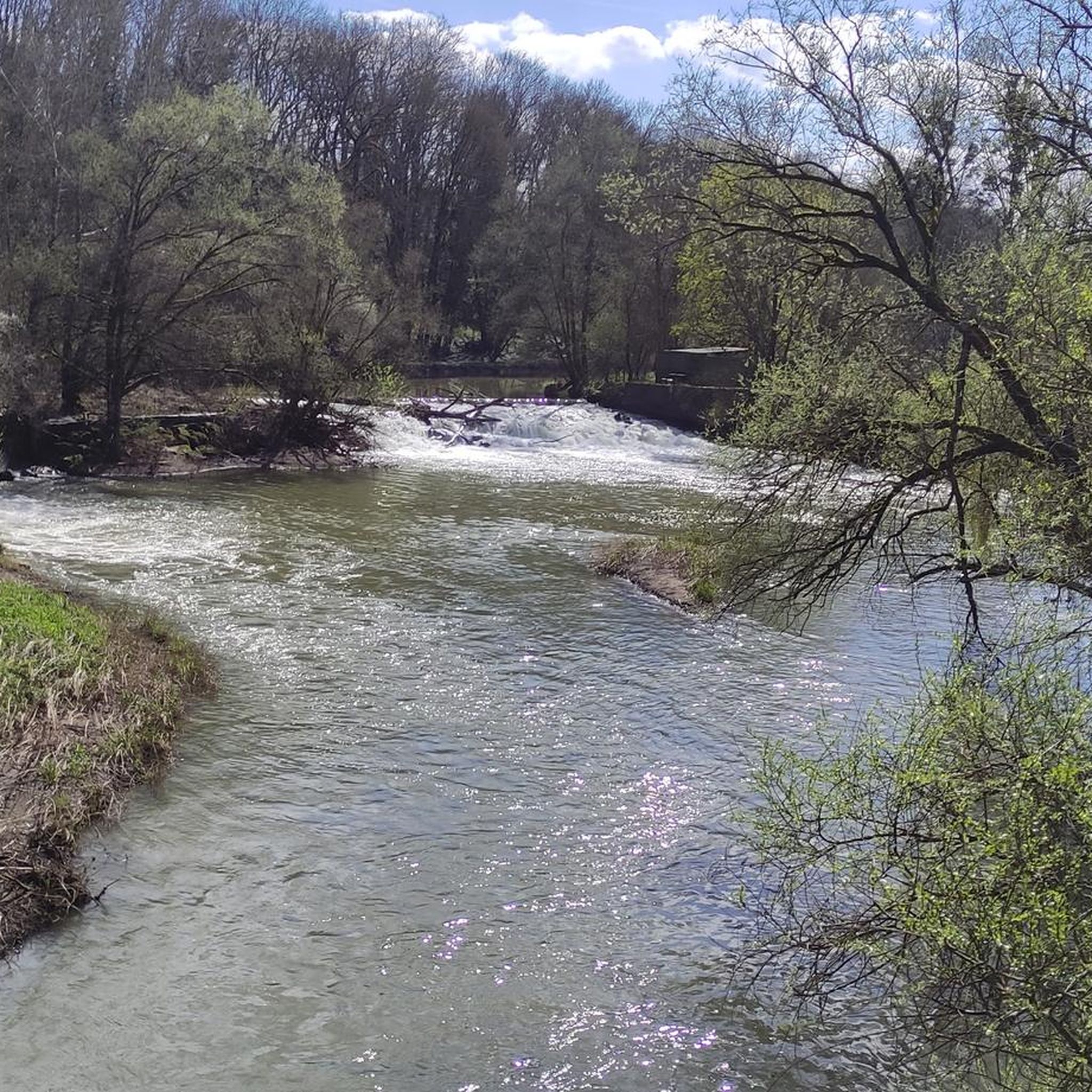
Tips from the Community

The water is not inviting to drink
0
0
Beautiful section on the dream loop
0
0
Apparently no one was home
0
0

The tuff stone staircase was created by the constant flow of water and the precipitated lime.
0
0

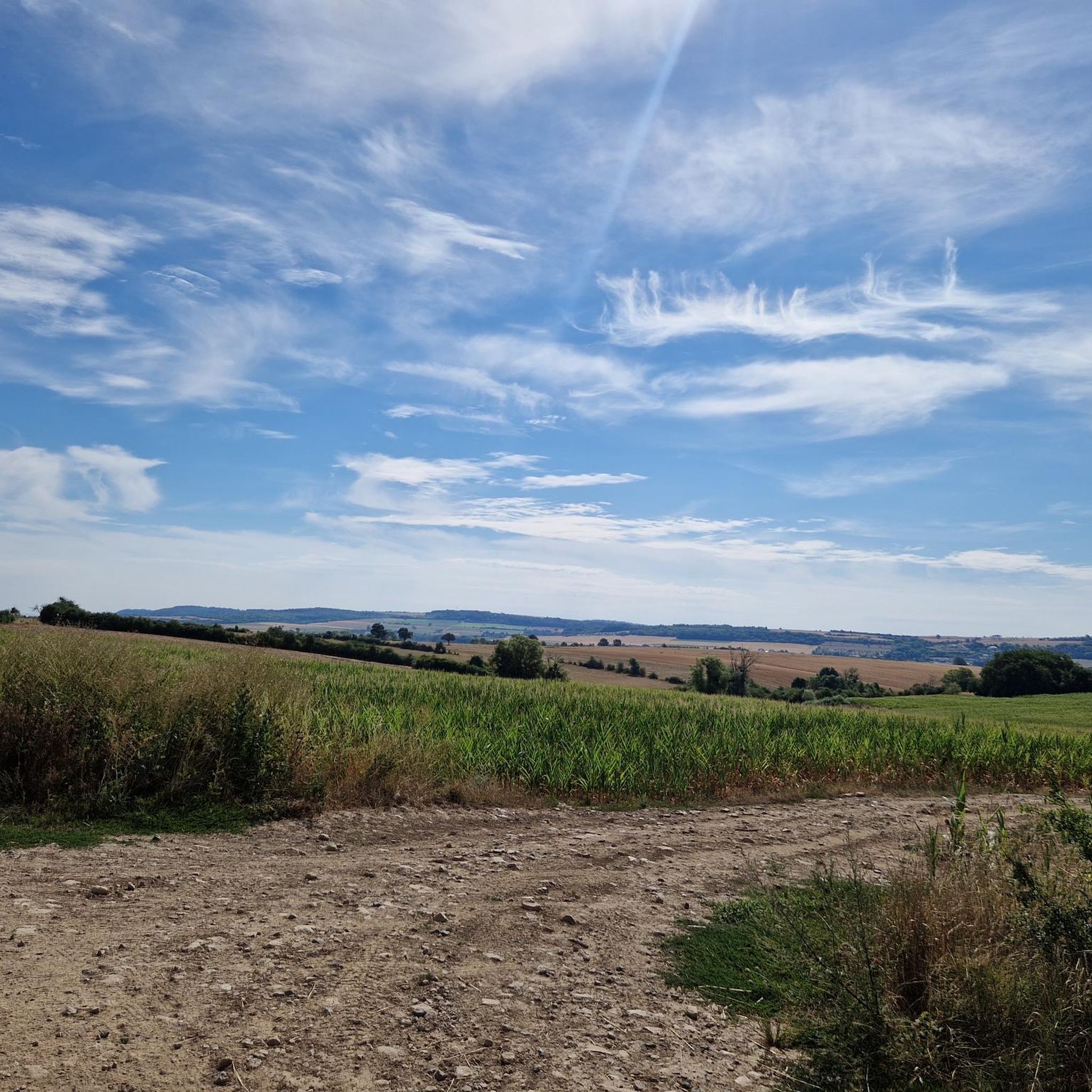
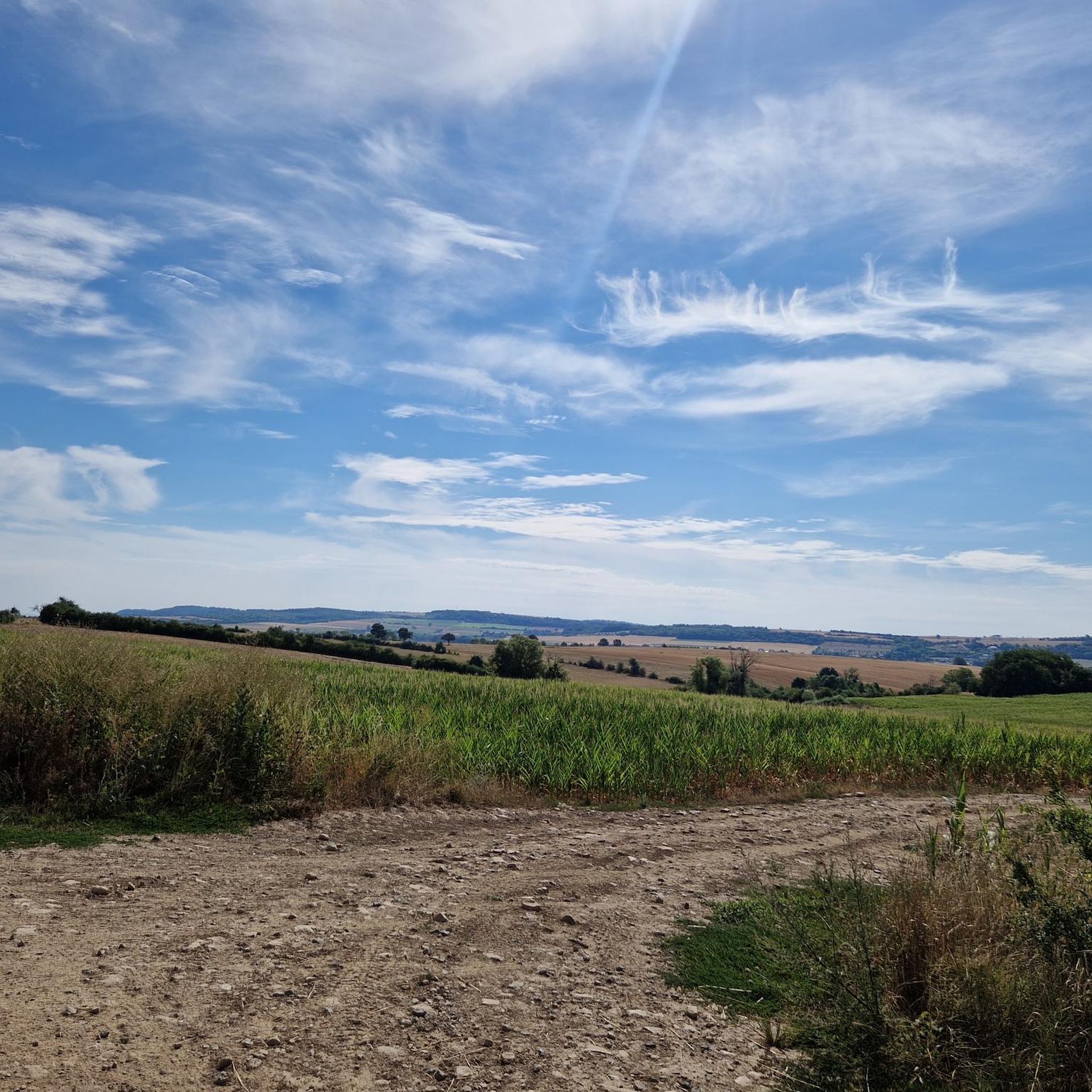
Dream loop which consists mostly of gravel roads.
0
0
Dream loop which consists mostly of gravel roads.
0
0

On the occasion of the coronation of King Wilhelm I as German Emperor in the Palace of Versailles in 1871, five linden trees were planted at this spot. Three of them are still standing.
1
0
Distinctive fork in the road
1
0
Frequently Asked Questions
What are some of the most popular natural monuments to visit around Bibisch?
The Bibisch region is home to several unique natural monuments. Among the most popular are the Travertine Steps on the Idesbach Trail, known for its fragile, stepped limestone structure created by calcareous water. Another highly regarded site is The Grott (Raufels) Rock Formation, a bizarre gray limestone formation with historical significance. Visitors also frequently explore Badger Setts, which are ancient badger holes found in red sandstone.
What unique geological features can I expect to see among Bibisch's natural monuments?
Bibisch is particularly known for its distinctive geological formations. You can observe tufa formations, such as the Travertine Steps on the Idesbach Trail, where limestone crusts form due to calcareous water. The region also features impressive limestone rock structures like The Grott (Raufels) Rock Formation, which was formed by highly calcareous water. Additionally, the red sandstone found in areas like the Badger Setts provides a unique substrate for wildlife habitats.
Are there any historical natural monuments in the Bibisch area?
Yes, some natural monuments in Bibisch also carry historical significance. The Rammelfangen Emperor Lindens are a notable example, planted in 1871 to commemorate the proclamation of the German Empire. The Grott (Raufels) Rock Formation also has a rich history, once featuring a small stalactite cave and serving as a destination for processions.
Are there hiking opportunities near the natural monuments in Bibisch?
Absolutely! The natural monuments in Bibisch are often integrated into hiking trails, offering excellent opportunities for exploration. You can find various hiking routes, such as the 'Tercentenary Oak loop from Waldweistroff' or the 'Menskirch loop from Menskirch'. For more detailed information and route options, you can explore the Hiking around Bibisch guide.
What kind of outdoor activities are available around Bibisch's natural monuments besides hiking?
Beyond hiking, the Bibisch region offers diverse outdoor activities. You can enjoy cycling, with routes like the 'View of the Nied River – Wackenmühle on the Nied loop from Bouzonville'. Gravel biking is also popular, with options such as the 'Europasender Felsberg-Berus – St. Oranna Pilgrimage Chapel loop from Schwerdorff'. For more routes and details, check out the Cycling around Bibisch and Gravel biking around Bibisch guides.
What is the best time of year to visit the natural monuments in Bibisch?
The region around Bibisch, similar to the nearby Moselle area, is generally pleasant for visiting natural monuments from spring through autumn. Spring offers lush greenery and blooming flora, while autumn provides beautiful foliage. Summer is ideal for longer outdoor excursions, though some areas like the Travertine Steps on the Idesbach Trail are particularly enjoyable in the shade during warmer months. Winter visits are possible but may require appropriate gear for colder conditions.
Are the natural monuments around Bibisch suitable for families with children?
Many natural monuments in Bibisch are family-friendly. For instance, the Rammelfangen Emperor Lindens offer a great parking space and immediate views, making it accessible for families. The Badger Setts and Leitersteiner Born are also suitable for family visits, providing interesting natural sights and resting spots. Always check specific trail difficulties if planning a longer hike with children.
Can I bring my dog to the natural monuments in Bibisch?
While specific regulations can vary, many natural areas and trails around Bibisch are generally dog-friendly. It's always recommended to keep dogs on a leash, especially in nature reserves or near wildlife habitats like the Badger Setts, to protect both your pet and the local ecosystem. Please ensure you clean up after your dog to maintain the natural beauty of these sites.
What do visitors enjoy most about the natural monuments in Bibisch?
Visitors frequently praise the tranquility and unique natural beauty of Bibisch's monuments. Many appreciate the opportunity to linger in peaceful settings, such as by the Travertine Steps on the Idesbach Trail. The geological rarities, like the tufa formations and bizarre rock structures, are a major draw. The chance to observe local wildlife and immerse oneself in nature, as well as the well-maintained trails, also receive positive feedback.
Is there parking available near the natural monuments in Bibisch?
Yes, parking is available at or near several natural monuments. For example, the Rammelfangen Emperor Lindens features a great parking space that also serves as a starting point for hikes. When planning your visit, it's advisable to check specific access points for each monument, especially if you are driving.
What kind of wildlife can be observed around Bibisch's natural monuments?
The diverse habitats around Bibisch's natural monuments support various wildlife. At sites like the Badger Setts, you might spot badgers and foxes, which inhabit the richly structured landscapes. The nature reserve around Rössels Pond (as mentioned in regional research) is known for local wildlife like ducks. The region's forests and bogs provide homes for a variety of plant and animal species.
Are there any natural springs or water features to visit?
Yes, the region features significant natural springs and water-related monuments. The Leitersteiner Born is a historic spring that once served as a vital water source for the community. This spring is also the source of the calcareous water that forms the impressive Travertine Steps on the Idesbach Trail. While the Leitersteiner Born is no longer suitable for drinking, it remains a pleasant resting spot with a gentle splash.
Most popular routes around Bibisch
Most popular attractions around Bibisch

Get inspired with the komoot mobile app


Explore more
Extend your search for the best caves by checking out these guides of the top ones around Bibisch:
