Top 7 Natural Monuments around Sant'Andréa-Di-Cotone
Best natural monuments around Sant'Andréa-Di-Cotone are found in this village located in Haute-Corse, Corsica, France. The area is characterized by wooded hills and offers panoramic views of the Italian islands. It serves as a base for exploring diverse natural sites, including mountains, valleys, and coastal areas. The region provides access to a variety of natural monuments within a reasonable distance.
Best natural monuments around Sant'Andréa-Di-Cotone
- The most popular natural monuments is Struccia Waterfall, a waterfall that offers a shady…
Last updated: July 5, 2026
Bucatoggio Waterfall
Highlight • Waterfall
Translated by Google •
Tip by

Ucelluline Waterfall
Highlight • Waterfall
Translated by Google •
Tip by

Sign up now to discover places like this
Get recommendations on the best single tracks, peaks, & plenty of other exciting outdoor places.
Sign up for free
Struccia Waterfall
Highlight • Waterfall
Showing Translation
Tip by

Accumoli Spring
Highlight • Natural Monument
Translated by Google •
Tip by
Fountain in Parc Naturel Régional de Corse
Highlight (Segment) • Structure
Translated by Google •
Tip by

Sign up for free to discover even more natural monuments around Sant'Andréa-Di-Cotone.
Sign up for free
Already have an account?
Start today with a free account
Your next adventure awaits.
Login or Signup
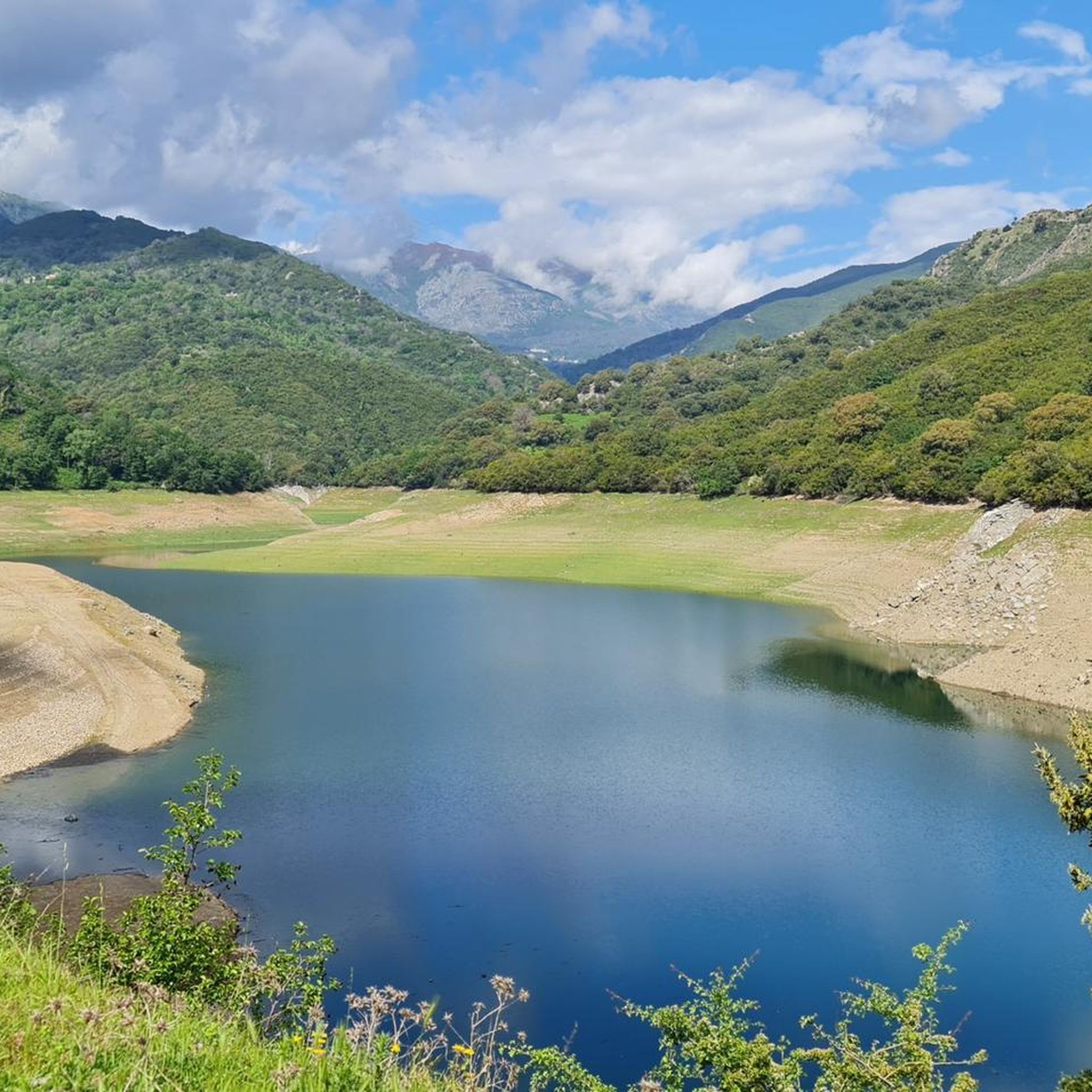
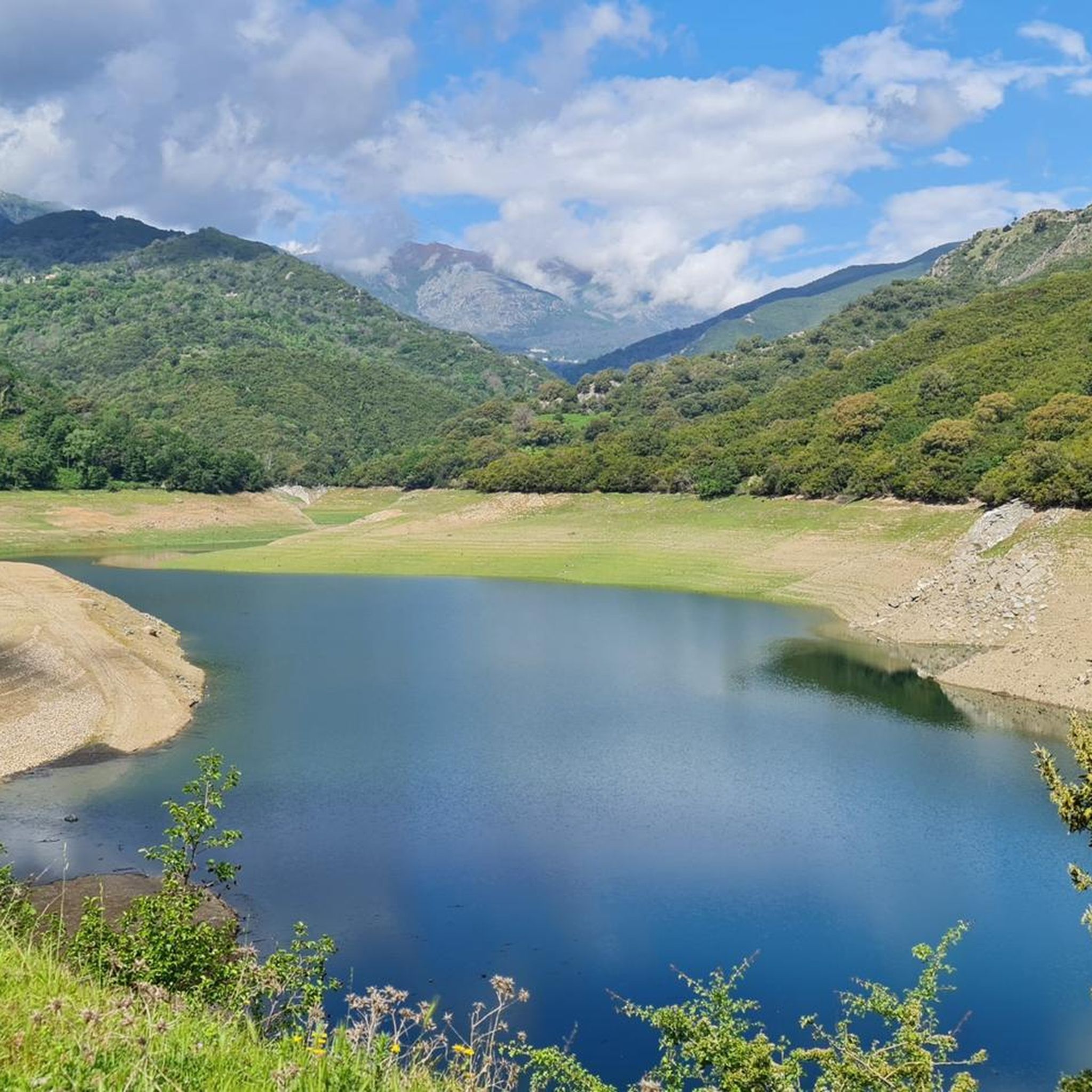
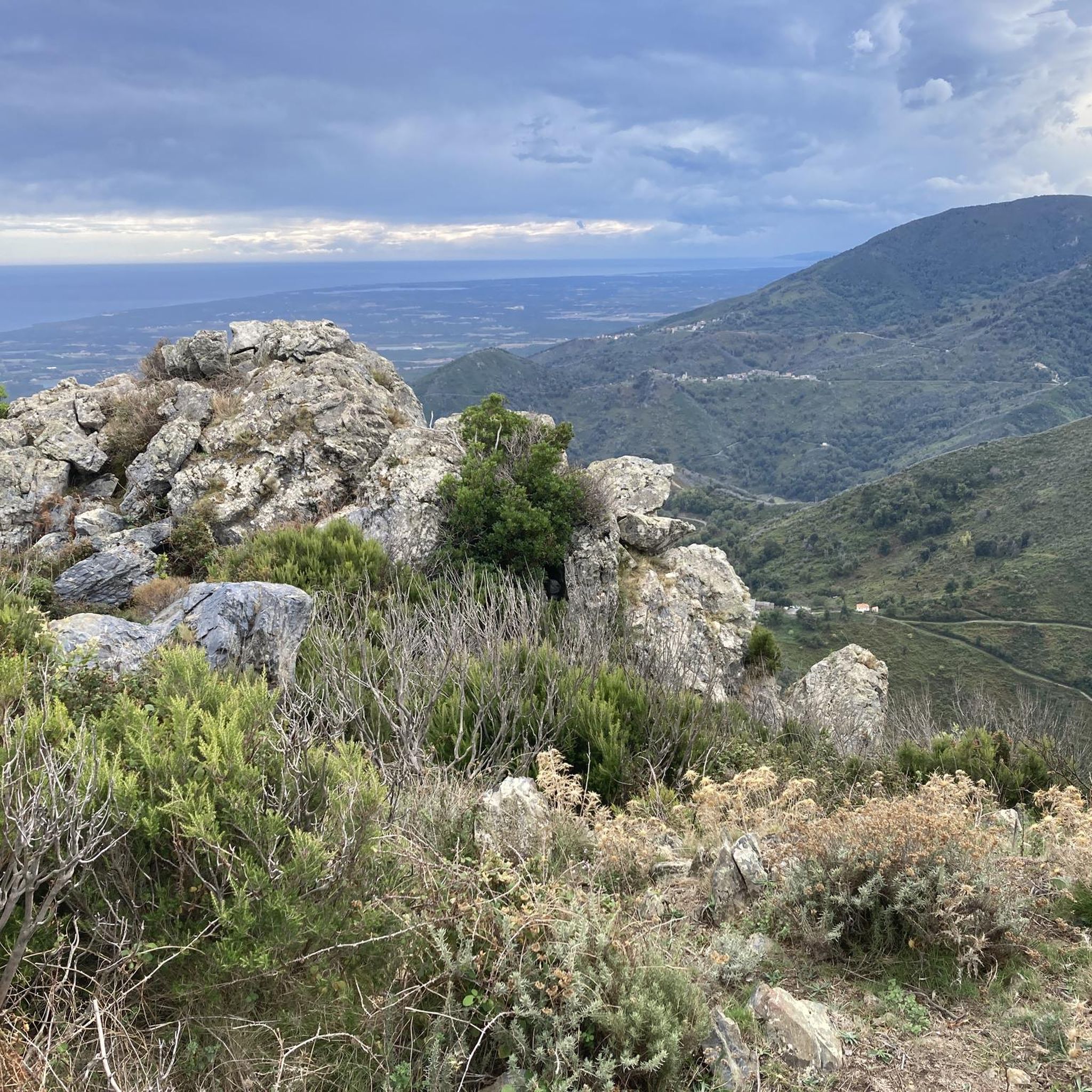
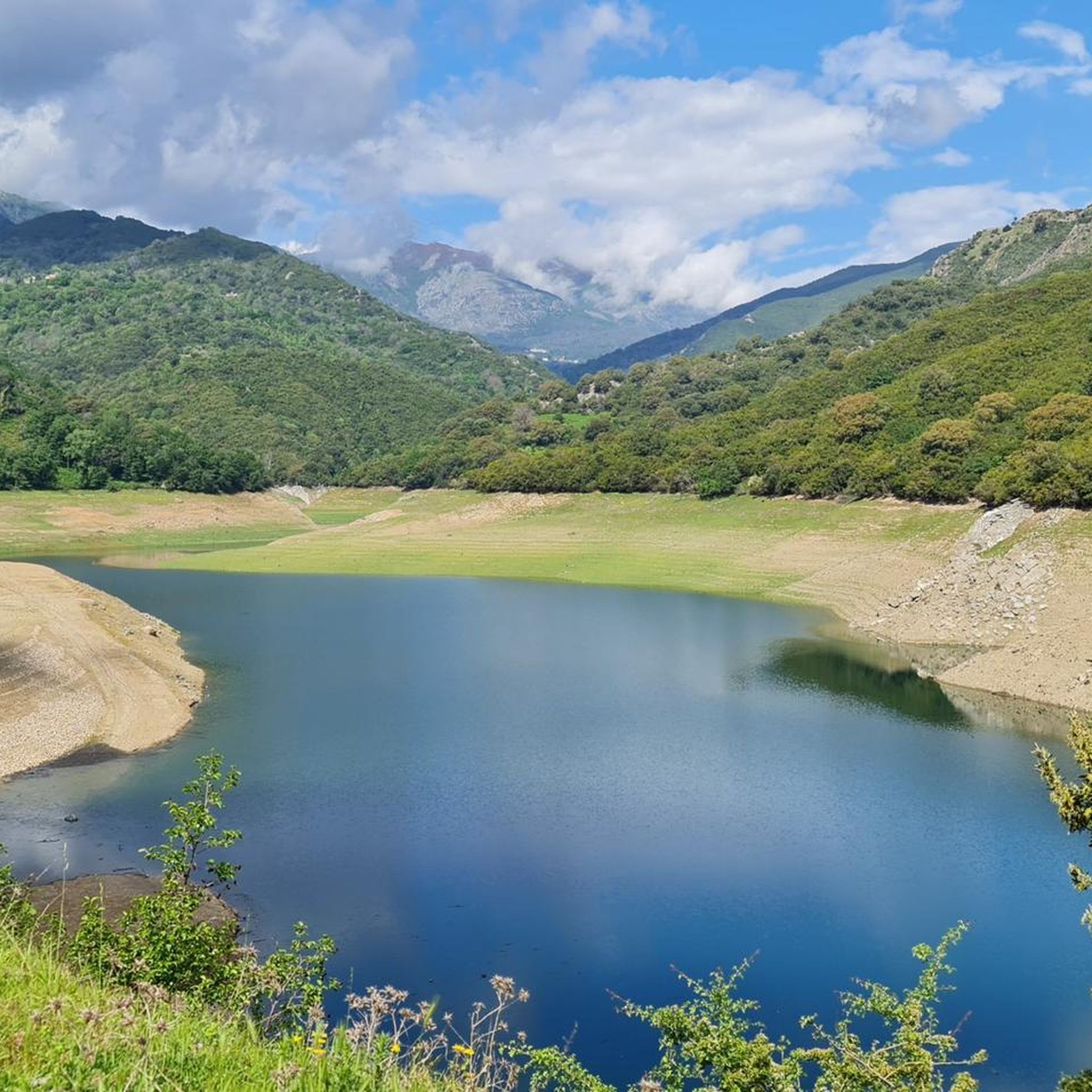
Tips from the Community

This place houses the source of the WATERS OF OREZZA
0
0


You can either go up next to the bridge or go down diagonally opposite and swim if you want. There is a tunnel on the other side of the bridge.
2
1

Nice way to take a break. Not really suitable for swimming and at 2 p.m. the rest area is in full sun.
1
0
Nice place to take a break right on the "tourist highway" on the way to the waterfall with a fantastic view of it.
0
0
Beautiful waterfall, as the main attraction with many tourists, but still worth a visit.
0
0

Beautiful scenic and cool road waterfall, recommended!
4
0

A very popular waterfall that does not disappoint. If you are lucky enough to see it at the right time of day, you will see the water vapor reflected in the light.
4
2
Frequently Asked Questions
What are some of the most appreciated natural monuments around Sant'Andréa-Di-Cotone?
Visitors particularly appreciate the waterfalls in the region. Struccia Waterfall is popular for its shady resting place and small pool. Ucelluline Waterfall offers scenic views from a stone bridge and opportunities for bathing. Another favorite is Bucatoggio Waterfall, known for its small lake and a larger cascade further upstream.
Are there family-friendly natural attractions near Sant'Andréa-Di-Cotone?
Yes, several natural monuments are suitable for families. Struccia Waterfall is considered family-friendly, offering a pleasant spot for a break. The Accumoli Spring also has picnic tables and a nice pool, making it a good stop for families. Additionally, the Fountain in Parc Naturel Régional de Corse is a scenic spot that can be enjoyed by all.
What kind of natural features can I expect to see in the region?
The area around Sant'Andréa-Di-Cotone is rich in diverse natural features. You'll find numerous waterfalls, such as Ucelluline Waterfall and Bucatoggio Waterfall, often with natural pools. There are also springs like Accumoli Spring, wooded hills, and panoramic viewpoints offering vistas of the Italian islands. Further afield, you can explore dramatic gorges like Gorges de la Restonica, glacial lakes such as Lac de Melo and Lac de Nino, and the unique coastal landscapes of the Agriates Desert.
What are the best times to visit the natural monuments around Sant'Andréa-Di-Cotone?
The best time to visit largely depends on your preferred activity. Spring and autumn offer pleasant temperatures for hiking to waterfalls and lakes like Lac de Melo or Lac de Nino. Summer is ideal for enjoying natural pools at waterfalls and exploring coastal areas like the Agriates Desert, though it can be warmer. Winter can offer a different, quieter experience, especially in the mountains, but some higher-altitude trails might be less accessible.
Are there hiking opportunities near these natural monuments?
Absolutely. The region is excellent for hiking. The Restonica Valley, accessible from Sant'Andréa-Di-Cotone, offers trails leading to glacial lakes like Lac de Melo and Lac de Nino. You can also find hiking opportunities around mountains such as Punta di Travu and Mont Cime Tonde. For more specific routes, you can explore the Hiking around Sant'Andréa-Di-Cotone guide, which includes trails like the 'View of Cervione and the Coast – Way of the Cross of Cervione loop'.
Can I go mountain biking or road cycling near the natural monuments?
Yes, there are dedicated routes for both mountain biking and road cycling. For mountain biking, you can find trails like the 'Ucelluline Waterfall – San-Nicolao loop' in the MTB Trails around Sant'Andréa-Di-Cotone guide. Road cyclists can explore challenging routes such as the 'Castagniccia Villages Loop' or the 'Chiatra – Alesani Dam loop' detailed in the Road Cycling Routes around Sant'Andréa-Di-Cotone guide.
What are the difficulty levels of the trails to these natural monuments?
The difficulty varies. Hikes to glacial lakes like Lac de Melo are generally considered moderate, while Lac de Nino involves a longer and more challenging trek. Many trails to waterfalls, such as Bucatoggio Waterfall, are intermediate, requiring hiking boots. The nearby mountain trails also range from moderate to difficult. Always check specific route details for elevation and terrain before heading out.
Are there any natural monuments that are easy to access for a quick visit?
Yes, some natural monuments offer easier access. The Accumoli Spring is a good spot for a quick break with facilities. While the journey to Ucelluline Waterfall involves a winding mountain road, the falls themselves can be viewed from a stone bridge, making it accessible without a long hike. The Fountain in Parc Naturel Régional de Corse is also easily reachable.
What are the Gorges de la Restonica and Lac de Melo known for?
The Gorges de la Restonica are renowned for their dramatic scenery, crystal-clear river, and excellent hiking opportunities. It's a prime destination for trekkers. Within this valley, Lac de Melo (though not directly linked in the guide data, it's a key feature of the valley) is a stunning glacial lake nestled amidst granite peaks, offering rewarding views and a serene natural environment after a moderate hike.
Can I find any unique natural landscapes like deserts or high-altitude meadows?
Yes, the region offers diverse landscapes beyond waterfalls and mountains. The Agriates Desert, despite its name, is a wild and preserved coastal area featuring maquis shrubland, pristine beaches, and turquoise waters, offering a striking contrast to the mountainous interior. Higher up, Lac de Nino is famous for its pozzines (natural water meadows) and wild horses, providing a unique high-altitude experience.
What do visitors say about the waterfalls in the area?
Visitors consistently praise the waterfalls for their beauty and refreshing qualities. For instance, the Ucelluline Waterfall is highlighted for its magnificent views and opportunities for bathing in its associated 'Gumpe'. Bucatoggio Waterfall is appreciated for its small lake, and Struccia Waterfall is noted as a shady resting place with a bathing pool directly on a hiking trail.
Are there any natural springs or fountains to visit?
Yes, the region features natural springs. The Accumoli Spring is a notable natural monument, rich in iron and beautifully covered with ferns and ivy, complete with a nice pool and picnic tables. Another point of interest is the Fountain in Parc Naturel Régional de Corse, which houses the source of the WATERS OF OREZZA.
Most popular routes around Sant'Andréa-Di-Cotone
Most popular attractions around Sant'Andréa-Di-Cotone

Get inspired with the komoot mobile app


Explore more
Extend your search for the best caves by checking out these guides of the top ones around Sant'Andréa-Di-Cotone:
