Top 4 Natural Monuments around Saint-Sernin-Du-Plain
Best natural monuments around Saint-Sernin-Du-Plain are situated within the Burgundian hills of eastern France, offering a diverse natural landscape. The region features prominent geological formations, ancient historical sites, and scenic waterways. Its terrain includes elevated viewpoints, cliffs, and valleys, providing varied opportunities for outdoor exploration.
Best natural monuments around Saint-Sernin-Du-Plain
- The most popular natural monuments is Impressive Cliff With Steep Descent and Waterfall, a gorge that features a thick boat rope to aid in climbing or descending. The descent…
Last updated: October 9, 2026
Menhirs of Époigny
Highlight • Monument
Translated by Google •
Tip by

Cul de Menevault Waterfall
Highlight • Waterfall
Translated by Google •
Tip by

Sign up now to discover places like this
Get recommendations on the best single tracks, peaks, & plenty of other exciting outdoor places.
Cul Blanc Dolmen
Highlight • Historical Site
Translated by Google •
Tip by

View of the Cirque du Bout du Monde and Vauchignon
Highlight • Viewpoint
Translated by Google •
Tip by

Impressive Cliff With Steep Descent and Waterfall
Highlight • Gorge
Translated by Google •
Tip by

Sign up for free to discover even more natural monuments around Saint-Sernin-Du-Plain.
Already have an account?
Start today with a free account
Your next adventure awaits.

Tips from the Community

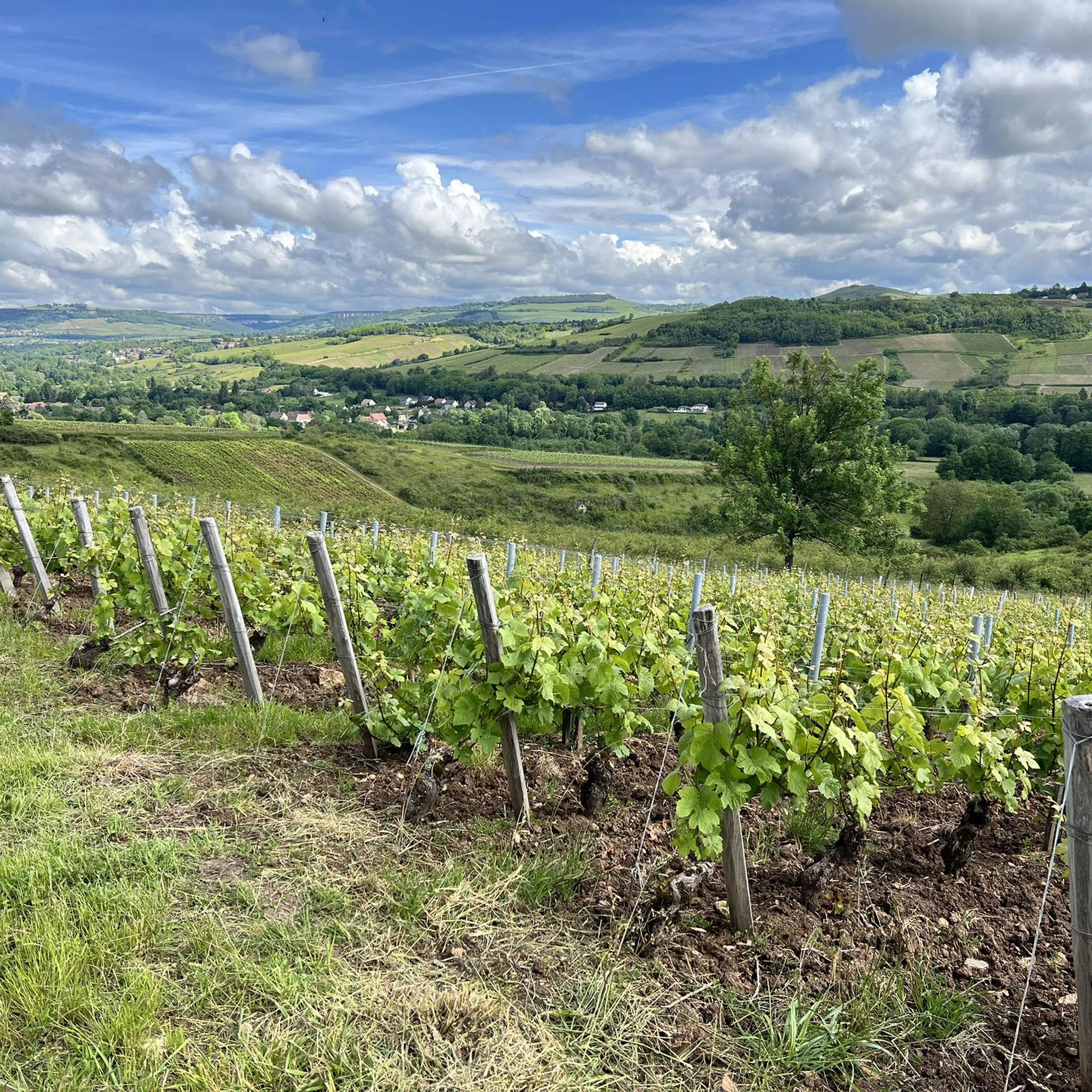
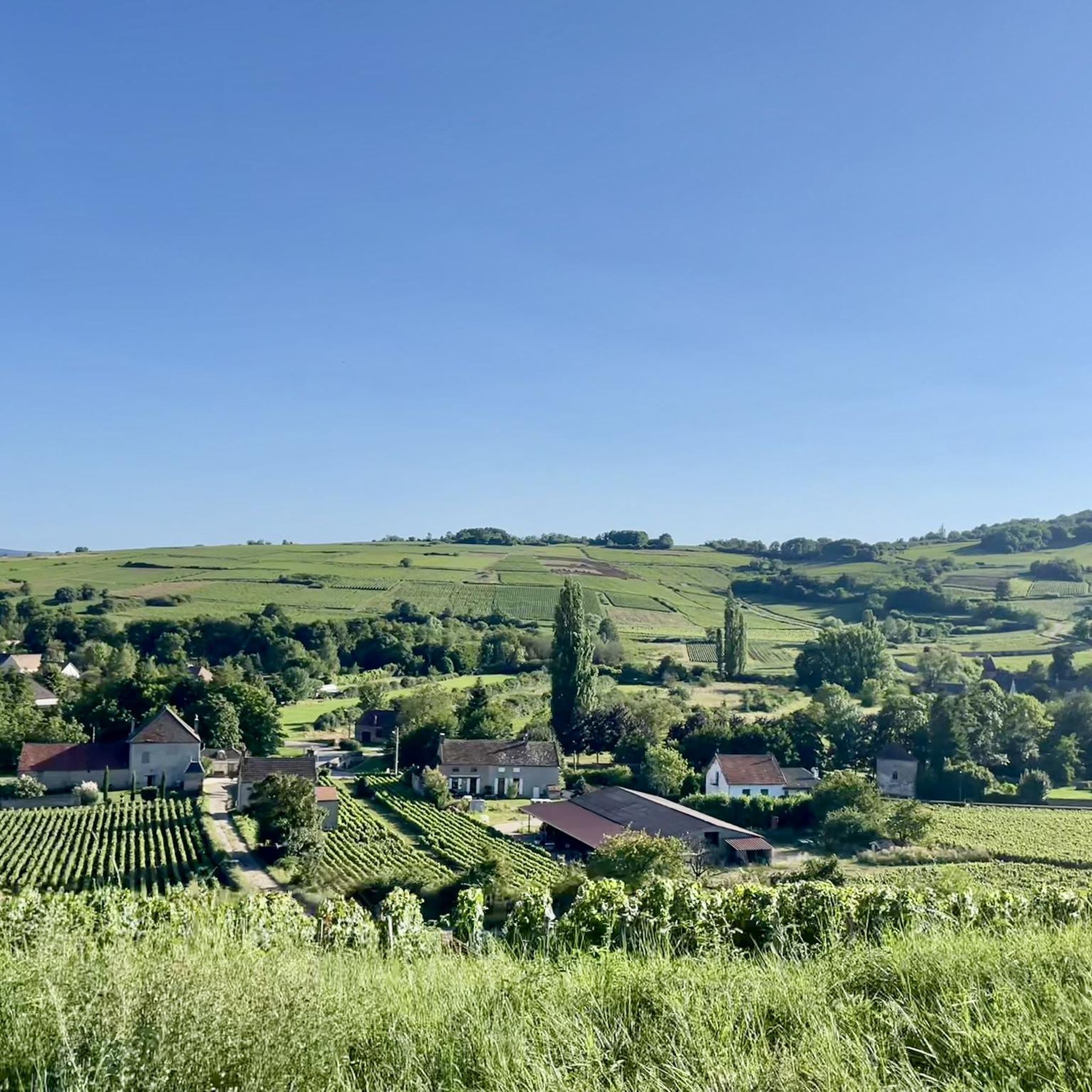
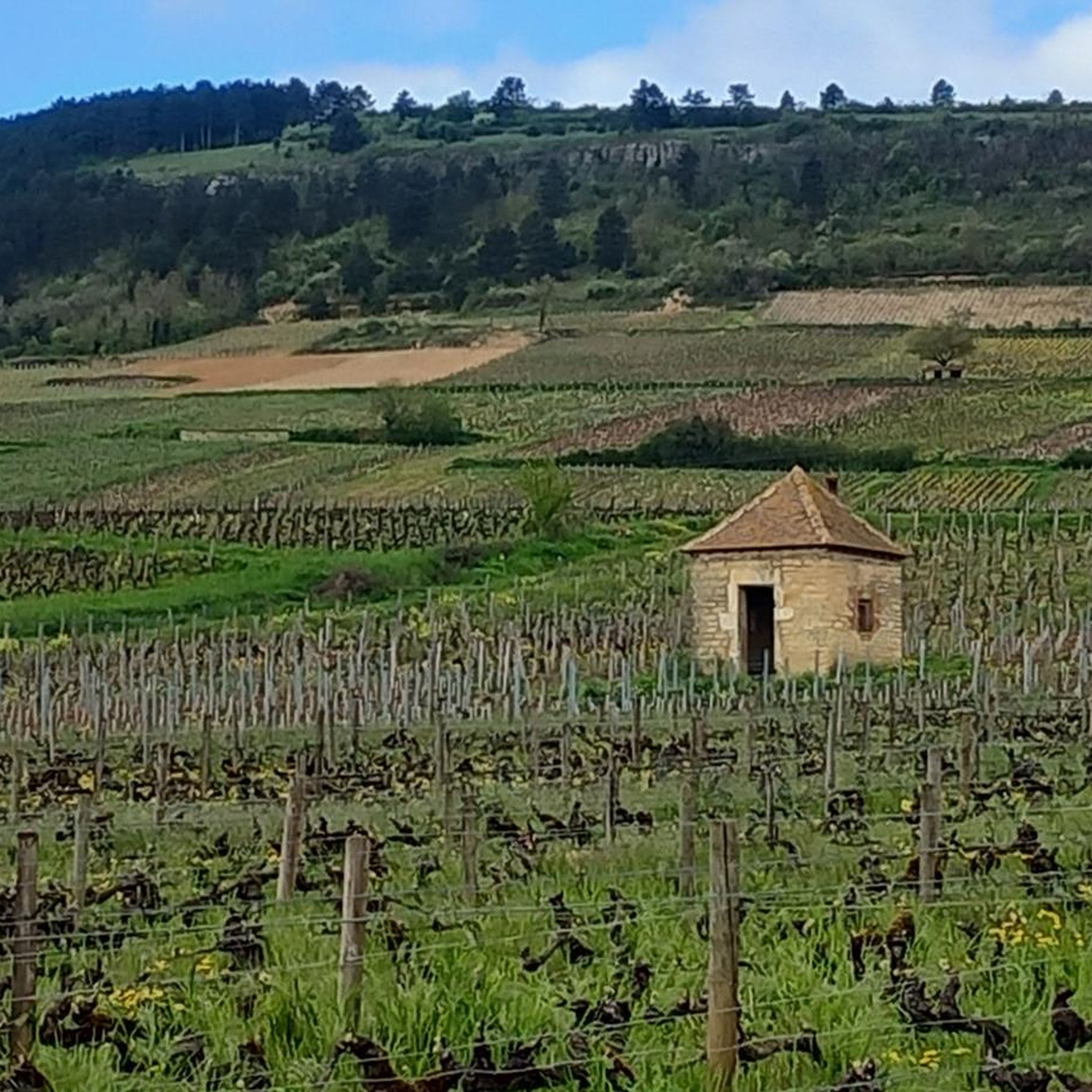
The village is located near Nolay, at the bottom of a green valley where the Cozanne, a trout river, flows. At the foot of the Bout du Monde valley and its waterfall, a "refuge" for the peregrine falcon or the white-bellied swift, and a veritable dictionary of protected cave-dwelling flora and fauna, the village of Cormot-Vauchignon is a unique and remarkable site where hiking or cycling tours are enchanting. Starting point for several hiking circuits, including that of "Saint-Antoine via the Roman road". Its St Antoine chapel is dominated by cliffs, a popular climbing site with 237 routes. The Eagle Owl watches.
0
0


The fact that they are attributed to the Middle Neolithic does not in any way rule out a presence that could go back to the Bronze Age. With a length of 7.30 m and a weight of around 30 tons, the large menhir is the most impressive in the whole of eastern France.
14
0
A set of seven menhirs that are about 5,000 years old and were erected by the Neolithic civilization. Later, the Gauls dedicated this place to Epogne, the goddess of horsemen. The highest is 7.35 meters.
16
0

This dolmen is in the form of a megalithic chest covered with a large triangular slab. The base of this southeast-facing triangle is 3 m long. The other two sides are 3.50 m long. The dolmen has been listed as a historical monument since 1912. A second dolmen, located near Mont-de-Sène, not far from this dolmen, is still covered with a mound of earth.
1
0

There is a thick boat rope here to make it easier to climb up and down in the upper part - very helpful, especially when it is wet.
4
0


During a long drought there is no waterfall. A very nice view above the treetops.
1
0
Frequently Asked Questions
What unique geological features can I explore around Saint-Sernin-Du-Plain?
The region offers diverse geological formations. You can visit Mont Rome-Château, a prominent butte témoin over 500 meters high, featuring heathland, dry grasslands, cornices, and cliffs. Another impressive site is the View of the Cirque at the End of the World, which provides extensive views of dramatic cliffs and precipices. Additionally, the Impressive Cliff With Steep Descent and Waterfall offers a challenging yet rewarding experience with its gorge and waterfall.
Are there natural monuments with significant historical or archaeological importance?
Yes, the area is rich in historical natural sites. The Cul Blanc Dolmen, a megalithic chest listed as a historical monument since 1912, offers a tangible link to ancient human presence. Nearby, the Menhirs of Époigny are a set of seven Neolithic standing stones, some dating back 5,000 years. Three Crosses Mountain also has dolmen sites nearby, indicating human activity as early as 5000 BC.
Where can I find the best panoramic views of the region?
For breathtaking vistas, Mont Rome-Château offers remarkable panoramic views of the Autunois, Couchois, and the Saône Plain. The Three Crosses Mountain is another celebrated viewpoint with orientation panels to help identify distant landmarks. You can also enjoy extensive views from the View of the Cirque at the End of the World and a rewarding perspective from the View of the Cliffs Above Saint-Romain after an ascent.
What outdoor activities are available near the natural monuments?
The region provides numerous opportunities for outdoor activities. You can enjoy hiking, cycling, and climbing. Mont Rome-Château is a renowned climbing site with over 80 routes and also features a fitness trail. The Canal du Centre offers excellent paved, flat bike trails, connecting to major European cycling routes. For hiking, consider routes like the 'Cul Blanc Dolmen – Three Crosses Mountain loop' or various trails around Mont Rome. You can find more details on hiking routes at Hiking around Saint-Sernin-Du-Plain and cycling routes at Cycling around Saint-Sernin-Du-Plain.
Are there family-friendly natural monuments or activities in the area?
Yes, several natural monuments are suitable for families. The Three Crosses Mountain offers an easy ascent from a nearby hiking car park, making it readily accessible for all ages, and provides orientation panels for an educational experience. Mont Rome-Château has picnic facilities and a fitness trail, perfect for a family outing. The Canal du Centre's scenic towpaths are ideal for leisurely cycling and walking with children.
What is the best time of year to visit the natural monuments around Saint-Sernin-Du-Plain?
The natural monuments are enjoyable throughout much of the year. Spring and autumn generally offer pleasant temperatures for hiking and cycling, with vibrant foliage or blooming wildflowers. Summer is also popular, especially for activities like climbing at Mont Rome-Château, which also hosts a classical music festival. Always check local weather forecasts before your visit.
Can I bring my dog to the natural monuments?
Many natural areas in France, including trails and natural monuments, are generally dog-friendly, especially if dogs are kept on a leash. However, specific rules can vary by site, particularly in protected areas. It's always advisable to keep your dog under control and clean up after them. For specific sites like Mont Rome-Château or Three Crosses Mountain, check for any posted regulations upon arrival.
Are there any easy hiking trails to natural monuments for beginners?
Yes, there are options for beginners. The ascent to Three Crosses Mountain is considered easy from a nearby hiking car park. While some trails can be challenging, many sections of the Canal du Centre's towpaths are flat and paved, offering easy walks or bike rides. For more detailed information on difficulty levels, you can explore routes on Hiking around Saint-Sernin-Du-Plain, which includes routes with varying difficulty grades.
What kind of wildlife or unique flora can be observed in these natural areas?
The natural monuments are home to diverse ecosystems. Three Crosses Mountain is known for its rare plants and animals, adding to its ecological value. Mont Rome-Château features distinctive heathland and dry grasslands. Keep an eye out for local bird species and insects, especially during spring and summer.
What do visitors enjoy most about the natural monuments around Saint-Sernin-Du-Plain?
Visitors frequently praise the breathtaking panoramic views, especially from sites like Mont Rome-Château and Three Crosses Mountain. The sense of being 'at the end of the world' at the View of the Cirque at the End of the World is also a highlight. Many appreciate the blend of natural beauty with historical significance, such as the ancient dolmens and menhirs. The challenging yet impressive experience of sites like the Impressive Cliff With Steep Descent and Waterfall also receives positive feedback.
Are there opportunities for climbing near Saint-Sernin-Du-Plain?
Yes, the region is known for climbing. Mont Rome-Château is a significant natural site with cliffs that offer over 80 climbing routes. Additionally, the Impressive Cliff With Steep Descent and Waterfall provides a challenging climbing experience, aided by a thick boat rope in its upper section.
Is the Canal du Centre a natural monument, and what can I do there?
While primarily a historic waterway, the Canal du Centre offers significant natural and recreational appeal. It connects the Loire and Saône rivers and its scenic towpaths are ideal for cycling and walking. Near Chagny, you'll find an excellent paved, flat bike trail that connects to major European cycling routes like EuroVelo 6. It's a peaceful environment to enjoy the waterside and observe its engineering marvels.
Are there any natural monuments accessible by public transport?
Public transport options directly to all natural monument trailheads can be limited in rural areas like Saint-Sernin-Du-Plain. It is often recommended to have a car for easier access to many sites. However, some areas might be reachable via regional bus services to nearby towns, followed by a walk or taxi. Always check local transport schedules in advance for specific routes.
Most popular routes around Saint-Sernin-Du-Plain
Most popular attractions around Saint-Sernin-Du-Plain

Get inspired with the komoot mobile app


Explore more
Extend your search for the best caves by checking out these guides of the top ones around Saint-Sernin-Du-Plain:
