Top 10 Natural Monuments around Laussonne
Best natural monuments around Laussonne are found in a region of the Haute-Loire department in France, known for its rich natural beauty and geological formations. The area features diverse landscapes shaped by ancient volcanic activity, including distinctive peaks, crater lakes, and impressive waterfalls. This geographical context provides numerous natural attractions for exploration. The region is part of the larger Massif Central, offering varied terrain and significant natural landmarks.
Best natural monuments around Laussonne
- The most popular natural monuments is South…
Last updated: July 5, 2026
South summit of Mont Mézenc
Highlight • Summit
You are also precisely on the watershed line.
Translated by Google •
Tip by

Boutières Cross Pass
Highlight • Mountain Pass
Translated by Google •
Tip by

Sign up now to discover places like this
Get recommendations on the best single tracks, peaks, & plenty of other exciting outdoor places.
Sign up for free
Col de la Croix Peccata
Highlight • Viewpoint
Translated by Google •
Tip by

Beaume Waterfall
Highlight • Waterfall
Trees that are rare for the region, such as maritime …
Translated by Google •
Tip by

Bonnefont Spring
Highlight • Natural Monument
Translated by Google •
Tip by
Sign up for free to discover even more natural monuments around Laussonne.
Sign up for free
Already have an account?
Start today with a free account
Your next adventure awaits.
Login or Signup

Tips from the Community

Lots of hikers. Be polite and share the trail. The descent with the small steps is a treat.
0
0

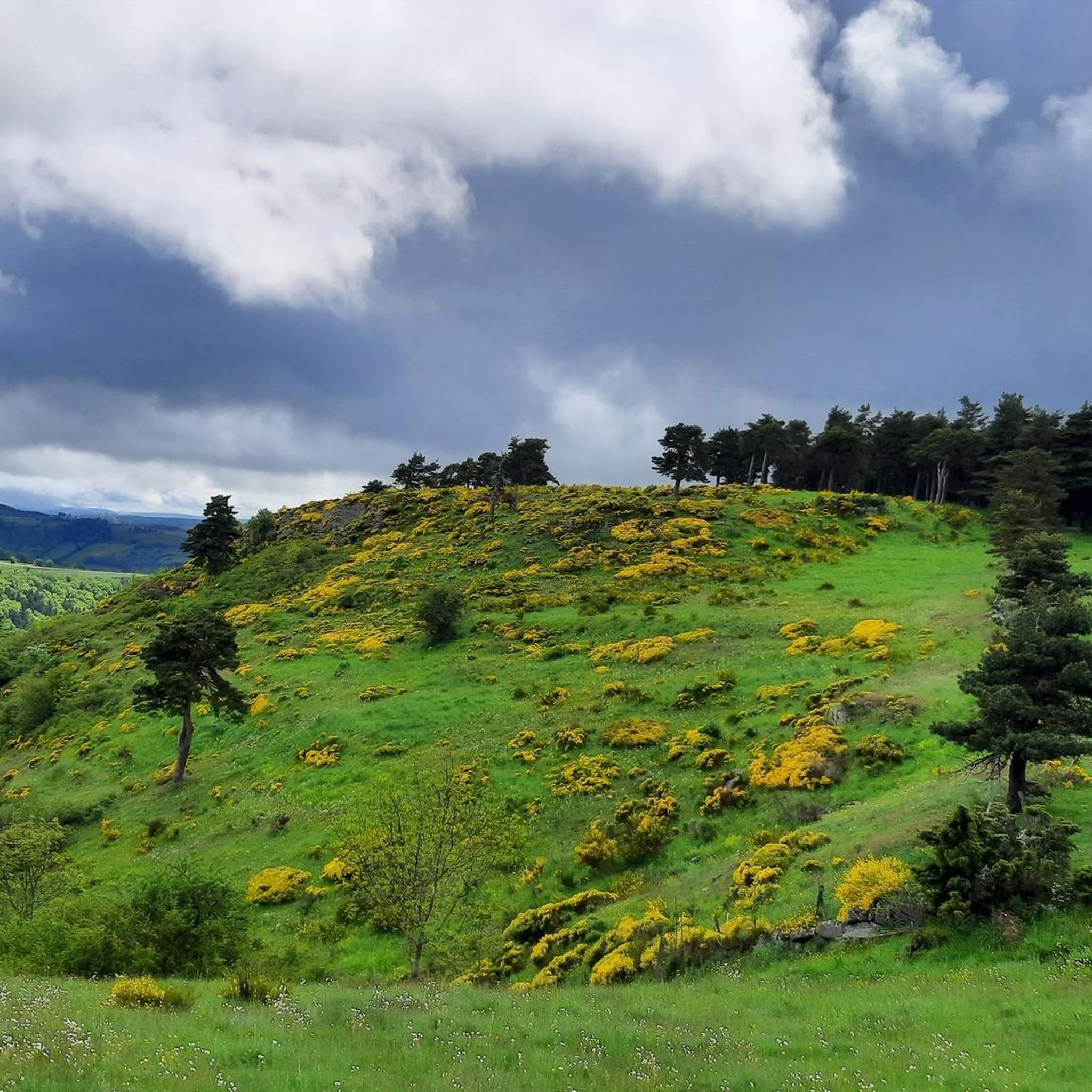
pretty flowers, pretty trees, pretty views, but what more could you ask for...oh yes, a windbreaker, because the mistral makes his grandmother cold.
0
0
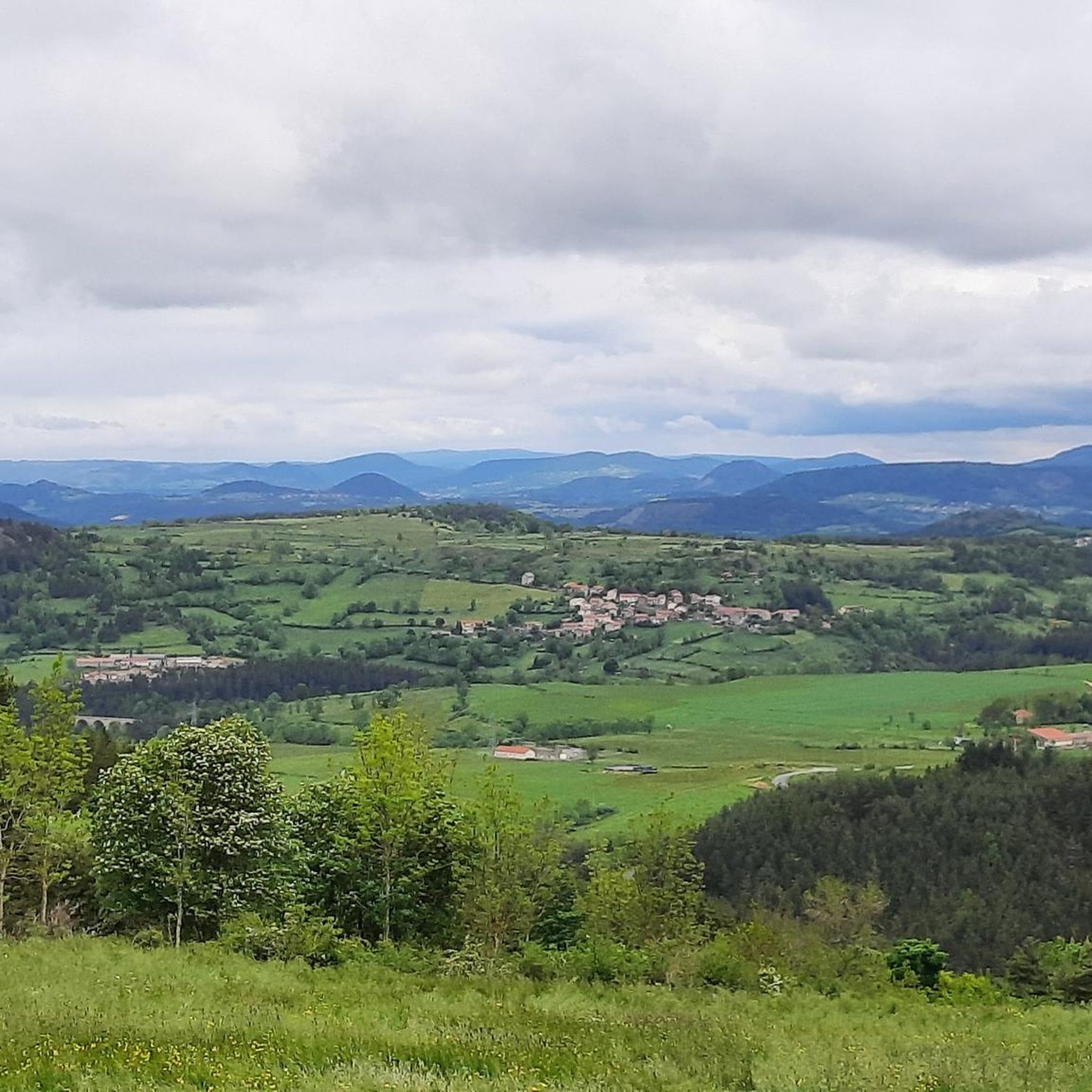
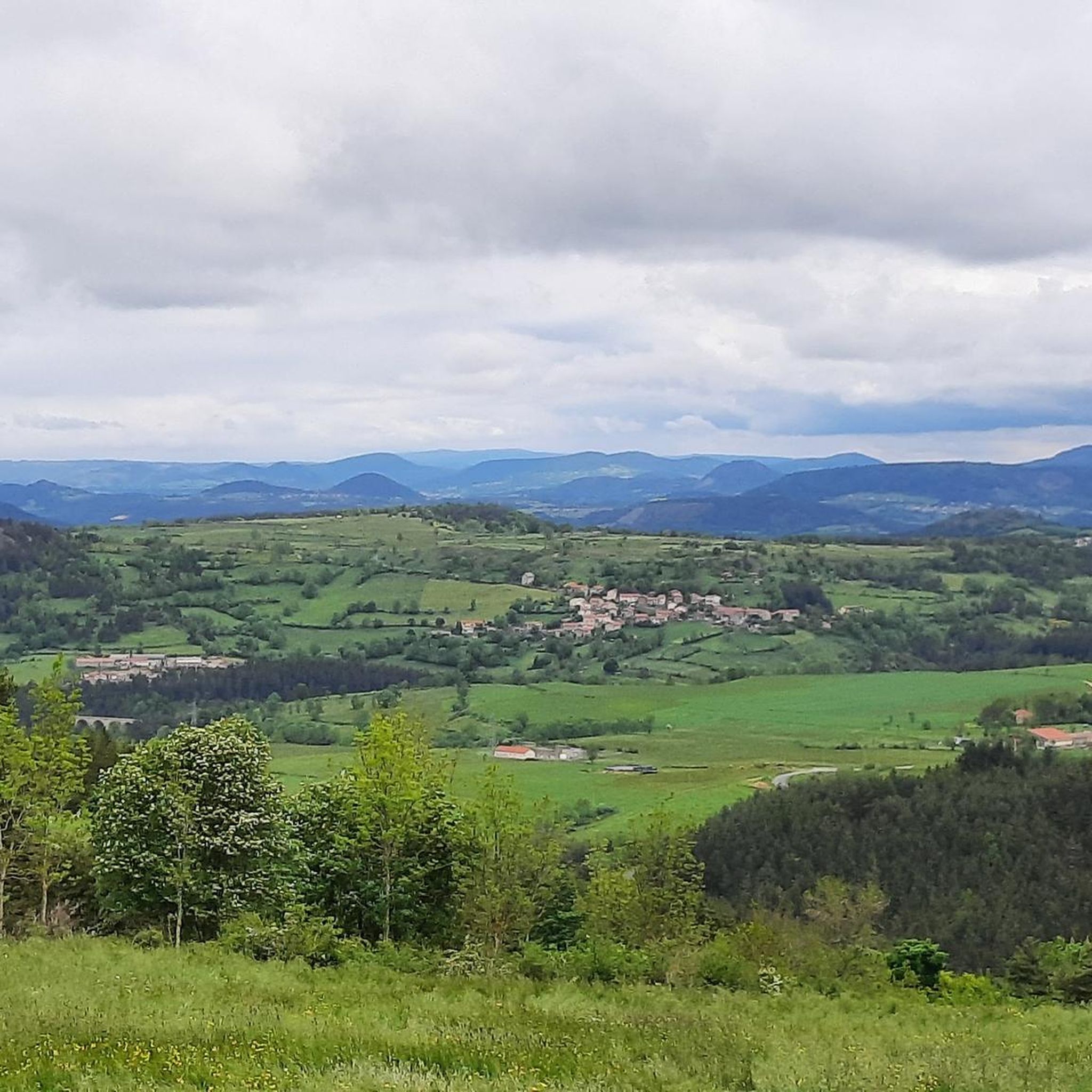
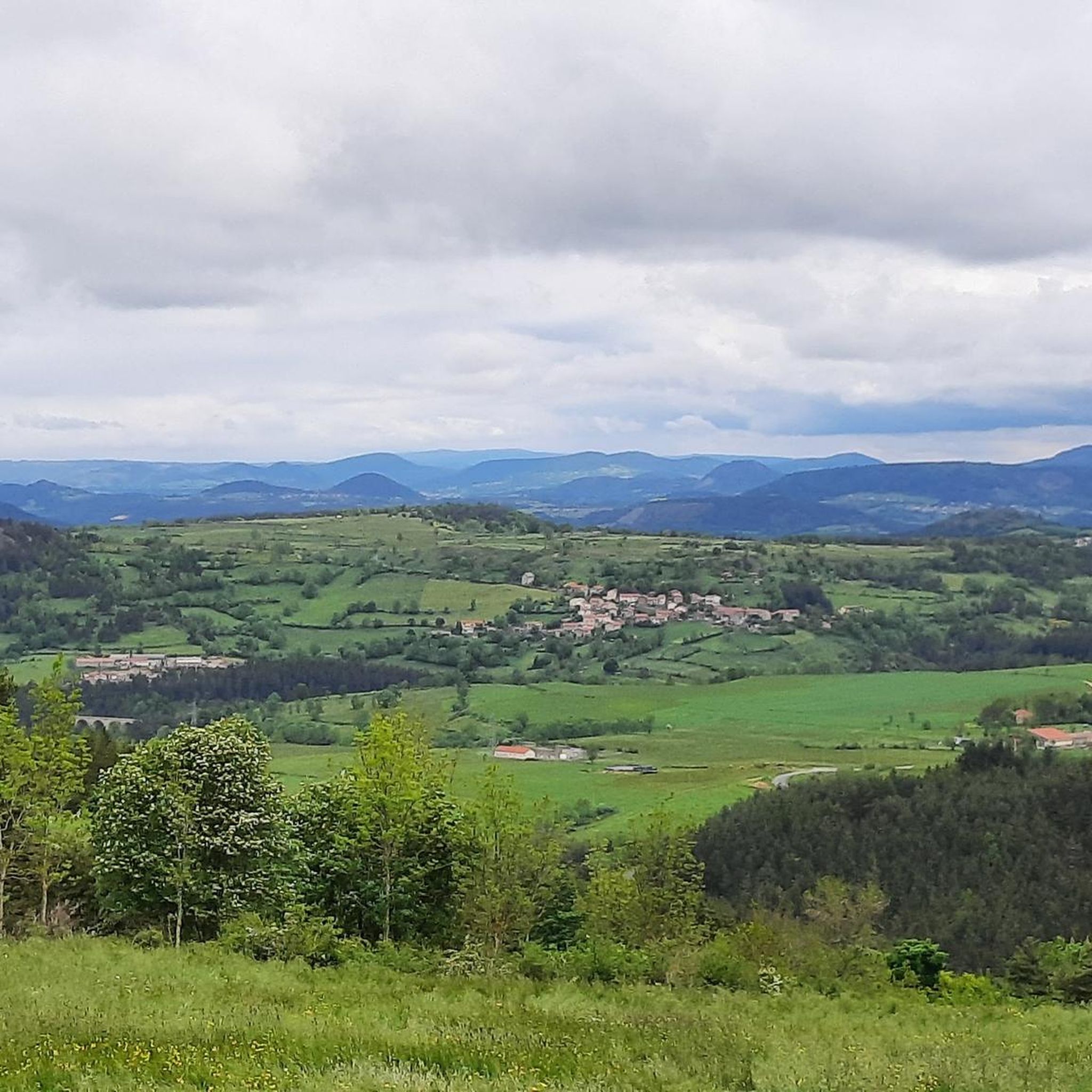
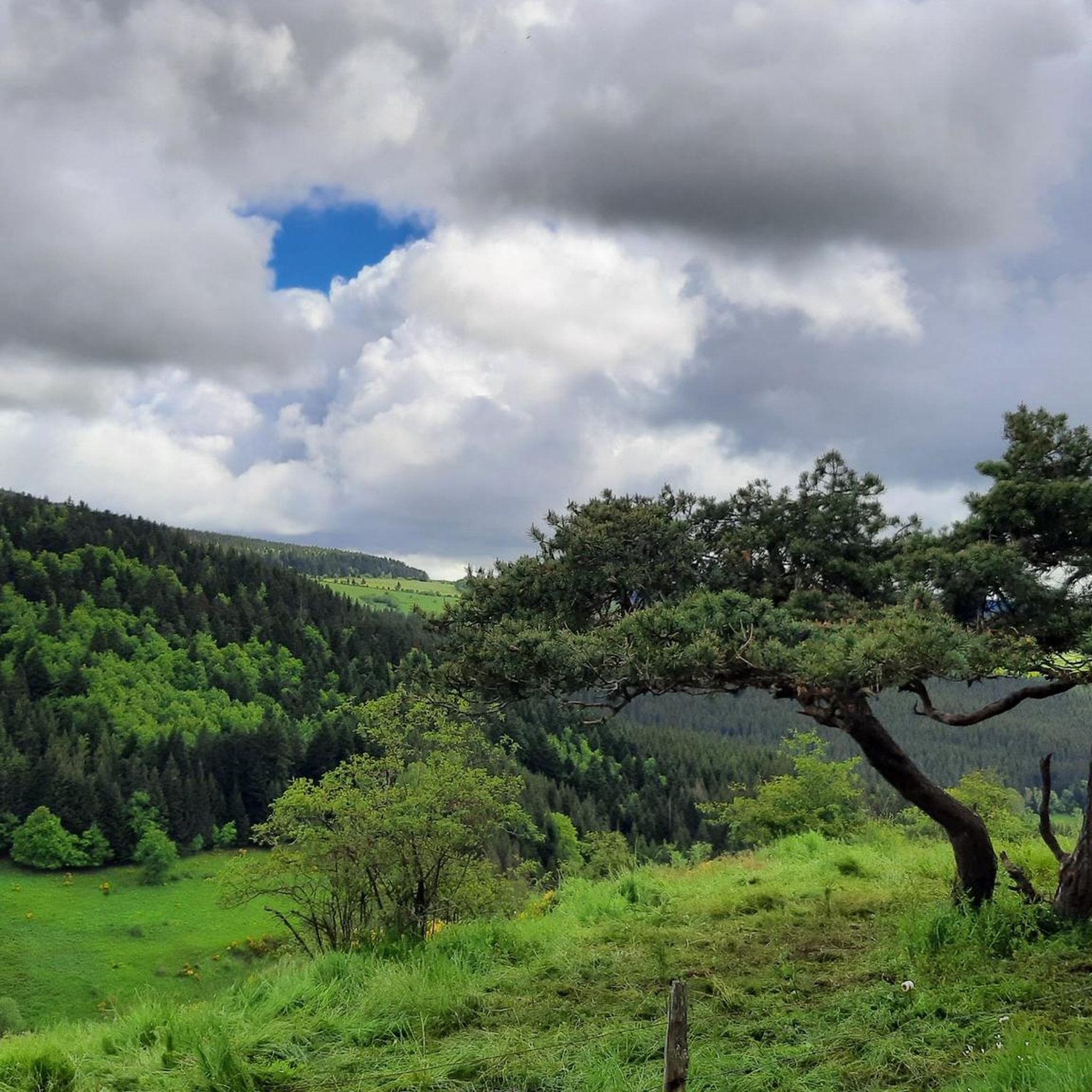
The cross is a bit ugly but it is not for it that we come to frolic in these green lands but rather for this landscape that would make a Caribou pale.
0
0
landscape that would make a caribou pale
0
0

A pass at an altitude of over 1500 m. It is the highest in Ardèche.
0
0

One of the highest road points in Haute-Loire, and a very beautiful view of the Pic Du Lisieux
0
0

The Beaume waterfall is a unique place! This 27 meter high waterfall is the result of erosion: the waters of the Ourzie river cut into the basalt of the plateau and spring from the top of the cliff to then give rise to the Beaume, a tributary of the Loire.
0
0

The Col de la Croix de Boutières from Saint-Martin-de-Valamas is 27.1km long with a total drop of 1024m. The average gradient is 3.5% with maximum gradients of 9%.
1
0
Frequently Asked Questions
What are some of the most popular natural monuments to visit around Laussonne?
Visitors frequently enjoy the South summit of Mont Mézenc for its incredible 360-degree panoramic views. Another favorite is the Beaume Waterfall, an impressive 27-meter cascade over basaltic lava formations. The Boutières Cross Pass is also highly rated for its spectacular viewing spot and role as a significant watershed point.
Are there any natural monuments suitable for families with children?
Yes, Beaume Waterfall is a great option, with an easy 15-minute walk from the parking area to a viewpoint, and visitors can descend to the base for a picnic. Lac du Bouchet, a beautiful volcanic lake, is also ideal for families, offering a shaded walking path, supervised swimming in summer, a playground, and picnic areas.
What kind of geological features can I expect to see near Laussonne?
The region is rich in volcanic geology. You'll encounter distinctive volcanic peaks like Mont Gerbier de Jonc and Mont Mézenc, basaltic lava formations at the Beaume Waterfall and Cascade du Ray-Pic, and volcanic crater lakes such as Lac du Bouchet. The area is part of the larger Massif Central, known for its ancient volcanic activity.
Where can I find breathtaking panoramic views of the region?
For exceptional panoramic views, climb to the South summit of Mont Mézenc, which offers a 360° vista stretching to the Alps, Cévennes, and the volcanoes of the Massif Central. The Boutières Cross Pass and Col de la Croix Peccata also provide spectacular viewpoints.
Are there hiking opportunities near these natural monuments?
Absolutely. The region offers numerous hiking trails. For example, Mont Gerbier de Jonc has designated trails to explore its base and springs, and a 30-minute ascent to its summit. Mont Mézenc is crisscrossed with trails suitable for various levels. You can find many hiking routes in the area by visiting the Hiking around Laussonne guide.
What is the significance of Mont Gerbier de Jonc?
Mont Gerbier de Jonc is a distinctive sugarloaf-shaped volcanic peak famous as the source of the Loire River, France's longest river. It is composed of phonolite, a type of volcanic rock, and offers a magnificent 360° panorama from its summit. The site is part of the Monts d'Ardèche UNESCO Global Geopark.
Can I swim in any of the natural lakes or rivers?
Yes, Lac du Bouchet, a beautiful circular volcanic lake, has excellent water quality and allows for supervised swimming during the summer months. It's a popular spot for cooling off and enjoying water activities.
What unique natural features can be found at Cascade du Ray-Pic?
The Cascade du Ray-Pic is a spectacular waterfall bursting from amidst impressive basalt columns. It consists of two successive falls, with the main one plunging 35 meters. It's an exceptional volcanic site, known for one of the longest lava flows in France, extending over 20 kilometers, and has been classified as a natural volcanic site since 1931.
Are there any unique bridges or structures within the natural landscapes?
Yes, the Gorges du Lignon feature the Passerelle des Gorges du Lignon, which is France's longest Himalayan footbridge. It stretches 268 meters and is suspended 78 meters above the Lignon river, offering an extraordinary experience and breathtaking views over the gorges.
What kind of wildlife might I encounter in the natural monuments area?
The region is home to diverse flora and fauna. In areas like Mont Mézenc, you might spot mountain violets, arnicas, gentians, and even marmots or Tengmalm owls. The Gorges du Lignon, a Natura 2000 site, is recognized for its remarkable biodiversity, including species like the European beaver, otter, and pearl mussel.
Are there cycling routes available near the natural monuments?
Yes, the area around Laussonne offers various cycling opportunities. You can find routes for touring bicycles and gravel biking. For example, there are challenging routes like the 'Mont Gerbier de Jonc – Gerbier de Jonc Pass loop' or the 'Col du Gerbier de Jonc – Boutières Cross Pass loop'. Explore more options in the Cycling around Laussonne guide and the Gravel biking around Laussonne guide.
What is special about the Bonnefont Spring?
The Bonnefont Spring is a mineral water source housed in a somewhat inconspicuous stone house. The spring water is very iron-rich, and its iron deposits are said to be slightly radioactive, with folklore suggesting healing powers. The high carbonate content is visible through small, rising bubbles.
Most popular attractions around Laussonne

Get inspired with the komoot mobile app


Explore more
Extend your search for the best caves by checking out these guides of the top ones around Laussonne:
