Top 10 Natural Monuments around Fay-Sur-Lignon
Best natural monuments around Fay-Sur-Lignon encompass a diverse landscape of volcanic peaks, mountain passes, and unique geological features. This region in the Haute-Loire department offers numerous sites showcasing the natural heritage of the Massif Central. Visitors can explore ancient volcanoes, high-altitude viewpoints, and areas rich in distinctive rock formations. The natural features around Fay-Sur-Lignon provide opportunities to experience the area's varied topography and ecological significance.
Best natural monuments around Fay-Sur-Lignon
- The most popular natural monuments is South summit of Mont…
Last updated: July 5, 2026
South summit of Mont Mézenc
Highlight • Summit
You are also precisely on the watershed line.
Translated by Google •
Tip by

Boutières Cross Pass
Highlight • Mountain Pass
Translated by Google •
Tip by

Sign up now to discover places like this
Get recommendations on the best single tracks, peaks, & plenty of other exciting outdoor places.
Sign up for free
Tchier de Borée
Highlight • Monument
Translated by Google •
Tip by

Col de la Croix Peccata
Highlight • Viewpoint
Translated by Google •
Tip by

Suc de Sara
Highlight • Mountain Hut
Translated by Google •
Tip by

Sign up for free to discover even more natural monuments around Fay-Sur-Lignon.
Sign up for free
Already have an account?
Start today with a free account
Your next adventure awaits.
Login or Signup

Tips from the Community

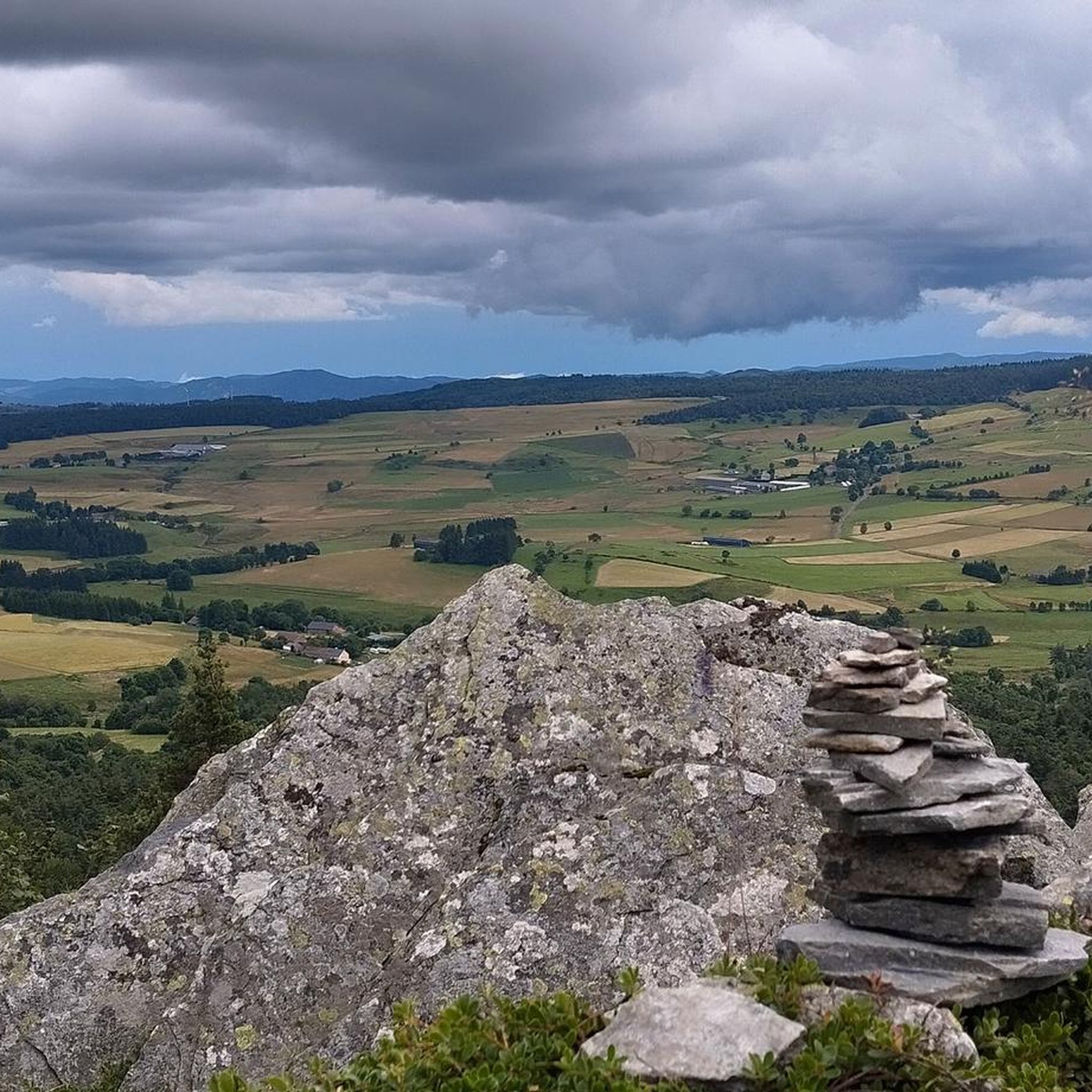
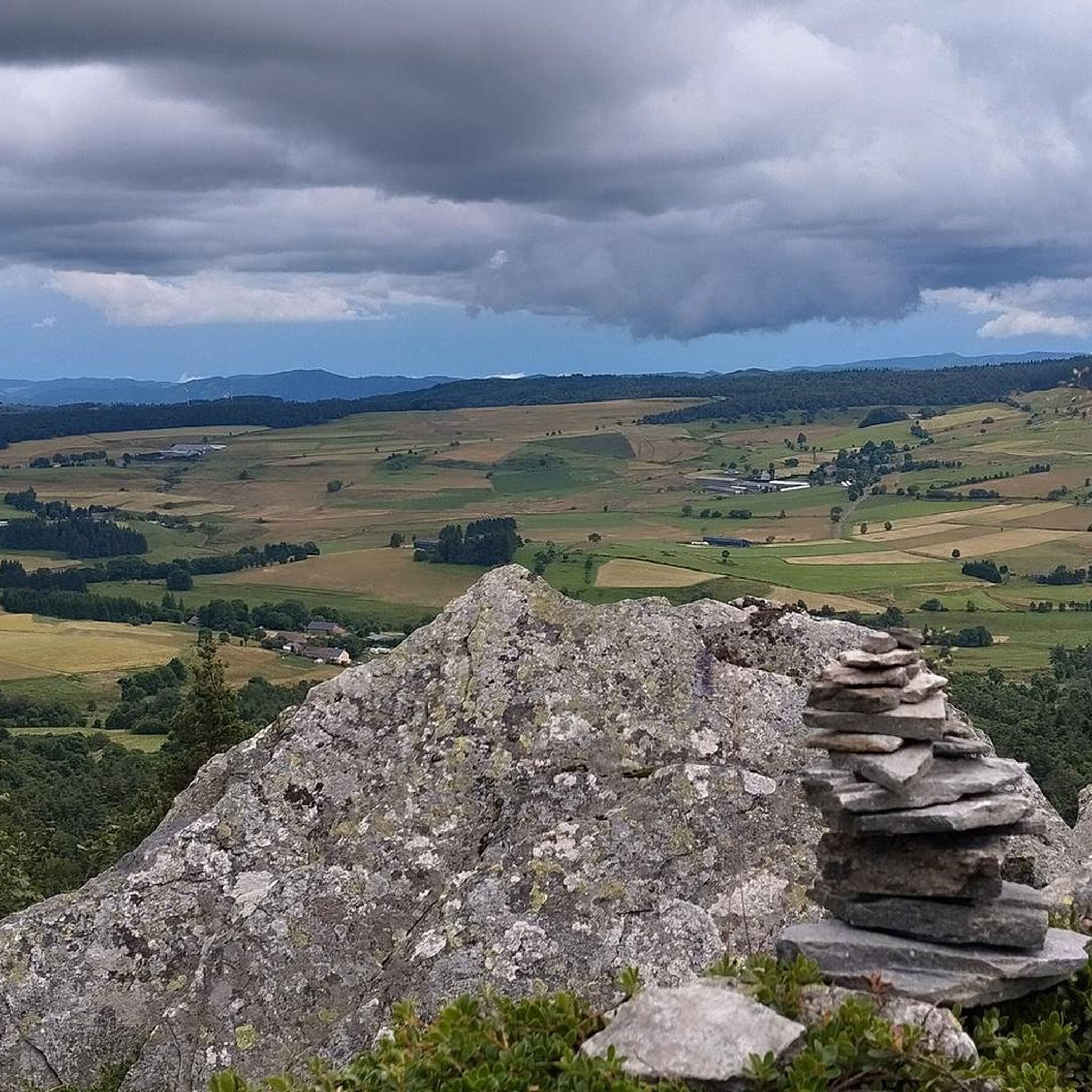
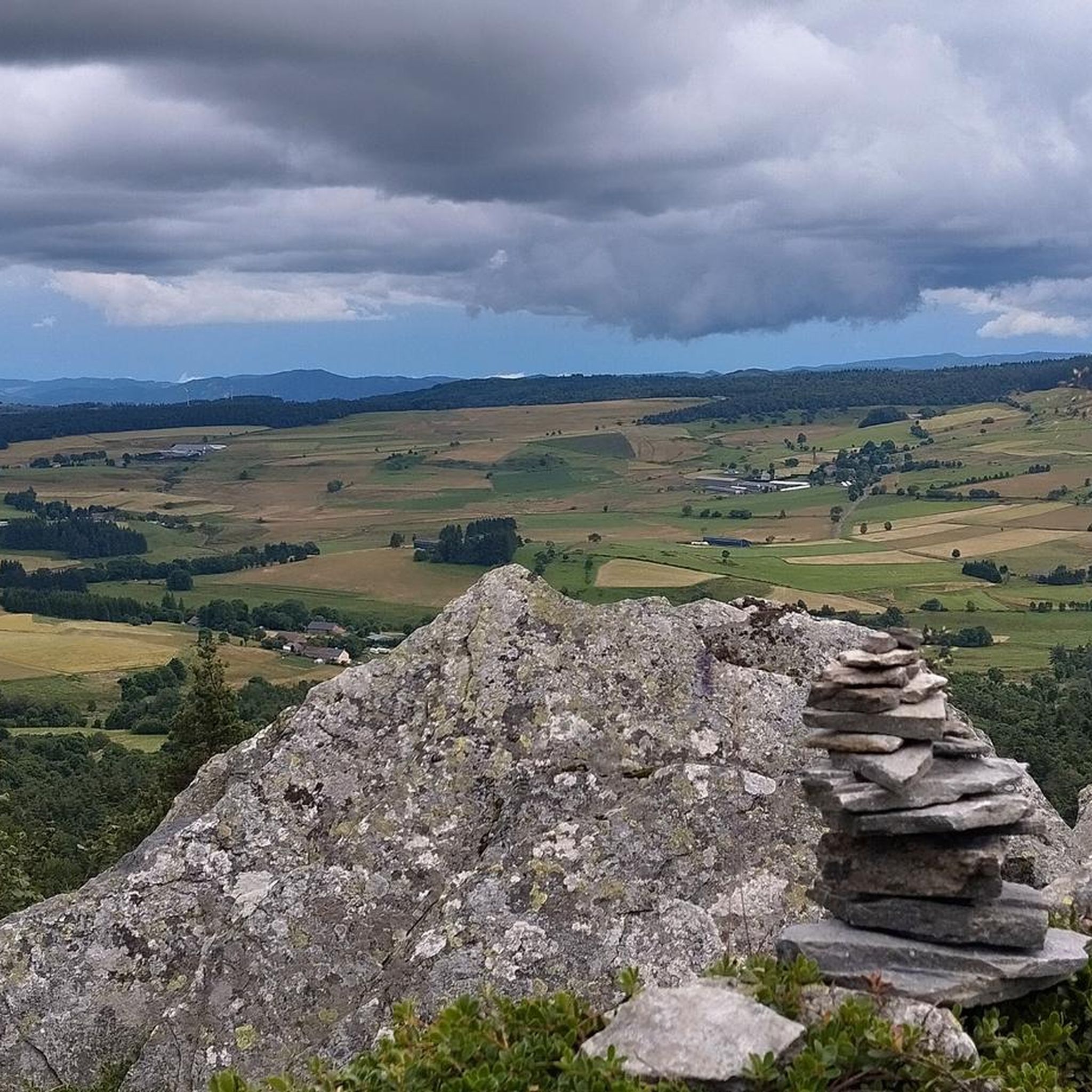
The Tchier de Borée is a contemporary artwork situated in the heart of the volcanic landscapes of the Boutières region. Created in 2008 by Fabienne Versé and Serge Boyer, this megalithic installation comprises 70 standing stones arranged in a circle 80 meters in diameter. Each stone bears a symbol or message: runes, astrological signs, natural elements (air, water, fire, earth), winds, mythology… The word “Tchier” (from the local dialect) means “pile of stones”: a tribute to stone, time, and the memory of the land. https://www.montagnedardeche.com/patrimoine-culturel/tchier-de-boree-2634/
0
0

Lots of hikers. Be polite and share the trail. The descent with the small steps is a treat.
0
0

pretty flowers, pretty trees, pretty views, but what more could you ask for...oh yes, a windbreaker, because the mistral makes his grandmother cold.
0
0
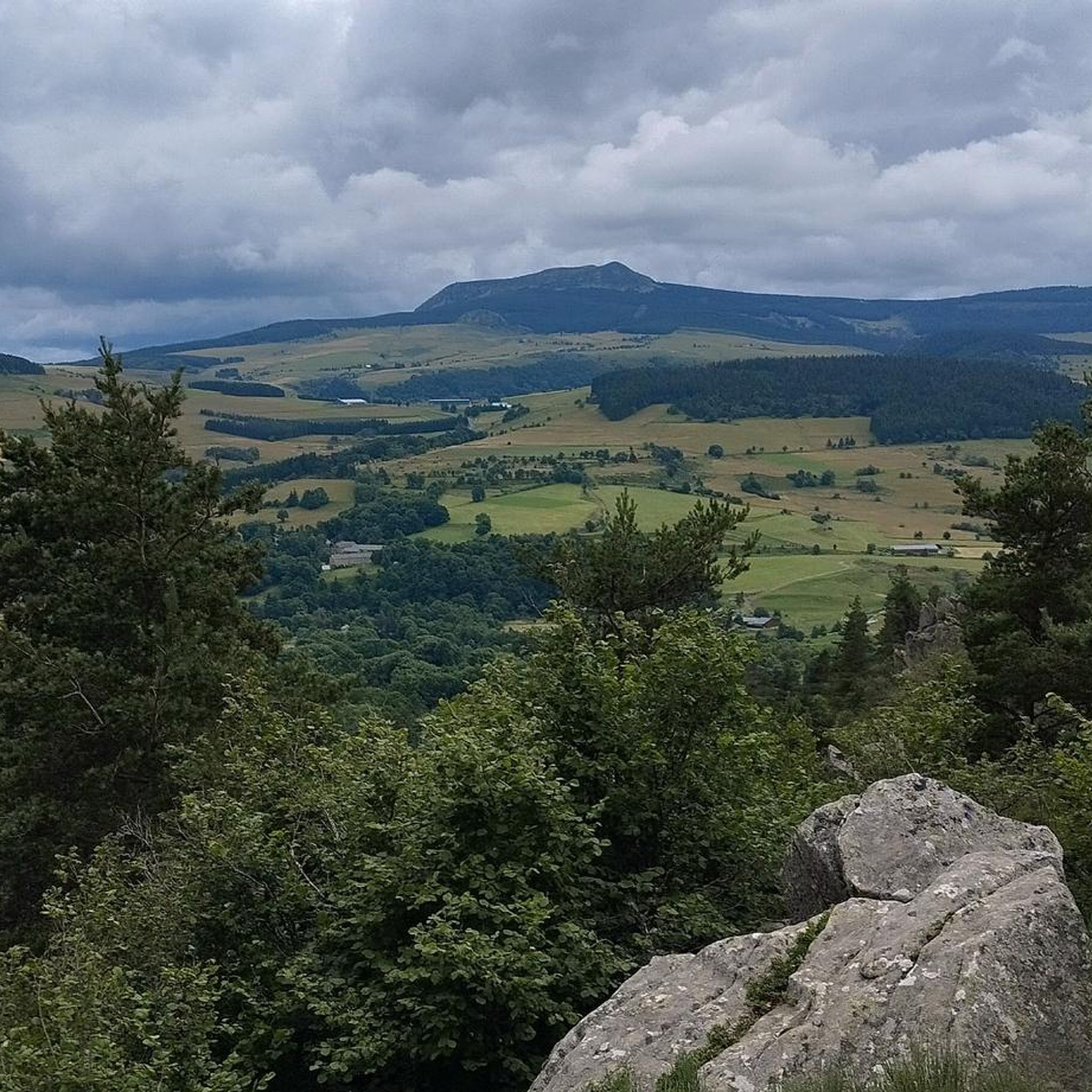
The cross is a bit ugly but it is not for it that we come to frolic in these green lands but rather for this landscape that would make a Caribou pale.
0
0
landscape that would make a caribou pale
0
0

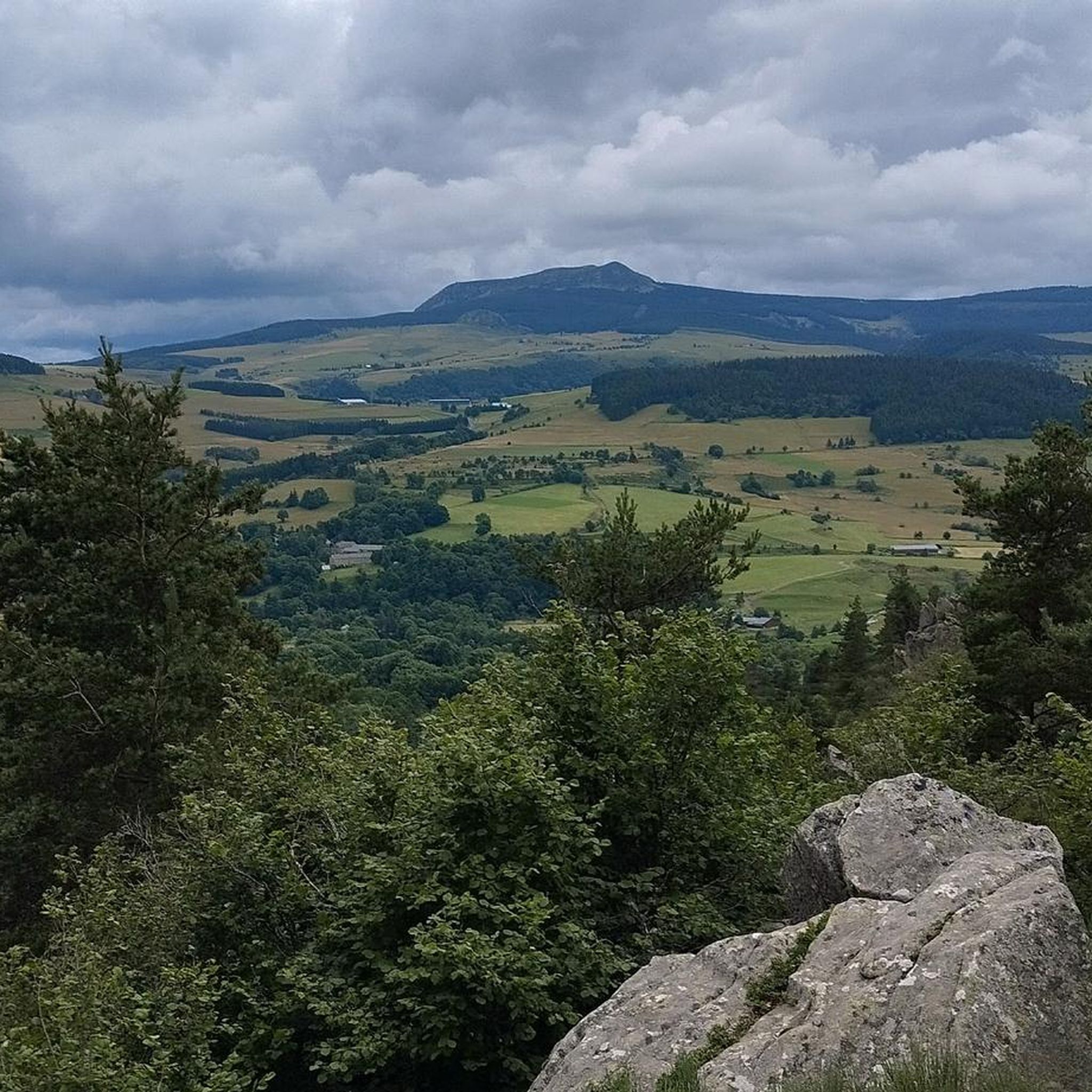
One of the most beautiful viewpoints in the region with the village of Borée, at the foot of the Sucs and Mont Mézenc
0
0
A pass at an altitude of over 1500 m. It is the highest in Ardèche.
0
0

One of the highest road points in Haute-Loire, and a very beautiful view of the Pic Du Lisieux
0
0
Frequently Asked Questions
What are some of the most popular natural monuments to visit around Fay-sur-Lignon?
Among the most appreciated natural monuments in the region, you'll find the South summit of Mont Mézenc, which offers an incredible 360-degree panorama over the Ardèche and Haute-Loire departments. Another highly regarded spot is the Boutières Cross Pass, known for its spectacular viewing spot and a cafe for refreshments. Visitors also enjoy the Col de la Croix Peccata, one of the highest road passes in Haute-Loire, providing breathtaking views and serving as a starting point for hikes towards Mont Mézenc.
What unique geological features can I explore near Fay-sur-Lignon?
The region is rich in volcanic geology. You can visit the Mont Gerbier de Jonc, an ancient volcano famously recognized as the source of the Loire River, offering a magnificent 360° panorama. Another stunning site is the Cascade du Ray-Pic, where a spectacular waterfall plunges amidst impressive basalt columns, showcasing a fascinating geological history formed by ancient lava flows. The perfectly circular Lac du Bouchet is also a unique volcanic lake formed in a crater.
Are there family-friendly natural monuments suitable for children around Fay-sur-Lignon?
Yes, several natural sites are enjoyable for families. The Tchier de Borée is a beautiful artistic site with carved stones, offering superb views and a cultural history element that can engage children. The tranquil Lac du Bouchet is also ideal for families, with clear waters suitable for swimming and two trails to explore its unique geological and environmental characteristics.
What are the best viewpoints in the Fay-sur-Lignon area?
For breathtaking vistas, the South summit of Mont Mézenc provides an extraordinary 360-degree view over the Ardèche, Loire, and Haute-Loire. The Mont Gerbier de Jonc also offers a magnificent panorama that, on clear days, extends to the Alps. Additionally, the Crêt de la Perdrix, the highest point of the Pilat massif, boasts a 360° panoramic view over seven departments, including the Alps and the Rhône Valley.
What outdoor activities can I do near these natural monuments?
The area around Fay-sur-Lignon is excellent for various outdoor activities. You can find numerous routes for gravel biking, road cycling, and mountain biking. For example, explore the Gravel biking around Fay-Sur-Lignon guide for routes like the 'Boutières Cross Pass – Col du Gerbier de Jonc loop'. Road cyclists can check the Road Cycling Routes around Fay-Sur-Lignon, and mountain bikers can discover trails in the MTB Trails around Fay-Sur-Lignon guide.
Are there hiking trails near the natural monuments in the region?
Absolutely. Many natural monuments serve as excellent starting points for hikes. From the Col de la Croix Peccata, you can embark on various hikes, especially towards Mont Mézenc. The Mont Mézenc itself is a popular hiking destination, offering trails to its summit for grandiose 360° panoramas. The Tanargue Massif is also celebrated for its wild nature and offers numerous hiking trails, including parts of the GR®4.
What is the best season to visit the natural monuments around Fay-sur-Lignon?
The best time to visit largely depends on your preferred activities. For hiking and enjoying the lush landscapes, late spring to early autumn (May to October) offers pleasant weather. In winter, sites like Mont Mézenc transform into a winter sports area, popular for cross-country skiing, alpine skiing, and snowshoeing, offering a different kind of natural beauty.
Can I bring my dog on trails to these natural monuments?
While many natural areas in France are generally dog-friendly, it's always best to check specific regulations for each site, especially within protected areas or nature reserves. Typically, dogs are welcome on trails if kept on a leash. For specific dog-friendly trails, it's advisable to consult local tourism offices or trail signage upon arrival.
What is the significance of the Lignon River in relation to the natural monuments?
The Lignon River, while not the source of the Loire, is an important waterway in the region. The area around Fay-sur-Lignon is named after it, and its valleys contribute to the diverse landscape. You can find natural sites like the 'Small bridge over the Lignon' mentioned in nearby MTB routes, highlighting its presence in the natural environment.
Where can I see impressive waterfalls and basalt formations?
The most impressive site for waterfalls and basalt formations is the Cascade du Ray-Pic. This spectacular waterfall plunges amidst unique basalt columns, resembling church organ pipes. You can admire the cascade from various belvederes, with well-marked paths leading to impressive views of the gorge and the falls. For more information, you can visit vallontourisme.com.
Are there any natural monuments with historical or cultural significance?
Yes, the Tchier de Borée is a notable site. It features contemporary artistic works made with carved stones, telling the cultural history of the high country of Boutières through symbols and myths. It offers a unique blend of natural beauty and human artistry, set against the backdrop of the village of Borée and Mont Mézenc.
What is the 'Suc de Sara' and what makes it worth visiting?
The Suc de Sara is a summit of volcanic origin located at 1,521 meters. It was formed by an underground magma chamber millions of years ago. From its summit, visitors are treated to a magnificent 360-degree view. While the trail can be a little technical, the panoramic reward is well worth the effort.
What is the Tanargue Massif known for?
The Tanargue Massif, part of the Massif Central, is renowned for its wild nature and diverse ecosystems. It features granite rocks, steep relief, and rich flora and fauna, including beech and fir forests, peat bogs, and moorlands. It's an excellent destination for hiking, offering panoramic views that can extend to the Alps and Mont Ventoux on clear days.
Most popular routes around Fay-Sur-Lignon
Most popular attractions around Fay-Sur-Lignon

Get inspired with the komoot mobile app


Explore more
Extend your search for the best caves by checking out these guides of the top ones around Fay-Sur-Lignon:
