Top 9 Natural Monuments around Tartonne
Best natural monuments around Tartonne, a village in the Alpes-de-Haute-Provence, offer access to a preserved natural environment known for its geological richness. The area is part of the vast Haute-Provence Geological Nature Reserve, a UNESCO Global Geopark. This region provides opportunities to explore significant geological features and diverse landscapes. It serves as a base for experiencing the powerful forces that shaped the Earth's crust over millions of years.
Best natural monuments around Tartonne
- The most popular natural monuments is The…
Last updated: August 29, 2026
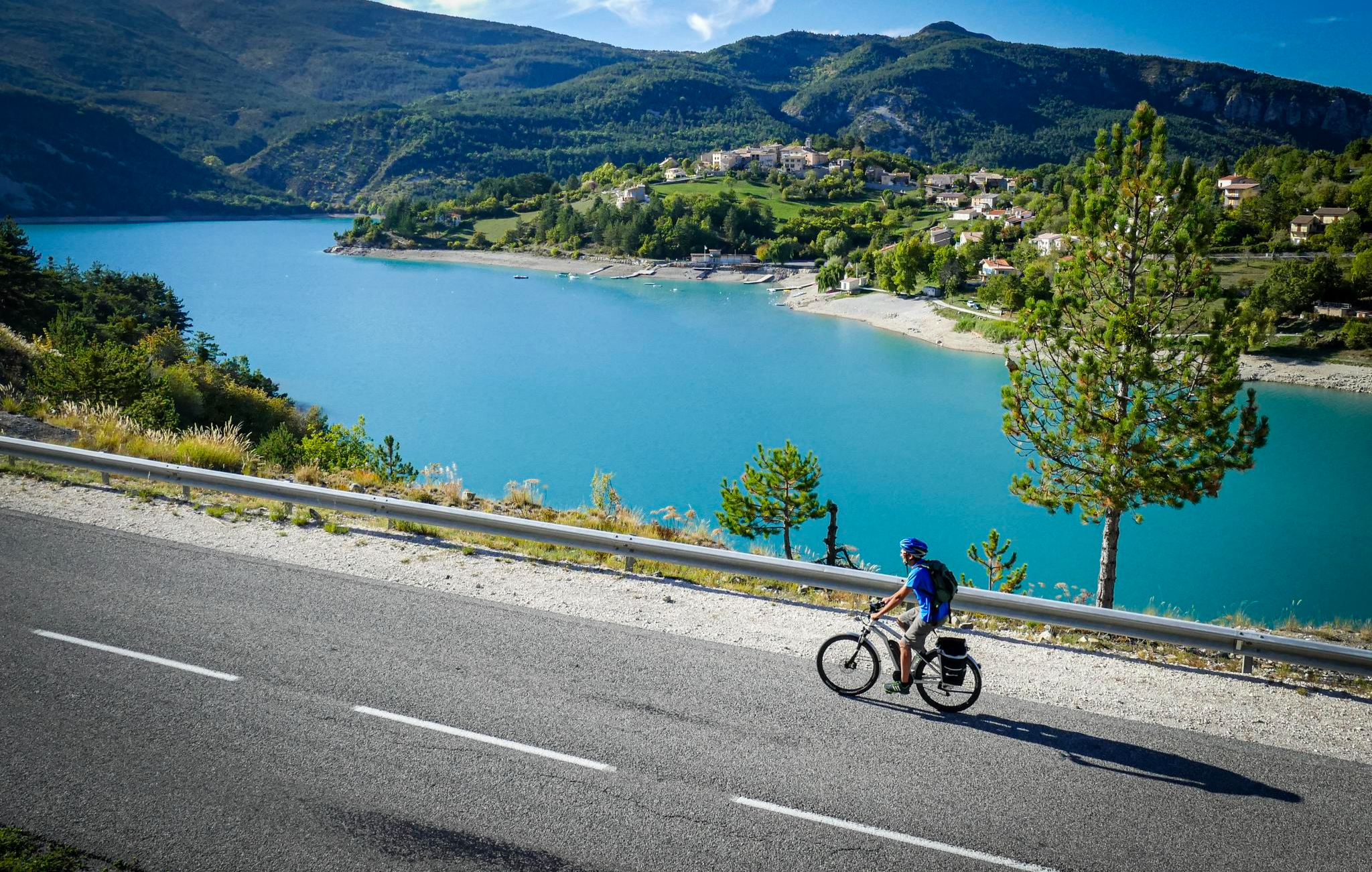
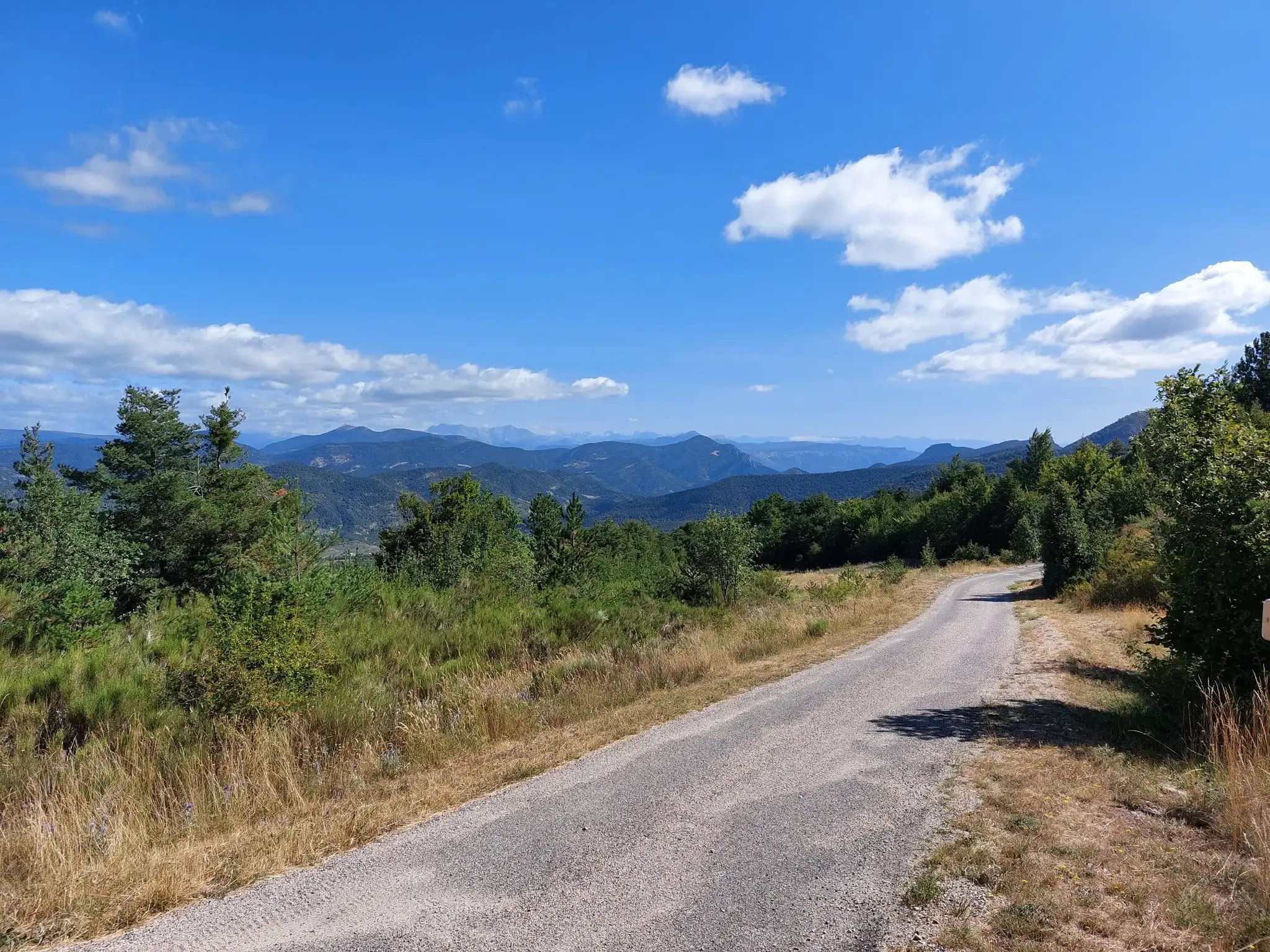
Col du Défens (1,230 m)
Highlight • Mountain Pass
Translated by Google •
Tip by

Sentinel of the Asse – Andy Goldsworthy
Highlight • Monument
Translated by Google •
Tip by

Sign up now to discover places like this
Get recommendations on the best single tracks, peaks, & plenty of other exciting outdoor places.
Sign up for free
Terres Noires Trail
Highlight (Segment) • Trail
Translated by Google •
Tip by

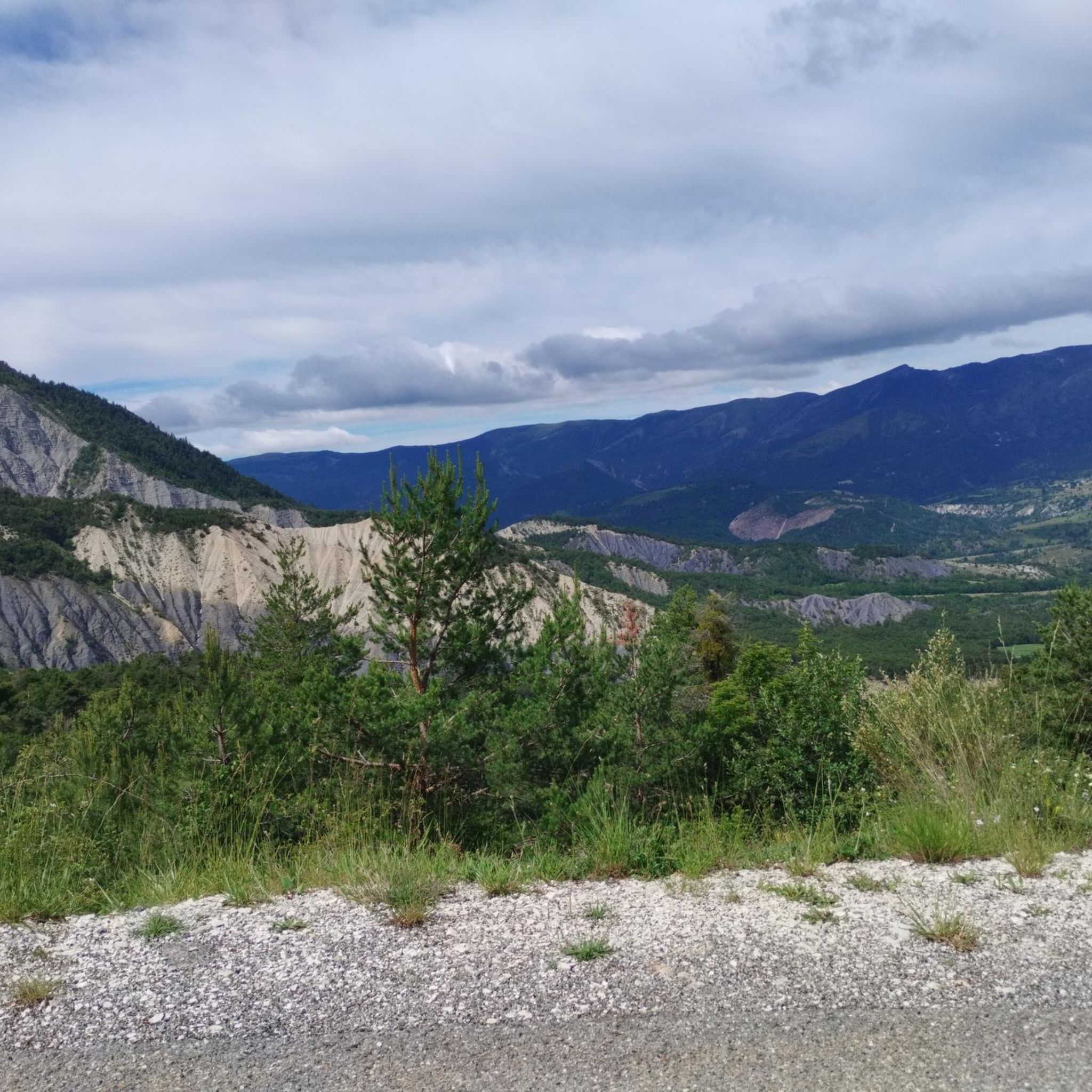
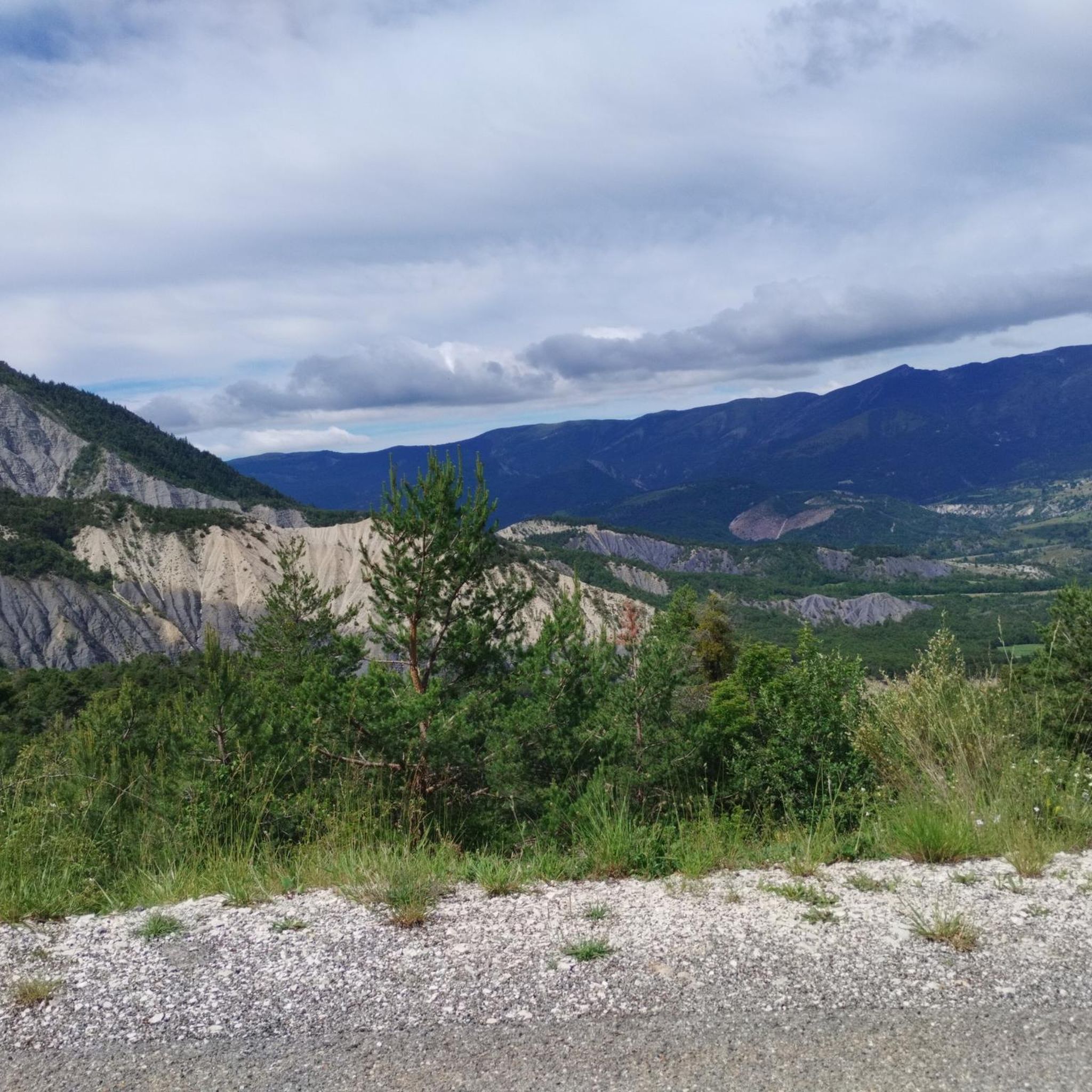
Les Robines (Black Marl Hills) – Réserve Naturelle Géologique de Haute-Provence
Highlight • Natural Monument
Translated by Google •
Tip by

The Geological Slides of the Haute-Provence Nature Reserve
Highlight (Segment) • Natural Monument
Translated by Google •
Tip by

Sign up for free to discover even more natural monuments around Tartonne.
Sign up for free
Already have an account?
Start today with a free account
Your next adventure awaits.
Login or Signup
Popular around Tartonne
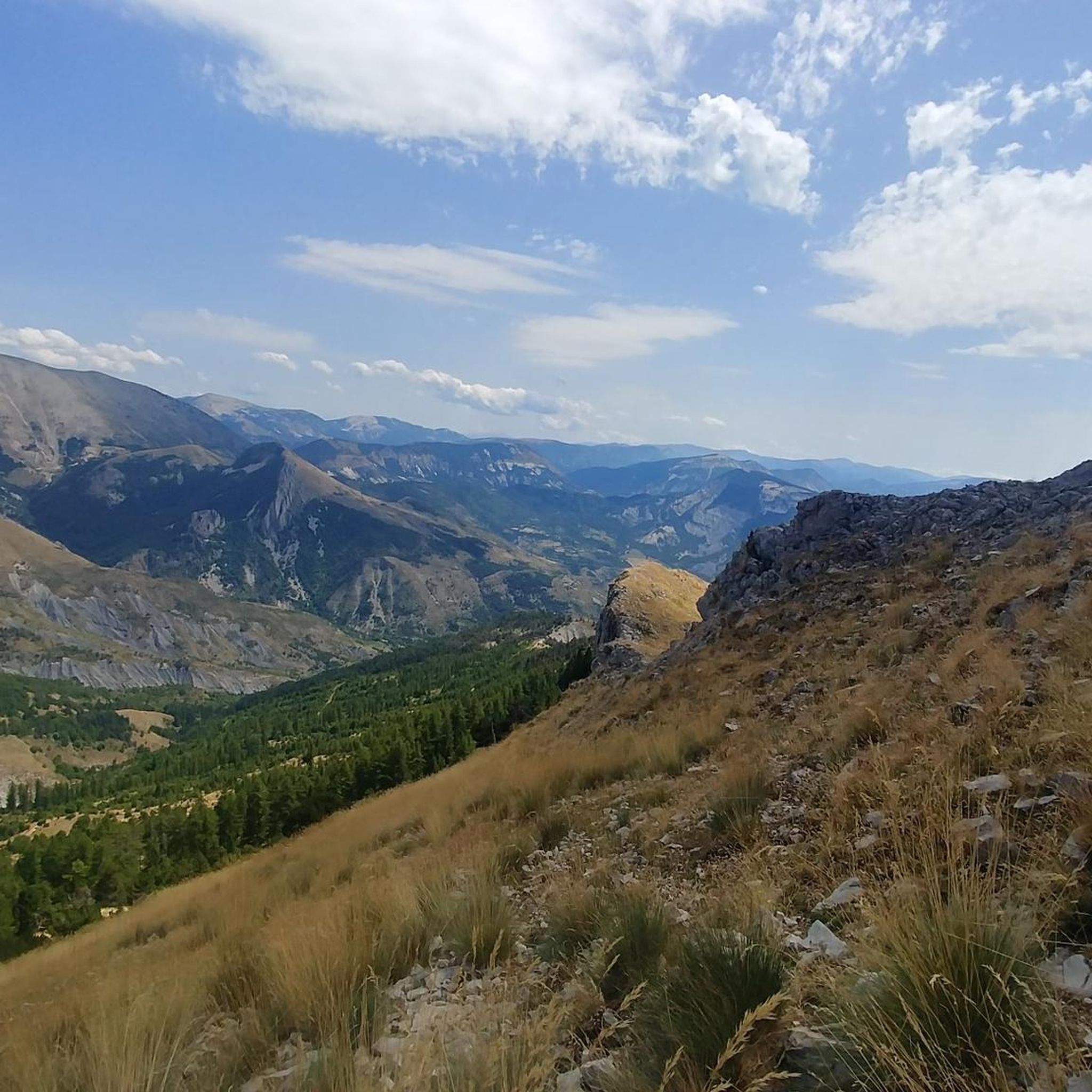
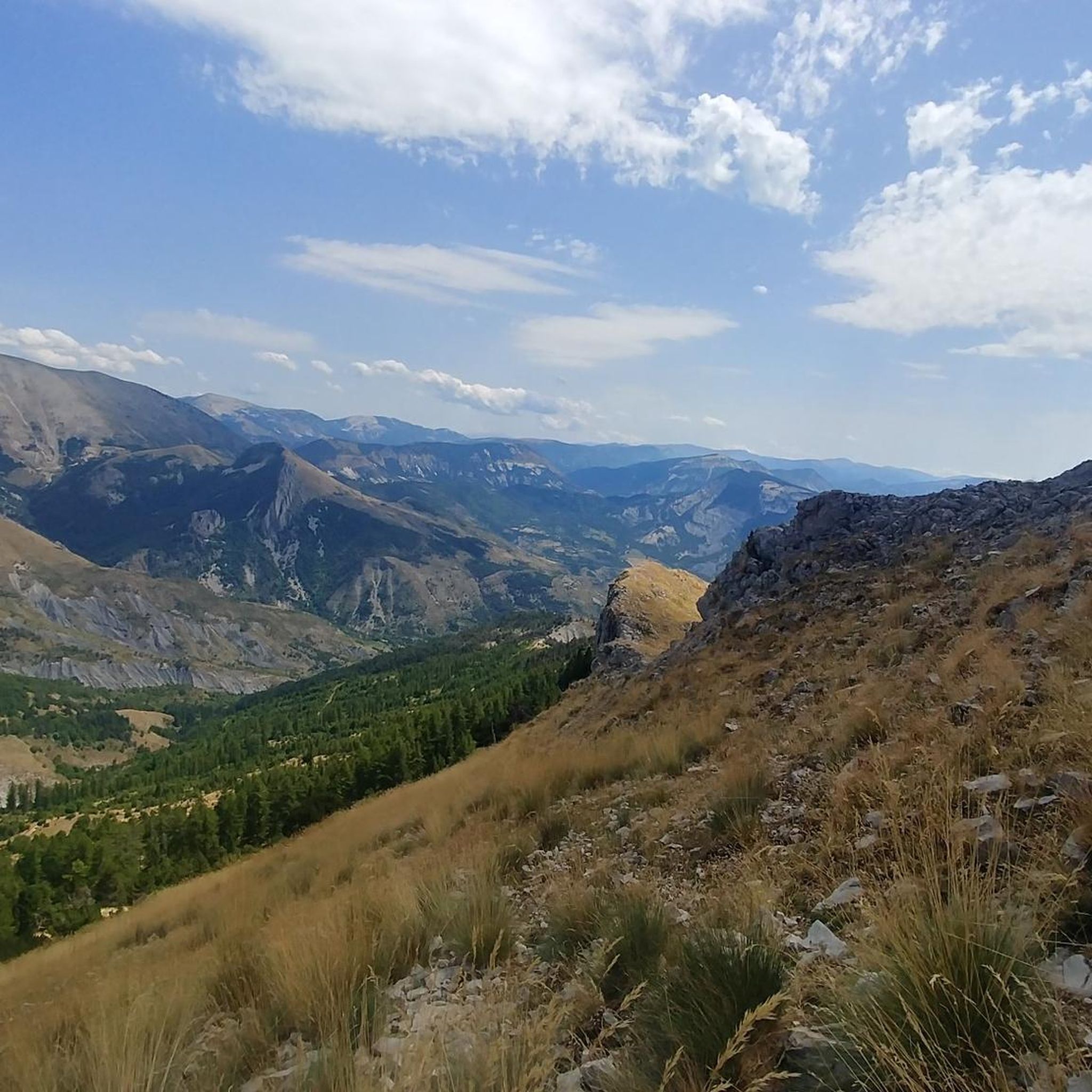
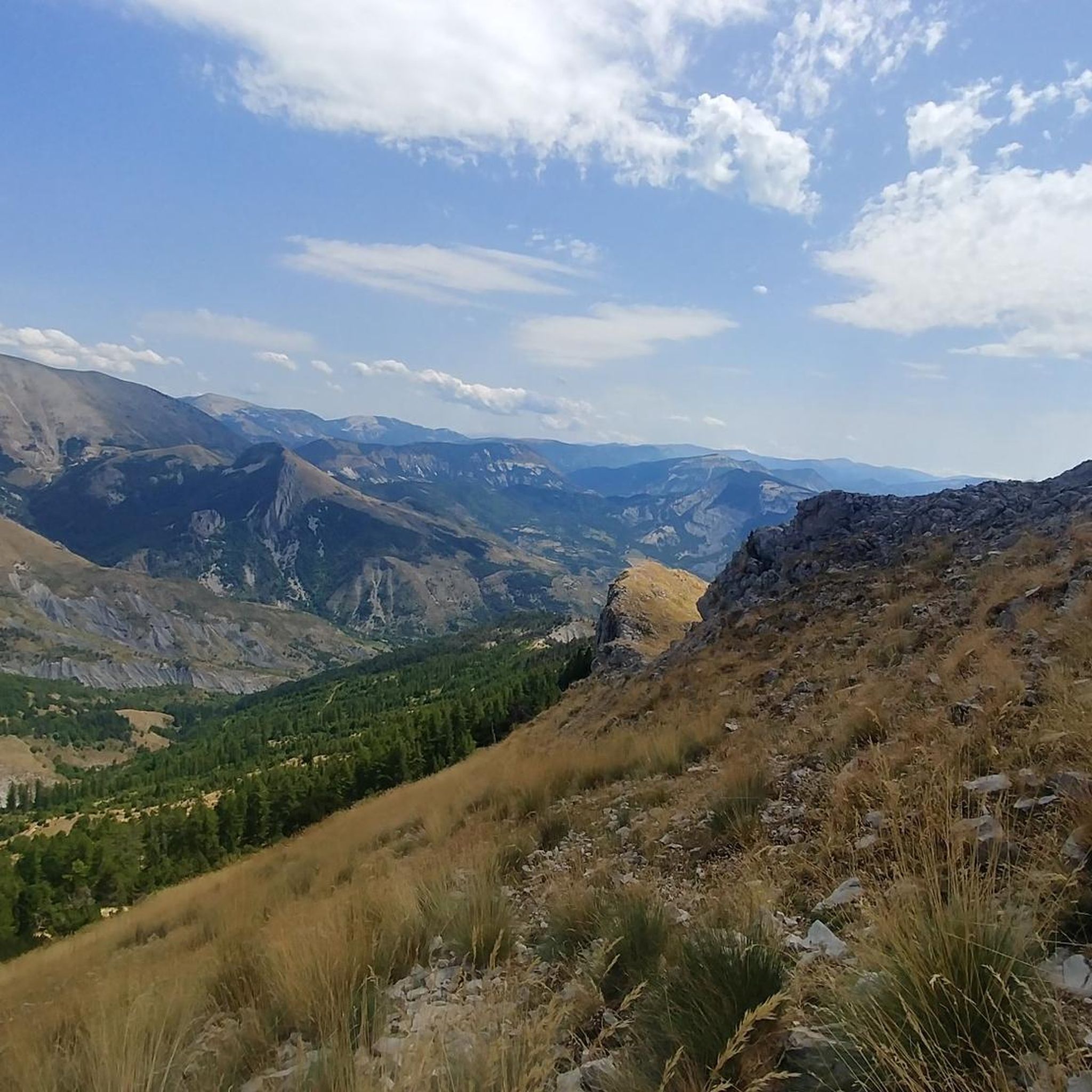


Tips from the Community

So there, unmissable in the Digne region but not to be underestimated technically
0
0


What can I say? This trail section is simply magnificent. Breathtakingly beautiful. You definitely need solid riding skills and some experience on trails like this. The rocks aren't slippery, and the ground has plenty of grip. I can confirm it's S1. I love it here!
0
0

Beautiful landscape, small road, only the last bends are strenuous.
3
0

Magnificent view of the Robines, slopes formed of black marl. These sedimentary rocks were found at the bottom of the seas in the secondary era. Later, the formation of mountains brought up its soils which shelter numerous fossils (ammonites, algae, plants).
1
0

At the bend of a hairpin bend, this egg is a work of Andy Goldsworthy. This is one of the three “Sentinels” of the Refuge d’Art course; it represents the Asse valley.
1
0

Spectacular, varied and magnificent environment and grandiose descents.
0
0

On the western slope, after going up the long Asse de Clumanc Valley from Barrême, the difficulties really begin in Tartonne with a first ramp of 1.5 km at 6.5%. Then after a small flat area comes a nice final of 2.6 km where the slope will be around 7%. On this side you can see one of Andy Goldsworthy's sentinels, an ovoid-shaped cairn placed at the side of the road as part of an artistic trail created by this renowned artist practicing land art. On the eastern slope, nothing very complicated until Lambruisse with 5 km where the hardest passage will not exceed 4.5%. On the other hand, things become tougher with the final including 1.8 km at 6.5% on average, but the last 350 meters are at 8.5%. The road is very beautiful and quiet on both sides. This pass is enchanting.
2
0
Frequently Asked Questions
What unique geological features can I explore around Tartonne?
Tartonne is situated within the vast Haute-Provence Geological Nature Reserve, offering several remarkable geological features. You can visit the Faille du Défens, a significant break in the Earth's crust that shaped the region, with an explanatory panel at Col du Défens (1,230 m). The area is also rich in fossil sites, providing a glimpse into ancient marine life. Additionally, the village itself features a unique 'Salt Well' as a local curiosity.
What is the Haute-Provence Geological Nature Reserve, and how does Tartonne relate to it?
The Haute-Provence Geological Nature Reserve is the largest geological reserve in Europe and a UNESCO Global Geopark, protecting geological and paleontological sites that bear witness to 300 million years of Earth's history. Tartonne is nestled within this expansive reserve, making it an excellent base for exploring its unique heritage. The reserve aims to preserve and promote this natural history through scientific study and education. You can learn more about the reserve on Wikipedia.
Are there any unique artistic installations integrated with the natural landscape near Tartonne?
Yes, you can discover the 'Sentinel of the Asse', an egg-shaped stone sculpture by renowned land artist Andy Goldsworthy. This work is part of the 'Refuge d’art' route, a 150-kilometer hike combining contemporary art, hiking, and rural heritage within the National Geological Nature Reserve of Haute-Provence. You can find this specific sentinel near Col du Défens (1,230 m).
What kind of landscapes can I expect to see when visiting natural monuments near Tartonne?
The region around Tartonne offers diverse and striking landscapes. You'll encounter unique black marl formations, such as those found on the Terres Noires Trail and at Les Robines (Black Marl Hills). The area also features pristine forests, meadows, and dramatic mountain backdrops like Cheval Blanc, Pic de Couard, and Barre des Dourbes, providing breathtaking views.
What hiking opportunities are available near Tartonne's natural monuments?
Tartonne is an ideal destination for hikers, with numerous trails winding through its preserved natural setting. The area is part of the Grande Traversée des Préalpes and offers diverse routes. For specific hiking options, you can explore various trails listed in the Hiking around Tartonne guide, which includes routes like the 'Joli panorama – Trail to the Pas de la Faye loop' and the 'Cucuyon Summit – The Black Lands of Draix loop'.
Can I go mountain biking or gravel biking in the area?
Absolutely! The natural monuments around Tartonne are well-suited for mountain biking and gravel biking enthusiasts. The Terres Noires Trail, for instance, is known for its challenging terrain and magnificent scenery, requiring solid riding skills. For more options, check out the Gravel biking around Tartonne guide, which features routes like the 'Digne-les-Bains loop' and 'The Hunters' Trail – Ammonite slab loop'.
Are there any challenging trails for experienced hikers or riders?
Yes, the region offers several challenging options. The Geological Slides of the Haute-Provence Nature Reserve are known for spectacular and varied environments with grandiose descents that are technically demanding. The Terres Noires Trail also presents a significant challenge for riders. Many routes listed in the Hiking around Tartonne guide and Gravel biking around Tartonne guide are rated as 'difficult'.
Are there any easy or accessible natural monuments for beginners or families?
For a more accessible experience, the Col du Défens (1,230 m) offers a good quality road with minimal traffic and an accessible climb on both sides, making it suitable for a leisurely visit or an easier bike ride. The surrounding forests and meadows also provide gentler paths for family walks, though specific 'easy' natural monuments are less highlighted than the more challenging geological sites.
What is the best time of year to visit the natural monuments around Tartonne?
The region is generally best visited during spring, summer, and early autumn when the weather is mild and trails are clear. These seasons are ideal for hiking, biking, and exploring the geological sites. While winter hiking is possible, some higher-altitude areas or more challenging trails might be affected by snow and ice, requiring appropriate gear and experience.
What do visitors enjoy most about the natural monuments around Tartonne?
Visitors consistently praise the magnificent scenery and the unique geological formations. The Col du Défens (1,230 m) is loved for its beautiful landscape and quiet roads. The Terres Noires Trail is described as 'superb and unforgettable' with 'breathtakingly beautiful' views. The overall preserved natural environment and the opportunity to witness millions of years of Earth's history are highly appreciated.
Are the natural monuments around Tartonne suitable for dog walking?
Many of the natural trails and open spaces around Tartonne are suitable for dog walking, especially in the forests and meadows. However, it's always advisable to keep dogs on a leash, especially in protected areas like the Haute-Provence Geological Nature Reserve, to protect local wildlife and ensure the safety of your pet. Specific rules may apply to certain sensitive geological sites.
Are there opportunities for running or trail running near these natural monuments?
Yes, the diverse terrain around Tartonne provides excellent opportunities for running and trail running. You can find various routes, from moderate to difficult, that allow you to explore the natural beauty of the region at a faster pace. For detailed options, refer to the Running Trails around Tartonne guide, which includes routes like 'Chapelle Saint-Michel-de-Cousson depuis Entrages' and 'Col du Cosson – Cousson Summit loop'.
Most popular routes around Tartonne
Most popular attractions around Tartonne

Get inspired with the komoot mobile app


Explore more
Extend your search for the best caves by checking out these guides of the top ones around Tartonne:
