Top 20 Natural Monuments around Couflens
Best natural monuments around Couflens are intrinsically linked to its location within the expansive Ariège Pyrenees Regional Natural Park. This region is characterized by its remarkable natural qualities, diverse flora, fauna, and stunning landscapes. The area offers a chance to experience the grandeur of the Pyrenees, explore pristine river valleys, and appreciate rich biodiversity.
Best natural monuments around Couflens
- The most popular natural monument is Guzet Pond, a lake located in the Couserans massif at an altitude of 1,458…
Last updated: May 8, 2026
Estany de Romedo de Dalt
Highlight • Lake
Tip by

Pont de Perosa
Highlight • Bridge
From this point there are 3 itineraries that are indicated on the information panel that we will find next to the bridge.
Translated by Google •
Tip by

Sign up now to discover places like this
Get recommendations on the best single tracks, peaks, & plenty of other exciting outdoor places.
Sign up for free
Core Pass
Highlight • Mountain Pass
Translated by Google •
Tip by

Cascade de Nerech
Highlight • Waterfall
Translated by Google •
Tip by

Guzet Pond
Highlight • Lake
Translated by Google •
Tip by
Sign up for free to discover even more natural monuments around Couflens.
Sign up for free
Already have an account?
Start today with a free account
Your next adventure awaits.
Login or Signup

Other adventures around Couflens

Tips from the Community

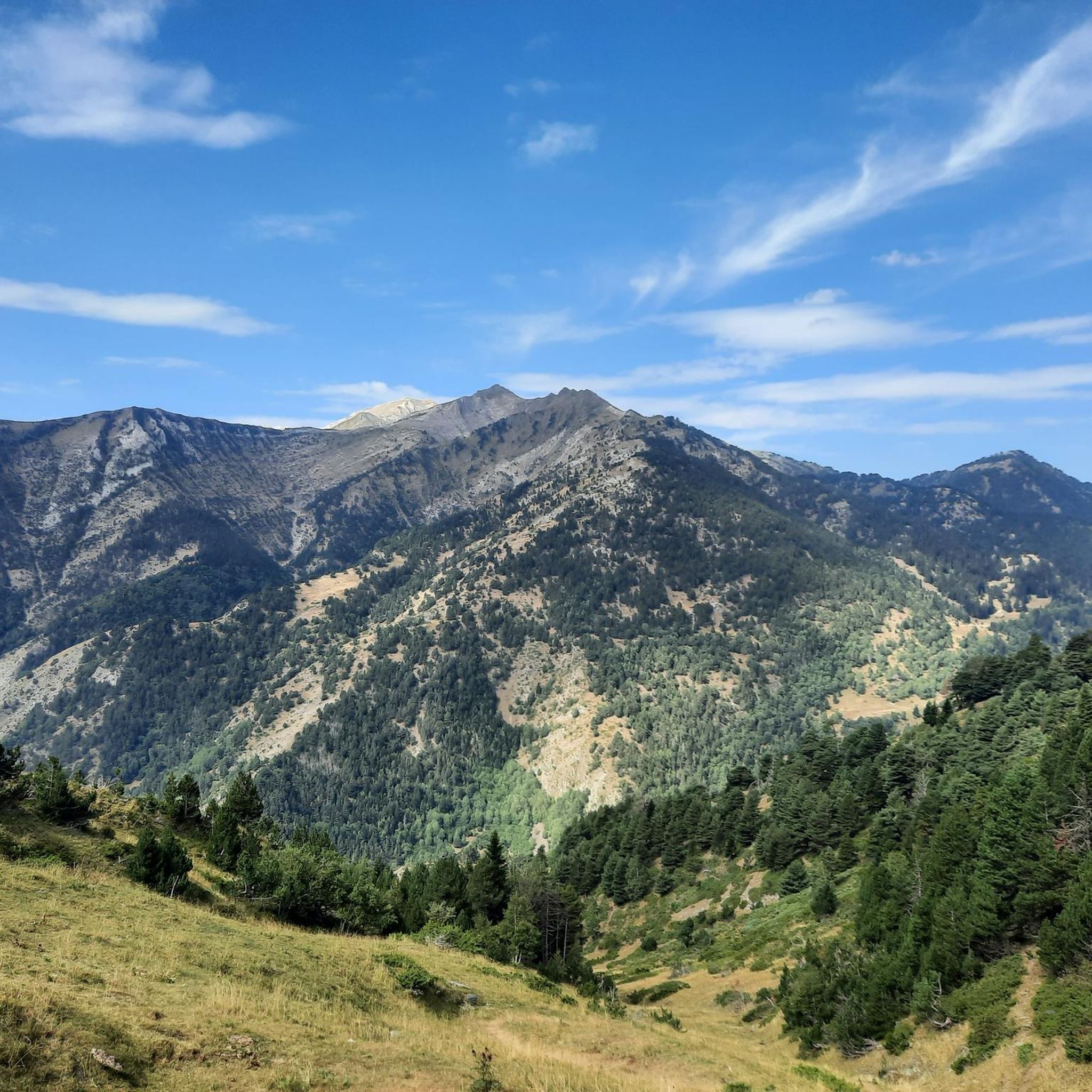
An emblematic pass in the Couserans, popular with cycle tourists and hikers, it offers a superb panorama of the mountains and valleys.
0
0


The Nerech waterfall is one of the most powerful in the Pyrenees. It flows into the heart of Couserans (vast territory combining high mountains, mountains and foothills, and covered areas). It is home to rich biodiversity. Among the species most observed here, there is a very wide variety of wild orchids.
0
0

The Perosa bridge gives us an incredible view of the Alto Pyrenees natural park once we cross the La Noguera river. You won't forget that easily.
0
0

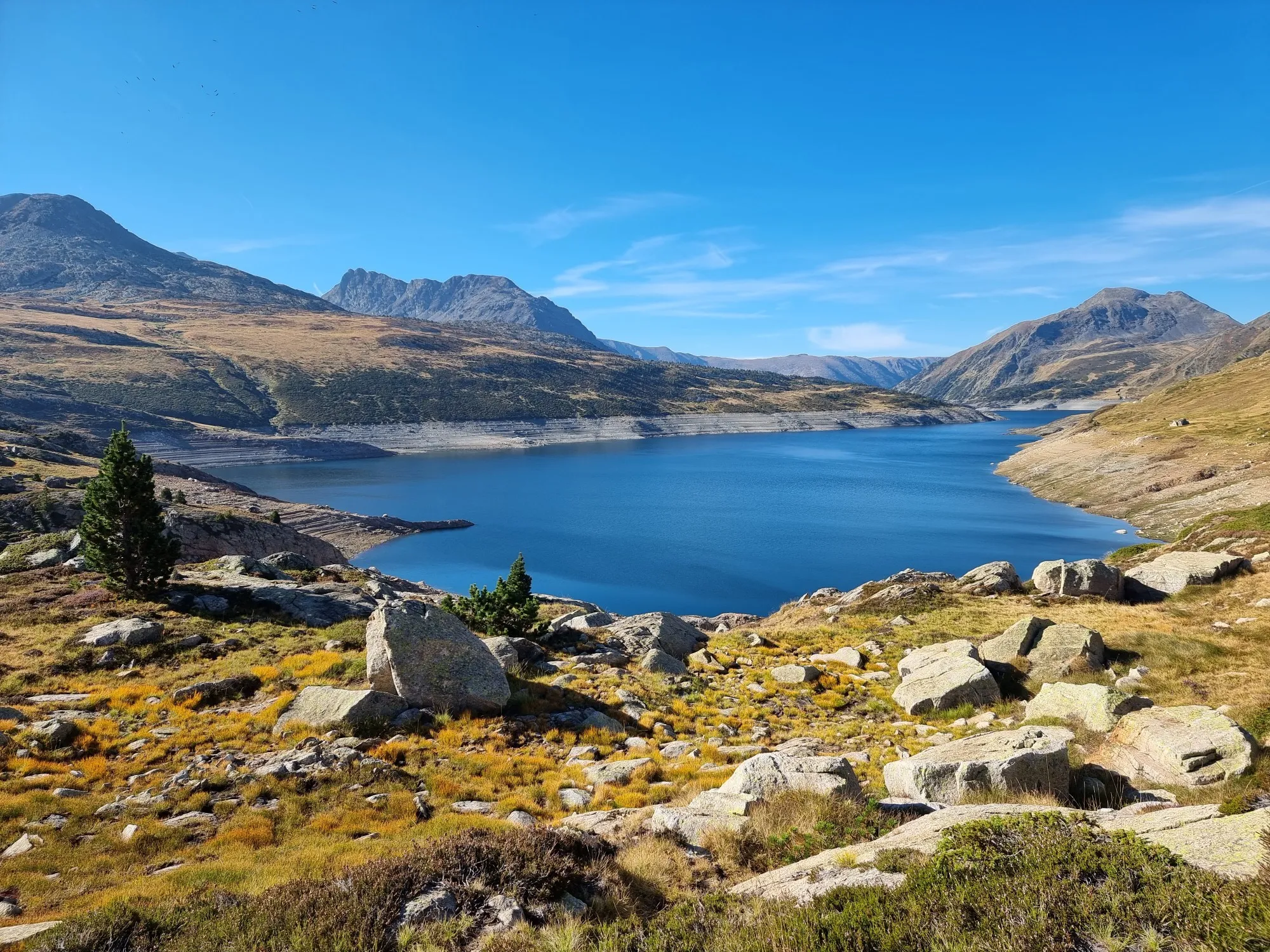
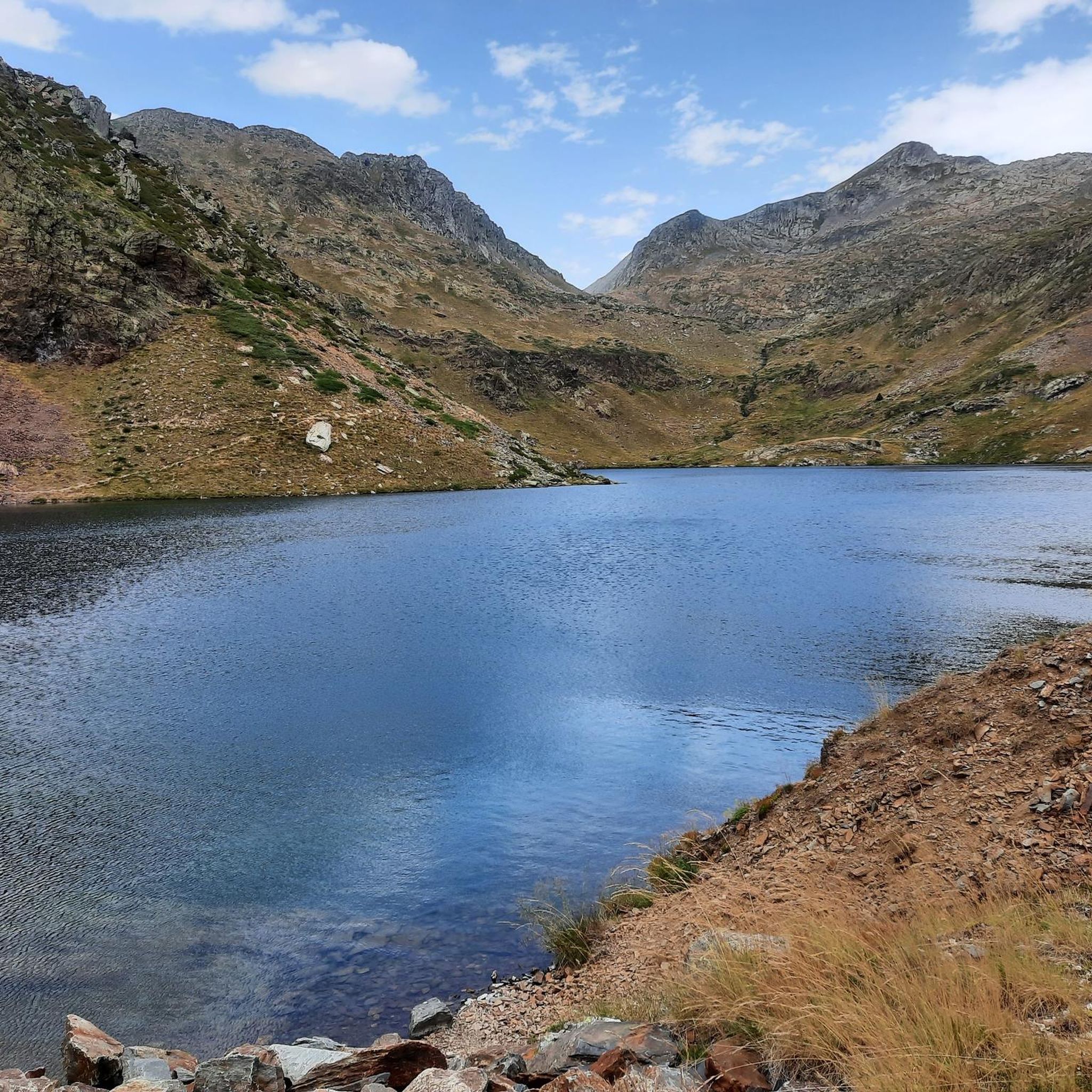
The path goes through a beautiful horsetail of singing waters and goes up to the outlet of the Romedo de Baix pond, which is raised with a stone wall to increase the capacity of the reservoir. Admirers of glacial modeling in high mountains can take advantage of and visit the cirques of the Guiló ponds. The route crosses the dam and follows the access lane for about two hundred metres, until a sharp curve where there is a small hut and markings for the mountain routes. The mountain crossing leaves the track and continues straight ahead along the shore of the lake, which offers a spectacular view on this slope. The trail has red and green paint dots and red and white chevrons. On a small rocky outcrop there is a rope for a channel to facilitate climbing. On the opposite side, the rope has disappeared, only the pegs remain, but it is lowered without complications. The path is well marked with the colors of the paths through an impeccable glacial valley to the shore of the Romedo de Dalt pond, completely natural, without artificial dams and a beautiful island decorating the mountain lagoon. In the same glacial basin are the Senó, Colatx and Punturri ponds. The red and white marks go up to the left of the Romedo de Dalt pond to the gap in the Sierra de Llurri, a spectacular pass between the peaks of the mountains of the Alto Pirineo Natural Park. The trail looks for the right descent to go down between the dizzying spurs of Llurri and connect with the path that goes up to the Certascán pond.
0
0

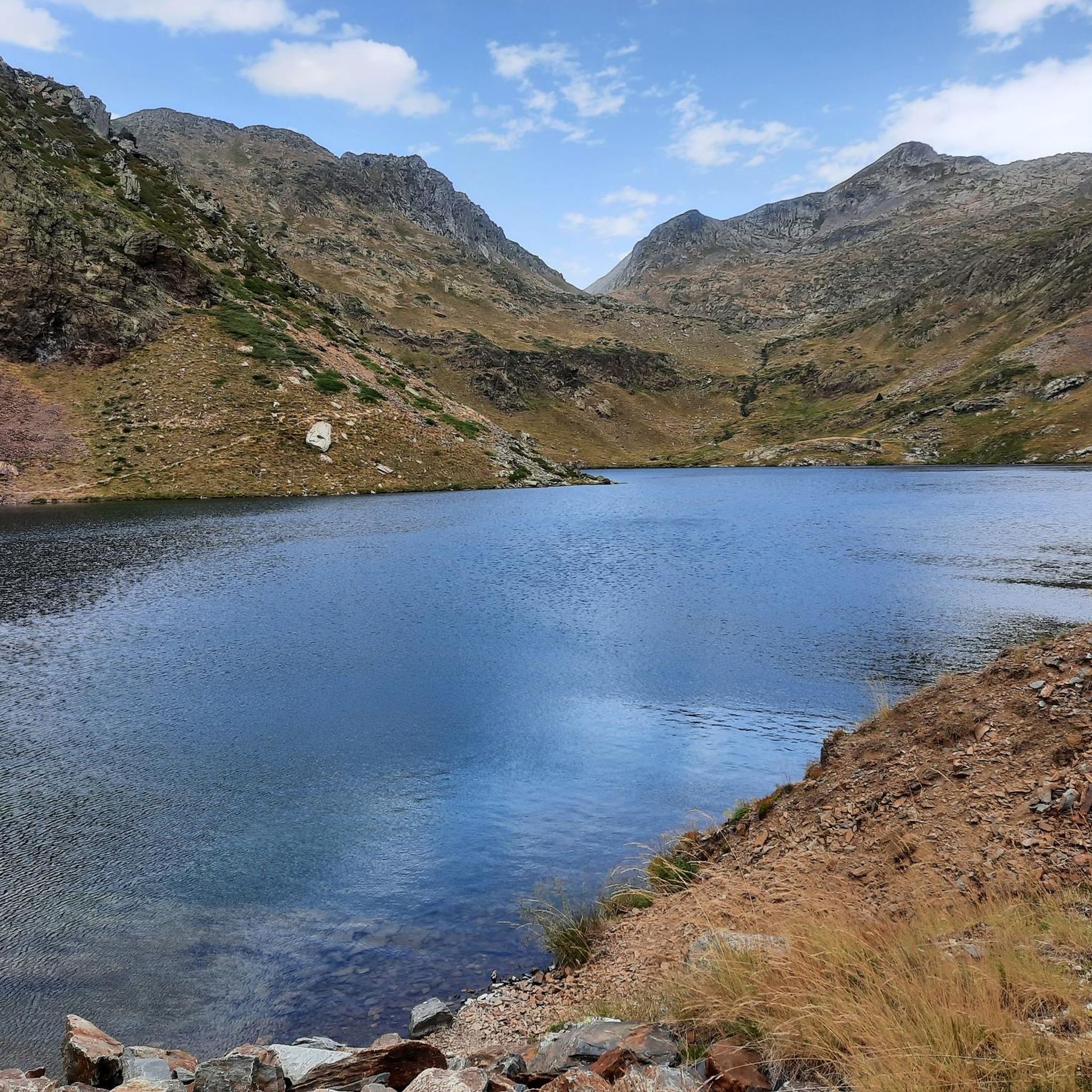
Located in the Couserans massif, at an altitude of 1458 m, the Guzet pond is bordered by vegetation, which makes the place all the more idyllic.
0
0
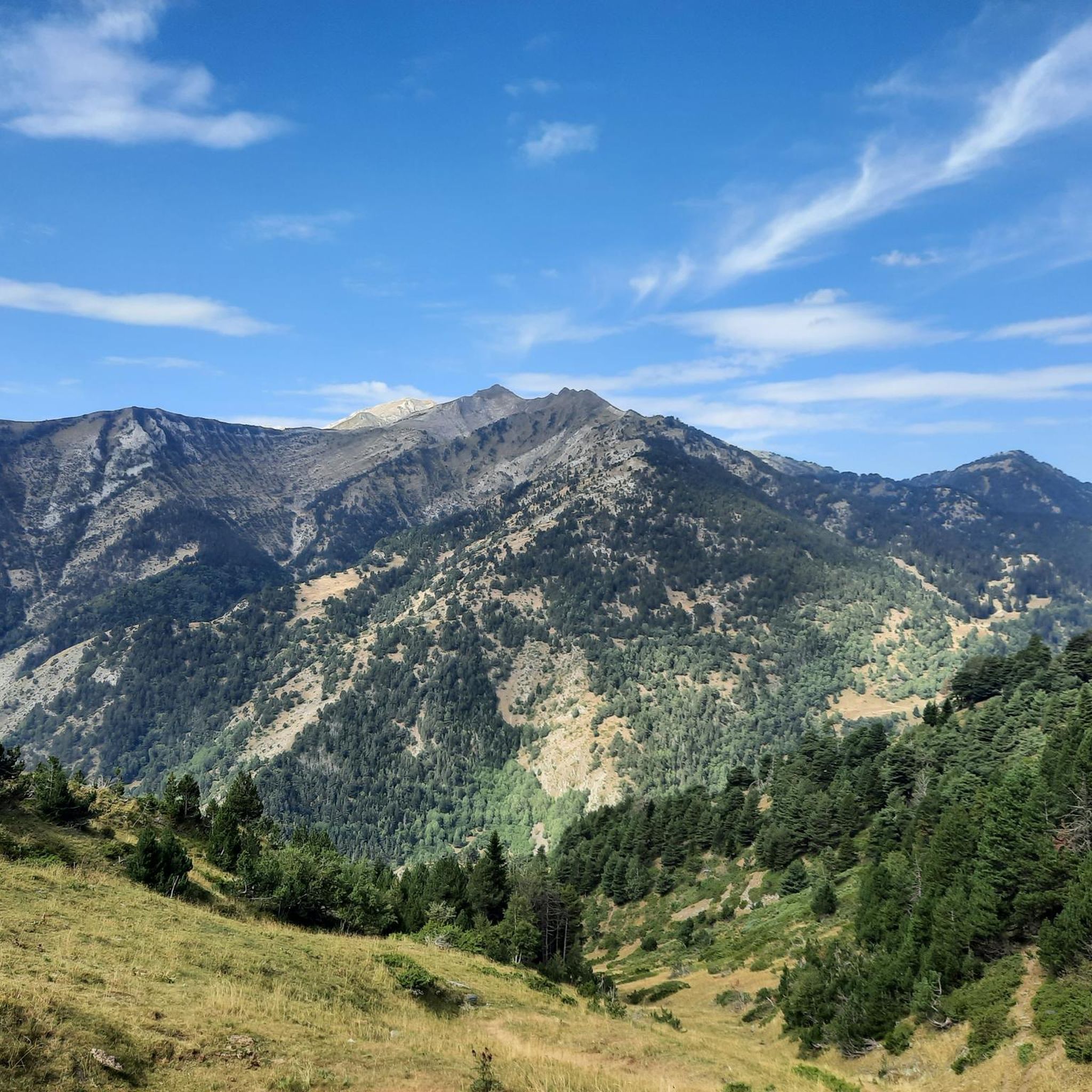
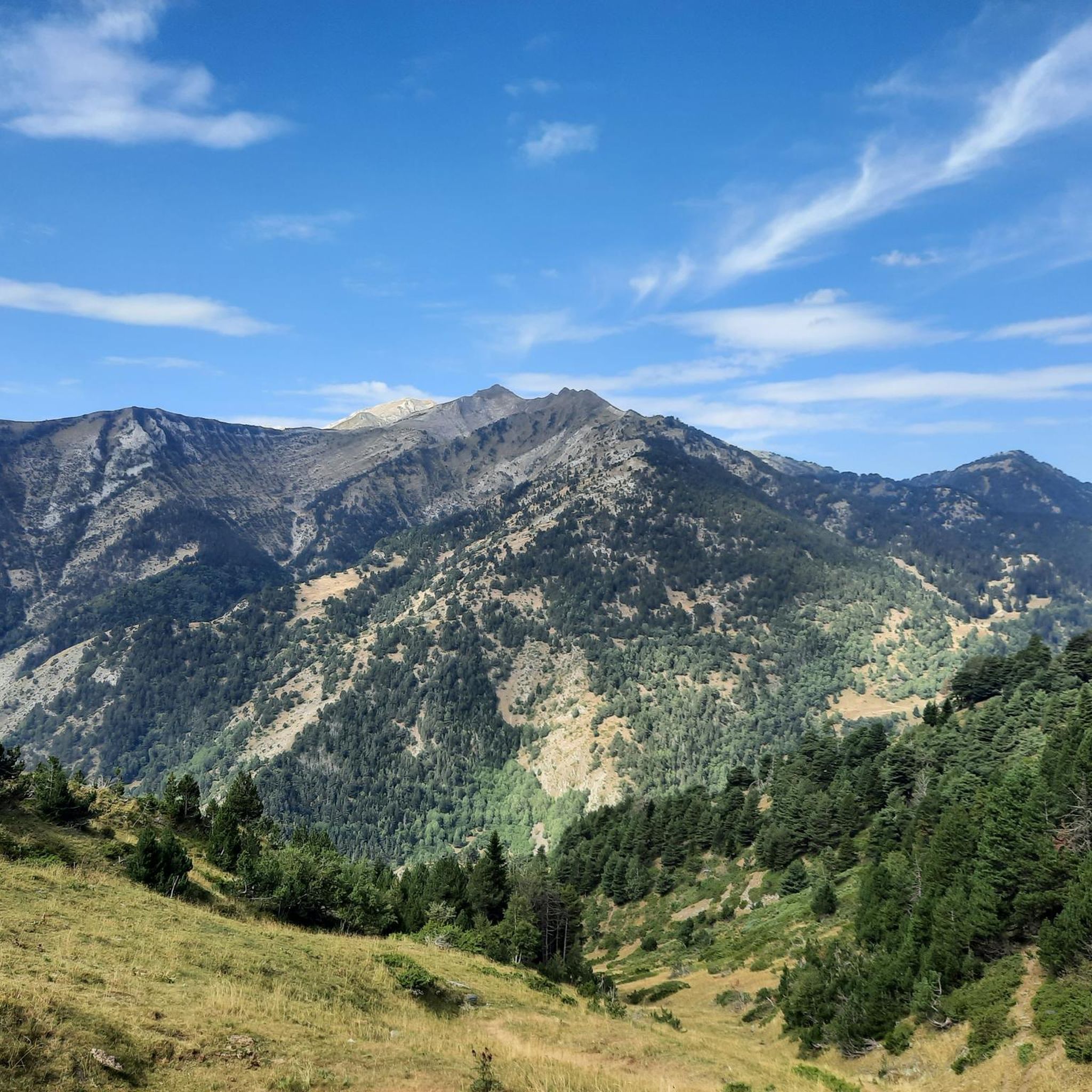
The Col de la Core, at 1,395 meters above sea level, is part of both the pass route and the GR10 which cross the Pyrenees from the Atlantic to the Mediterranean.
0
0
Magnificent waterfall on the Valier route (for the more athletic).
0
0
Frequently Asked Questions
What are some of the most remarkable natural features to explore around Couflens?
Couflens is nestled within the expansive Ariège Pyrenees Regional Natural Park, offering a wealth of natural beauty. Key features include the dramatic Cirque d'Anglade with its waterfall and chamois, the picturesque Salat River valley, and the diverse landscapes of the park itself, which range from deep valleys and forests to high-altitude meadows and rocky peaks.
Are there any family-friendly natural monuments or activities near Couflens?
Yes, several natural spots are suitable for families. Guzet Pond is a family-friendly lake at 1,458 meters, perfect for a picnic in an idyllic setting. The walk to the Cirque d'Anglade is also described as short and very nice, though the climb into the valley can be tough. Always check specific trail conditions for younger children.
What kind of wildlife can I expect to see in the Ariège Pyrenees Regional Natural Park?
The Ariège Pyrenees Regional Natural Park is a sanctuary for Pyrenean wildlife. Visitors have the chance to observe izards (Pyrenean chamois), marmots, bearded vultures, griffon vultures, golden eagles, and the emblematic capercaillie. The park also boasts over 4,500 recorded animal and plant species, including many rare and protected ones.
What outdoor activities are available near the natural monuments around Couflens?
The region offers a wide range of outdoor activities. You can find numerous hiking trails, from moderate to difficult, including routes like the 'Cirque and Cascade d'Anglade Trail'. For running enthusiasts, there are options like the 'Running Montgosso Circular Itinerary'. Gravel biking is also popular, with routes such as 'Mountain views – Panoramic view from Cominac loop'. You can explore more options on the hiking guide, running guide, and gravel biking guide for Couflens.
Are there any historical sites or cultural elements intertwined with the natural landscapes?
Yes, the natural landscapes of the Ariège Pyrenees Regional Natural Park are deeply intertwined with a rich prehistoric and pastoral heritage. The Core Pass, for example, is not only a mountain pass but also part of the GR10 and has historical significance. The park also preserves a significant pastoral legacy, with authentic villages and traditional practices still present in the valleys.
What is the best time of year to visit the natural monuments around Couflens?
The best time to visit largely depends on the activities you plan. Spring and summer offer lush landscapes, abundant wildflowers, and ideal conditions for hiking and outdoor sports. Autumn brings stunning fall colors. Winter can be beautiful for snow activities, but some high-altitude areas may be inaccessible due to snow and ice. Always check local weather and trail conditions before your visit.
What makes the <a href="https://www.komoot.com/highlight/3106229" target="_blank" rel="noopener">Estany de Romedo de Dalt</a> a notable natural monument?
The Estany de Romedo de Dalt is a beautifully located lake with crystal clear water, completely natural and featuring a picturesque island that decorates the mountain lagoon. It's part of an impeccable glacial valley, offering spectacular views and a sense of solitude, making it a splendid example of the region's high-mountain beauty.
Where can I find a powerful waterfall in the area?
The Cascade de Nerech is one of the most powerful waterfalls in the Pyrenees, flowing into the heart of Couserans. It's known for its impressive cascades and the rich biodiversity surrounding it, including a wide variety of wild orchids. There's also a small cave nearby that can offer shelter.
What should I know about visiting the <a href="https://www.komoot.com/highlight/4992329" target="_blank" rel="noopener">Pont de Perosa</a>?
The Pont de Perosa offers an incredible view of the Alto Pirineo Natural Park as you cross the La Noguera river. It's a beautiful natural environment, and from this point, you'll find an information panel indicating three different itineraries to explore the surrounding area.
What are the general guidelines for responsible behavior when visiting the natural areas around Couflens?
To preserve the fragile environment, visitors are encouraged to stay on marked trails, carry out all waste, observe flora without picking it, and be discreet to avoid disturbing wild animals. Respecting these guidelines helps protect the rich biodiversity and natural beauty of the Ariège Pyrenees Regional Natural Park for everyone.
Are there any specific geological features of interest in the region?
Beyond the general mountainous terrain, the Cirque d'Anglade is a unique geological formation, noted for its deep and narrow structure, distinguishing it from many wider glacial cirques in the Pyrenees. The entire Ariège Pyrenees Regional Natural Park also showcases diverse geological formations, contributing to its scenic beauty and scientific interest.
Can I find information about the Ariège Pyrenees Regional Natural Park online?
Yes, you can find more information about the park's natural heritage and attractions. For details on the park's wild and preserved nature, you can visit Tourisme Couserans Pyrénées. Additional context is also available on Wikipedia.
Most popular attractions around Couflens

Get inspired with the komoot mobile app


Explore more
Extend your search for the best caves by checking out these guides of the top ones around Couflens:
