Top 20 Natural Monuments around Lercoul
Best natural monuments around Lercoul are found within the Pyrénées Ariégeoises Regional Natural Park in the Ariège department of France. This region is characterized by its mountainous landscape, formed during the Tertiary era, offering varied terrain. The area features a diverse array of wildlife, including birds of prey, mammals like isards and deer, and endemic flora. These natural features contribute to the region's appeal as a significant natural site.
Best natural monuments around Lercoul
- The most popular natural monuments is…
Last updated: October 8, 2026
Tristaina Solar Viewpoint
Highlight • Viewpoint
Translated by Google •
Tip by

Pic de Casamanya
Highlight • Summit
Showing Translation
Tip by

Sign up now to discover places like this
Get recommendations on the best single tracks, peaks, & plenty of other exciting outdoor places.
Coma Pedrosa Summit
Highlight • Summit
Showing Translation
Tip by

Sorteny Valley Botanical Garden
Highlight • Natural Monument
Translated by Google •
Tip by

Pic de la Serrera
Highlight • Summit
Translated by Google •
Tip by
Sign up for free to discover even more natural monuments around Lercoul.
Already have an account?
Start today with a free account
Your next adventure awaits.
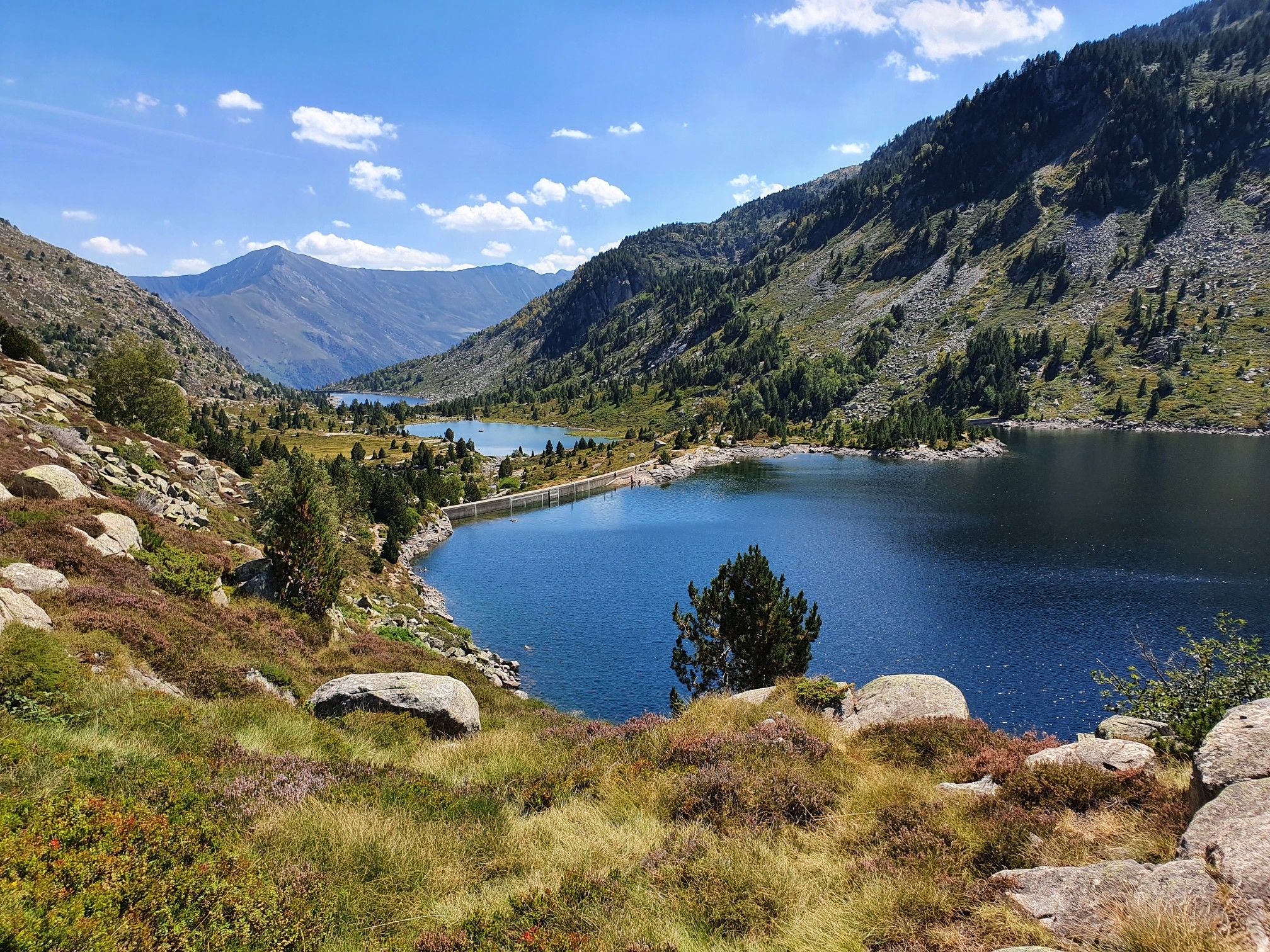
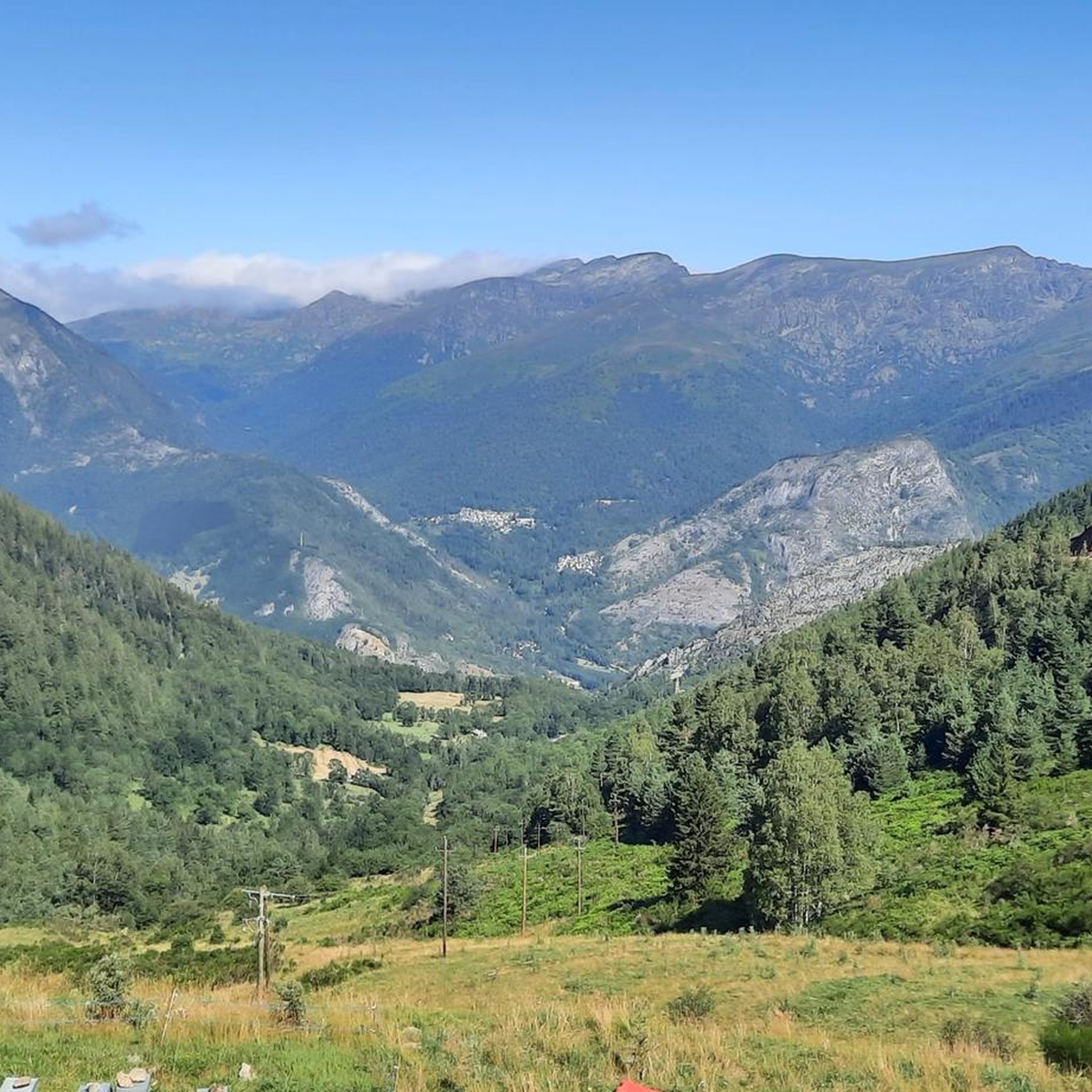
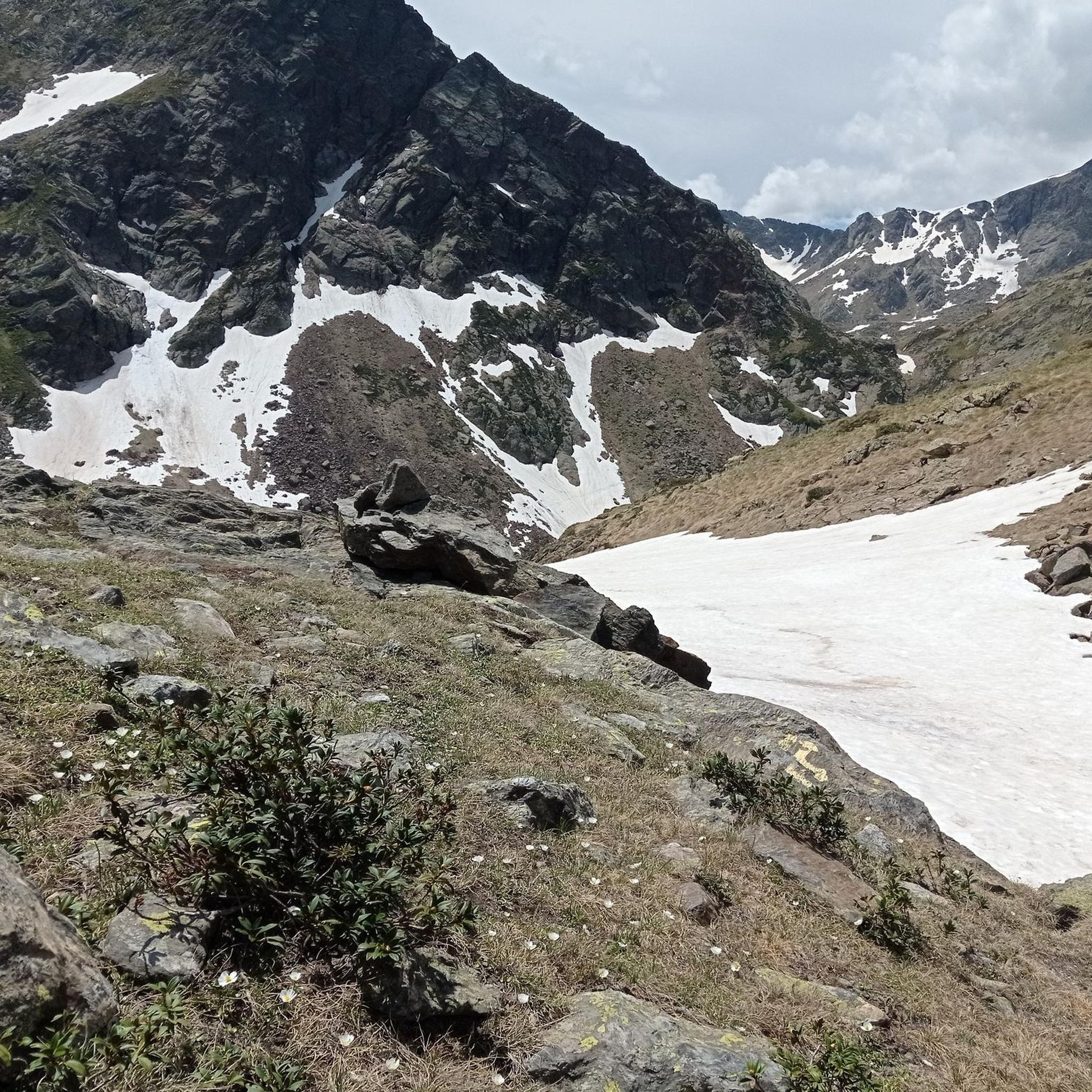
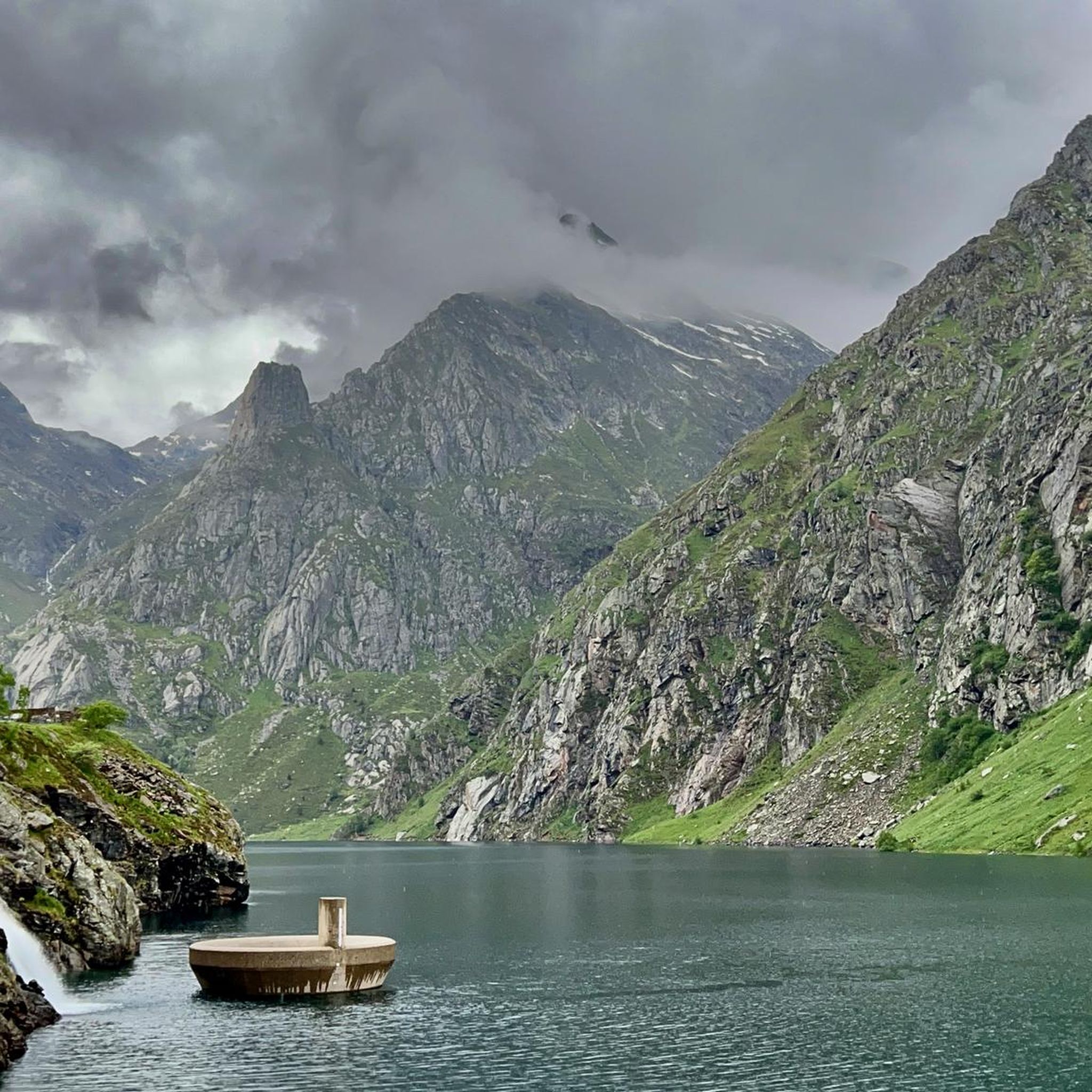

Other adventures around Lercoul

Tips from the Community

Small Botanical Garden with many mountain plants. Freely accessible to everyone.
0
0

Great panoramic view of France and Spain and the mega beautiful mountain scenery. I am very happy that the weather held up during our ascent. It was really mega beautiful up there. However, the ascent and descent are not for the inexperienced.
0
0

The climb is steep, but manageable. The view from up there, stretching far into France, is definitely worth it!
0
0

Solar viewpoint on the Peyraguils pass or summit, a metal structure that allows a 360° view of the valleys of the Andorran Pyrenees and the Aran Valley, with views of Aneto.
2
0

Here again: Someone is rating ALL photos of highlights in this region (Northwest Pyrenees) "not accurate," even though they accurately depict the location? Why does anyone need to do that? Is it jealousy? Does someone want to drag down others' "expert" ratings? How pathetic.
1
1
The highest mountain in Andorra is feasible as a day trip from the country. However, one should be careful, some experienced hikers have already gotten lost. 😜 And the way to Spain or France is long... The easiest ascent is rated T3 according to the SAC scale. On the descent, I went a bit off the summit path in a northeastern direction and descended there. A bit more demanding (T4), but in this case, due to the scree in the upper part, it is easier to navigate on the descent. Here I saw some salamanders.
2
0

The structure is designed to mark the hours of sunlight throughout the day, allowing visitors to experience how sunlight interacts with the structure at different times. In short, the Tristaina Solar Viewpoint is a work by Rafael Galindo, built in Corten steel and inaugurated in 2021, which celebrates the sun and its daily journey, offering a unique experience in one of the most impressive natural settings in Andorra.
1
0
The Pic de Casamanya holds an important place in Andorran culture due to its prominence and visibility. For centuries, local inhabitants have valued this peak for both its beauty and its central location. Along the trail and at the summit, it is common to see a rich biodiversity, including alpine flowers in spring and summer, as well as birds of prey soaring on the warm updrafts rising along the mountain slopes.
0
0
Frequently Asked Questions
What are some of the most popular natural monuments to visit around Lercoul?
The region around Lercoul, nestled within the Pyrénées Ariégeoises Regional Natural Park, offers several remarkable natural monuments. Among the most popular are the Tristaina Solar Viewpoint, known for its panoramic views of the Arcalís Valley, and the Coma Pedrosa Summit, the highest peak in Andorra, offering expansive vistas in all directions on clear days.
Are there any family-friendly natural monuments or activities near Lercoul?
Yes, the Sorteny Valley Botanical Garden is a great family-friendly option. It's beautifully situated and presents nearly 300 species of flora, classified by habitats. It's an excellent place to learn about the local plant life, including endemic Pyrenean species and traditional medicinal plants. The best time to visit for flowering is typically from late June to late July.
What kind of wildlife can I expect to see around the natural monuments in Lercoul?
The Pyrénées Ariégeoises Regional Natural Park, where Lercoul is located, is rich in biodiversity. You might spot majestic birds of prey like vultures and golden eagles. Mammals such as isards (Pyrenean chamois), deer, and even bears inhabit these areas. The successful reintroduction of the Iberian ibex in 2014 has further enriched the local ecosystem. Keep an eye out for endemic orchids as well.
What are the best times of year to visit the natural monuments around Lercoul?
The best time to visit largely depends on your preferred activity. For hiking and enjoying the flora, late spring to early autumn (June to September) offers pleasant weather and blooming plants, especially for places like the Sorteny Valley Botanical Garden. Some high-altitude lakes, like the Black Lake of Comapedrosa, can remain frozen until July. Winter offers opportunities for snow-related activities, but access to some summits and viewpoints may be challenging due to snow.
Are there challenging hikes to natural monuments for experienced trekkers?
Absolutely. The region is known for its challenging terrain. The hike to Coma Pedrosa Summit, for instance, requires physical resistance and good trail running shoes due to technical sections with loose rocks. Similarly, the Pic de Casamanya offers a technically difficult but rewarding summit tour with fantastic views. The high-altitude Lakes of Izourt and Gnioure also provide challenging treks.
What types of outdoor activities are available near the natural monuments in Lercoul?
Beyond visiting the natural monuments themselves, the area is a hub for outdoor enthusiasts. You can find numerous routes for mountain hikes, including difficult ascents to peaks like Pic Verdaguer. There are also extensive hiking trails, such as the Tristaina Lakes Circuit, and challenging road cycling routes through mountain passes like Col de la Crouzette.
Can I find natural monuments that offer impressive panoramic views?
Yes, the mountainous landscape around Lercoul is perfect for panoramic views. The Tristaina Solar Viewpoint is a prime example, offering spectacular vistas of the Arcalís Valley and the Pyrenees. The Coma Pedrosa Summit and Pic de Casamanya also provide incredible 360-degree views from their high elevations.
Are there any notable lakes among the natural monuments in the area?
Yes, the region features beautiful mountain lakes. The Black Lake of Comapedrosa (Estany Negre) is a striking natural monument, enclosed between high peaks. Its dark color comes from its depth and surrounding materials. For experienced hikers, the high-altitude Lakes of Izourt and Gnioure also offer picturesque natural settings within the Pyrenean landscape.
What makes the Pyrenean landscape around Lercoul unique?
Lercoul is situated in the Pyrénées, a geologically young mountain range formed approximately 40 million years ago. This history has created a dramatic terrain with diverse features, from prominent peaks like Pique d'Endron to high-altitude lakes and rich forested areas. The entire area is part of the Pyrénées Ariégeoises Regional Natural Park, recognized for its remarkable ecological value and stunning landscapes.
Are there any significant caves or historical natural sites nearby?
While not directly within Lercoul, the nearby **Grotte de Lombrives** and the **Niaux Cave** are major natural attractions. The Grotte de Lombrives is known for its impressive size and natural beauty, while the Niaux Cave is renowned for its prehistoric cave paintings, offering a unique blend of natural wonder and historical insight into ancient human presence.
What do visitors particularly enjoy about the natural monuments around Lercoul?
Visitors frequently praise the breathtaking panoramic views from summits and viewpoints, such as the Tristaina Solar Viewpoint. The challenging yet rewarding hikes to peaks like Coma Pedrosa Summit are also highly appreciated. Many enjoy the opportunity to identify diverse flora at the Sorteny Valley Botanical Garden and the overall sense of wild, preserved nature.
Is the area around Lercoul suitable for long-distance hiking?
Yes, the region is part of the GR 10 long-distance hiking trail, which traverses the Pyrenees. This trail showcases many of the area's natural wonders and offers extensive opportunities for multi-day treks through varied and stunning landscapes.
Most popular attractions around Lercoul

Get inspired with the komoot mobile app


Explore more
Extend your search for the best caves by checking out these guides of the top ones around Lercoul:
