Top 8 Natural Monuments around Quérigut
Natural monuments around Quérigut are found in the heart of the French Pyrenees. This region, nestled within the Ariège Pyrenees Regional Nature Park, offers a diverse landscape of high mountain passes, serene lakes, and rugged refuges. These sites are notable for their striking features and ecological significance. Visitors can explore various natural features, from challenging ascents to tranquil waters.
Best natural monuments around Quérigut
- The most popular natural monuments is View of Étang Bleu, a viewpoint that offers a…
Last updated: October 8, 2026
En Beys Refuge
Highlight • Restaurant
Translated by Google •
Tip by

Camporells Refuge
Highlight • Mountain Hut
Translated by Google •
Tip by

Sign up now to discover places like this
Get recommendations on the best single tracks, peaks, & plenty of other exciting outdoor places.
Refuge d'Oller
Highlight • Mountain Hut
Translated by Google •
Tip by

View of the Pyrénées Catalanes
Highlight • Viewpoint
Showing Translation
Tip by

View of Étang Bleu
Highlight • Viewpoint
Translated by Google •
Tip by

Sign up for free to discover even more natural monuments around Quérigut.
Already have an account?
Start today with a free account
Your next adventure awaits.


Tips from the Community

Beautiful mountain refuge in a spectacular setting.
0
0

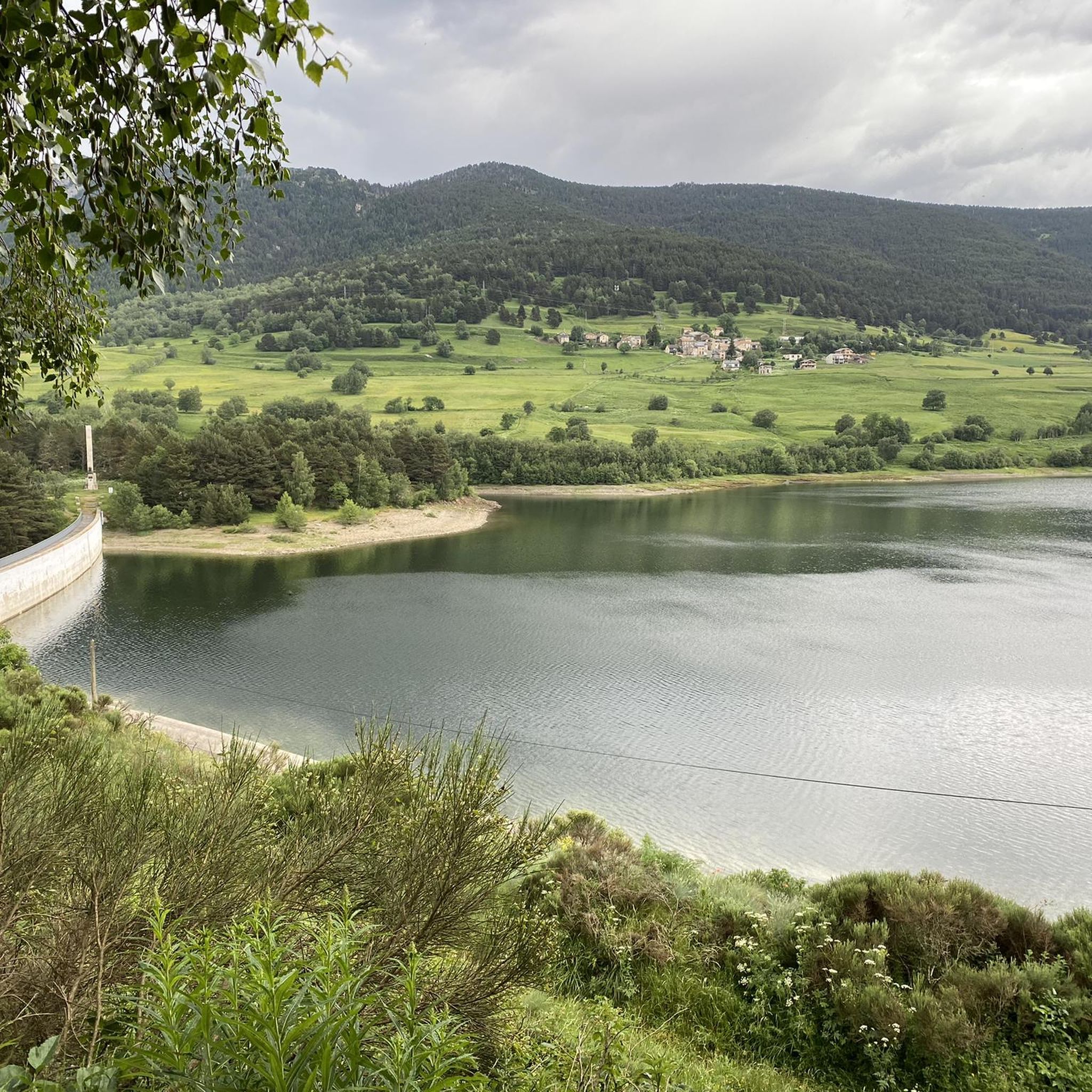
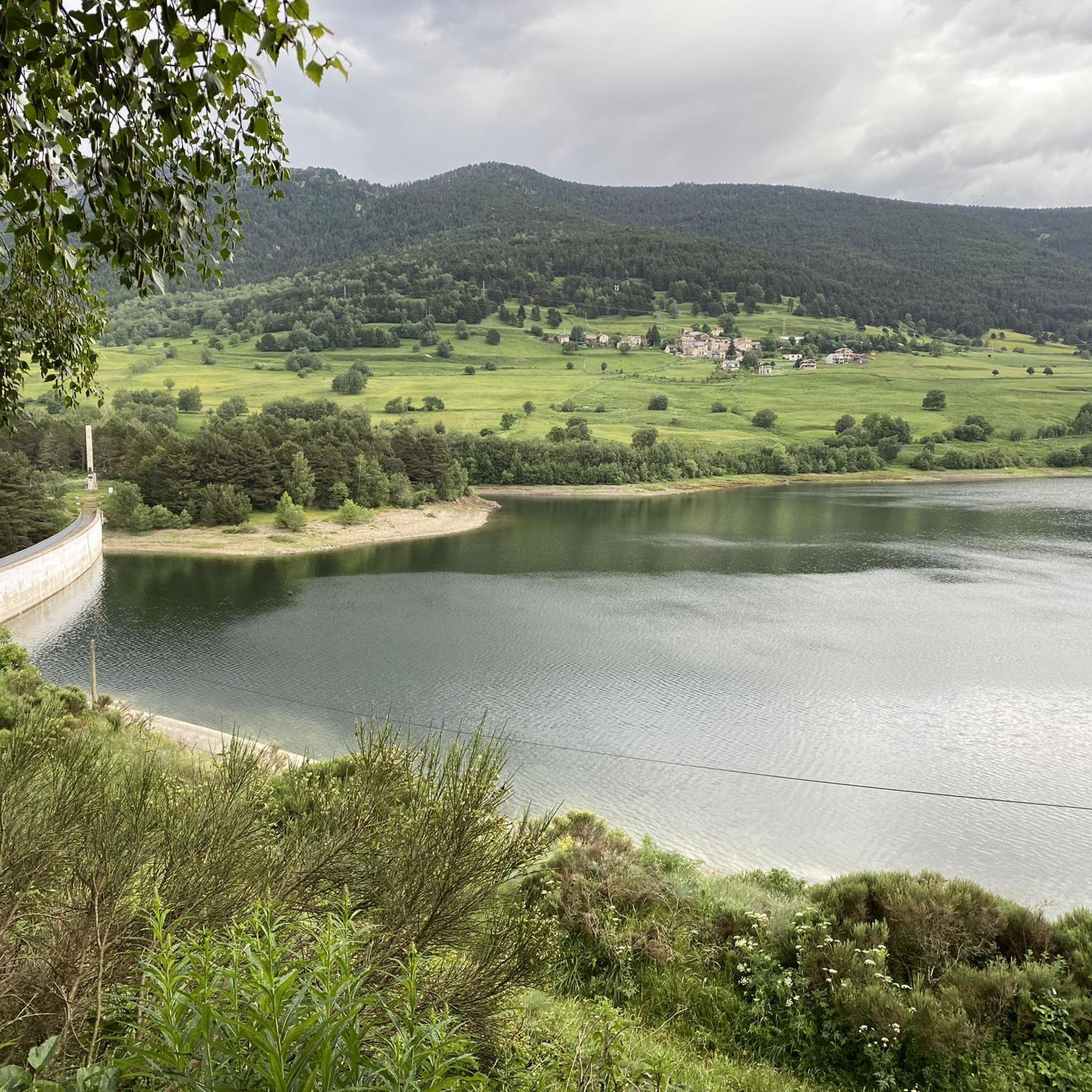
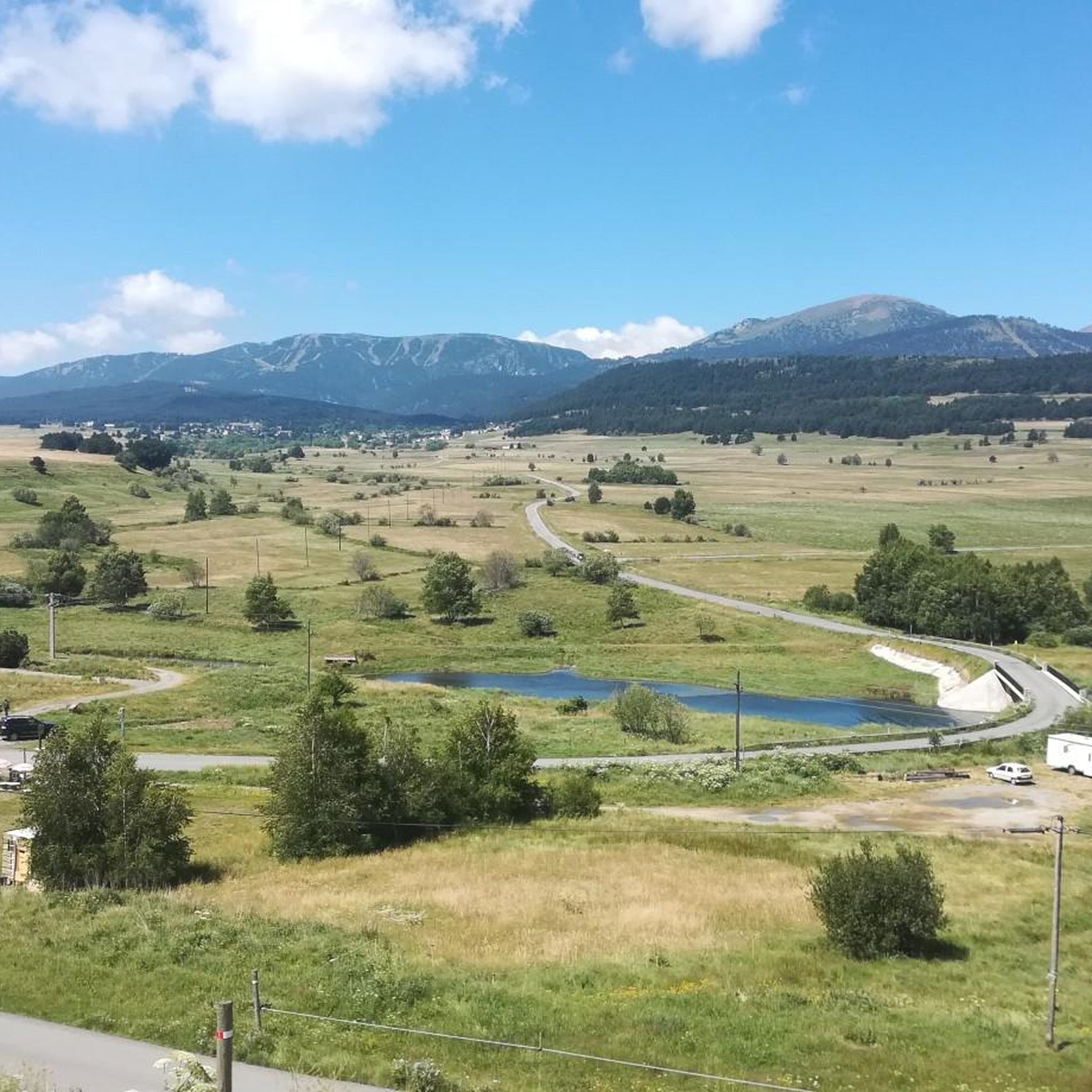
From here you can enjoy a wide panorama of the Catalan Pyrenees. To the left, towards the Carcanet biological reserve. To the right and straight ahead, towards the summits with the pic de Madrès, the highest mountain in the area.
0
0

When you hike up to this view of the Etang Bleu, you are rewarded with a breathtaking sight where the bright blue waters of the pond are nestled among the rugged peaks of the Pyrenees. The Etang Bleu, known for its deep blue and strikingly clear waters, is surrounded by lush vegetation and rocky outcrops, creating a tranquil and almost magical atmosphere. You can take advantage of this peaceful spot to take a break and soak up the natural beauty of the area before continuing your exploration of the nearby Etang de Rabassoles and its equally captivating landscape.
2
0

The Oller refuge (not guarded) is located halfway up the Pic de Madrès from Odeillo. From this point, you will have privileged views over places such as Puyvalador and its lake, the old station and the Pic de Ginèvre area, the Llissa Cremada, etc. As for the shelter, it is not very big but it is very pleasant and well equipped. It has bunk beds for four people, a stove and firewood, some books, maps...
0
0
The Oller refuge (not guarded) is located halfway up the Pic de Madrès from Odeillo. From this point, you will have privileged views over places such as Puyvalador and its lake, the old station and the Pic de Ginèvre area, the Llissa Cremada, etc. As for the shelter, it is not very big but it is very pleasant and well equipped. It has bunk beds for four people, a stove and firewood, some books, maps...
1
0

Dry toilets available but water point (source) 300 m from the refuge.
0
0

Nestled at the foot of the Pérics at 2,240 meters, the Camporells refuge is in a remarkable setting. Located on the banks of the Estany del Mig (middle pond), it has 19 places and 12 additional tents.
1
0

The En Beys refuge which overlooks the eponymous ponds culminates at an altitude of 1,970 meters, in the heart of the Orlu national reserve. Situated on the great GR 7 which connects the Vosges to the Pyrenees, the refuge remains an excellent detour for the GRP® tour of the Ax Mountains or Tour des Pérics. In a warm and family setting, the refuge guardians offer 70 beds in high season as well as a complete catering offer. In winter, 15 places remain freely accessible, accessible through the window at the top of the ladder which fits on one of the walls of the building. The refuge is an ideal place to observe the burning of the granite walls of the Pics Rouges at sunset, or the galloping chamois in the snowfields in the early morning. If you wish to extend your stay for one night, do not hesitate to contact the refuge on 05 61 64 24 24 to find out about opening dates and bed availability.
2
1
Frequently Asked Questions
What are some of the most striking natural features to explore around Quérigut?
The region around Quérigut, nestled within the Ariège Pyrenees Regional Nature Park, offers a diverse landscape. You can explore high mountain passes like Col de Pailhères, serene lakes such as Lac de Laurenti and Étang de Quérigut, and rugged refuges like the En Beys Refuge. These sites are known for their unique geological formations and ecological significance.
Are there any natural monuments around Quérigut that offer breathtaking views?
Yes, several spots provide magnificent panoramic views. The View of Étang Bleu is particularly popular, offering a stunning sight of bright blue waters nestled among rugged peaks. The Roc Blanc, near Lac de Laurenti, also provides expansive views of the Pyrenees.
What kind of outdoor activities can I do near the natural monuments around Quérigut?
The area is excellent for various outdoor activities. You can enjoy challenging mountain hikes, such as the 'Serra da Mauri (2,412 m) – Lakes of Camporells loop' or the 'Refuge d'En Beys loop'. There are also road cycling routes, including those that tackle iconic passes like the Col de Pailhères. For more details on routes, you can check out the Mountain Hikes around Quérigut guide or the Road Cycling Routes around Quérigut guide.
Are there family-friendly natural monuments or walks around Quérigut?
Yes, Lac de Laurenti is a popular destination for family hikes, offering a serene natural setting. The Étang de Quérigut also features as part of a moderate hike that allows exploration of the local villages and heritage, suitable for families looking for a less strenuous outing.
What is the best time of year to visit the natural monuments in the Quérigut area?
The region offers different experiences throughout the year. Autumn is particularly recommended for visiting the Étang de Quérigut due to its vibrant colors. For high mountain passes and refuges, late spring to early autumn (May to September) generally offers the best weather for hiking and cycling, as some areas may have limited access or be snow-covered in winter.
Can I find accommodation or facilities near these natural monuments?
Yes, some natural monuments have facilities. The En Beys Refuge, for example, offers 70 beds and catering services during peak season, with limited access in winter. The Camporells Refuge also provides accommodation with 19 places and additional tents. For other areas, it's advisable to check local villages for accommodation options.
Are there any less-known or 'hidden' natural gems around Quérigut?
While not explicitly 'hidden,' the tranquility of areas like Col du Garavel, with its minimal traffic and views towards Col de Pailhères, offers a more secluded natural experience. The diverse landscapes within the Ariège Pyrenees Regional Nature Park often hold many quiet spots waiting to be discovered beyond the main highlights.
What kind of wildlife can I expect to see near the natural monuments?
The region is rich in wildlife. At the En Beys Refuge, visitors can observe chamois (isards) in the snowfields during early mornings. The entire Ariège Pyrenees Regional Nature Park is dedicated to preserving its unique flora and fauna, offering opportunities for wildlife spotting throughout the area.
Are there any challenging routes for experienced hikers or cyclists?
Absolutely. For cyclists, the Col de Pailhères is an iconic Pyrenean landmark with challenging ascents, frequently featured in the Tour de France. Hikers can tackle difficult routes like the 'Roc Blanc via Laurenti Pond Trail' or the 'Refuge d'Oller – View of the Pyrénées Catalanes loop'. The Refuge d'Oller itself is located on a challenging route up Pic de Madrès.
What do visitors enjoy most about the natural monuments around Quérigut?
Visitors frequently appreciate the breathtaking views, the tranquility of the natural settings, and the opportunities for diverse outdoor activities. The deep blue and clear waters of places like Étang Bleu, the dramatic granite walls at sunset near En Beys, and the remarkable setting of Camporells Refuge are often highlighted as memorable experiences.
Is it possible to camp near any of the natural monuments?
Yes, the area around Lac de Laurenti is suitable for camping, offering a beautiful natural setting for an overnight stay. Always check local regulations regarding wild camping or designated camping areas.
Most popular routes around Quérigut
Most popular attractions around Quérigut

Get inspired with the komoot mobile app


Explore more
Extend your search for the best caves by checking out these guides of the top ones around Quérigut:
