Top 7 Natural Monuments around Daluis
Natural monuments around Daluis feature a landscape shaped by geological forces, including deep canyons and distinctive rock formations. The region, located in the Alpes-Maritimes department, is known for its red pelite sandstone, which gives areas like the Gorges de Daluis a characteristic wine-red appearance. This area supports a rich biodiversity, influenced by both Alpine and Mediterranean climates, and holds cultural and historical significance. Visitors can explore a variety of natural attractions, from dramatic gorges to high-altitude lakes.
Best natural monuments…
Last updated: October 8, 2026
Gorges du Cians
Highlight • Gorge
Translated by Google •
Tip by

Red Slate Plateau
Highlight • Natural Monument
Translated by Google •
Tip by

Sign up now to discover places like this
Get recommendations on the best single tracks, peaks, & plenty of other exciting outdoor places.
Lacs de Lignin
Highlight • Lake
Translated by Google •
Tip by

Péone Rock Formations
Highlight • Natural Monument
Translated by Google •
Tip by

Gorges de Daluis
Highlight • Gorge
Translated by Google •
Tip by

Sign up for free to discover even more natural monuments around Daluis.
Already have an account?
Start today with a free account
Your next adventure awaits.
Tips from the Community

An absolutely worthwhile detour if you are driving the Route des grandes Alpes.
0
0

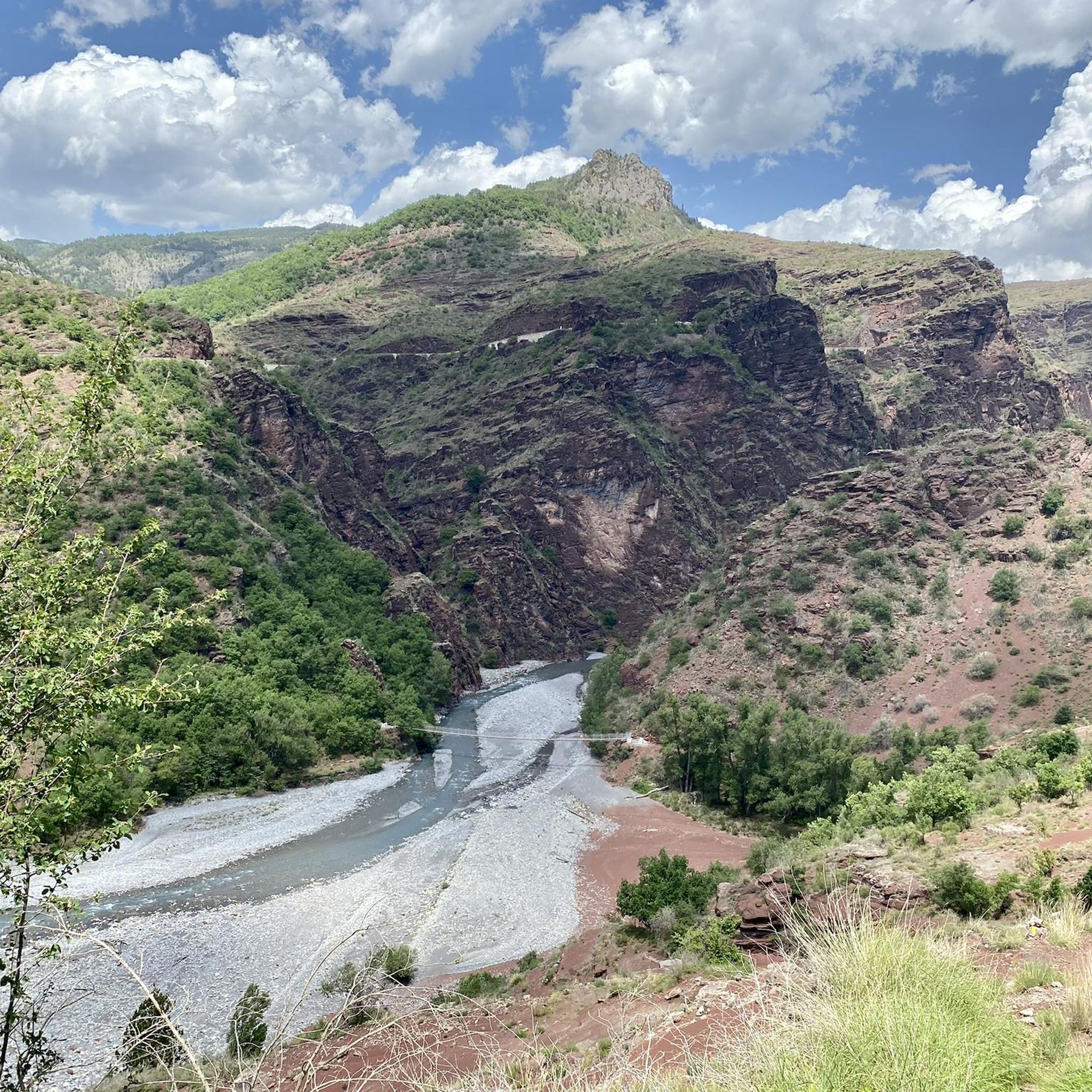
Very beautiful road in the hollow of steep gorges with walls of red rocks. A place suitable for canyoning.
0
1

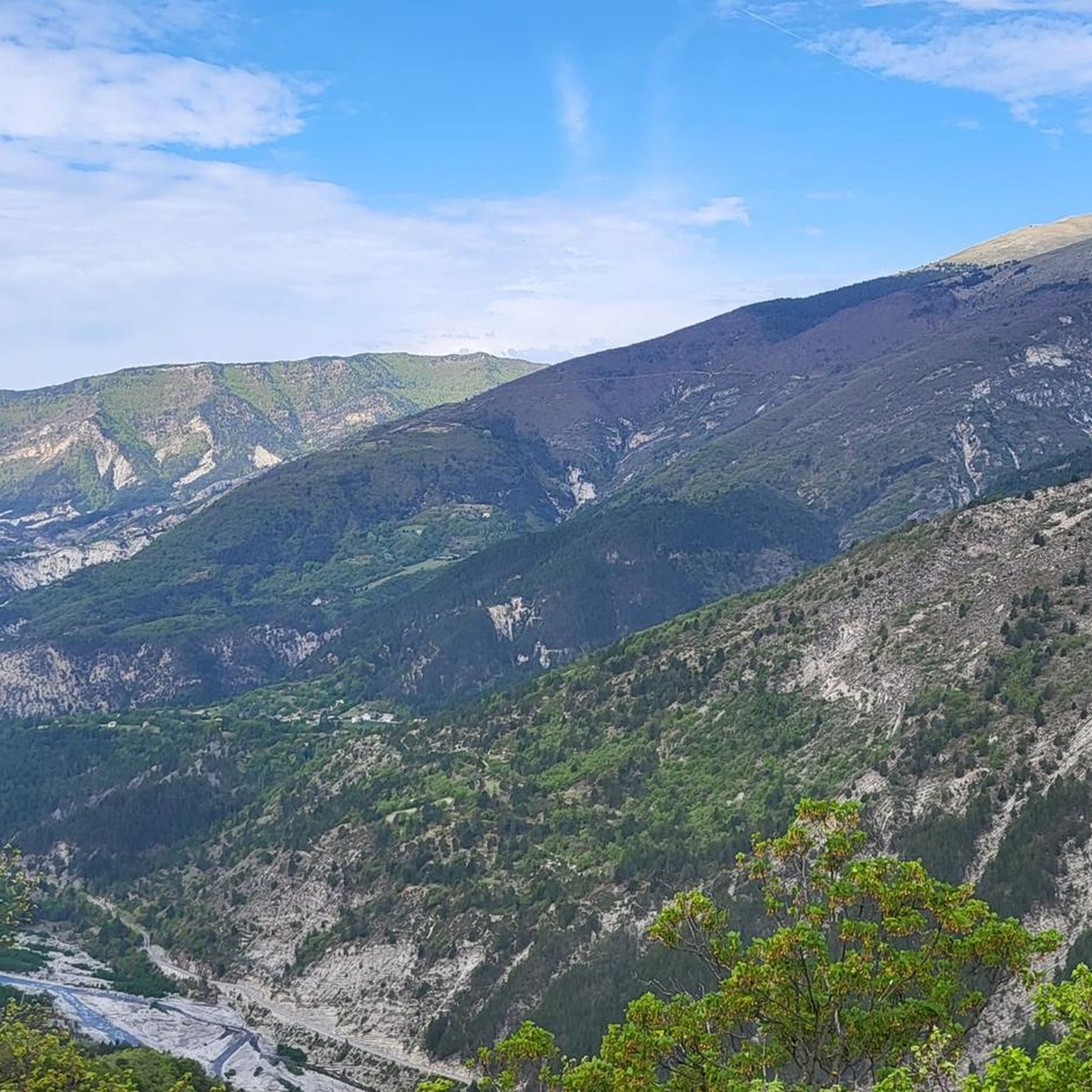
Classified as a Natura 2000 area, the Lignin lakes are of glacial origin. Located on the high plateaus at more than 2,200 meters of latitude, they are not permanent and the smaller of the two lakes dries up during the summer, giving way to more or less humid areas.
0
0

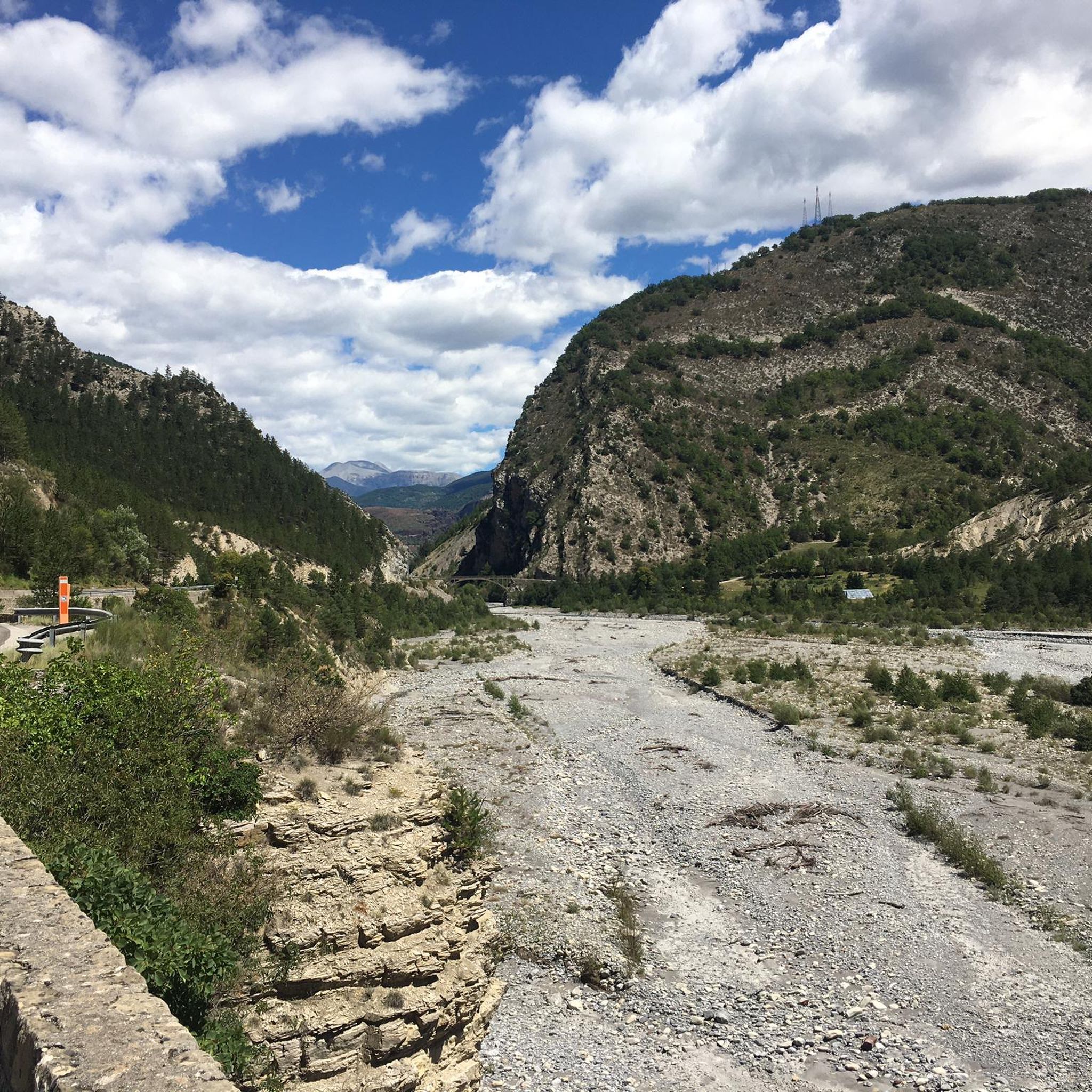
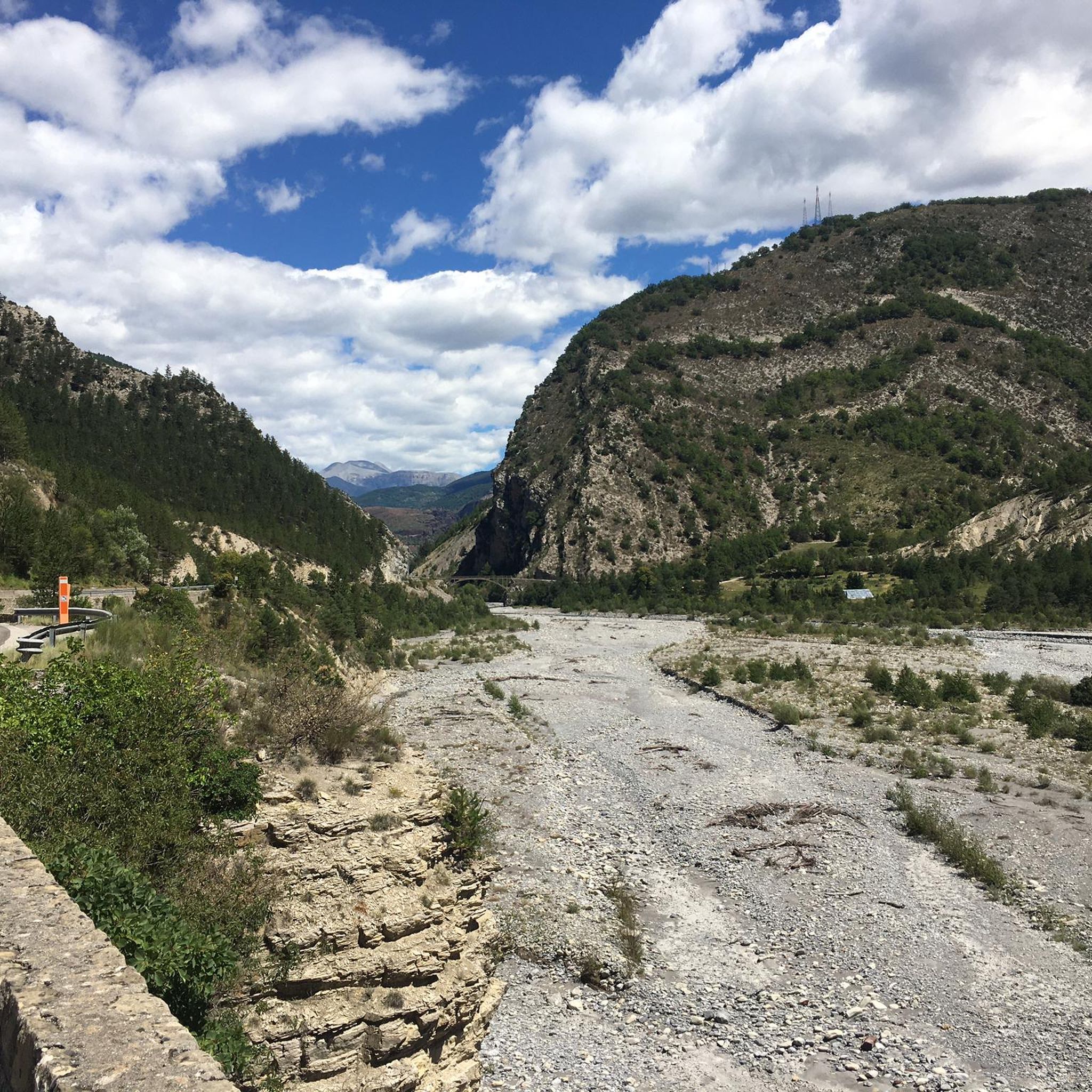
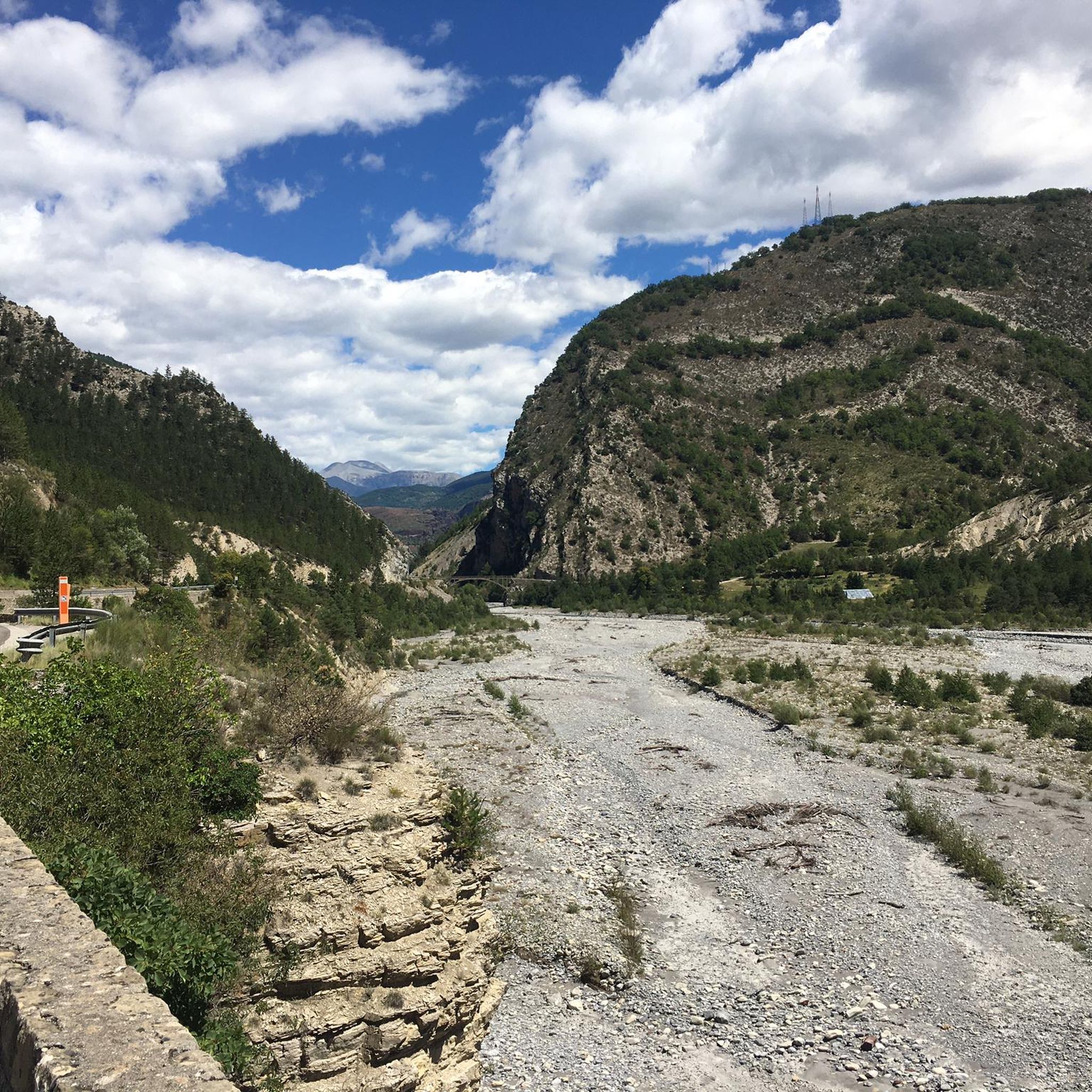
A very beautiful road in the Cians gorges. There are 20 km of climbing from Touët-sur-var to Beuil. The average grade is around 5%, but there are steeper sections down and near the top.
2
0

Magnificent walk really a bypass indeed! In fact we did a complete circuit and so we returned to the car at the starting point by the path indicated by Komoot no problem except that I fell twice on the descent while sliding on the rubble be careful!
0
1

Excellent road in an amazing scenery. Be careful for stones/rocks on the road.
0
0

Péone is built on a striking field formation so that the old houses seem to merge with the rock. In the evening the scenery was illuminated in color, which is perhaps a bit kitschy, but quite effective.
1
0

Frequently Asked Questions
What are the most distinctive natural features to see around Daluis?
The region is renowned for its dramatic red rock formations, particularly in the Gorges de Daluis, where 260-million-year-old sandstone, or pelite, creates a striking 'wine-red' landscape. You'll also find deep canyons with sheer drops of up to 300 meters above the Var river, and unique geological diversity where red pelite contrasts with limestone and quartzite layers. Don't miss the recognizable rock formation known as the Tête de la Femme (Woman's Head) near Pont de Berthéou.
Are there any natural monuments suitable for easy walks or beginner hikes?
Yes, the Red Slate Plateau is a natural monument that offers magnificent views and is suitable for walks. While some areas in the region can be challenging, there are often accessible paths around these natural attractions. Always check specific trail details for difficulty before heading out.
What outdoor activities can I do near the natural monuments in Daluis?
The Gorges de Daluis area is popular for various outdoor activities. You can enjoy rafting and canoeing on the Var river, as well as hiking on numerous trails, some leading to 'Point Sublime' for panoramic views. The road through the gorge, part of the Route des Grandes Alpes, is also excellent for motorcycling. For more specific routes, you can explore cycling, MTB, and running trails around Daluis.
Are there family-friendly natural monuments or activities in the Daluis region?
While the deep canyons and high plateaus offer dramatic scenery, many areas can be enjoyed by families. The Gorges de Daluis itself offers scenic drives and viewpoints that are accessible. For specific family-friendly trails or activities, it's best to check local information centers, as some hiking paths might be challenging for very young children. The general appeal of the stunning landscapes can be enjoyed by all ages.
What is the best time to visit the natural monuments around Daluis?
The region experiences both Alpine and Mediterranean climates. Generally, late spring to early autumn (May to October) offers the most favorable weather for exploring. During these months, temperatures are pleasant for outdoor activities like hiking and cycling, and the natural beauty is at its peak. Always check the local weather forecast before your visit, especially if planning high-altitude excursions.
What makes the Gorges du Cians a must-see natural monument?
The Gorges du Cians offers an amazing scenery with a road carved directly through the canyon, providing impressive views. It's known for its challenging climbs, making it a popular spot for cyclists. The dramatic landscape and unique geological formations make it a truly worthwhile detour.
Are there any high-altitude natural monuments in the area?
Yes, the Lacs de Lignin are glacial lakes situated on high plateaus at more than 2,200 meters of altitude. This Natura 2000 area offers a truly scenic and serene experience, though the smaller lake may dry up in summer. Additionally, the Tête de Rigaud is a summit at 1907 meters above sea level, offering panoramic views and a volcanic, red-colored shape.
What kind of unique geological features can be found in the Daluis region?
The Daluis region is a geological marvel. Beyond the famous red pelite sandstone of the Gorges de Daluis, you can observe a sharp contrast with overlying limestone layers and white Triassic quartzite, evidence of significant geological events. The area is dominated by the 2136-meter-high Dôme de Barrot, dating from the Permian period. Over 70 types of rare minerals have been discovered here, with some, like Barrotite and Gilmarite, first identified in the region.
What historical or cultural significance do the natural monuments around Daluis hold?
The Gorges de Daluis area has a rich history, with ancient mule tracks indicating its past as a strategic trade route during Roman times. You can find remains of old Roman roads and historical sights like ancient churches and castle ruins along the routes. The Pont de la Mariée (Bride's Bridge) in the Gorges de Daluis also has a poignant local legend associated with it.
What kind of wildlife and plant species can I expect to see in the natural monuments of Daluis?
As the first official nature reserve in Alpes-Maritimes, the Gorges de Daluis supports a rich biodiversity. Its unique ecosystem, influenced by both Alpine and Mediterranean climates, hosts three nationally protected plant species and ten species of heritage interest, including the limestone saxifrage. The area is also home to endemic amphibian species like Hydromantes strinatii, 25 different bat species in its caves, and birds of prey such as golden eagles, peregrine falcons, and Eurasian eagle-owls.
Are there any natural monuments that are particularly striking due to their formation?
Absolutely. The Péone Rock Formations are particularly striking. The village of Péone is built directly on these formations, creating a unique sight where old houses appear to merge with the rock itself, especially when illuminated in the evening.
Most popular attractions around Daluis

Get inspired with the komoot mobile app


Explore more
Extend your search for the best caves by checking out these guides of the top ones around Daluis:
