Top 6 Natural Monuments around Saint-Vincent
Best natural monuments around Saint-Vincent include a diverse range of geological formations and historical sites. The region's landscape is marked by volcanic activity, resulting in unique features such as volcanic peaks and multi-colored clay canyons. Visitors can explore ancient ruins, panoramic viewpoints, and settlements built from volcanic stone. This area offers a blend of natural beauty and historical significance for outdoor enthusiasts.
Best natural monuments around Saint-Vincent
- The most popular natural monuments is Château d'Artias, a castle that features…
Last updated: June 21, 2026
Le Puy-en-Velay Historic Center
Highlight • Historical Site
Translated by Google •
Tip by

Château d'Artias
Highlight • Castle
Translated by Google •
Tip by

Sign up now to discover places like this
Get recommendations on the best single tracks, peaks, & plenty of other exciting outdoor places.
Sign up for free
Montjoie Viewpoint
Highlight • Viewpoint
Translated by Google •
Tip by

View of the Corboeuf Ravine
Highlight • Canyon
Translated by Google •
Tip by

Suc de Bartou
Highlight • Volcano
The small mountains are clearly visible from the village of Chamalières-sur-Loire.
Translated by Google •
Tip by
Sign up for free to discover even more natural monuments around Saint-Vincent.
Sign up for free
Already have an account?
Start today with a free account
Your next adventure awaits.
Login or Signup
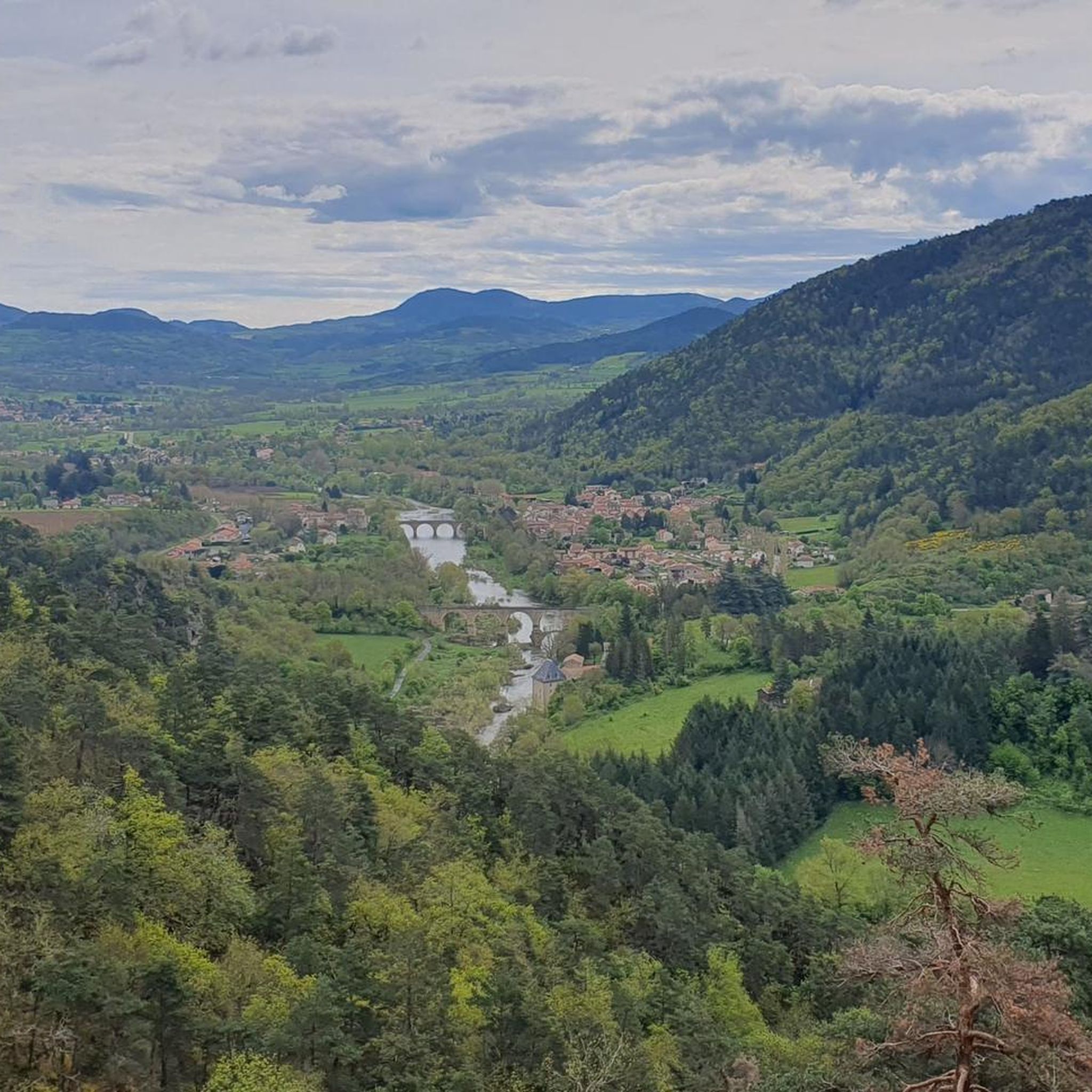
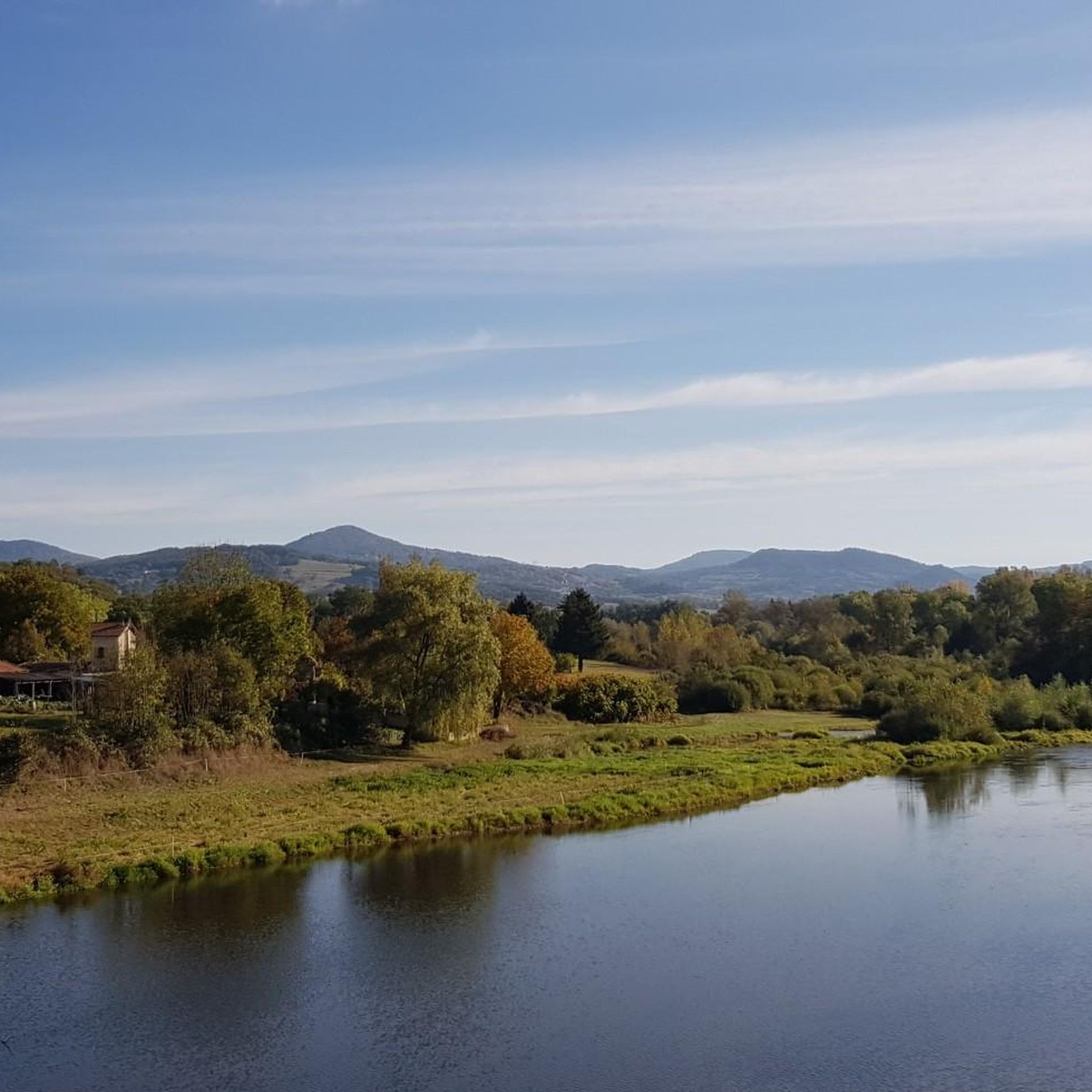
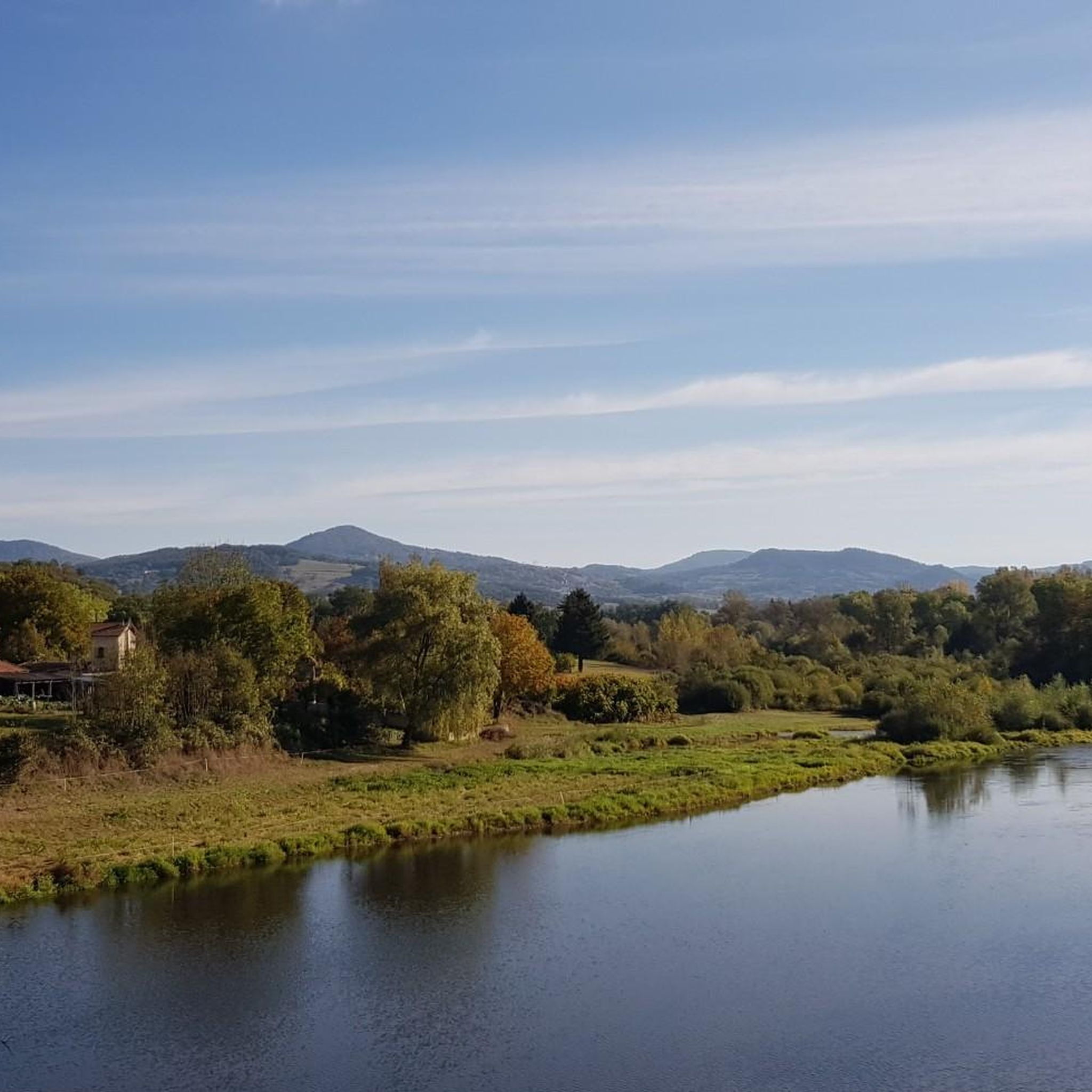
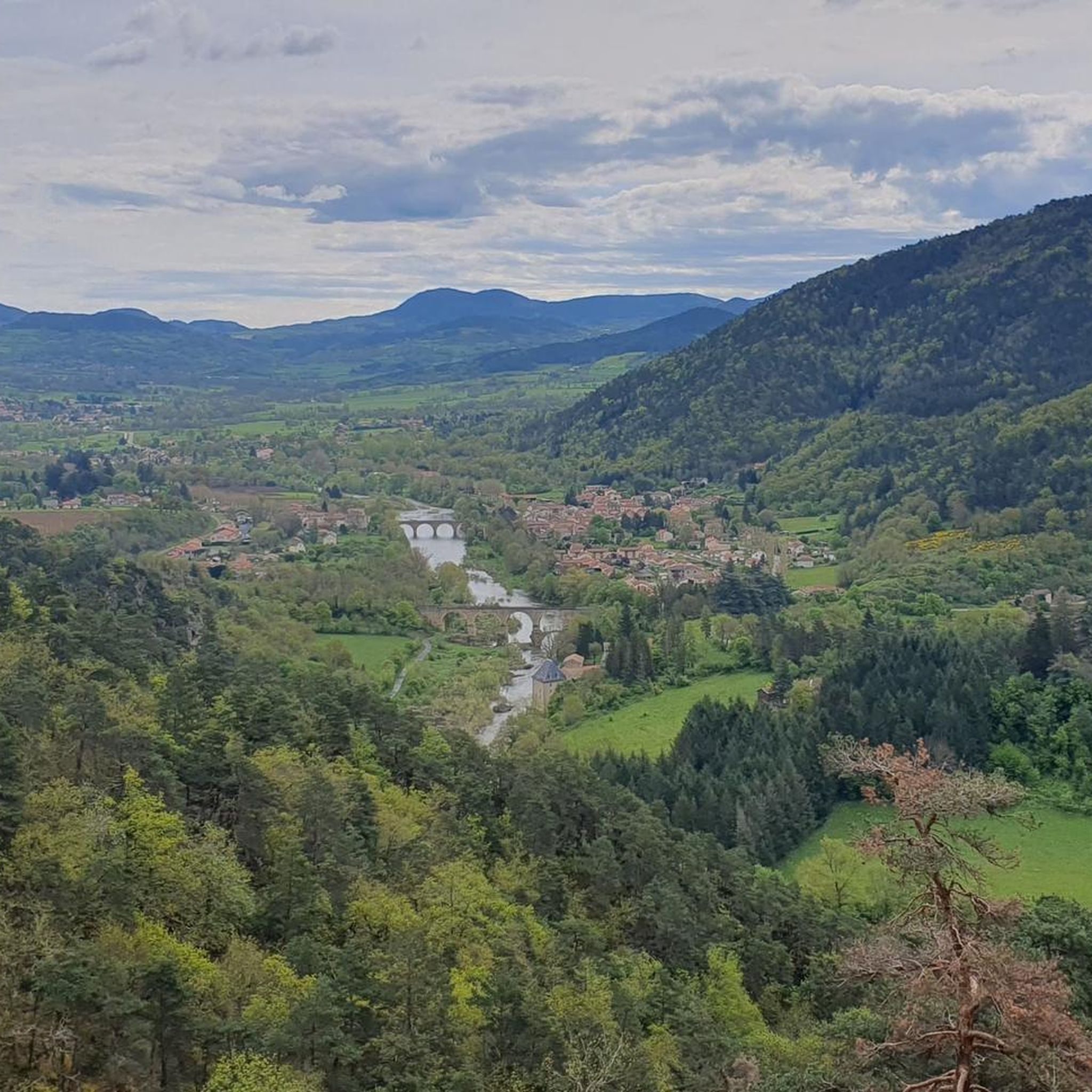
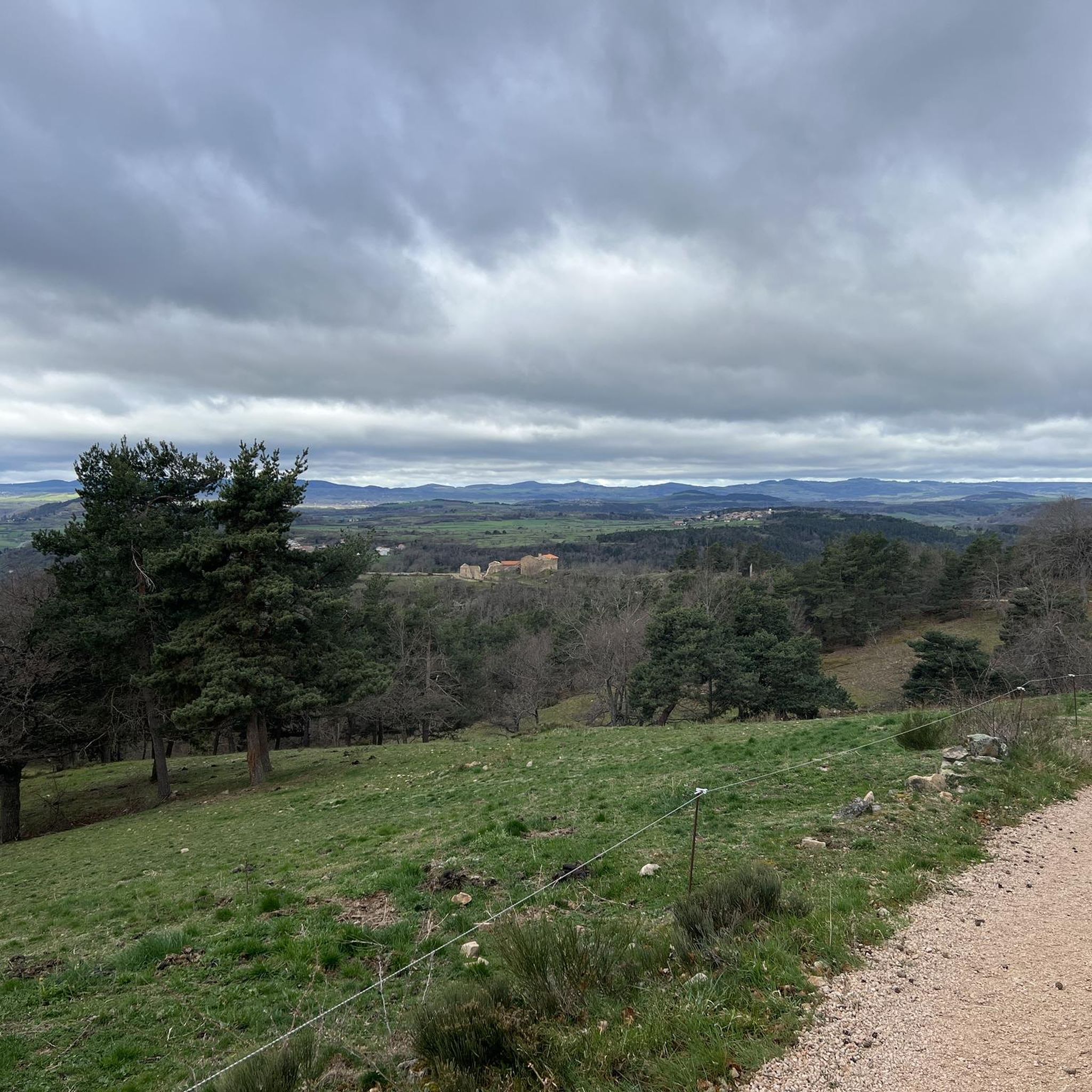
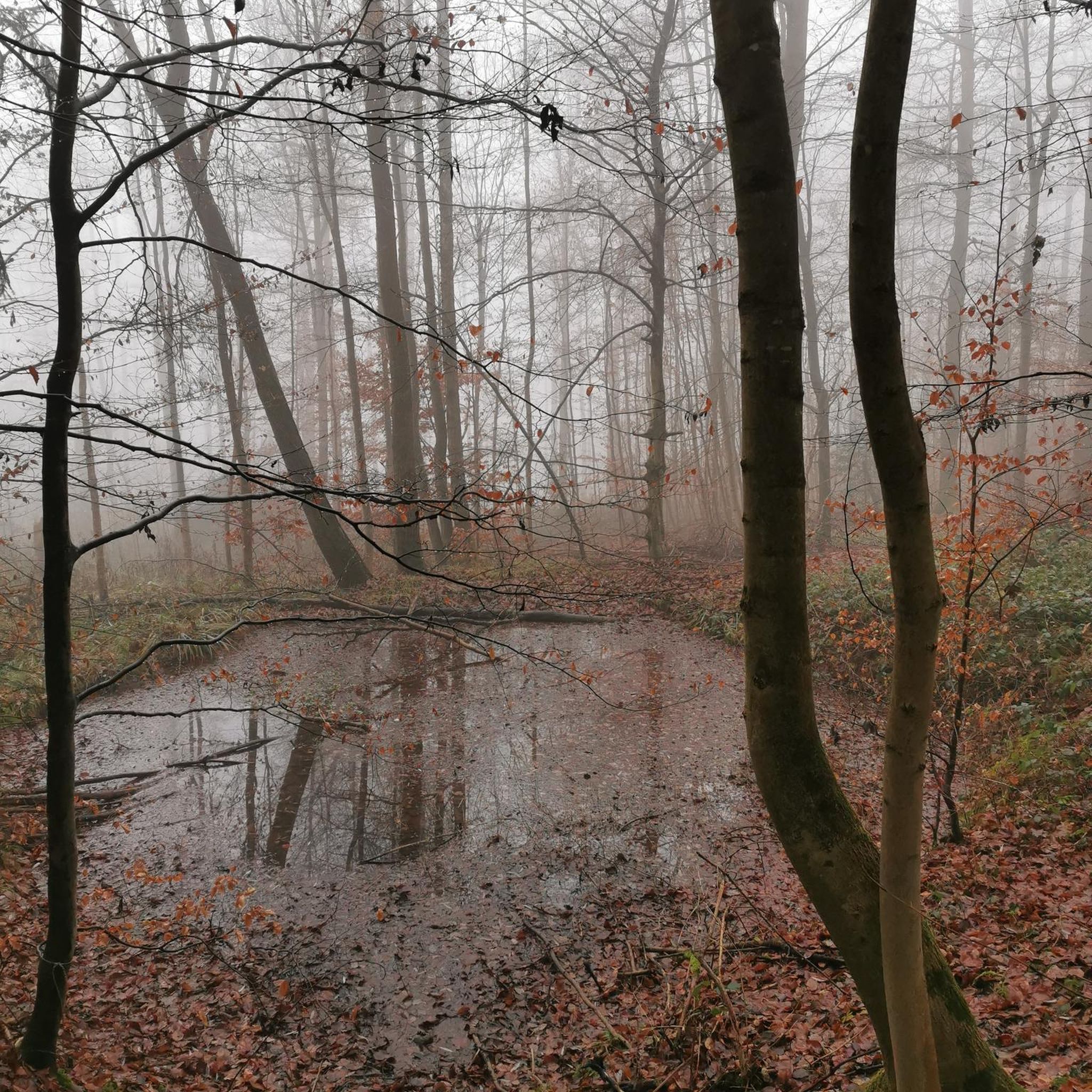
Tips from the Community

You can ride right up to the castle then climb up onto the top. The views spectacular
0
0

From the bridge over the Loire and then to the right is a drama! Too narrow, poorly visible and even dangerous. Over the road to Artias is much better.
0
0

City of cars, everywhere even in the old town. Pedestrians can always wait to cross and bikes only get paint on the road... sometimes.
0
0

Interesting to see that there is a "mountain of joy" not only in Spanish Galicia, but also here in southeastern France. These two places not only have the name in common, but also the first view of the towers of the cathedral of Santiago de Compostela with the tomb of the Holy Apostle James the Elder, or of the cathedral with the black Madonna of Le-Puy. en-Velay. The small pile of stones that have accumulated at this point, however, is reminiscent of the Spanish "Cruz de Ferro" (iron cross) on Monte Irago.
3
0

The Château d'Artias, whose existence dates back at least to the 10th century, suffered during the French Revolution, a period from which the castle was used as a stone quarry. The ruins are now classified as Historic Monuments. Its location on a pyramidal rock block makes it quite a spectacular place.
7
0

Commune with such a particular relief with the Rocher Corneille and the Rocher d'Aiguilhe.
0
0

The Suc de Bartou and the Rocher de Costaros are two small mountains neighboring each other, culminating at almost 1,000 meters and resulting from strong volcanic activity. The small mountains are clearly visible from the village of Chamalières-sur-Loire.
1
0
Le Puy-en-Velay is quite an incredible city. Granite and lava stones are everywhere. Several religious buildings, such as the huge statue of Notre-Dame de France and the church of Saint Michel-d'Aiguilhe are placed almost 100 meters high on old volcanic chimneys. These buildings serve as landmarks and can be reached by taking stairs in the rock. The city has two specialties: the famous green lentils from Puy and lace. Lacemakers still practice this unique art. You will find them especially near the steps leading to Notre Dame Cathedral. Do not miss this visit. The church and its cloister are austere but the Romanesque architecture is magnified here. There is a beautiful atmosphere in the lively streets of Le Puy. Puy also means volcano.
1
0
Frequently Asked Questions
What types of natural monuments can I explore around Saint-Vincent?
The region around Saint-Vincent offers a diverse range of natural monuments, primarily shaped by volcanic activity. You can explore unique geological formations such as volcanic peaks, multi-colored clay canyons like the View of the Corboeuf Ravine, and dramatic viewpoints. The area also features historical sites and settlements built from volcanic stone, blending natural beauty with rich history.
Are there any historical natural monuments in the Saint-Vincent area?
Yes, several natural monuments around Saint-Vincent have significant historical value. For instance, Château d'Artias features ruins classified as Historic Monuments, dramatically situated on a pyramidal rock block. The Montjoie Viewpoint, at an altitude of 722 m, is historically significant as a 'Mountain of Joy' for pilgrims, offering views of the cathedral of Le-Puy-en-Velay and the Saint-Michel chapel.
What are some of the most impressive viewpoints to visit?
For breathtaking views, consider visiting the Montjoie Viewpoint, which provides panoramic vistas of Le-Puy-en-Velay's cathedral and the Saint-Michel chapel. Another impressive spot is the View of the Corboeuf Ravine, where you can witness a spectacular multi-colored clay canyon.
Can I find natural monuments related to volcanic activity in Saint-Vincent?
Absolutely. Saint-Vincent's landscape is heavily influenced by its volcanic past. You can visit the Suc de Bartou, a volcanic peak culminating at almost 1,000 meters, which is a clear result of strong volcanic activity. The village of Mézères also showcases this, with houses built from phonolites and other volcanic stones, and even a basalt organ.
Are there family-friendly natural monuments or sites to visit?
Yes, the village of Mézères is noted as family-friendly. It's a remarkable village where inhabitants have made marvelous use of the volcanic environment, with houses built of volcanic stones and roofs covered in lauzes. It also features a basalt organ, offering an interesting educational experience for all ages.
What do visitors enjoy most about the natural monuments around Saint-Vincent?
Visitors particularly appreciate the unique blend of natural beauty and historical significance. The dramatic landscapes, such as the multi-colored clay canyon of the View of the Corboeuf Ravine, and historical sites like Château d'Artias, are highly rated. The community has shared over 20 photos and given more than 30 upvotes, highlighting the area's appeal for exploration and photography.
What outdoor activities can I do near these natural monuments?
The area around Saint-Vincent offers various outdoor activities. You can find numerous routes for cycling, mountain biking, and gravel biking. For example, there are cycling routes like the 'Old bridge over Loire – Saint Michael's Rock loop' and mountain biking trails such as the 'Vorey-sur-Arzon – Chamalières-sur-Loire bridge loop'. You can explore more options on the Cycling around Saint-Vincent, MTB Trails around Saint-Vincent, and Gravel biking around Saint-Vincent guide pages.
Are there specific trails or routes that pass by these natural monuments?
While specific hiking trails directly linked to each monument aren't detailed, the region offers a network of paths suitable for exploring the natural landscape. Many cycling and mountain biking routes, such as those found in the MTB Trails around Saint-Vincent guide, will take you through the diverse terrain where these natural monuments are located, allowing you to experience them as part of a longer adventure.
What is the best time to visit the natural monuments around Saint-Vincent?
The region's natural monuments can be enjoyed across different seasons. While specific seasonal conditions for each monument are not detailed, the general outdoor activity guides for cycling and mountain biking suggest that many routes are accessible for a good part of the year. For the best experience, consider visiting during milder weather to fully appreciate the outdoor landscapes and viewpoints.
Are there any unique settlements or villages that are considered natural monuments?
Yes, the village of Mézères is a remarkable example. It's considered a natural monument due to its unique integration with the volcanic environment. The houses are constructed from local phonolites and volcanic stones, with roofs made of heavy flat stones called lauzes, showcasing a harmonious blend of human settlement and natural geology.
What kind of terrain can I expect when visiting these natural monuments?
Given the region's volcanic origins, you can expect varied terrain. This includes areas with volcanic rock formations, such as the pyramidal rock block supporting Château d'Artias, and the multi-colored clay of the View of the Corboeuf Ravine. The landscape often features elevated viewpoints and mountainous areas, providing a dynamic and engaging environment for exploration.
Most popular routes around Saint-Vincent
Most popular attractions around Saint-Vincent

Get inspired with the komoot mobile app


Explore more
Extend your search for the best caves by checking out these guides of the top ones around Saint-Vincent:
