Top 3 Natural Monuments around Waville
Best natural monuments around Waville are characterized by their ecological significance and diverse landscapes. The area includes the Ruisseau de Gorze, a stream known for its riparian vegetation and role in supporting local wildlife. Waville is also part of the Coteaux Calcaires du Rupt de Mad au Pays Messin, a designated ZNIEFF and Natura 2000 site featuring calcareous grasslands and unique flora and fauna. These natural features offer opportunities for observing biodiversity and exploring varied terrain.
Best natural monuments around Waville
- The most popular natural monuments is Turning Stone, a natural monument located in the middle of the forest. This striking stone formation is situated at a crossroads, making it an impressive feature within the woodland.
- Another must-see spot is La Fraze Rocks, a natural monument offering views from the top of its cliffs. These cliffs provide a vantage point over the surrounding ridge line.
- Visitors also love Lachaussée Pond, a lake created in the 13th century. Today, it is a protected nature reserve with a 12 km path circling the pond, allowing for observation of diverse fauna, reed beds, and forest.
- Waville is known for its lakes, forests, and unique geological formations. These natural monuments offer a variety of landscapes to explore, from wetland habitats to calcareous hillsides.
- The natural monuments around Waville are appreciated by the komoot community, with 17 upvotes and 3 photos shared across the highlights.
Last updated: June 21, 2026
Lachaussée Regional Nature Reserve
Highlight • Natural
Translated by Google •
Tip by

Lachaussée Pond
Highlight • Lake
Translated by Google •
Tip by
Sign up now to discover places like this
Get recommendations on the best single tracks, peaks, & plenty of other exciting outdoor places.
Sign up for free
La Fraze Rocks
Highlight (Segment) • Natural Monument
Translated by Google •
Tip by
Turning Stone
Highlight • Natural Monument
Translated by Google •
Tip by

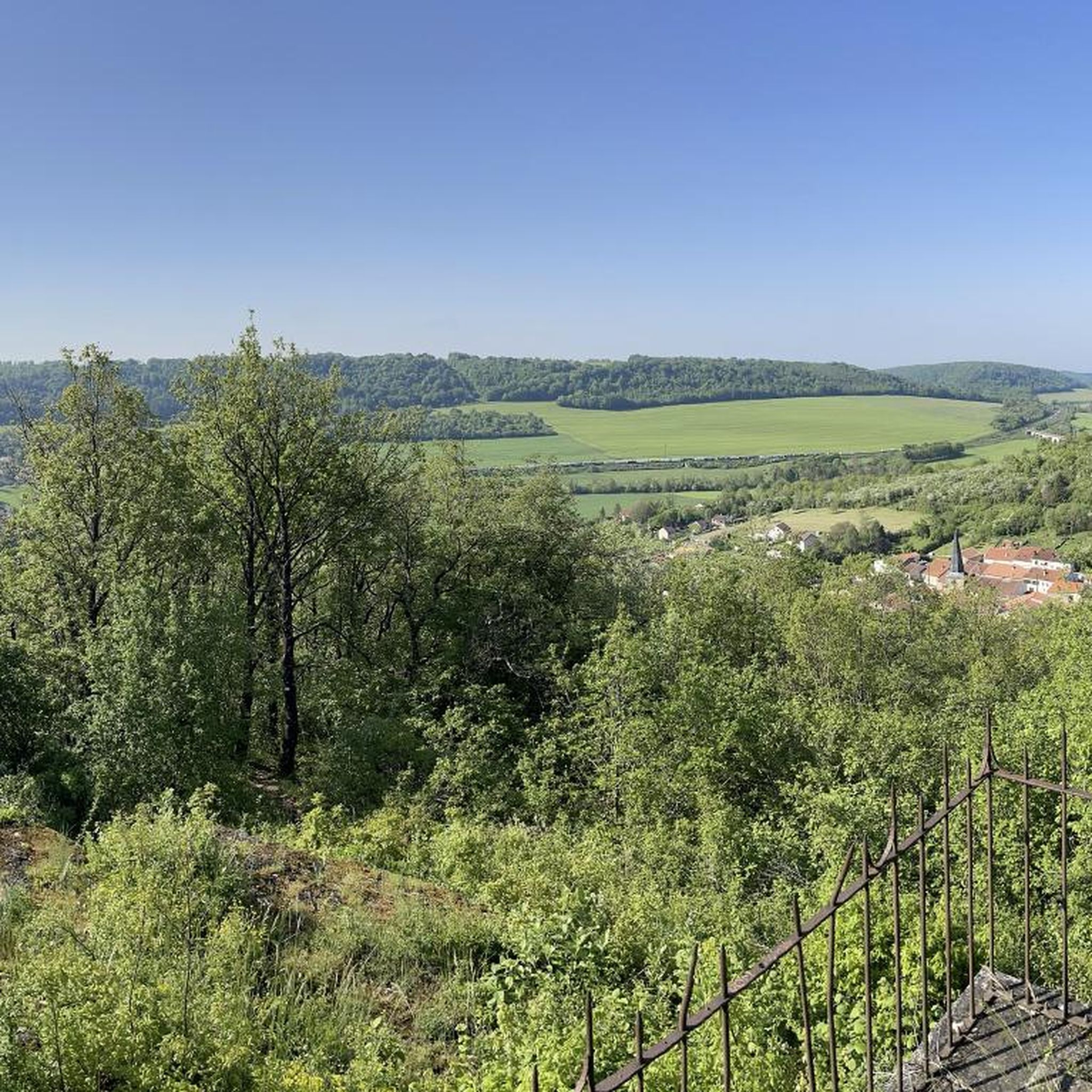
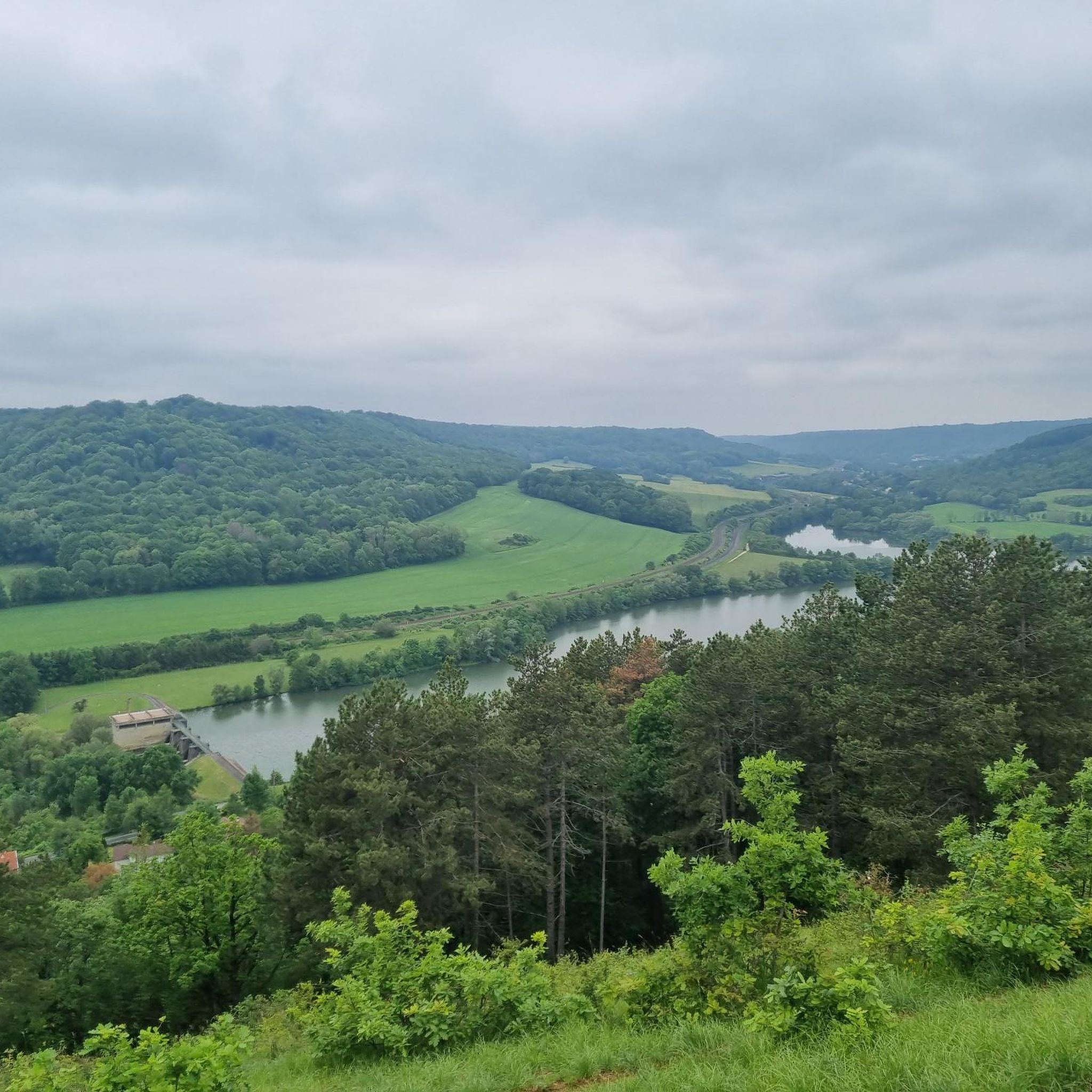
View of the Rupt de Mad Valley
Highlight • Viewpoint
Translated by Google •
Tip by
Start today with a free account
Your next adventure awaits.
Login or Signup

Tips from the Community


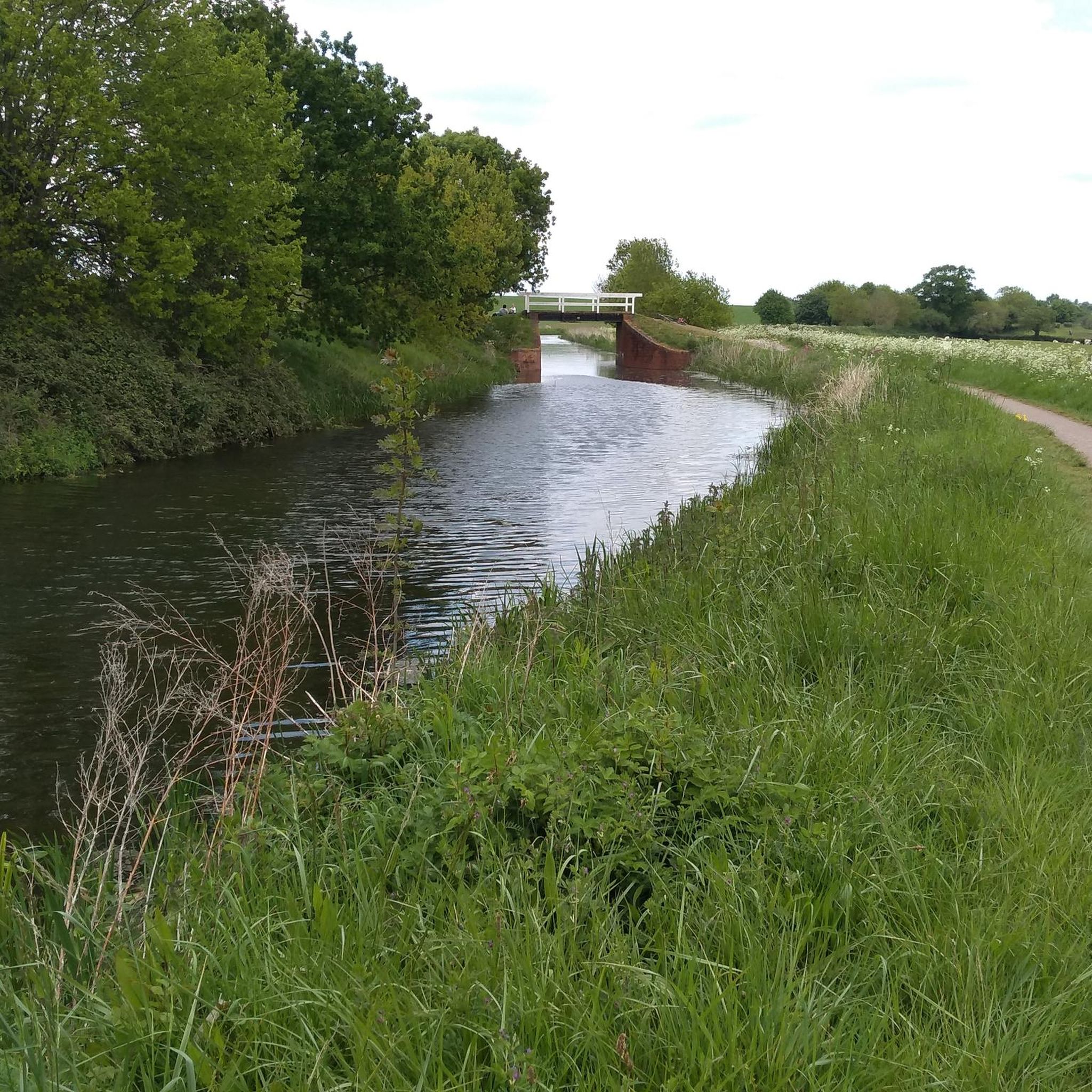
Be careful, in winter the paths are very muddy and even flooded.
0
0

Very beautiful hike that I do every year
1
0

If you are looking for a hiking destination combining nature, history and culture, the Lahaussee Regional Nature Park has everything to please you. This nature reserve, located in the Grand Est region, extends over more than 600 hectares of wetlands, forests, meadows and ponds. You will be able to discover the rich biodiversity of the site which is home to numerous species of birds, amphibians, insects and plants. You can also discover the ancient tradition of fish farming, which dates back to the 13th century and still contributes to the local economy and social inclusion. The reserve offers different trails and activities for visitors of all ages and interests. Energetic races, observation of fauna and flora, discovery of heritage, you will find what you are looking for in the Lahaussee regional nature reserve.
2
0
Created in the 13th century by the flooding of four hamlets, the Etang de Lahaussee is today a protected nature reserve which is home to a variety of fauna. You can walk the 12 km path that goes around the pond and enjoy the views of the water, the reedbeds and the forest. Along the way, you can observe birds, amphibians, insects and plants that thrive in this moist habitat. The Etang de Lahaussee is an ideal destination for nature lovers and runners of all levels.
2
0
If you are looking for a hiking destination combining nature, history and culture, the Lahaussee Regional Nature Reserve has everything to please you. This nature reserve, located in the Grand Est region, extends over more than 600 hectares of wetlands, forests, meadows and ponds. You will be able to discover the rich biodiversity of the site, which is home to numerous species of birds, amphibians, insects and plants. You can also discover the ancient tradition of fish farming, which dates back to the 13th century and still contributes to the local economy and social inclusion. The preserve offers various trails and activities for visitors of all ages and interests. Peaceful walks, observation of fauna and flora, discovery of heritage, you will find what you are looking for in the Lahaussee Regional Nature Reserve.
3
0
Created in the 13th century by the flooding of four hamlets, the Étang de Lahaussee is today a protected nature reserve which is home to a variety of fauna. You can walk the 12km path that circles the pond and enjoy views of the water, reed beds and forest. Along the way, you may spot birds, amphibians, insects and plants that thrive in this wetland habitat. The Étang de Lahaussee is an ideal destination for nature lovers and hikers of all levels.
2
0
The top of these cliffs offers a breathtaking view of this ridge line.
3
0
Frequently Asked Questions
What are the main natural features to explore around Waville?
The Waville area is rich in ecological significance. Key features include the Ruisseau de Gorze, a stream known for its diverse riparian vegetation and wildlife, and the Coteaux Calcaires du Rupt de Mad au Pays Messin, a designated ZNIEFF and Natura 2000 site featuring unique calcareous grasslands and rich biodiversity.
Are there any family-friendly natural monuments in the Waville area?
Yes, the Lachaussée Regional Nature Reserve is an excellent family-friendly option. It spans over 600 hectares of wetlands, forests, meadows, and ponds, offering various trails and activities suitable for all ages to discover its rich biodiversity and historical fish farming traditions.
Where can I find impressive views of the landscape around Waville?
For stunning vistas, visit La Fraze Rocks, where the top of the cliffs offers breathtaking views over the surrounding ridge line. Another great spot is the View of the Rupt de Mad Valley, which provides a panoramic outlook over the Arnaville water reservoir and the valley.
What kind of wildlife can I expect to see in the natural monuments around Waville?
The region is a haven for wildlife. Along the Ruisseau de Gorze, you might spot bird species like the Grey Wagtail and Kingfisher, and fish such as the Fario Trout. The Coteaux Calcaires du Rupt de Mad is a crucial biological corridor for various animal species, including bats like the Lesser Horseshoe Bat and Greater Mouse-eared Bat, and protected insects like the Marsh Fritillary butterfly.
Are there hiking opportunities near the natural monuments?
Absolutely. The Lachaussée Pond features a 12 km path circling the pond, perfect for observing diverse fauna and wetland habitats. Additionally, the area around Gorze, where Waville is located, offers wooded paths with panoramic views of the Moselle valley. You can find more detailed hiking routes in the Running Trails around Waville guide, which includes routes like 'La Fraze Rocks – La croix saint Clément loop from Gorze'.
What is the best time of year to visit the natural monuments in Waville?
Spring and summer are ideal for experiencing the full biodiversity of the region, with vibrant flora and active wildlife. However, be aware that paths around Lachaussée Pond can be very muddy and even flooded in winter, so plan accordingly.
Can I go cycling or gravel biking near Waville's natural monuments?
Yes, the region offers various cycling opportunities. You can explore routes like 'Metz Cathedral – Porte des Allemands loop from Onville' for gravel biking, or 'Moselle Left-Bank Cycle Path – The Moselle at Metz loop from Onville' for general cycling. Find more options in the Gravel biking around Waville and Cycling around Waville guides.
What is the significance of the Coteaux Calcaires du Rupt de Mad au Pays Messin?
This area is a ZNIEFF (Zone Naturelle d'Intérêt Écologique, Faunistique et Floristique) of type 2 and part of the Natura 2000 site 'Pelouses et vallons forestiers du Rupt de Mad'. It's significant for its calcareous grasslands, which host rare plant species like Cephalanthera rubra and Blackstonia perfoliata, and its role as a vital biological corridor for various animal species.
Are there any unique geological formations to see?
Yes, the Turning Stone is a striking stone formation located in the middle of the forest at a crossroads, making it an impressive natural feature to discover.
What makes the Ruisseau de Gorze special?
The Ruisseau de Gorze is notable for its diverse riparian vegetation, including willows, ash, and maples, and its crucial ecological role in self-purifying water. It provides a habitat for various bird and fish species, and its winding course contributes to the scenic beauty of the area, with improved water quality enhancing its vibrant ecosystem.
What are some of the rare plant species found in the Waville area?
The calcareous grasslands within the Coteaux Calcaires du Rupt de Mad au Pays Messin are home to rare plant species such as Cephalanthera rubra (red helleborine) and Blackstonia perfoliata (yellow centaury), which thrive in these unique Mediterranean-influenced habitats.
What historical context is associated with the natural monuments here?
The Lachaussée Pond, for example, was created in the 13th century by the flooding of four hamlets, and the Lachaussée Regional Nature Reserve continues the ancient tradition of fish farming dating back to the same period, blending natural beauty with historical human activity.
Most popular routes around Waville
Most popular attractions around Waville

Get inspired with the komoot mobile app


Explore more
Extend your search for the best caves by checking out these guides of the top ones around Waville:
