Top 5 Natural Monuments around Villesèque-Des-Corbières
Best natural monuments around Villesèque-Des-Corbières are found in the Aude department of the Occitanie region, within the Corbières massif. This area features limestone terrain and marks a transition between the Massif Central and the Pyrenees. It is part of the Narbonnaise en Méditerranée Natural Regional Park, offering diverse natural landscapes. The region is characterized by its wild and varied environments, including gorges, forests, and lagoons.
Best natural monuments around Villesèque-Des-Corbières
- The most popular natural monument is Étang du Doul,…
Last updated: July 5, 2026
Étang du Doul
Highlight • Lake
Translated by Google •
Tip by

Le Trou de la Caune
Highlight • Cave
Translated by Google •
Tip by

Sign up now to discover places like this
Get recommendations on the best single tracks, peaks, & plenty of other exciting outdoor places.
Sign up for free
View of the Étang de Bages-Sigean
Highlight • Viewpoint
Translated by Google •
Tip by

Natural Pool in Parc Naturel Régional de la Narbonnaise en Méditerranée
Highlight • Natural Monument
the water is clear and wonderfully refreshing.
Translated by Google •
Tip by

Balcony View Over the Étangs de Bages via Peyriac-de-Mer
Highlight • Viewpoint
Translated by Google •
Tip by

Start today with a free account
Your next adventure awaits.
Login or Signup
Popular around Villesèque-Des-Corbières

Tips from the Community

The "Lavoir de la Païcherasse" is located 1.5 km east of the town of La Palme in the Aude, France. Formerly used by the inhabitants as a washhouse, it is supplied by a spring at the foot of a nearby limestone plateau. The water that flows continuously has a temperature of 18°C. The washhouse was built in the shape of an hourglass, with "blue stone", a beautiful marble extracted from the quarries just above. (Wikipedia)
0
0

Magnificent views of the ponds and villages. Single tracks in the middle of the scrubland without major difficulties and a fairly smooth path. Not forgetting the giraffes of Sigean in the loop. A feast for the eyes.
0
0

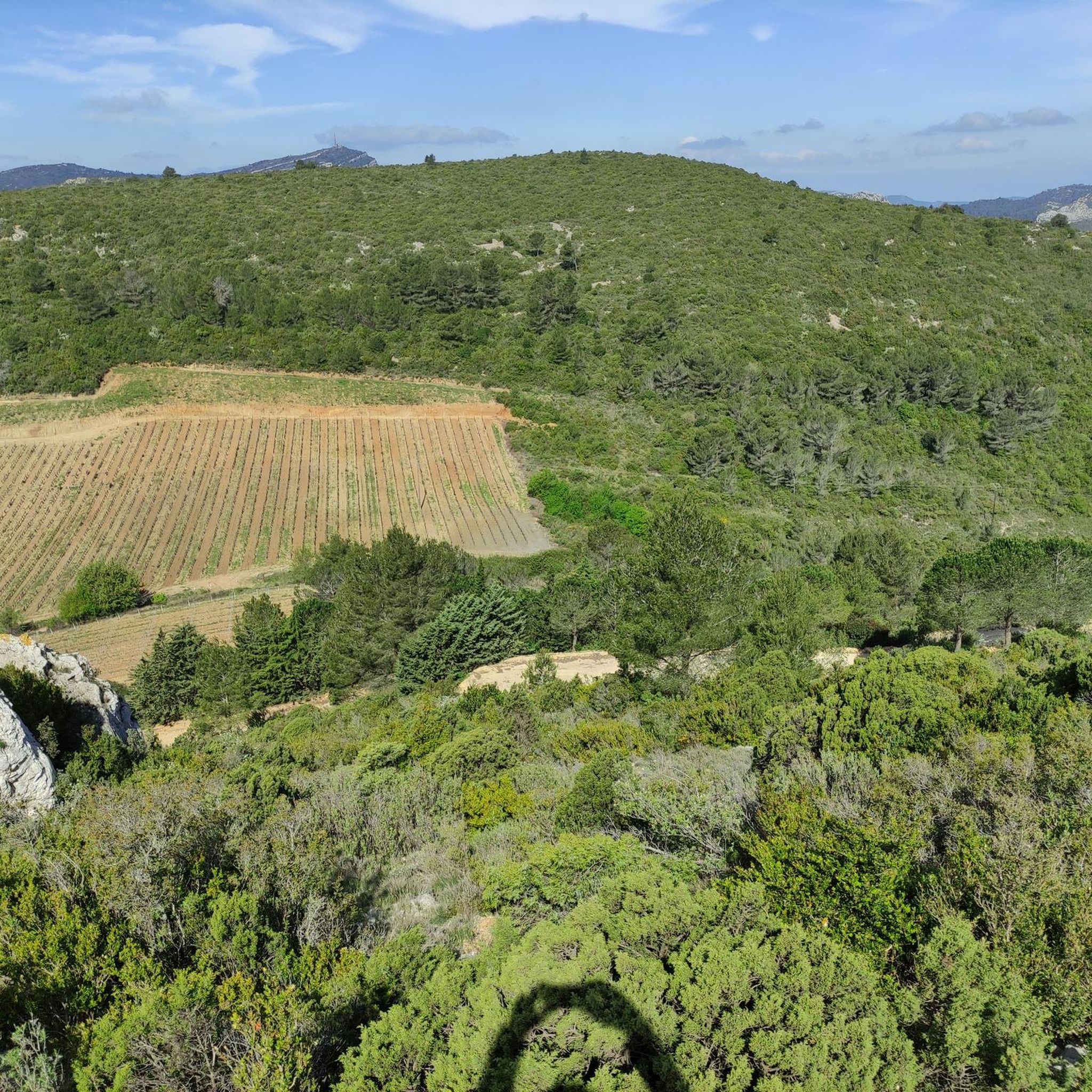
Interesting elevation that rises above the Doul pond. From the top you have an open and very beautiful view of the lagoon system that goes from Gruissan to the cliffs of Cap Leucate
1
1

The Doul pond is a magnificent 37-hectare body of water of tectonic origin. It is the saltiest of the French Mediterranean ponds, which is why an old saltworks is attached to it.
0
0

A probably ancient pool the water is clear and wonderfully refreshing.
1
0

If you can still enjoy the landscape while running, you've come to the right place 👌🏼 Invites you to linger 😊. Greetings Marcus
1
0

The left ascent is covered with rubble, but the right path is easy to walk and the ascent is worth it.
0
0

Wonderful views of the Étang de Bages, which invite you to stroll and linger
1
1
Frequently Asked Questions
What are the most popular natural monuments around Villesèque-Des-Corbières?
Visitors frequently enjoy the unique Étang du Doul, known as the saltiest of French Mediterranean ponds. Another favorite is the View of the Étang de Bages-Sigean, offering expansive panoramic views. The impressive Le Trou de la Caune cave also attracts many explorers.
Are there family-friendly natural monuments in the area?
Yes, both the Étang du Doul and the View of the Étang de Bages-Sigean are considered family-friendly. The Étang du Doul is a unique saline pond, while the viewpoint offers stunning vistas that can be enjoyed by all ages.
What kind of outdoor activities can I do near these natural monuments?
The region offers diverse outdoor activities. You can explore numerous hiking trails, including a moderate 7 km route like the Beautiful view – Narbonnaise Wind Farm loop. For mountain biking enthusiasts, there are routes such as the Durban Castle loop. Gravel biking is also popular, with options like the Leucate Lighthouse loop.
Are there any notable gorges or unique geological formations to visit?
Absolutely. The Corbières massif is rich in dramatic landscapes. You can visit the recognized Gorges de Turi or de Ripaud, or the more distant but spectacular Gorges de Galamus, known for its cliffs and a hermitage built into the rock. The Gouffre de l'Œil Doux is another unique geological feature, possibly a sinkhole with striking clear water.
What is the best time of year to visit the natural monuments around Villesèque-Des-Corbières?
The spring and autumn months generally offer the most pleasant weather for exploring the natural monuments, with milder temperatures ideal for hiking and outdoor activities. Summer can be quite hot, though coastal areas like Étang de Leucate might offer a refreshing breeze. Always check local weather conditions before your visit.
Can I find panoramic viewpoints in the Villesèque-Des-Corbières area?
Yes, the region boasts several excellent viewpoints. The View of the Étang de Bages-Sigean provides extensive vistas over the lagoon. For a truly exceptional experience, the Pic du Pied du Poul, despite its modest altitude, offers a 360-degree panorama of the Mediterranean, the étangs, the Corbières, and even the Pyrenees on a clear day.
Are there any natural sites with historical significance?
Yes, the area combines natural beauty with history. Le Carla de Fontjoncouse and Roc de Malpas, near Fontjoncouse, served as Bronze Age lookouts. Ascending Roc Carla reveals evidence of settlements over 4000 years old at its summit, offering both natural exploration and a glimpse into ancient history.
Where can I experience diverse ecosystems, like forests and lagoons?
The region offers a variety of ecosystems. The Forêt de Fontfroide, located about 12 km away, is a significant natural forest area. For coastal ecosystems and birdwatching, the Étang de Leucate, approximately 22 km distant, provides a different natural landscape with its lagoon environment.
What makes the Plateau Oriental de Villesèque-des-Corbières important?
The Plateau Oriental de Villesèque-des-Corbières is recognized as a ZNIEFF (Natural Zone of Ecological, Faunistic, and Floristic Interest) of type 1. This designation highlights its significant biodiversity and ecological importance, covering a vast area of 3,272 hectares, making it a crucial habitat for local flora and fauna.
Are there any less crowded natural attractions in the Villesèque-Des-Corbières region?
While popular spots can attract visitors, exploring areas like the Gorges de Turi or de Ripaud, which are recognized natural sites, or the vast Plateau Oriental de Villesèque-des-Corbières (a ZNIEFF area), might offer a more tranquil experience due to their expansive nature and less direct tourist infrastructure compared to well-known viewpoints or specific highlights.
What should I bring for a visit to the natural monuments?
For exploring the natural monuments, especially if you plan to hike or visit caves like Le Trou de la Caune, it's advisable to wear sturdy footwear. Depending on the activity, consider bringing water, sun protection, and appropriate gear. For cave exploration, suitable equipment might be beneficial.
Most popular routes around Villesèque-Des-Corbières
Most popular attractions around Villesèque-Des-Corbières

Get inspired with the komoot mobile app


Explore more
Extend your search for the best caves by checking out these guides of the top ones around Villesèque-Des-Corbières:
