Top 16 Natural Monuments around Wollmeringen
Natural monuments around Wollmeringen present a diverse landscape for exploration, featuring unique geological formations and protected natural areas. The region includes sites where nature has re-established itself, such as former mining areas now characterized by distinctive red rocks and rich biodiversity. Visitors can discover a range of natural features, including forests, springs, and extensive orchards. These natural attractions provide opportunities for hiking and observing local flora and fauna.
Best natural monuments around Wollmeringen
- The most popular natural monuments is Red…
Last updated: June 21, 2026
Altenhoven Orchard Nature Reserve
Highlight • Natural Monument
Tip by

Pfälzerbeschquelle
Highlight • Natural Monument
Translated by Google •
Tip by

Sign up now to discover places like this
Get recommendations on the best single tracks, peaks, & plenty of other exciting outdoor places.
Sign up for free
Red Rocks
Highlight • Natural Monument
Wonderful trails between these stone giants
Translated by Google •
Tip by

Red Cliff of the Former Iron Mine
Highlight • Natural Monument
Translated by Google •
Tip by

Red Rock Cliffs of Terres Rouges
Highlight • Natural Monument
Translated by Google •
Tip by

Sign up for free to discover even more natural monuments around Wollmeringen.
Sign up for free
Already have an account?
Start today with a free account
Your next adventure awaits.
Login or Signup
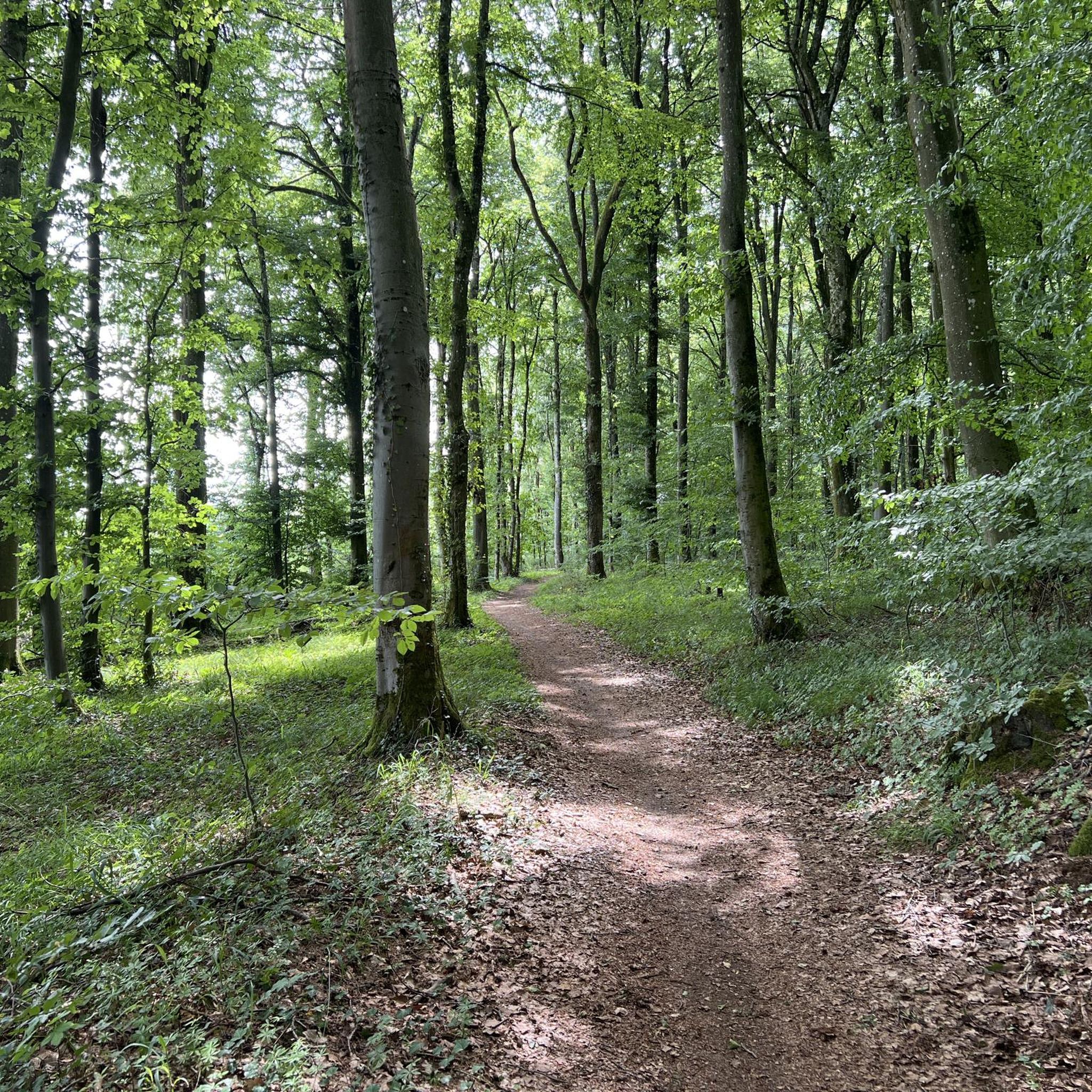
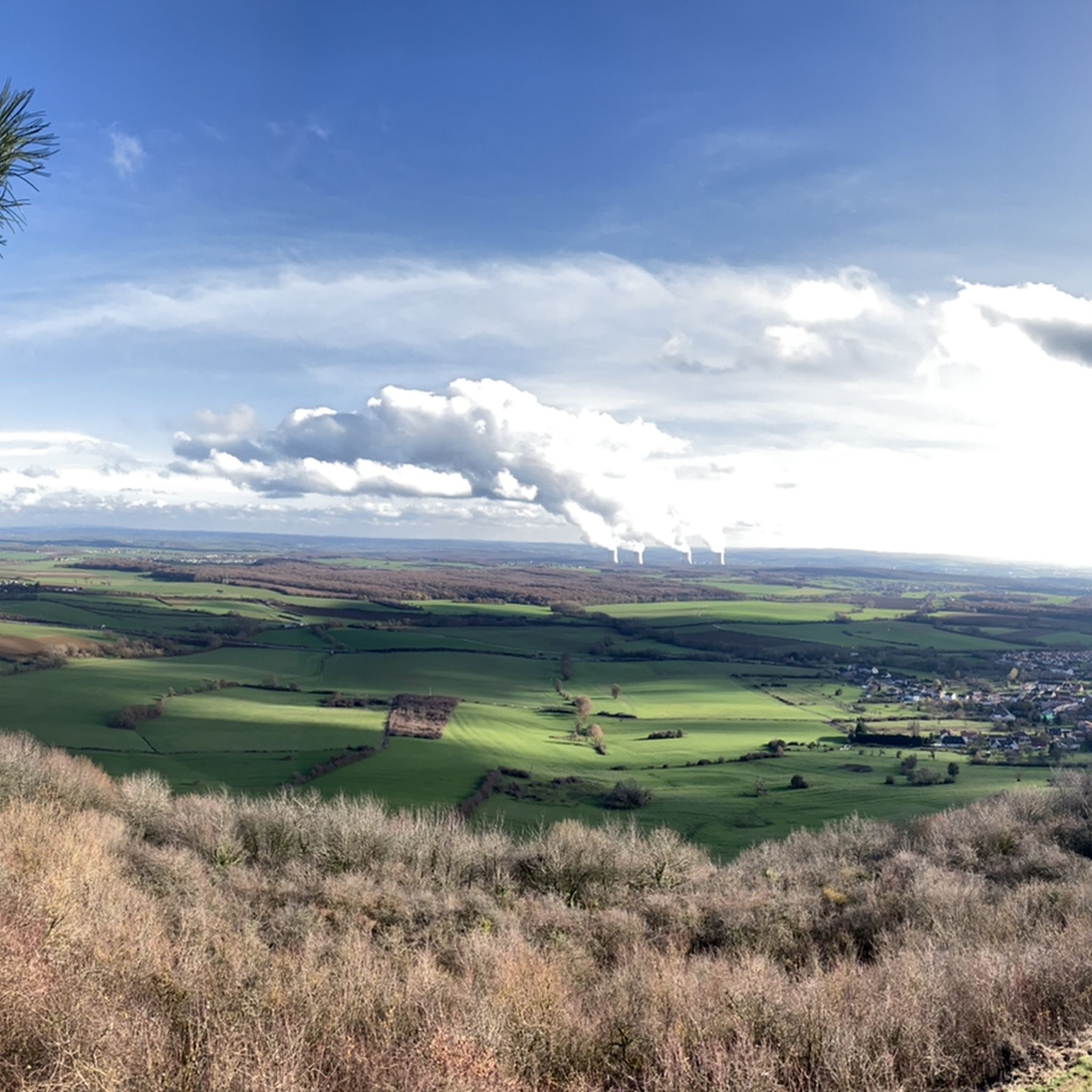
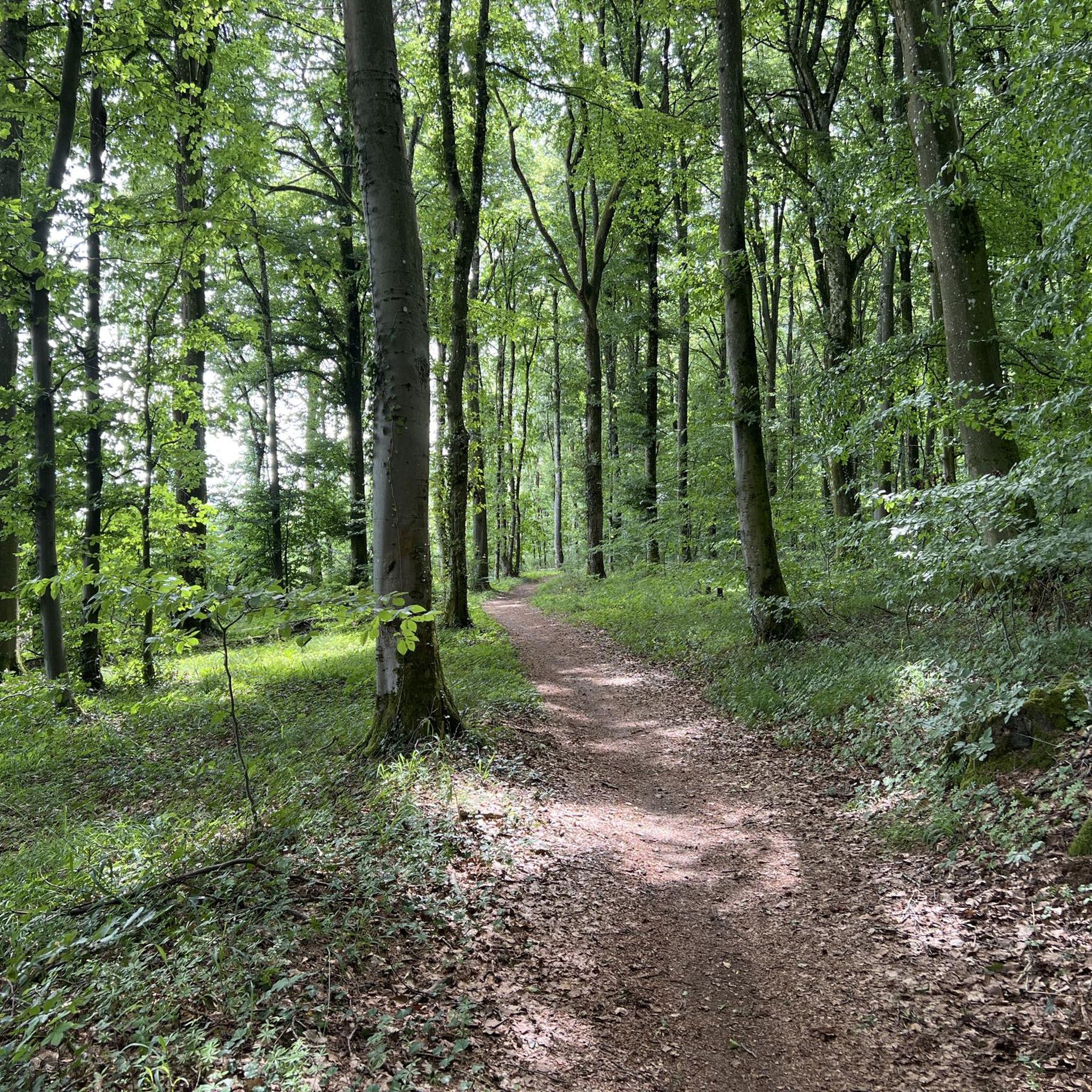
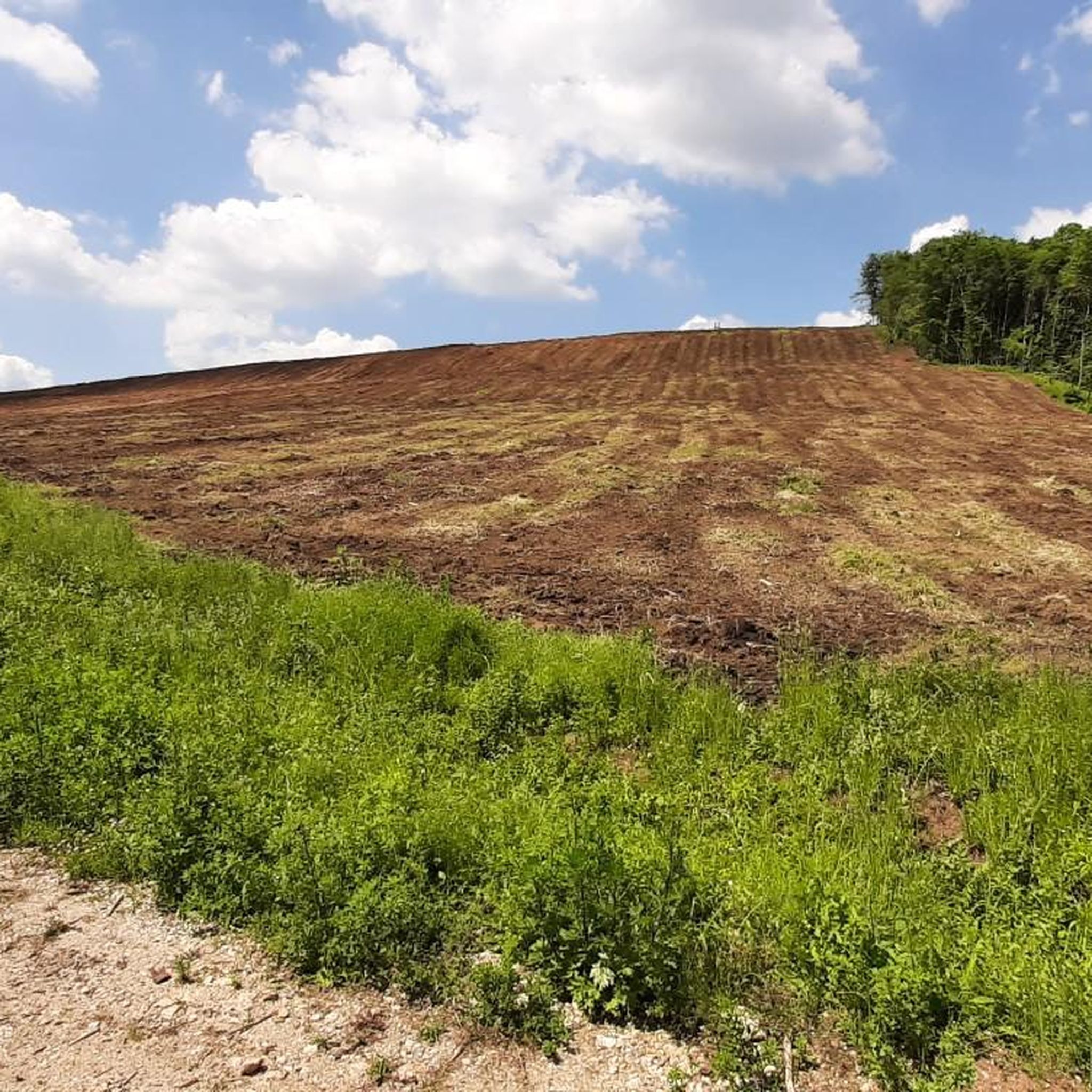
Tips from the Community

Intense red, rugged cliffs rise up next to the cycle path. The color is due to the ore. Really special!
1
0

In the south of the Grand Duchy of Luxembourg lies the land of red earth, called Minett by the Luxembourgers. The region owes its name to the strong red of the ore that was used at the beginning of the iron and steel industry in Luxembourg during the period of industrialization. Source: Luxembourg.public.lu Beautiful cycling and hiking path. Parking spaces directly at the mining museum
0
0

Super flowing trail with a cool Martian landscape.
2
1


If you don't get your money's worth here, you're doing something wrong! Great trails!
4
2

The steep wall was created by mining, but it is still a fascinating experience 👍
1
0

Very nicely laid out and signposted paths through the past.
4
0
Frequently Asked Questions
What unique natural features can I expect to see around Wollmeringen?
The region around Wollmeringen is characterized by diverse natural features, including unique geological formations like the striking red rocks, rewilded former mining areas now rich in biodiversity, and tranquil forest springs. You'll find landscapes shaped by both ancient geological processes and more recent industrial history, where nature has reclaimed its space.
Are there any natural monuments with historical significance?
Yes, the region has natural monuments that also tell a story of its industrial past. For instance, the Red Cliff of the Former Iron Mine offers insights into the area's ore mining history, with remnants of the mining operations still visible alongside scenic views. Similarly, the Brucherbierg-Lallengerbierg Nature Reserve is a former mining site where nature has dramatically re-established itself.
What kind of wildlife can be observed in the natural monuments around Wollmeringen?
The rewilded areas, particularly the Brucherbierg-Lallengerbierg Nature Reserve, are known for their rich biodiversity. After mining ceased, this area transformed into a habitat for over 500 species of butterflies, alongside orchids and bats. The extensive orchards also support a variety of local flora and fauna.
Are there family-friendly natural monuments to visit?
Absolutely. The Altenhoven Orchard Nature Reserve is an excellent family-friendly option. It's the largest orchard of its kind in the Grand Duchy, covering 12.5 hectares with over 1200 high-stemmed fruit trees. It's a great place for relaxation and learning about nature, and they even host traditional 'orchard days' in autumn.
What are the best natural monuments for hiking with challenging trails?
For those seeking a challenge, the Red Rocks offer a unique hiking experience through a landscape shaped by geological processes, with challenging trails among the 'stone giants'. The Brucherbierg-Lallengerbierg Nature Reserve also features challenging trails through its rewilded terrain.
Are there any natural springs or water features to visit?
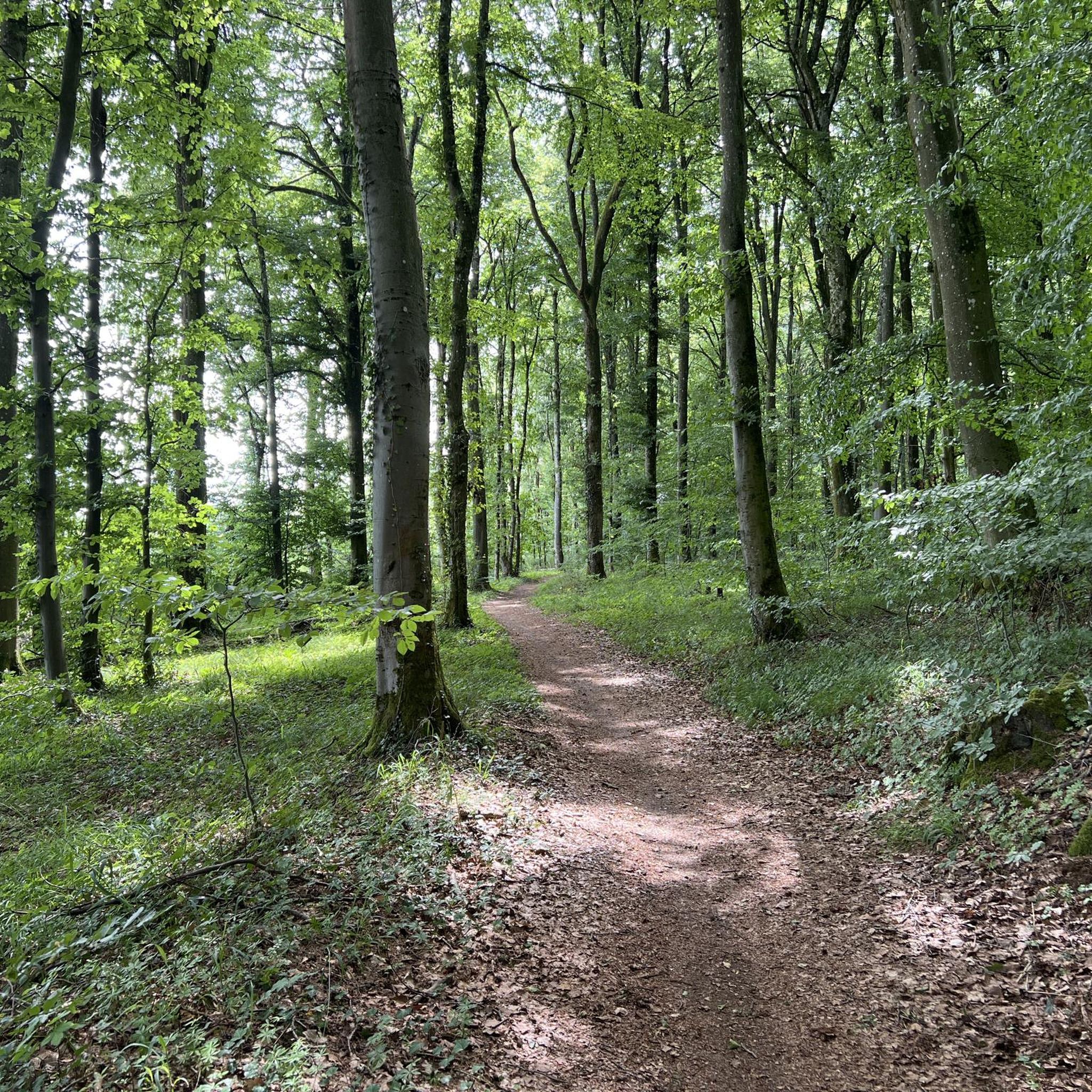
Yes, the Pfälzerbeschquelle is a beautifully bordered spring located in the middle of the forest. It offers crystal-clear water and a serene atmosphere, making it a refreshing stop during an exhausting tour.
What outdoor activities can I do near the natural monuments around Wollmeringen?
Beyond exploring the natural monuments themselves, the area offers various outdoor activities. You can find numerous running trails, such as the 'Sentier des Crêts d'Alger loop', and challenging MTB trails like the 'Arbed Industrial Wagon – Red Rocks loop'. Cycling routes are also available, including the 'Op der Haardt Cliff, Dudelange loop'. For more details on these activities, check out the Running Trails around Wollmeringen, MTB Trails around Wollmeringen, and Cycling around Wollmeringen guides.
Is there a specific natural phenomenon to look out for in the region?
While not directly in Wollmeringen, the nearby Altschloss Rocks are famous for the 'Felsenglühen' or 'rock glow' phenomenon. In April, about an hour before sunset on a cloudless day, the rocks appear to glow with intense colors, offering a truly spectacular and serene visual experience.
What is the best time to visit the natural monuments around Wollmeringen?
The best time to visit depends on your interests. Spring and autumn offer pleasant temperatures for hiking and exploring. If you're interested in the 'rock glow' phenomenon at the Altschloss Rocks, April is the ideal month. For the 'orchard days' at the Altenhoven Orchard Nature Reserve, plan your visit for October and November.
Are the natural monuments around Wollmeringen suitable for dog-friendly walks?
Many natural areas and trails around Wollmeringen are suitable for walks with dogs, provided they are kept on a leash and you follow local regulations. Areas like the Altenhoven Orchard Nature Reserve and forest trails offer ample space for you and your canine companion to enjoy nature.
How long should I plan for a visit to the natural monuments?
The duration of your visit can vary greatly. For a quick stop at a viewpoint like the Red Cliff of the Former Iron Mine, an hour might suffice. However, to fully explore areas like the Brucherbierg-Lallengerbierg Nature Reserve or hike the trails around the Red Rocks, you could easily spend half a day or more, depending on the length and difficulty of your chosen route.
Most popular routes around Wollmeringen
Most popular attractions around Wollmeringen

Get inspired with the komoot mobile app


Explore more
Extend your search for the best caves by checking out these guides of the top ones around Wollmeringen:
