Top 5 Natural Monuments around Buire-Sur-L'Ancre
Best natural monuments around Buire-Sur-L'Ancre provide access to significant natural sites in the Hauts-de-France region. The area is characterized by the Ancre River, which flows through the commune, and its wide, humid valley. Regional natural sites, such as the Réserve Naturelle de l'Étang Saint-Ladre, offer diverse wetlands, ponds, and unique floating vegetation. These locations provide opportunities for appreciating the local environment and its ecological significance.
Best natural monuments around Buire-Sur-L'Ancre
- The most popular natural monument is Lochnagar Crater, a man-made monument that is the largest World War I mine crater on the Western Front. It was created by a massive explosion marking the start of the Battle of the Somme.
- Another must-see spot is Les Étangs de la Barette, a lake featuring large artificial ponds and wetlands. Visitors can observe diverse flora and fauna, including the unique Blue Fountains, which are water springs with a chalky bottom.
- Visitors also love Dorsetshire Regiment Monument, a man-made monument commemorating the 5th Battalion of the Dorsetshire Regiment. It is located in a picturesque area, offering views of the countryside and insights into its historical significance.
- Buire-Sur-L'Ancre is known for its historical craters, serene lakes, and war memorials. The region offers a variety of natural monuments to see and explore, blending natural beauty with historical significance.
- The natural monuments around Buire-Sur-L'Ancre are appreciated by the komoot community, with more than 30 upvotes and over 50 photos shared by visitors.
Last updated: July 5, 2026
Lochnagar Crater
Highlight • Monument
Interestingly, the crater was named after Lochnagar Street, the trench from which the tunnel was dug. The crater is now a preserved site of remembrance and a religious service is held there every year on 1 July in memory of those who died.
Translated by Google •
Tip by

Les Étangs de la Barette
Highlight • Lake
Translated by Google •
Tip by

Sign up now to discover places like this
Get recommendations on the best single tracks, peaks, & plenty of other exciting outdoor places.
Sign up for free
Dorsetshire Regiment Monument
Highlight • Monument
Translated by Google •
Tip by
La Boisselle Mine Crater
Highlight • Historical Site
Translated by Google •
Tip by
Start today with a free account
Your next adventure awaits.
Login or Signup




Tips from the Community

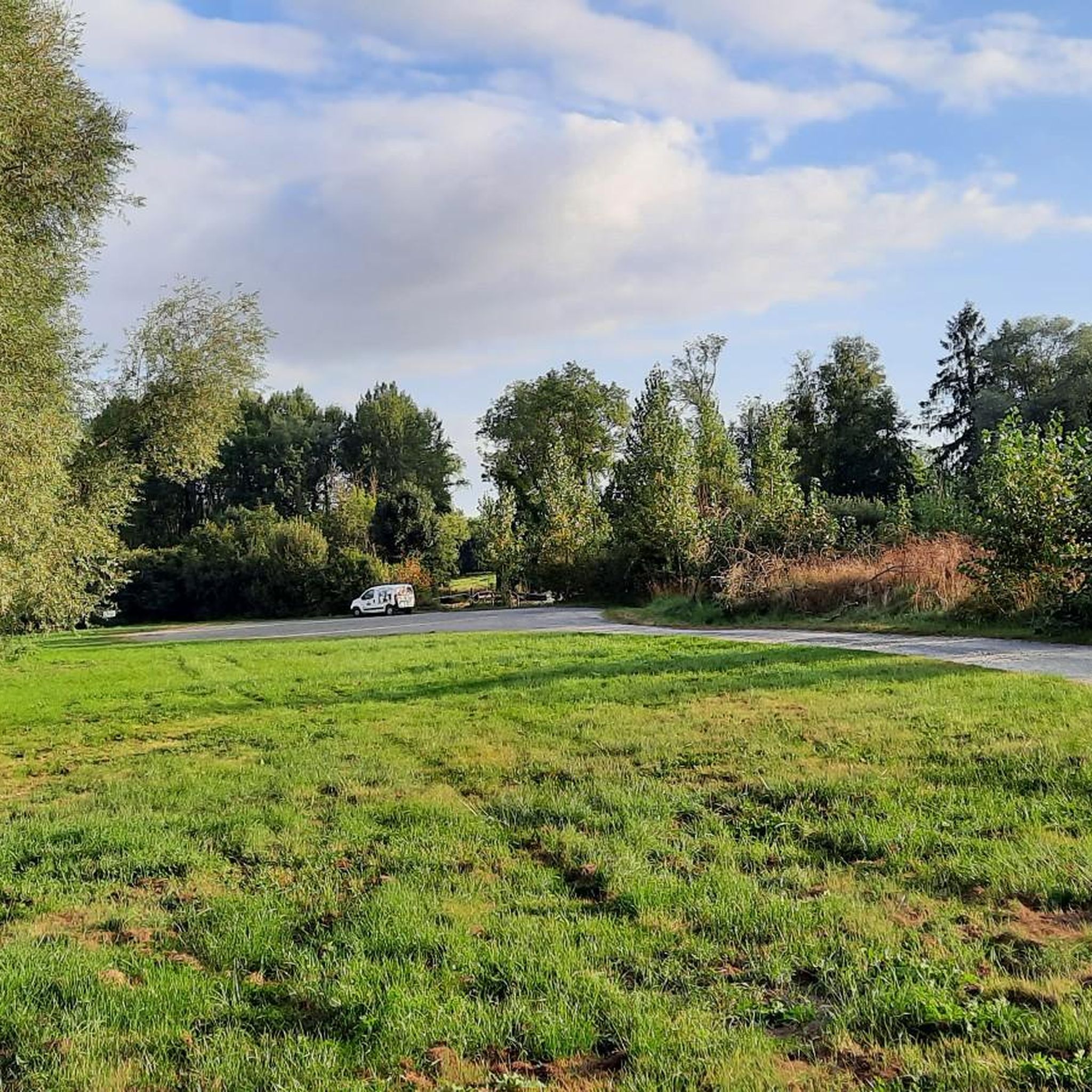
Nice view of the ponds and the villa "Les étangs".
0
0

The Cratère de Lochnagar, an impressive war memorial, was created by a huge mine blown up by the British Royal Engineers on 1 July 1916, as part of the Battle of the Somme. The explosion marked the beginning of the battle and left a crater 90 metres in diameter and 25 metres deep. Interestingly, the crater was named after Lochnagar Street, the trench from which the tunnel was dug. The crater is now a preserved site of remembrance and a religious service is held there every year on 1 July in memory of those who died.
8
0

Just off the road to Bapaume, is the site of the grand mine. At 7am on the 1st July 1916 the biggest explosion in history cause this hole o e of several that marked the start of the Battle of the Somme. Well worth a visit.
0
0

Very moving place of memory. Never forget 💮.
1
0

Enormous crater! Should you take with you on the tour: few are so well preserved and accessible.
2
0
An impressive example of the power of destruction: 100 years later, you still stand at this crater and can't imagine what really happened here. Well documented and can also be visited by groups, the area has space for stay and exchange.
3
0

Lochnagar Crater is the largest man-made World War I mine crater on the Western Front, created by a massive explosion that marked the start of the Battle of the Somme in 1916. You can tour the crater on a walk , discover history through information panels and pay tribute to the men and women who suffered during the Great War. The Lochnagar Crater Foundation organizes annual commemoration ceremonies and maintains the site as a memorial.
5
0
Lochnagar Crater is the largest artificial mine crater of the First World War on the Western Front. It was created by a massive explosion of 60,000 pounds of explosives under German lines on July 1, 1916, the first day of the Battle of the Somme. You can tour the crater and discover its history thanks to the information panels. You can also pay your respects to fallen soldiers by visiting the memorial cross and memorial plaques.
2
0
Frequently Asked Questions
What are some significant natural monuments to visit around Buire-sur-l'Ancre?
Around Buire-sur-l'Ancre, you can explore a blend of natural beauty and historical significance. Key sites include the Les Étangs de la Barette, known for its artificial ponds, wetlands, and unique Blue Fountains. Another important natural area is the Réserve Naturelle de l'Étang Saint-Ladre, offering diverse wetlands and rich wildlife. For a historical perspective, the Lochnagar Crater, a massive World War I mine crater, is also considered a natural monument in the region.
Are there family-friendly natural monuments in the area?
Yes, several natural monuments around Buire-sur-l'Ancre are suitable for families. Les Étangs de la Barette is a great option, offering easy walks and opportunities to observe flora and fauna. The Réserve Naturelle de l'Étang Saint-Ladre features a circular walking trail with pontoons and viewpoints, accessible even for people with reduced mobility, making it ideal for all ages. Historical sites like the Lochnagar Crater also offer educational experiences for older children.
What kind of natural features can I expect to see?
The region is characterized by its waterways and wetlands. You'll find large artificial ponds and wetlands at Les Étangs de la Barette, including the distinctive Blue Fountains. The Réserve Naturelle de l'Étang Saint-Ladre showcases diverse wetlands, reed beds, and unique 'tremblants' (floating vegetation rafts). The Ancre River itself, which flows through Buire-sur-l'Ancre, offers picturesque riverbanks and natural springs, especially near its sources.
What historical sites are considered natural monuments in this region?
The area around Buire-sur-l'Ancre uniquely blends natural landscapes with significant historical sites, particularly from World War I. The Lochnagar Crater and La Boisselle Mine Crater are prime examples. These massive craters, formed by explosions during the Battle of the Somme, are now preserved as poignant natural monuments and sites of remembrance. The Dorsetshire Regiment Monument also offers historical insights within a scenic natural setting.
Are there hiking trails near these natural monuments?
Yes, there are various hiking opportunities. The Réserve Naturelle de l'Étang Saint-Ladre features a well-maintained circular walking trail. You can also find pleasant walks along the Ancre River. For more structured routes, explore the hiking guide around Buire-Sur-L'Ancre, which includes trails like the 'Towpath Along the Somme River loop from Heilly' and routes connecting historical sites such as the 'Somme Trench Museum – Dorsetshire Regiment Monument loop from Albert'.
What outdoor activities can I do near the natural monuments?
Beyond hiking, the region offers opportunities for cycling and mountain biking. You can cycle along the Ancre River or explore the wetlands. For specific routes, check out the MTB Trails around Buire-Sur-L'Ancre or the Gravel biking guide around Buire-Sur-L'Ancre. These guides feature routes like the 'Marais des Bœufs – Towpath loop from Corbie' and longer rides that pass by various natural and historical points of interest.
What is the best time to visit the natural monuments around Buire-sur-l'Ancre?
The natural monuments are generally enjoyable year-round. Spring and autumn offer pleasant temperatures for walking and observing wildlife, especially birds and insects at sites like the Réserve Naturelle de l'Étang Saint-Ladre. Summer is ideal for longer days outdoors, while winter can provide a serene, quiet experience, though some trails might be muddy. Always check local conditions before your visit.
Can I spot wildlife at these natural sites?
Absolutely. The Réserve Naturelle de l'Étang Saint-Ladre is a haven for wildlife, boasting 27 species of dragonflies, 8 orthopteran species, and 18 very rare butterfly species. Birdwatchers can spot kingfishers, bluethroats, and numerous marsh-nesting birds. The wetlands of Les Étangs de la Barette also support diverse flora and fauna.
Are there any accessible natural sites for visitors with reduced mobility?
Yes, the Réserve Naturelle de l'Étang Saint-Ladre is designed with accessibility in mind. It features a circular walking trail with pontoons, viewpoints, and footbridges, allowing visitors to explore the diverse habitats comfortably. Educational panels along the path enhance the experience for everyone.
What do visitors enjoy most about the natural monuments around Buire-sur-l'Ancre?
Visitors frequently appreciate the unique combination of natural beauty and profound historical significance. The tranquility of the wetlands at Les Étangs de la Barette and the rich biodiversity of the Réserve Naturelle de l'Étang Saint-Ladre are highly rated. The poignant history associated with sites like the Lochnagar Crater also leaves a lasting impression, offering a unique blend of nature and remembrance.
Where can I find the sources of the Ancre River?
The Ancre River officially originates in Miraumont. While the river flows through Buire-sur-l'Ancre, exploring the 'Sources de l'Ancre' near Miraumont is a specific point of interest for those wishing to see the very beginning of this local waterway. The river's course is fed by numerous small springs, adding to its natural charm.
Are there any hidden gems among the natural monuments?
While not strictly 'hidden,' the unique 'tremblants' (floating rafts of vegetation) found within the Réserve Naturelle de l'Étang Saint-Ladre are a fascinating and less commonly known natural phenomenon. These gradually acidifying rafts host specialized plant species, offering a truly distinctive ecological experience for those who delve deeper into the reserve.
Most popular routes around Buire-Sur-L'Ancre
Most popular attractions around Buire-Sur-L'Ancre

Get inspired with the komoot mobile app


Explore more
Extend your search for the best caves by checking out these guides of the top ones around Buire-Sur-L'Ancre:
