Top 8 Natural Monuments around Fressenneville
Natural monuments around Fressenneville offer a diverse landscape in the Somme department of France. The region is characterized by its coastal features, including dramatic chalk cliffs and unique natural areas. Fressenneville is situated near the Baie de Somme, providing access to both woodland and marine environments. This area presents a blend of geological formations and protected natural sites for exploration.
Best natural monuments around Fressenneville
- The most popular natural monument is La Cise Cliff, a natural monument that features impressive white chalk cliffs. These cliffs are composed of chalk from the Upper Cretaceous period, with flint nodules highlighting stratification planes.
- Another must-see spot is Ault Chalk Cliffs, a natural monument and beach. These cliffs mark the transition from sandy beaches to dramatic cliff faces.
- Visitors also love Cliffs of Ault, a natural monument with intermediate difficulty. The site is notable for where the Normandy cliffs begin to rise, offering expansive views.
- Fressenneville is known for its natural monuments, beaches, and viewpoints. The area offers a variety of natural monuments to see and explore, from geological formations to coastal vistas.
- The natural monuments around Fressenneville are appreciated by the komoot community, with more than 290 upvotes and 110 photos shared across the highlights.
Last updated: July 5, 2026
Ault Chalk Cliffs
Highlight • Natural Monument
france-voyage.com/frankrijk-steden/ault-31863.htm
Translated by Google •
Tip by

La Cise Cliff
Highlight • Natural Monument
Flint horizons are stratigraphic markers. On the cliffs of Ault, the regular flint band called Seven Sisters is recognizable and characterizes the boundary between the Middle Coniacian and the Upper Coniacian (around 87 million years ago). The boundary between the lower and middle Coniacian is marked by the Shoreham 2 marl level, which is more difficult to identify. These lithostratigraphic markings allow in particular the correlation of distant deposits, such as between the Normandy and Picardy coasts, or between the French and English coasts.
Translated by Google •
Tip by

Sign up now to discover places like this
Get recommendations on the best single tracks, peaks, & plenty of other exciting outdoor places.
Sign up for free
Bois de Cise
Highlight • Forest
This coastal wood was originally a wild wood which became a place for hunting with hounds. Bois de Cise was then sold in the form of lots, by a visionary who would stop at no means.
Today, it is a charming vacation spot and stroll, best discovered on foot along the small paths and wooden stairs that line the site. Very pretty villas bear witness to the prosperous years before the First World War.
Like Victor Hugo in his time, don't forget to go to the panorama. Fantastic viewpoint where you can see the Baie de Somme estuary.
Translated by Google •
Tip by

Cliffs of Ault
Highlight • Natural Monument
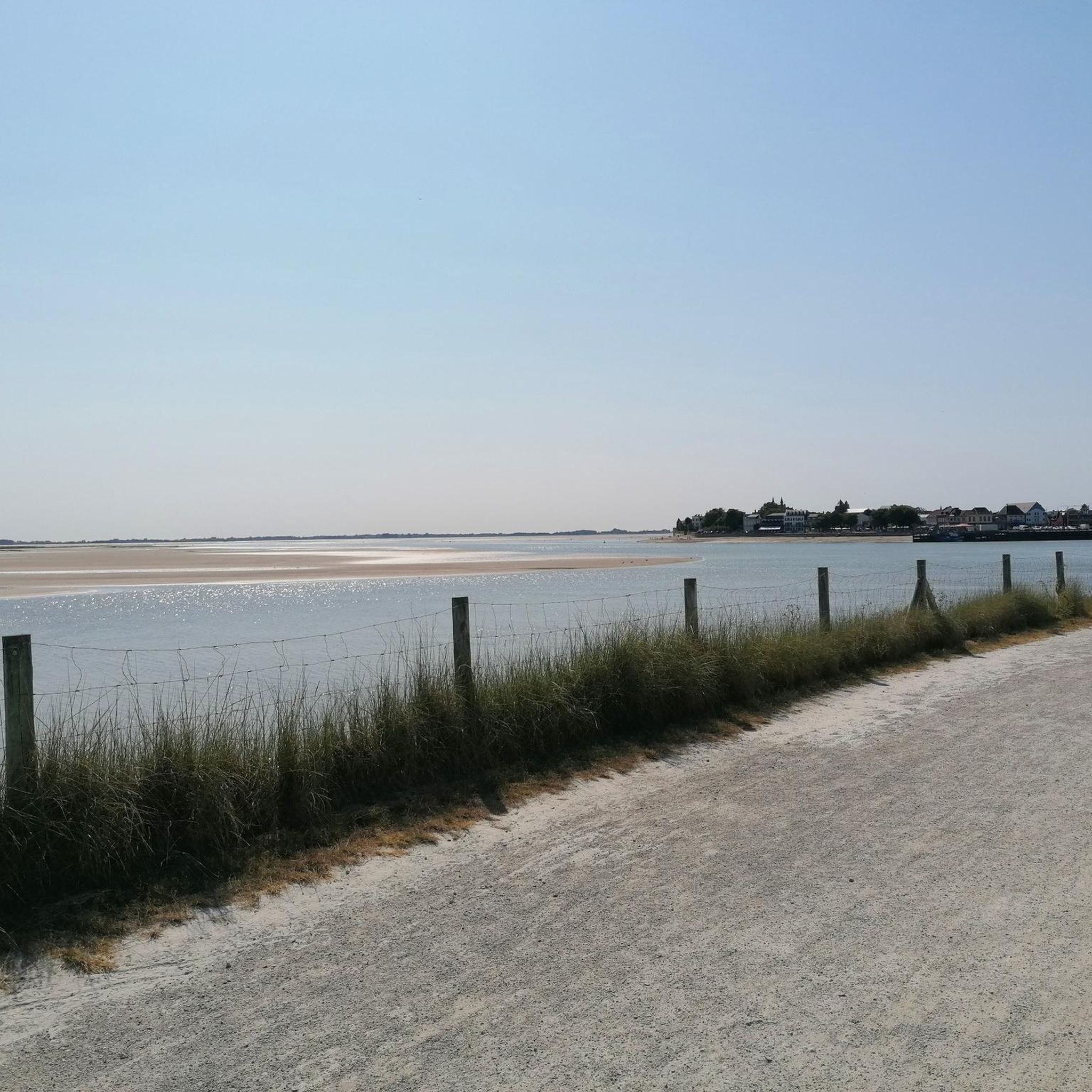
Even if the city has lost its splendor, the site is impressive, because to the north, the plain of the Bay of Somme extends, and to the west, the cliffs as far as Le Havre.
In my photo, unfortunately, I was not able to capture a beautiful light, but believe me, this is the land of exceptional lights.
Have a nice ride everyone.
Translated by Google •
Tip by

View of Onival Beach and the Ault Cliffs
Highlight • Viewpoint
Translated by Google •
Tip by

Sign up for free to discover even more natural monuments around Fressenneville.
Sign up for free
Already have an account?
Start today with a free account
Your next adventure awaits.
Login or Signup

Tips from the Community


The cliffs are made of chalk and are impressive to look at.
3
0
Here in Ault begin the chalk cliffs, which stretch all the way to Normandy and repeatedly appear as enormous cliffs.
4
0


The cliffs around the beach of Ault are composed of chalk from the Upper Cretaceous, more precisely from the Turonian and Coniacian (around 83 million years ago to 90 million years ago). They are strewn with flint nodules which highlight the subhorizontal stratification planes (the formation of flint has already been discussed in Discovery of the geology of the cliffs of Étretat, presentation of an excursion from the beach of Tilleul (Antifer) to the Porte d'Amont (Étretat Nord)). The relative proportion of chalk and flint is around 90-95% chalk to 5-10% flint. Flint horizons are stratigraphic markers. On the cliffs of Ault, the regular flint band called Seven Sisters is recognizable and characterizes the boundary between the Middle Coniacian and the Upper Coniacian (around 87 million years ago). The boundary between the lower and middle Coniacian is marked by the Shoreham 2 marl level, which is more difficult to identify. These lithostratigraphic markings allow in particular the correlation of distant deposits, such as between the Normandy and Picardy coasts, or between the French and English coasts.
3
0
A green setting in the heart of the cliffs, classified as a picturesque area since 1959. The Bois de Cise is an exceptional natural area, a small natural forest, originally wild and abandoned, which became a famous seaside resort during the Belle Époque under the leadership of a visionary who stopped at nothing. This coastal forest was originally a wild forest and a hunting ground in the Middle Ages. At the end of the 19th century, the Bois de Cise was sold off in lots on the initiative of a property developer and became a famous seaside resort of the Belle Époque. Today, it is a charming holiday and walking area that is best explored on foot via the narrow paths and wooden steps that crisscross the area. Very beautiful villas bear witness to the prosperous years before the First World War. Don't forget to go to the panorama, like Victor Hugo in his time, a fantastic viewpoint from which you can see the mouth of the Bay of Somme.
0
0
The cliffs around the beach of Ault are composed of chalk from the Upper Cretaceous, more precisely from the Turonian and Coniacian (around 83 million years ago to 90 million years ago). They are strewn with flint nodules which highlight the subhorizontal stratification planes (the formation of flint has already been discussed in Discovery of the geology of the cliffs of Étretat, presentation of an excursion from the beach of Tilleul (Antifer) to the Porte d'Amont (Étretat Nord)). The relative proportion of chalk and flint is around 90-95% chalk to 5-10% flint. Flint horizons are stratigraphic markers. On the cliffs of Ault, the regular flint band called Seven Sisters is recognizable and characterizes the boundary between the Middle Coniacian and the Upper Coniacian (around 87 million years ago). The boundary between the lower and middle Coniacian is marked by the Shoreham 2 marl level, which is more difficult to identify. These lithostratigraphic markings allow in particular the correlation of distant deposits, such as between the Normandy and Picardy coasts, or between the French and English coasts.
2
0
Frequently Asked Questions
What kind of natural landscapes can I expect to see around Fressenneville?
The region around Fressenneville offers a diverse landscape, primarily characterized by dramatic coastal features. You'll find impressive white chalk cliffs, such as the La Cise Cliff and the Ault Chalk Cliffs, which mark the transition from sandy beaches to rugged cliff faces. Additionally, there are unique natural areas like the Bois de Cise, a picturesque site with lush greenery, ancient trees, and Belle Époque villas, offering a green contrast to the stark cliffs.
What are the main geological features of the natural monuments near Fressenneville?
The prominent geological features are the white chalk cliffs, including La Cise Cliff and the Cliffs of Ault. These cliffs are composed of chalk from the Upper Cretaceous period (around 83 to 90 million years ago), interspersed with flint nodules that highlight horizontal stratification planes. The proportion is typically 90-95% chalk to 5-10% flint, making for a visually striking and geologically significant landscape.
Are there hiking trails available at the Ault Chalk Cliffs?
Yes, the Ault Chalk Cliffs offer excellent opportunities for hiking. You can follow coastal paths for breathtaking views from above, or explore at the foot of the cliffs during low tide with a nature guide to discover marine life and fossils. Be aware that some passages, especially around La Cise Cliff, can be very steep, and the limestone rock is subject to erosion.
What kind of outdoor activities are popular near Fressenneville's natural monuments?
Beyond exploring the natural monuments themselves, the area is great for various outdoor activities. You can enjoy scenic walks through the Bois de Cise, offering numerous narrow paths and wooden staircases. For more active pursuits, there are gravel biking routes, road cycling routes, and running trails available. You can find more details on these activities in the Gravel biking around Fressenneville, Road Cycling Routes around Fressenneville, and Running Trails around Fressenneville guides.
What is the difficulty level of trails around the natural monuments?
The difficulty varies. Many paths in the Bois de Cise are suitable for relaxing strolls. However, trails along the cliffs, such as those near La Cise Cliff and the Cliffs of Ault, are often rated as intermediate to challenging due to steep sections and uneven terrain. Always check local signage and be prepared for changing conditions, especially near the eroding cliff edges.
Are there family-friendly natural monuments or activities near Fressenneville?
Yes, the area offers options for families. The Bois de Cise, with its lush greenery and numerous paths, is ideal for leisurely family walks. Near the Bois de Cise beach access, there's even a garden with a children's playground. The View of Onival Beach and the Ault Cliffs is also listed as family-friendly, offering expansive views and a beach area.
Are the natural monuments around Fressenneville accessible for people with disabilities or strollers?
While some viewpoints and village areas might be accessible, many of the natural monuments, especially the cliff paths and the narrow, sometimes steep, trails within the Bois de Cise, may not be suitable for wheelchairs or strollers due to uneven terrain, stairs, and natural erosion. It's best to check specific locations for accessibility details before visiting.
When is the best time of year to visit the natural monuments near Fressenneville?
The natural monuments can be enjoyed year-round, but spring and summer offer the most pleasant weather for outdoor activities. In spring, the Bois de Cise is particularly beautiful with carpets of hyacinths and daffodils. Summer provides warmer temperatures for coastal walks and beach activities. Always check local weather conditions, as coastal areas can be windy.
Where can I find parking when visiting the natural monuments?
Parking is generally available in the villages adjacent to the natural sites, such as Ault. For instance, when visiting the Ault Chalk Cliffs or the Bois de Cise, you can typically find parking in Ault Plage or near the village center. Specific trailheads may also have designated parking areas. It's advisable to look for local signage upon arrival.
What do visitors enjoy the most about the natural monuments around Fressenneville?
Visitors frequently praise the dramatic beauty of the white chalk cliffs, especially the panoramic views from spots like the View of Onival Beach and the Ault Cliffs. The unique geological formations, the contrast between the green Bois de Cise and the stark cliffs, and the opportunity for scenic coastal walks are also highly appreciated. The area is noted for its impressive sites where the Normandy cliffs begin, offering exceptional light and expansive vistas.
Can I bring my dog on the trails around the natural monuments?
While many natural areas in France are dog-friendly, specific rules can vary. The Bois de Cise and coastal paths are generally suitable for dogs on a leash. However, for protected areas like the Hâble d'Ault nature reserve, or areas with sensitive wildlife, there might be restrictions or requirements to keep dogs on a very short leash. Always look for local signage regarding pet policies.
Are there any unique natural features to look out for at the Hâble d'Ault?
Yes, The Hâble d'Ault Route highlights a unique lowland area isolated from the sea by a pebble bead. This area is historically shaped for waterfowl hunters and is home to diverse bird species like mallards, shovelers, and mute swans. The pebble areas also host rare pioneer habitats and plants adapted to the absence of soil, such as sea cabbage, making it a significant ecological site.
Most popular routes around Fressenneville
Most popular attractions around Fressenneville

Get inspired with the komoot mobile app


Explore more
Extend your search for the best caves by checking out these guides of the top ones around Fressenneville:
