Top 12 Natural Monuments around Pendé
Best natural monuments around Pendé are found within a region characterized by its proximity to the Bay of Somme, a significant natural habitat in Hauts-de-France, France. This area is largely encompassed by the Regional Natural Park Baie de Somme Picardie Maritime, offering diverse ecosystems. The landscape features extensive wetlands, dunes, and chalk cliffs, providing ecological significance and scenic appeal.
Best natural monuments around Pendé
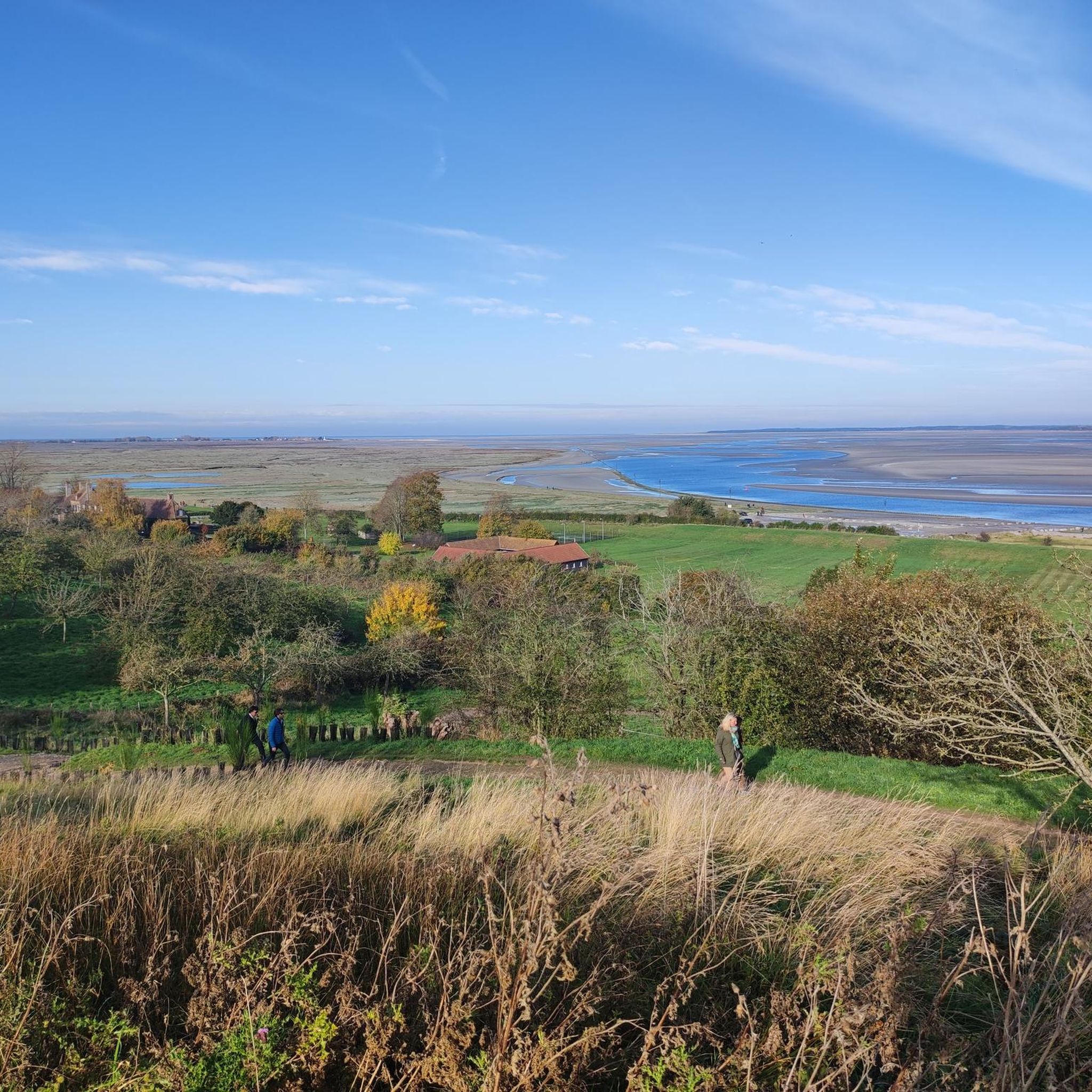
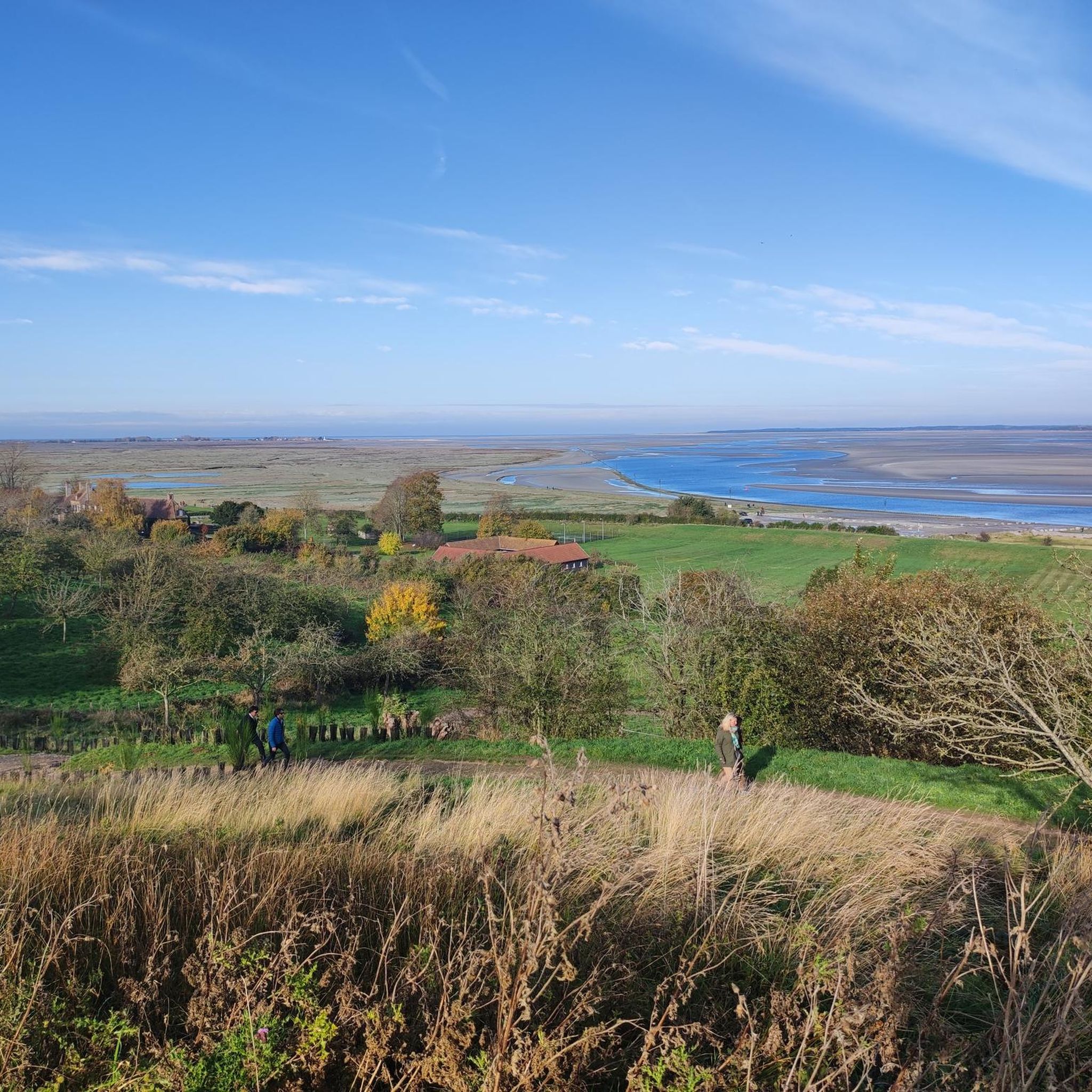
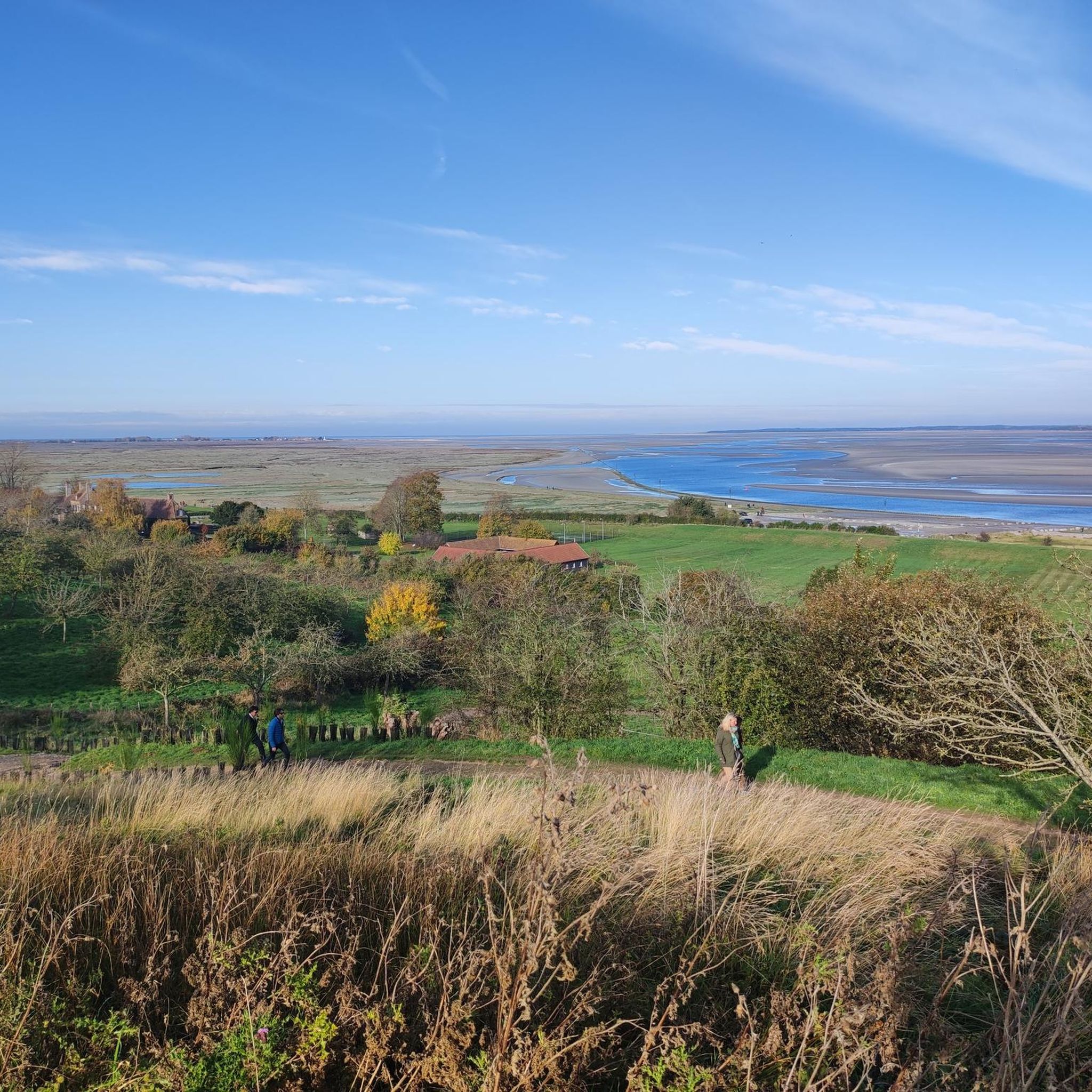
- The most popular natural monuments is Cape Hornu, a beach that is a cape located near Saint-Valery-sur-Somme, offering panoramic views of the Bay of Somme and its wildlife. Its distinctive shape, referred to by the Picard word 'hornu,' provides an excellent vantage point for coastal scenery.
- Another must-see spot is Cliffs of Ault, a natural monument where the chalk cliffs begin their stretch towards Normandy. Visitors can experience impressive natural formations and expansive views of the Bay of Somme plain.
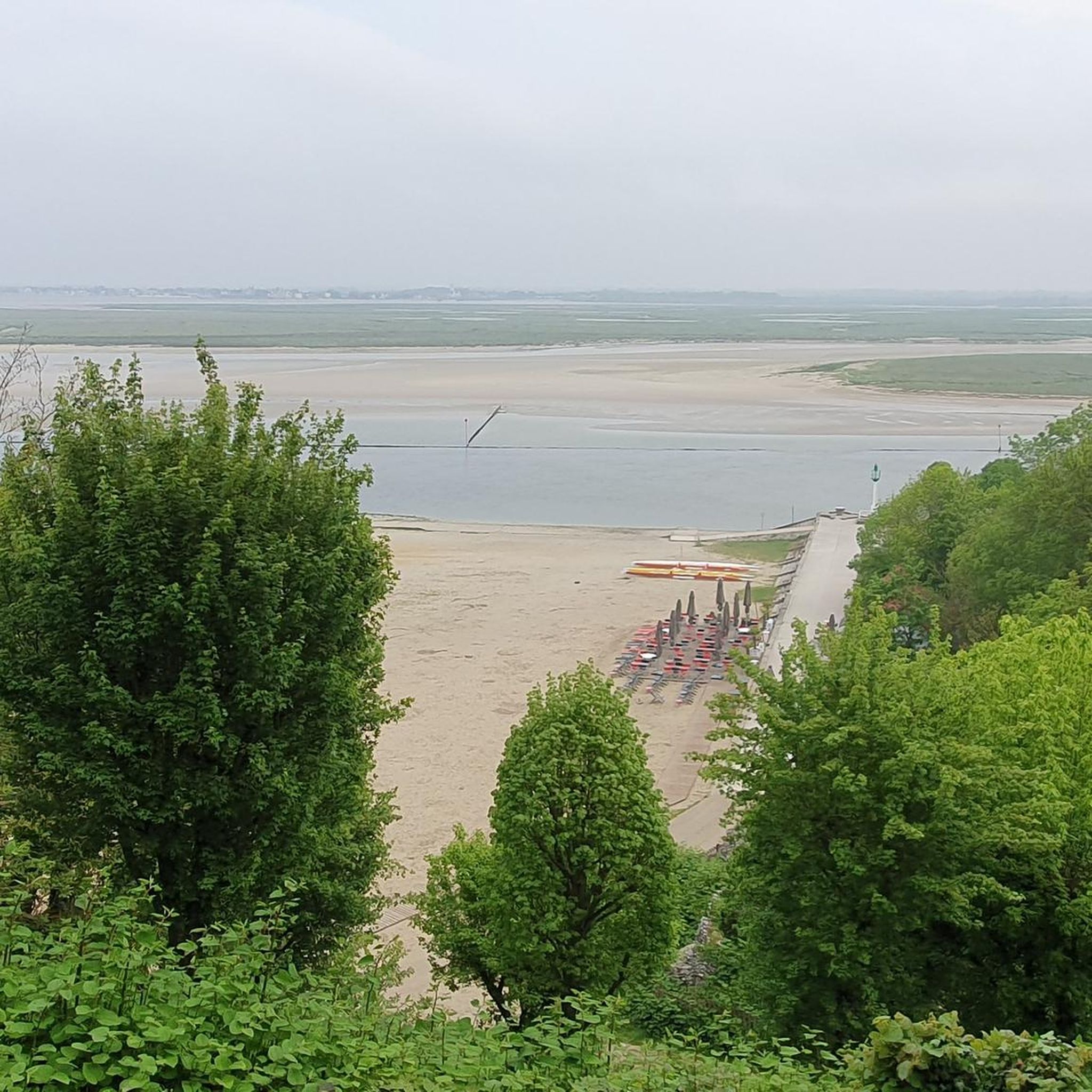
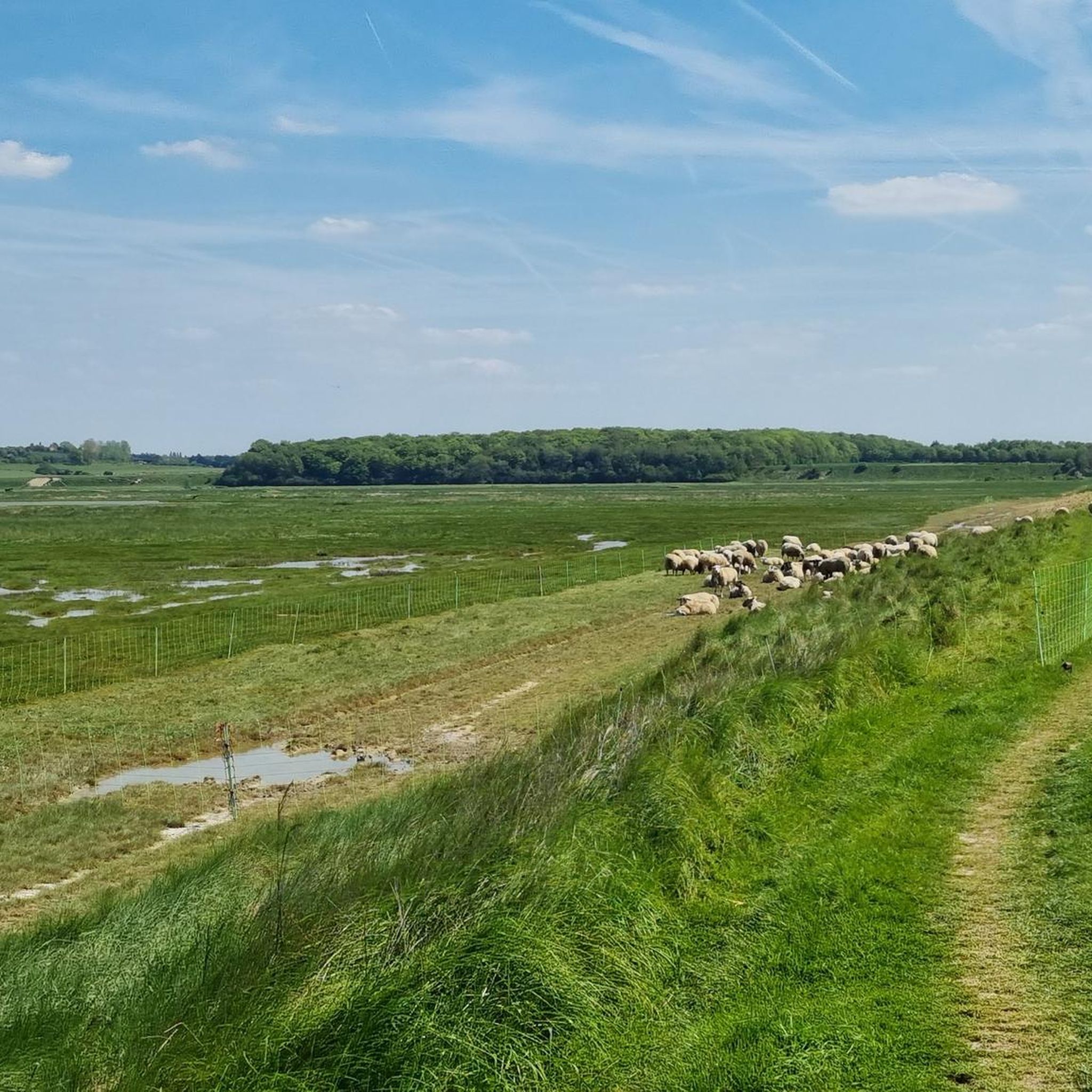
- Visitors also love Baie de Somme, a beach and significant nature reserve known for its extensive wetlands, dunes, and salt marshes. This bay is a haven for migratory birds and marine life, including seals, offering diverse ecosystems.
- Pendé is known for its beaches, chalk cliffs, and expansive bays. The region offers a mix of coastal formations, bird sanctuaries, and unique marshlands to explore.
- The natural monuments around Pendé are appreciated by the komoot community, with more than 240 upvotes and 45 photos shared by visitors.
Last updated: May 7, 2026
Cape Hornu
Highlight • Beach
The name Cap Hornu comes from the Picard word “hornu”, which means “horned” or “pointed”, and refers to the shape of the cape. The cape was also known as Cap Saint-Valery in the past.
The history of Cap Hornu is closely linked to that of Saint-Valery-sur-Somme, which was a strategic port and a medieval town that witnessed many historical events. In 1066, William the Conqueror departed from Saint-Valery-sur-Somme with his fleet to invade England. In 1431, Joan of Arc was imprisoned in Saint-Valery-sur-Somme before being transferred to Rouen. In 1568, a massacre of Huguenots took place in Saint-Valery-sur-Somme after a battle between Catholics and Protestants
Tip by

Cliffs of Ault
Highlight • Natural Monument
Even if the city has lost its splendor, the site is impressive, because to the north, the plain of the Bay of Somme extends, and to the west, the cliffs as far as Le Havre.
In my photo, unfortunately, I was not able to capture a beautiful light, but believe me, this is the land of exceptional lights.
Have a nice ride everyone.
Translated by Google •
Tip by

Sign up now to discover places like this
Get recommendations on the best single tracks, peaks, & plenty of other exciting outdoor places.
Sign up for free
Baie de Somme
Highlight • Beach
Translated by Google •
Tip by

The Hâble d'Ault Route
Highlight (Segment) • Beach
A wetland historically shaped by and for waterfowl hunters, the Hâble d'Ault and its gravel pits are home to mallards, shovelers, summer teals, pochard and tufted scaups, mute swans, crested lapwings, wagtails, sandpipers and knights gambettes ...
The pebble areas are home to pioneer habitats rare in continental Europe, and plants adapted to the absence of soil, such as the nationally protected sea cabbage.
conservatoire-du-littoral.fr/siteLittoral/173/28-hable-d-ault-80_somme.htm
Translated by Google •
Tip by

Panoramic view of Marquenterre Park
Highlight • Viewpoint
Translated by Google •
Tip by

Sign up for free to discover even more natural monuments around Pendé.
Sign up for free
Already have an account?
Start today with a free account
Your next adventure awaits.
Login or Signup

Tips from the Community

A gravel path. A bit monotonous and technically challenging to ride on a bike. Wide tires are essential, and suspension is helpful. The view is fantastic. The cliffs of Ault are in front of you, the sea is to your right, and the nature reserve (salt marshes) is to your left, with many seabirds, horses, and other wildlife.
0
0

Here in Ault begin the chalk cliffs, which stretch all the way to Normandy and repeatedly appear as enormous cliffs.
4
0
The bay of summer, on our trip it was low tide.
6
0

The cliffs around the beach of Ault are composed of chalk from the Upper Cretaceous, more precisely from the Turonian and Coniacian (around 83 million years ago to 90 million years ago). They are strewn with flint nodules which highlight the subhorizontal stratification planes (the formation of flint has already been discussed in Discovery of the geology of the cliffs of Étretat, presentation of an excursion from the beach of Tilleul (Antifer) to the Porte d'Amont (Étretat Nord)). The relative proportion of chalk and flint is around 90-95% chalk to 5-10% flint. Flint horizons are stratigraphic markers. On the cliffs of Ault, the regular flint band called Seven Sisters is recognizable and characterizes the boundary between the Middle Coniacian and the Upper Coniacian (around 87 million years ago). The boundary between the lower and middle Coniacian is marked by the Shoreham 2 marl level, which is more difficult to identify. These lithostratigraphic markings allow in particular the correlation of distant deposits, such as between the Normandy and Picardy coasts, or between the French and English coasts.
3
0

Great panorama, but also depressing how fleeting everything is.
0
0

Stork not very afraid of our presence seen on the side of the road.
0
0

The town of Ault is located in a valley (a small valley which was created in a setback of cliffs). The succession of white chalk cliffs continues on the Normandy coast.
3
0

If you're looking for a breathtaking view of the Parc du Marquenterre, a nature reserve that hosts hundreds of migratory birds, don't miss this belvedere where a wooden platform offers a 360-degree view of the park and the Bay of Somme . It is the ideal place to enjoy the beauty and tranquility of nature.
2
0
Frequently Asked Questions
What kind of natural features can I expect to see around Pendé?
The region around Pendé is characterized by its diverse coastal landscape, primarily within the Regional Natural Park Baie de Somme Picardie Maritime. You'll find extensive wetlands, dunes, and salt marshes, which are significant habitats for wildlife. Notable features include the impressive chalk cliffs, such as the Cliffs of Ault, and the expansive Baie de Somme itself, known for its unique ecosystems.
Are there family-friendly natural monuments to visit near Pendé?
Yes, several natural spots around Pendé are suitable for families. The Cape Hornu offers panoramic views of the Bay of Somme and its wildlife, making it an engaging spot for all ages. The Baie de Somme is also considered family-friendly, providing opportunities to observe migratory birds and seals. Additionally, the Panoramic view of Marquenterre Park offers a 360-degree vista of a nature reserve teeming with birds, which can be fascinating for children.
What wildlife can I observe in the natural monuments around Pendé?
The natural monuments around Pendé, especially within the Baie de Somme and its surrounding areas, are rich in wildlife. The bay is a significant haven for migratory birds, and you can often spot seals along its shores. The Parc du Marquenterre, visible from the Panoramic view of Marquenterre Park, is a renowned bird sanctuary. The Le Crotoy Municipal Marsh, though not a highlight in this guide, is known for its biodiversity, including storks, swans, ponies, Highland cows, and green tree frogs.
What historical significance do the natural monuments near Pendé hold?
While primarily natural sites, some areas near Pendé have historical connections. Cape Hornu, near Saint-Valery-sur-Somme, is linked to the town's rich history, including its role as a strategic port and medieval town. Saint-Valery-sur-Somme was where William the Conqueror departed for England in 1066, and Joan of Arc was imprisoned there in 1431. The area also has ancient roots, with a hermitage established by Saint Valery in the 7th century.
Are there hiking trails near the natural monuments around Pendé?
Yes, the region offers various hiking opportunities. You can find numerous trails that allow you to explore the coastal landscapes and natural monuments. For detailed routes, you can check the Hiking around Pendé guide, which includes options like the 'Le Hourdel Lighthouse loop' and the 'Cape Hornu loop'.
What other outdoor activities can I do near these natural monuments?
Beyond hiking, the area around Pendé is excellent for other outdoor activities. You can find routes for running, such as those listed in the Running Trails around Pendé guide, including loops around the 'Sailors' Chapel' and 'Somme Bay'. Mountain biking is also popular, with trails like the 'Somme Bay – Saint-Valery-sur-Somme loop' available in the MTB Trails around Pendé guide. The White Route of the Bay of Somme is ideal for leisurely strolls and cycling.
What is the best time to visit the natural monuments around Pendé?
The Bay of Somme region, including its natural monuments, is beautiful year-round. However, spring and autumn are particularly popular for birdwatching due to migratory patterns. Summer offers pleasant weather for coastal walks and enjoying the beaches. Even in winter, the landscapes can be dramatic, and some bird species are still present.
What do visitors enjoy most about the natural monuments around Pendé?
Visitors frequently praise the breathtaking views and the tranquility of nature. The panoramic vistas from spots like Cape Hornu and the Panoramic view of Marquenterre Park are highly appreciated. The unique natural formations of the Cliffs of Ault and the rich biodiversity of the Baie de Somme also receive high acclaim, with many enjoying the opportunity to observe wildlife.
Are there any natural monuments around Pendé that are particularly good for photography?
Absolutely. The entire Bay of Somme region offers stunning photographic opportunities. The Cliffs of Ault are known for their impressive natural formations and expansive views, especially at certain times of day when the light is exceptional. Cape Hornu provides panoramic shots of the bay, and the Baie de Somme itself, with its wetlands and diverse wildlife, is a paradise for nature photographers.
Can I find circular walks that include natural monuments near Pendé?
Yes, many of the hiking and running routes in the area are designed as loops, allowing for circular walks that take in various natural sights. For instance, the 'Le Hourdel Lighthouse loop' and 'Cape Hornu loop' are available for hikers, as detailed in the Hiking around Pendé guide. These routes often provide continuous access to the coast and opportunities to observe wildlife.
What is the Hâble d'Ault and what makes it a natural monument?
The Hâble d'Ault Route refers to a unique natural area characterized by lowlands isolated from the sea by a bead of pebbles. These pebbles originate from the slow erosion of the Pays de Caux cliffs. It's considered a natural monument due to its rare pioneer habitats, which support plants adapted to the absence of soil, such as the nationally protected sea cabbage. It's also a significant wetland for waterfowl, hosting various species like mallards, shovelers, and mute swans.
Most popular attractions around Pendé

Get inspired with the komoot mobile app


Explore more
Extend your search for the best caves by checking out these guides of the top ones around Pendé:
