Top 16 Natural Monuments around Lanchères
Best natural monuments around Lanchères include diverse natural landscapes, from coastal cliffs to significant wetlands. The region is recognized for its Lanchères communal marsh, an area noted for its exceptional biodiversity and ecological importance. Situated near the Bay of Somme, this location provides opportunities to observe varied plant and animal life. The natural monuments here contribute to the region's overall ecological richness.
Best natural monuments around Lanchères
- The most popular natural monument is La Cise Cliff, a natural monument…
Last updated: October 8, 2026
Ault Chalk Cliffs
Highlight • Natural Monument
Translated by Google •
Tip by

Cape Hornu
Highlight • Beach
The name Cap Hornu comes from the Picard word “hornu”, which means “horned” …
Tip by
Sign up now to discover places like this
Get recommendations on the best single tracks, peaks, & plenty of other exciting outdoor places.
La Cise Cliff
Highlight • Natural Monument
Translated by Google •
Tip by

Cliffs of Ault
Highlight • Natural Monument
Even if the city has lost its splendor, the site is impressive, because to the north, the plain of …
Translated by Google •
Tip by

Baie de Somme
Highlight • Beach
Translated by Google •
Tip by

Sign up for free to discover even more natural monuments around Lanchères.
Already have an account?
Start today with a free account
Your next adventure awaits.
Tips from the Community

The cliffs are made of chalk and are impressive to look at.
3
0
Here in Ault begin the chalk cliffs, which stretch all the way to Normandy and repeatedly appear as enormous cliffs.
4
0
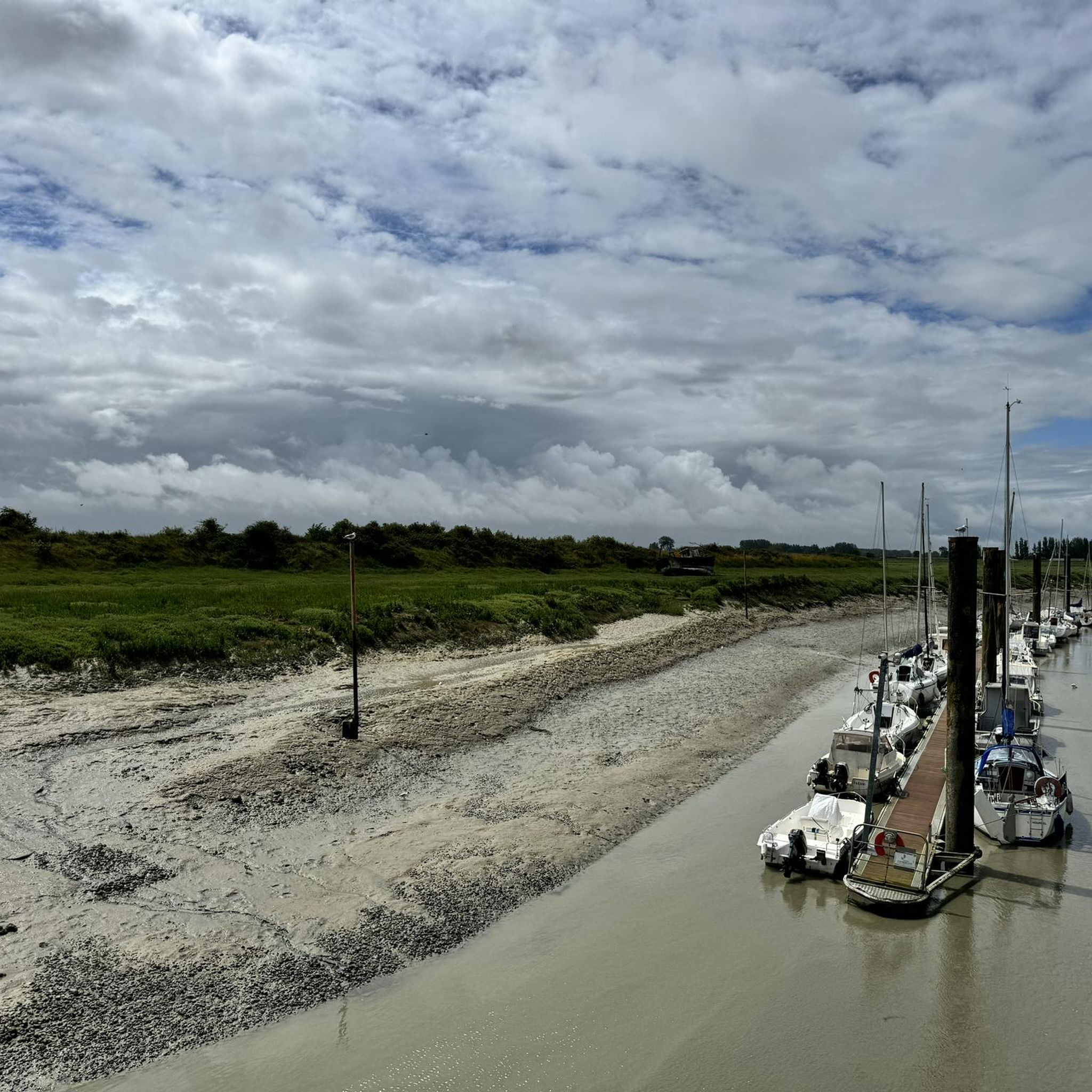
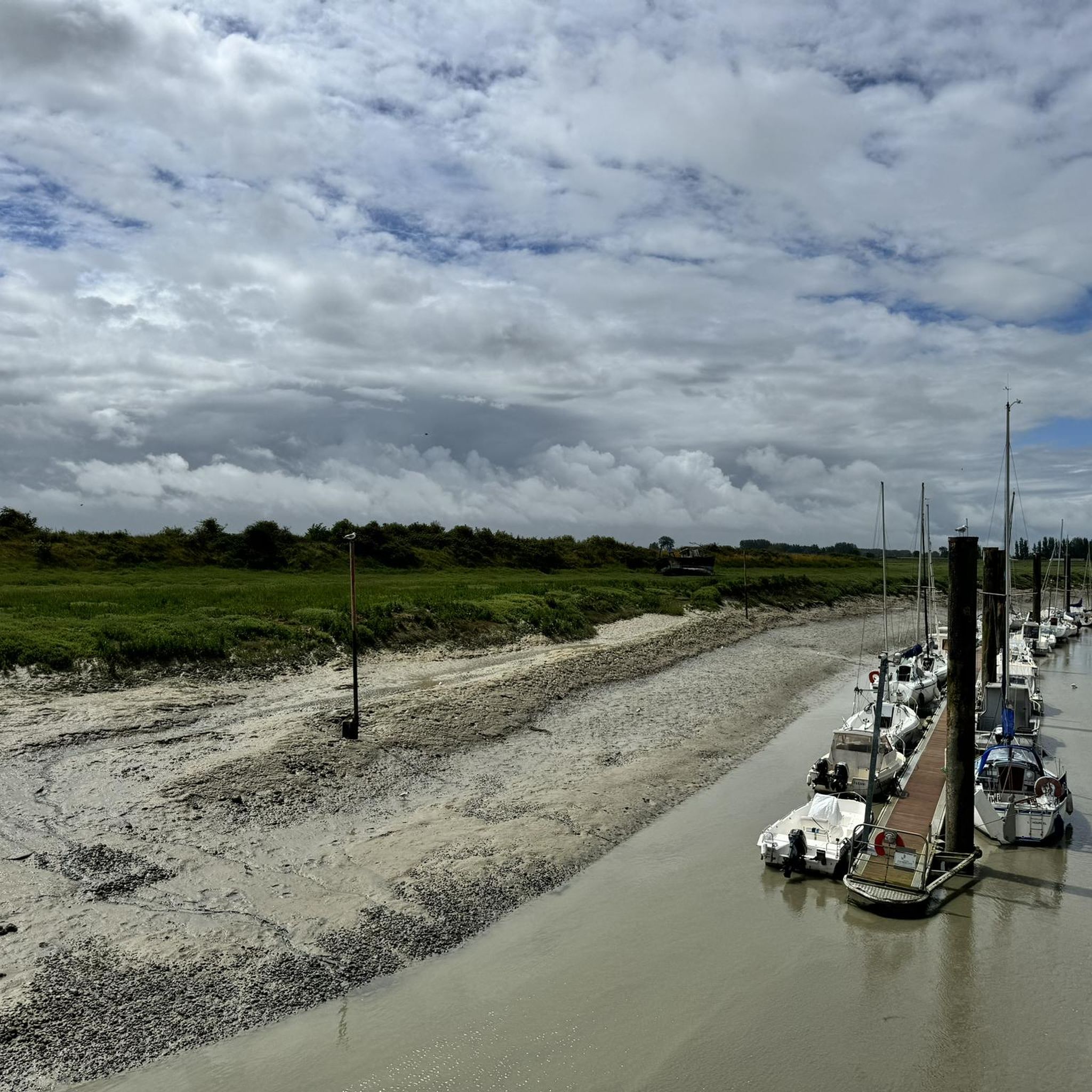
The bay of summer, on our trip it was low tide.
6
0


The cliffs around the beach of Ault are composed of chalk from the Upper Cretaceous, more precisely from the Turonian and Coniacian (around 83 million years ago to 90 million years ago). They are strewn with flint nodules which highlight the subhorizontal stratification planes (the formation of flint has already been discussed in Discovery of the geology of the cliffs of Étretat, presentation of an excursion from the beach of Tilleul (Antifer) to the Porte d'Amont (Étretat Nord)). The relative proportion of chalk and flint is around 90-95% chalk to 5-10% flint. Flint horizons are stratigraphic markers. On the cliffs of Ault, the regular flint band called Seven Sisters is recognizable and characterizes the boundary between the Middle Coniacian and the Upper Coniacian (around 87 million years ago). The boundary between the lower and middle Coniacian is marked by the Shoreham 2 marl level, which is more difficult to identify. These lithostratigraphic markings allow in particular the correlation of distant deposits, such as between the Normandy and Picardy coasts, or between the French and English coasts.
3
0
The cliffs around the beach of Ault are composed of chalk from the Upper Cretaceous, more precisely from the Turonian and Coniacian (around 83 million years ago to 90 million years ago). They are strewn with flint nodules which highlight the subhorizontal stratification planes (the formation of flint has already been discussed in Discovery of the geology of the cliffs of Étretat, presentation of an excursion from the beach of Tilleul (Antifer) to the Porte d'Amont (Étretat Nord)). The relative proportion of chalk and flint is around 90-95% chalk to 5-10% flint. Flint horizons are stratigraphic markers. On the cliffs of Ault, the regular flint band called Seven Sisters is recognizable and characterizes the boundary between the Middle Coniacian and the Upper Coniacian (around 87 million years ago). The boundary between the lower and middle Coniacian is marked by the Shoreham 2 marl level, which is more difficult to identify. These lithostratigraphic markings allow in particular the correlation of distant deposits, such as between the Normandy and Picardy coasts, or between the French and English coasts.
2
0
The cliffs around the beach of Ault are composed of chalk from the Upper Cretaceous, more precisely from the Turonian and Coniacian (around 83 million years ago to 90 million years ago). They are strewn with flint nodules which highlight the subhorizontal stratification planes (the formation of flint has already been discussed in Discovery of the geology of the cliffs of Étretat, presentation of an excursion from the beach of Tilleul (Antifer) to the Porte d'Amont (Étretat Nord)). The relative proportion of chalk and flint is around 90-95% chalk to 5-10% flint. Flint horizons are stratigraphic markers. On the cliffs of Ault, the regular flint band called Seven Sisters is recognizable and characterizes the boundary between the Middle Coniacian and the Upper Coniacian (around 87 million years ago). The boundary between the lower and middle Coniacian is marked by the Shoreham 2 marl level, which is more difficult to identify. These lithostratigraphic markings allow in particular the correlation of distant deposits, such as between the Normandy and Picardy coasts, or between the French and English coasts.
3
0

Ault is a beautiful place. Beautifully laid out paths above and below the impressive cliffs. The town center is perfect for relaxing. There are a few cafes and bistros for when you get a little hungry. There are benches everywhere where you can sit and enjoy a few minutes of peace and the wonderful views.
1
0
Frequently Asked Questions
What unique natural features can I explore around Lanchères?
The region around Lanchères is known for its diverse natural landscapes. You can explore significant wetlands like the Lanchères communal marsh, celebrated for its exceptional biodiversity. Additionally, the area features impressive chalk cliffs, such as the La Cise Cliff and the Ault Chalk Cliffs, which mark the beginning of the Normandy cliffs and offer panoramic views.
What kind of wildlife can be observed in the natural monuments near Lanchères?
The Lanchères communal marsh is a significant ecological site, home to a rich variety of plant and animal life. The nearby Cape Hornu also offers opportunities for wildlife observation, particularly birds and marine life given its panoramic views of the Bay of Somme. The Bay of Somme itself is rich in life forms, including marine animals, water birds, and seals.
Are there any significant geological formations to see near Lanchères?
Yes, the natural monuments around Lanchères are notable for their geological features. The La Cise Cliff and Ault Chalk Cliffs are composed of Upper Cretaceous chalk, featuring distinct flint nodules that highlight stratification planes. These formations provide insight into the region's ancient geological history.
What outdoor activities are available near the natural monuments around Lanchères?
You can enjoy a variety of outdoor activities. For running enthusiasts, there are several running trails around Lanchères, including moderate loops like the 'Bunker – Brighton Lighthouse loop from Le Crotoy'. Cyclists can explore gravel biking routes and road cycling routes, such as the 'Saint-Valery-sur-Somme Lock – Cycle path along the Canal Somme loop'.
Are the natural monuments around Lanchères suitable for families?
Yes, several natural monuments are family-friendly. Cape Hornu and the wider Baie de Somme are both categorized as family-friendly, offering accessible environments for all ages to enjoy the views and natural surroundings.
What is the best time of year to visit the natural monuments around Lanchères?
While specific seasonal data isn't provided, the region's focus on biodiversity and outdoor activities suggests that spring and summer would be ideal for wildlife observation and enjoying the trails. Events like the 'Discovery of the Lanchères communal marsh' are organized, offering insights into the environment, which might be seasonal. Checking local event calendars could provide more precise timing for guided experiences.
Are there any historical or cultural sites near the natural monuments?
Yes, the area around Lanchères has historical significance. Cape Hornu, for instance, is not only known for its panoramic views but also for its historical ties to Saint-Valery-sur-Somme, a medieval town with a rich past, including connections to William the Conqueror and Joan of Arc. You can explore the town's ancient ramparts and colorful houses nearby.
What do visitors enjoy most about the natural monuments around Lanchères?
Visitors particularly appreciate the stunning coastal views and the unique geological formations. The chalk cliffs, such as those at Ault and La Cise, are frequently highlighted for their impressive appearance. The opportunity to observe diverse wildlife in the Lanchères communal marsh and the Bay of Somme also draws many visitors.
Are there educational opportunities related to the Lanchères communal marsh?
Yes, the Lanchères communal marsh offers educational opportunities. Events such as 'Discovery of the Lanchères communal marsh' are organized, providing insights into environmental management and the roles of various stakeholders in its preservation. These guided experiences are a great way to learn about the unique wetland ecosystem.
How difficult are the trails near the natural monuments around Lanchères?
The difficulty of trails varies. For example, the hike along the La Cise Cliff is described as challenging, with some very steep passages due to the limestone rock being subject to erosion. However, many of the nearby running and cycling routes, such as those found in the running trails around Lanchères guide, are rated as moderate.
Can I find cafes or pubs near the natural monuments?
While specific cafes or pubs directly adjacent to every natural monument are not detailed, the proximity of Lanchères to the charming village of Ault and the town of Saint-Valery-sur-Somme (near Cape Hornu) suggests that dining options would be available in these nearby settlements.
Are there any natural monuments that offer particularly good panoramic views?
Absolutely. Cape Hornu is renowned for offering panoramic views of the Bay of Somme. Additionally, the Ault Chalk Cliffs provide impressive vistas, marking the point where the Normandy cliffs begin.
Most popular routes around Lanchères
Most popular attractions around Lanchères

Get inspired with the komoot mobile app


Explore more
Extend your search for the best caves by checking out these guides of the top ones around Lanchères:
