Top 7 Natural Monuments around Bélesta
Natural monuments around Bélesta offer a diverse landscape for exploration, encompassing both the Ariège and Pyrénées-Orientales departments. The region features significant geological formations, historical sites, and unique natural phenomena. Visitors can discover ancient forests, impressive chasms, and rare intermittent fountains. The area's natural features provide insights into geological processes and ancient human history.
Best natural monuments around Bélesta
- The most popular natural monuments is The Organ Pipes of Ille-sur-Têt, a gorge that features astonishing natural structures known as "fairy…
Last updated: October 8, 2026
The Organ Pipes of Ille-sur-Têt
Highlight • Gorge
Translated by Google •
Tip by

Sant Martí de la Roca
Highlight • Religious Site
Translated by Google •
Tip by

Sign up now to discover places like this
Get recommendations on the best single tracks, peaks, & plenty of other exciting outdoor places.
Fairy Chimneys
Highlight • Natural Monument
Translated by Google •
Tip by
Scenic Road Through the Gorges de Gouleyrous
Highlight • Gorge
Translated by Google •
Tip by

View of the Orgues d'Ille-sur-Têt
Highlight • Natural Monument
Translated by Google •
Tip by

Sign up for free to discover even more natural monuments around Bélesta.
Already have an account?
Start today with a free account
Your next adventure awaits.
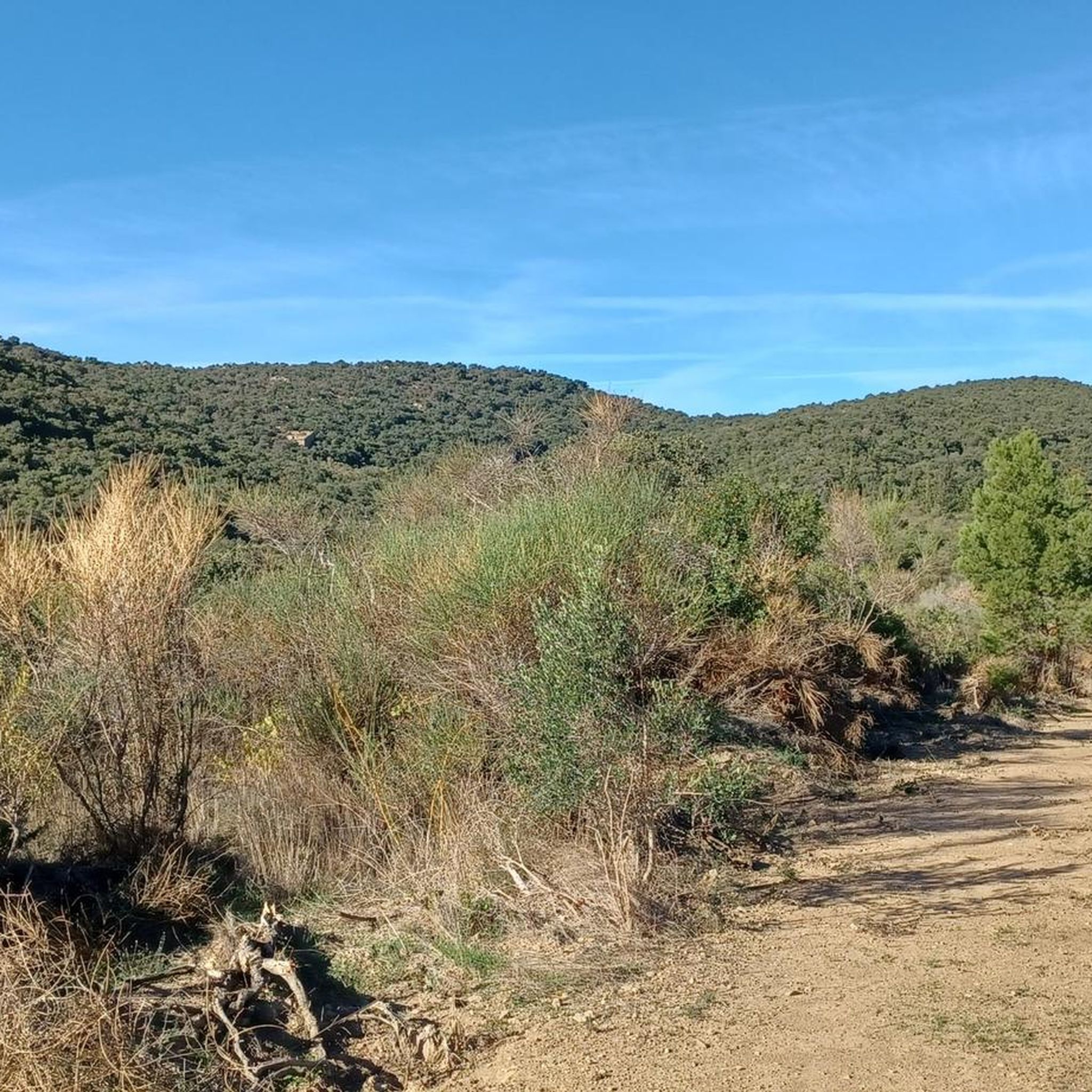
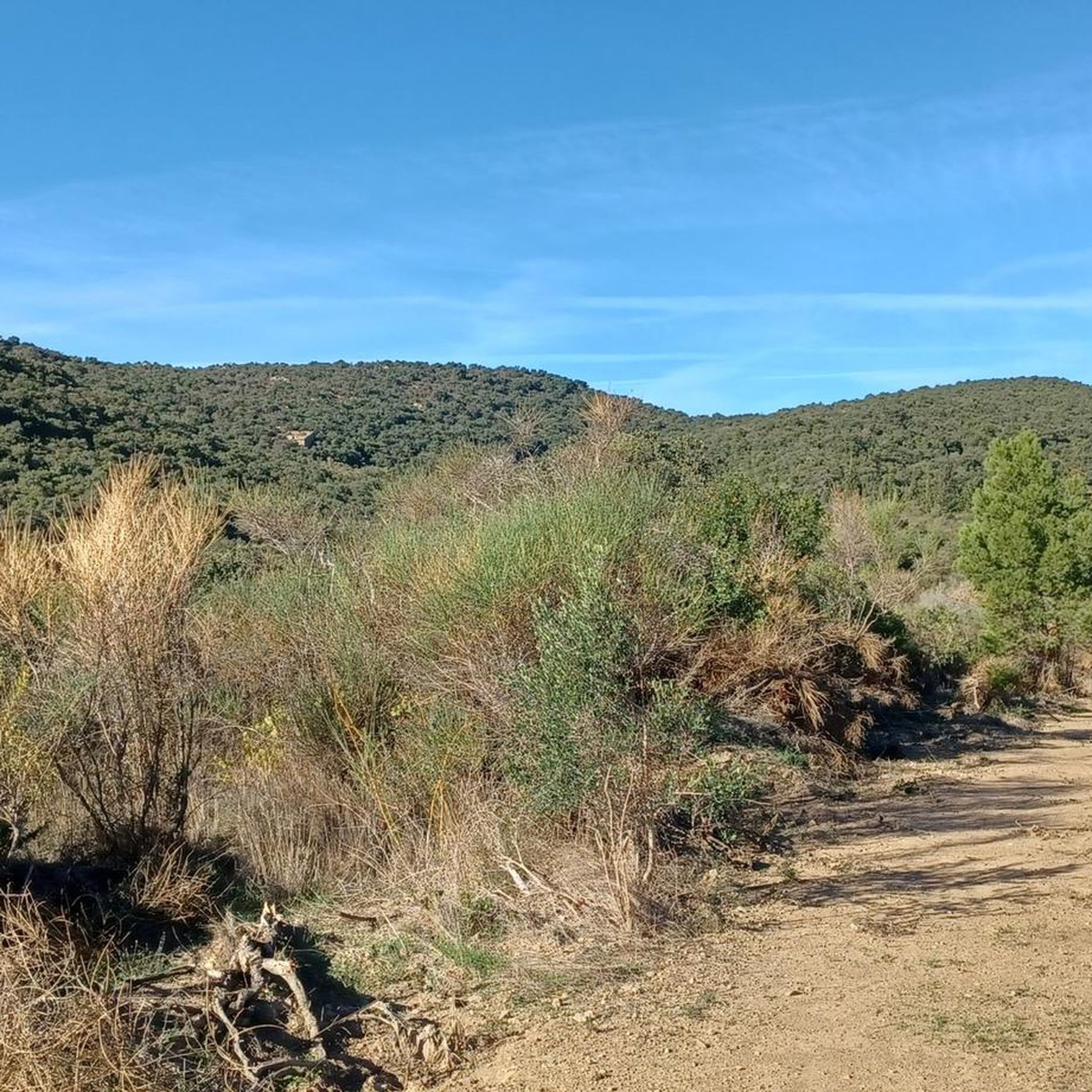
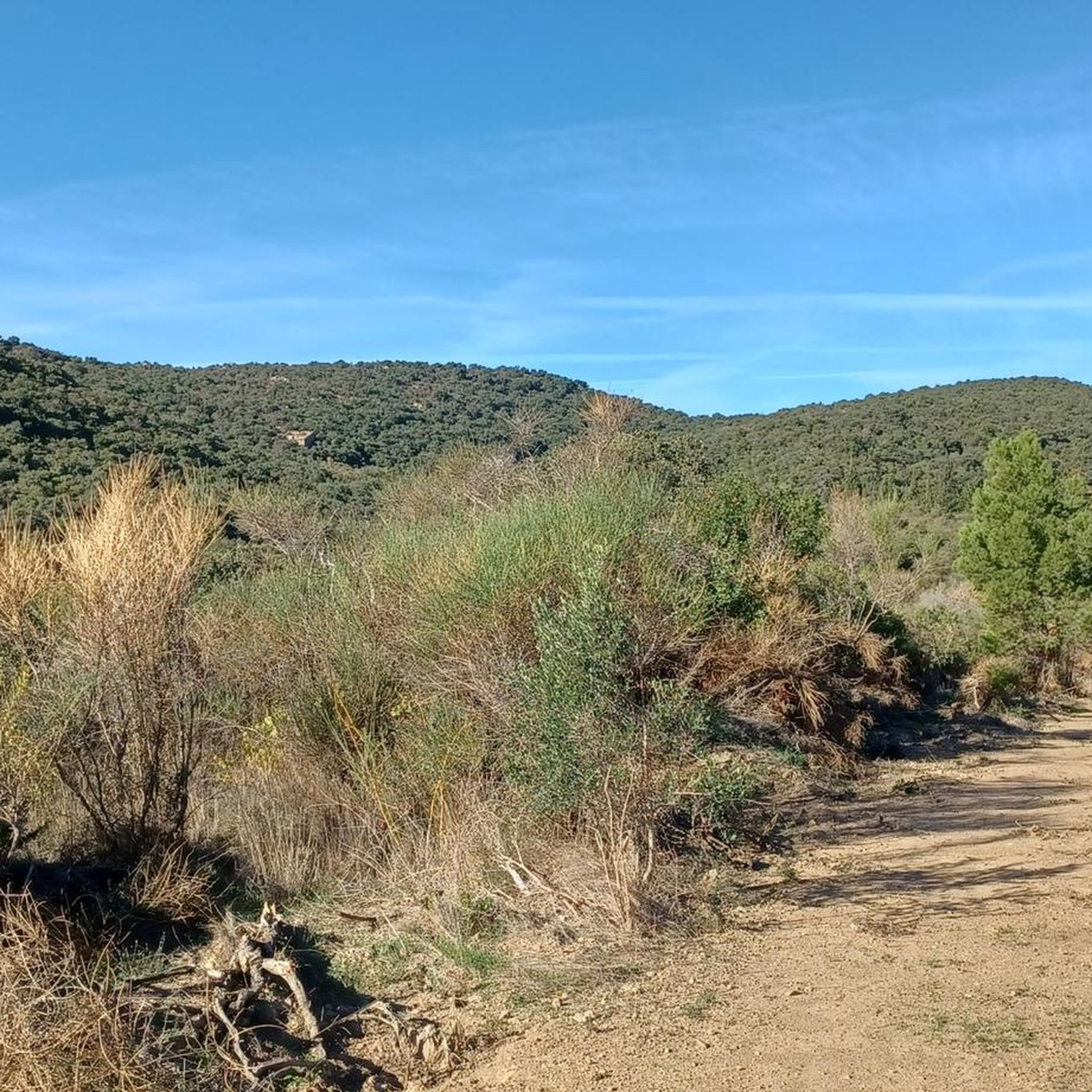
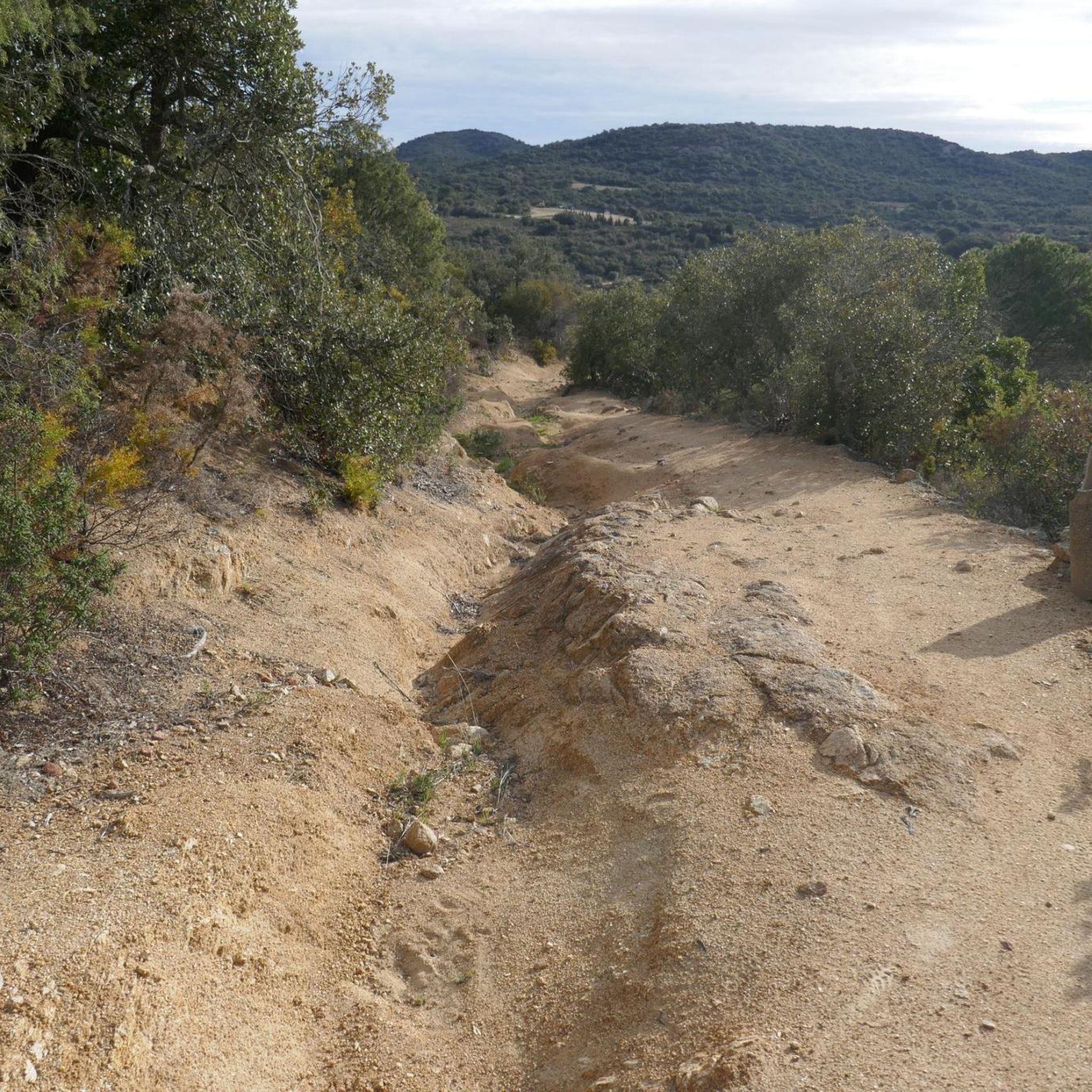

Tips from the Community

mega pretty here, simply fantastic
0
0

Magnificent route with sumptuous landscapes !!
1
0

A fascinating landscape shaped by erosion, it offers magnificent views of the eastern Pyrenees with its highest peak, Canigou, at 2784 m.
2
0

There is much to read about this landscape, formed by erosion over 50 million years, but you simply have to see it for yourself, it is so beautiful and unique.
7
0
A unique place in France, a landscape of fairy chimneys with a fragile, ephemeral beauty. It shows the cliffs of sand and clay, patiently chiseled by the rain. Erosion has worked like an artist
9
0
A unique place in France, a landscape of fairy chimneys with a fragile, ephemeral beauty. It shows cliffs of sand and clay, patiently chiseled by the rain. Erosion has worked like an artist.
6
0
Orgues offers a view of these astonishing natural structures known as "fairy chimneys." It's a unique landscape with colorful reliefs that water has sculpted in clay and sand, torn from the Pyrenees and deposited in the Tet Valley over the course of 5 million years.
9
0
Frequently Asked Questions
What unique geological formations can I explore around Bélesta?
The region offers several remarkable geological features. In Pyrénées-Orientales, you can visit The Organ Pipes of Ille-sur-Têt, known for its astonishing "fairy chimneys" sculpted by erosion over millions of years. In Ariège, the Gouleyrous Gorge presents impressive rock formations, while the Gouffre des Corbeaux is a significant chasm within the Forêt de Bélesta.
Are there any historical or archaeological natural monuments to visit?
Yes, Bélesta has a rich historical context. In Pyrénées-Orientales, the Dolmen d'Udolán is a notable megalithic site. Additionally, the Grotte Préhistorique de Bélesta, though not publicly accessible, is a crucial Neolithic site with findings displayed at the Bélesta Prehistory Museum. The Dolmen du Molí del Vent also offers historical insights with views of the Mediterranean.
What are some family-friendly natural monuments or activities in the area?
For families, The Organ Pipes of Ille-sur-Têt is a great option, offering an accessible and visually stunning landscape that captivates all ages. In Ariège, the Forêt de Bélesta provides numerous trails suitable for family walks, and the viewing platform at the Gouffre des Corbeaux offers a safe way to observe this natural wonder.
Where can I find panoramic viewpoints of the landscape?
For breathtaking views, head to Sant Martí de la Roca, which offers a 360-degree panoramic vista of the surrounding region. The Dolmen du Molí del Vent also provides unique views of both the Mediterranean Sea and the Roussillon plain.
What kind of outdoor activities can I do near these natural monuments?
The area around Bélesta is excellent for various outdoor activities. You can find numerous routes for gravel biking, cycling, and running. The Forêt de Bélesta in Ariège is particularly popular for walks and hikes, with trails leading to sites like the Gouffre des Corbeaux.
Is there a unique natural phenomenon to witness in the Bélesta area?
Absolutely. The Fontaine de Fontestorbes, located just 1 km from Bélesta in Ariège, is a rare intermittent fountain. During the low-water period from July to September, its flow dramatically varies, switching between flow and pause in cycles of 60 to 90 minutes. This phenomenon has fascinated naturalists for centuries.
What is the best time of year to visit the natural monuments around Bélesta?
The best time to visit largely depends on your interests. For witnessing the unique intermittence of the Fontaine de Fontestorbes, the low-water period from July to September is ideal. Generally, spring and autumn offer pleasant temperatures for hiking and exploring, while summer is great for enjoying the longer daylight hours, though it can be warmer.
Are there any natural monuments that are particularly good for nature lovers and hikers?
The Forêt de Bélesta in Ariège is a prime destination for nature lovers and hikers. This vast fir forest offers a unique natural environment with numerous trails, including those that lead to 'le bois joli' and the Gouffre des Corbeaux. It's an excellent place to immerse yourself in the region's natural beauty.
What do visitors enjoy most about the natural monuments in this region?
Visitors frequently praise the stunning natural beauty and unique geological features. For instance, the 'fairy chimneys' of The Organ Pipes of Ille-sur-Têt are often described as beautiful and unique. The panoramic views from sites like Sant Martí de la Roca are also highly appreciated, with many finding them unforgettable.
Are there any natural monuments that are less crowded or considered 'hidden gems'?
While popular sites draw crowds, exploring the extensive Forêt de Bélesta in Ariège can offer a more tranquil experience, with many trails allowing for peaceful walks. The Dolmen d'Udolán, though a significant historical site, might also offer a quieter visit compared to more prominent natural attractions.
What should I know about accessibility for disabled visitors at these natural monuments?
Accessibility varies by site. While some natural areas like parts of the Forêt de Bélesta might have uneven terrain, specific viewing platforms, such as the one at the Gouffre des Corbeaux, are designed for safer observation. It's advisable to check specific site conditions or contact local tourist information for detailed accessibility information before your visit.
Most popular routes around Bélesta
Most popular attractions around Bélesta

Get inspired with the komoot mobile app


Explore more
Extend your search for the best caves by checking out these guides of the top ones around Bélesta:
