Top 4 Natural Monuments around Montigny-En-Gohelle
Best natural monuments around Montigny-En-Gohelle showcase a landscape shaped by industrial history and ecological transformation. The region features re-naturalized slag heaps, which are artificial hills offering panoramic views and unique ecosystems. Green spaces developed from former industrial sites provide diverse natural ambiances and recreational opportunities. These areas represent a successful transition from industrial brownfields to vibrant natural destinations.
Best natural monuments around Montigny-En-Gohelle
- The most popular natural monument is Leforest slag heap, a natural monument and viewpoint known for…
Last updated: July 4, 2026
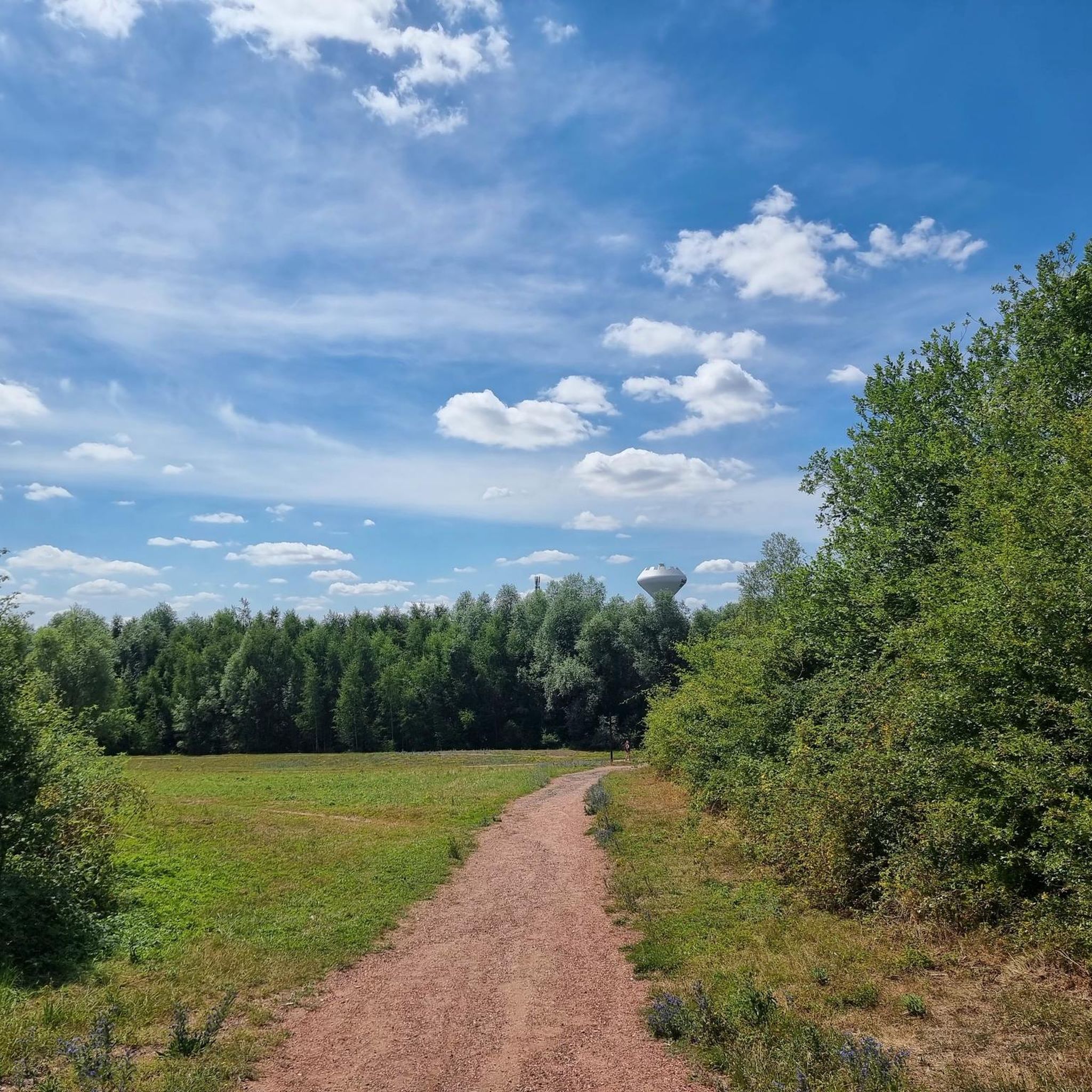
Ostricourt slag heap
Highlight • Natural Monument
Translated by Google •
Tip by

Leforest slag heap
Highlight • Natural Monument
Translated by Google •
Tip by
Sign up now to discover places like this
Get recommendations on the best single tracks, peaks, & plenty of other exciting outdoor places.
Sign up for free
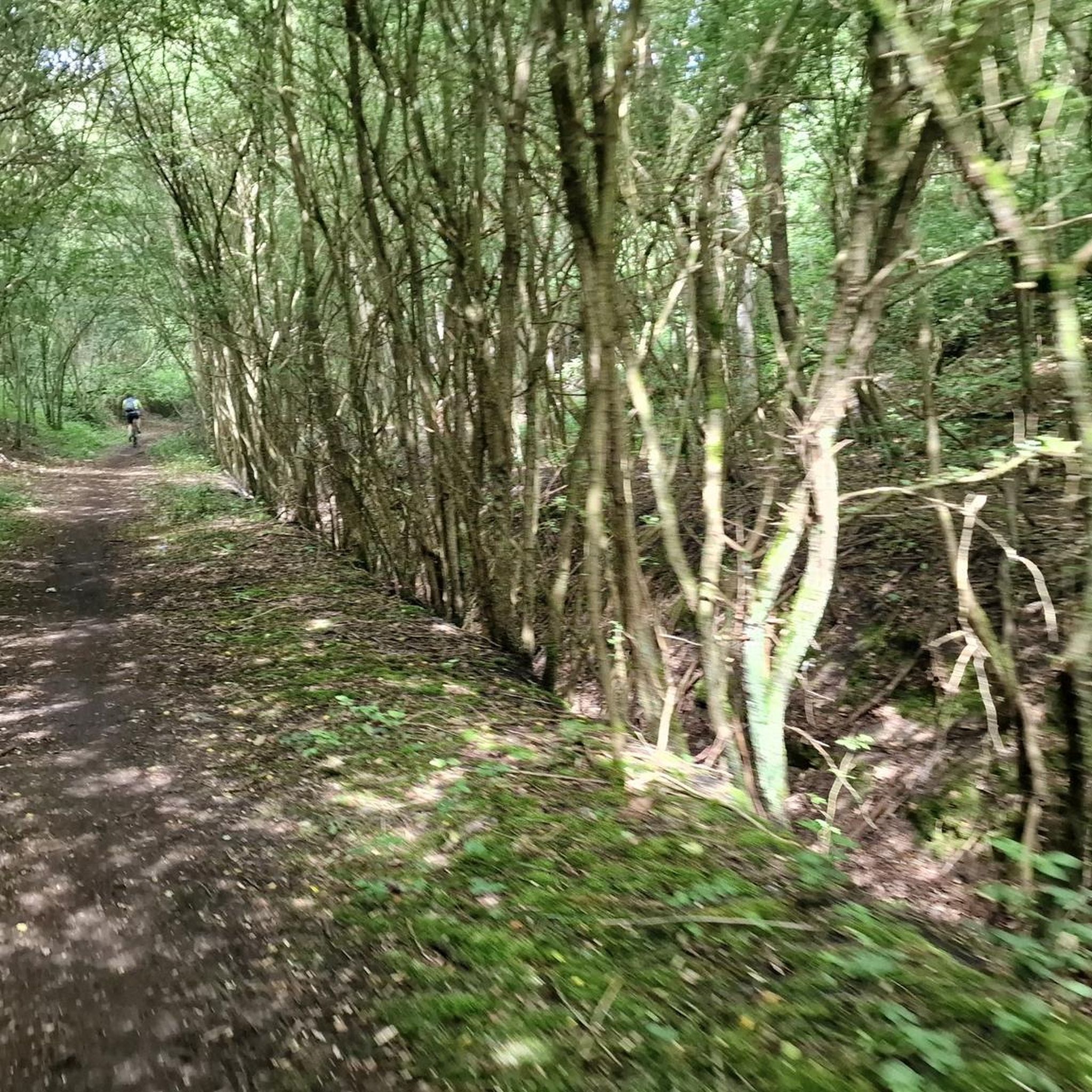
Ladder Tree
Highlight • Forest
It is easily accessible by bicycle.
Which is not the path that goes deep into the forest.
Translated by Google •
Tip by

Terril Estevelles
Highlight • Summit
Translated by Google •
Tip by

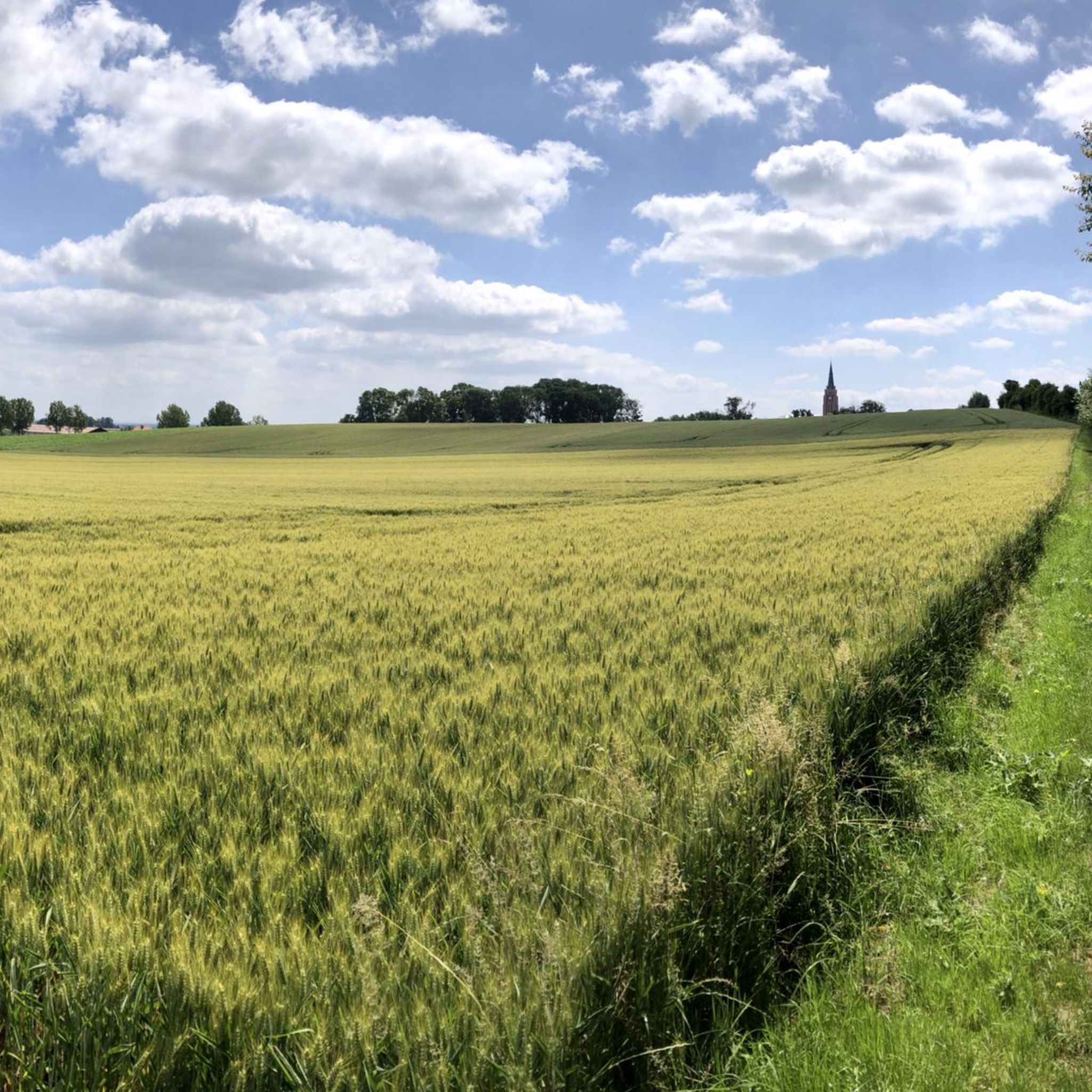
View of the mining basin and the hills of Artois
Highlight • Viewpoint
Translated by Google •
Tip by

Sign up for free to discover even more natural monuments around Montigny-En-Gohelle.
Sign up for free
Already have an account?
Start today with a free account
Your next adventure awaits.
Login or Signup


Tips from the Community

Can we take the dogs?
0
0

This oak, 200 to 300 years old, would have been used by the German army during the First World War as an observation post. The panel states: "The soldiers could thus observe the artillery and enemy movements. We can still observe some of the iron bars which would have been inserted into the trunk in order to constitute a ladder. The tree having continued to grow, the majority of the bars have been absorbed by the bark."
1
0

Be careful on a narrow path, in some places a slippery plastic coating covers part of the path
0
0

Remarkable century-old oak, having participated in the history of the First World War. It is easily accessible by bicycle. Which is not the path that goes deep into the forest.
1
0

Beautiful view of the mining basin and the hills of Artois on a clear day. Trail training heap.
1
0


Nice place typical of the North. Difficult in gravel in wet weather.
0
0

Difficult to drive on the site at this time because of the "luxuriant" vegetation. Access to the karting level is blocked by padlocked gates.
0
0
Frequently Asked Questions
What are the most notable natural monuments and viewpoints around Montigny-En-Gohelle?
The region is known for its re-naturalized slag heaps, which offer unique panoramic views. The Leforest slag heap is a popular natural monument and viewpoint, known for its challenging climb and magnificent views from the top. Another significant site is the View of the mining basin and the hills of Artois, which provides expansive vistas on a clear day. Additionally, the Terril de Loos-en-Gohelle, though not directly in Montigny-en-Gohelle, is Europe's highest slag heap and offers breathtaking panoramic views of the surrounding landscape.
Are there family-friendly natural monuments to visit in the area?
Yes, the Ladder Tree is a remarkable century-old oak with historical significance that is easily accessible and family-friendly. Beyond the immediate highlights, the Parc des Îles in nearby Hénin-Beaumont offers play areas, swings, and slides, making it an excellent choice for families looking for recreational activities in a green space.
What kind of hiking opportunities do the natural monuments offer?
The slag heaps provide unique hiking experiences, often with challenging terrain and rewarding views. For instance, the Leforest slag heap offers a technical climb. You can find various hiking routes, including circular walks, around these natural monuments. Explore more options in the Hiking around Montigny-En-Gohelle guide, which features trails like 'The terrils 83 and 94 — loop from Marais de Fouquières'.
Can I go cycling or mountain biking near these natural monuments?
Absolutely. The re-naturalized slag heaps and green spaces are popular for cycling and mountain biking. The Ostricourt slag heap, for example, features varied terrain suitable for technical riding and steep descents. The Parc des Îles also boasts cycling paths. For dedicated routes, check out the MTB Trails around Montigny-En-Gohelle guide, which includes routes like 'Lagoon of Harnes – Marais de la Galance loop'.
What is the historical significance of the natural monuments in this region?
The natural monuments, particularly the slag heaps, are powerful symbols of the region's industrial past and its subsequent ecological transformation. They are artificial hills formed from mining waste that have been re-naturalized, showcasing how nature reclaims landscapes. The Ladder Tree also holds historical importance, having served as an observation post during the First World War.
What kind of wildlife can be observed around the natural monuments?
The re-naturalized slag heaps and green spaces like Parc des Îles have fostered rich biodiversity. Nature has reclaimed these areas, allowing various plants and animals to thrive. While specific species are not detailed, these transformed industrial landscapes now serve as important ecological habitats.
Are there any challenging natural monuments for experienced outdoor enthusiasts?
Yes, several natural monuments offer challenging terrain. The Leforest slag heap is known for its technical climb and steep descent. Similarly, the Ostricourt slag heap provides sections for technical riding and a very steep descent, requiring care. The Terril Estevelles is also accessible to the most athletic, with three switchbacks to reach the top.
What do visitors appreciate most about the natural monuments around Montigny-En-Gohelle?
Visitors frequently appreciate the panoramic views from the summits of the slag heaps, such as the magnificent vista from Leforest slag heap. The unique experience of exploring landscapes transformed from industrial sites into vibrant natural areas is also highly valued. The historical context, like that of the Ladder Tree, adds another layer of interest.
Are the natural monuments dog-friendly?
Many of the trails and natural areas around Montigny-En-Gohelle are suitable for dogs. For example, the View of the mining basin and the hills of Artois is explicitly noted as dog-friendly. It's generally advisable to keep dogs on a leash and clean up after them to preserve the natural environment.
What is the best time of year to visit the natural monuments?
The natural monuments can be enjoyed throughout the year, with each season offering a different experience. Spring and autumn provide pleasant temperatures for hiking and cycling, with vibrant foliage changes. Summer is ideal for longer days and outdoor activities, while winter can offer unique, serene landscapes, though some paths might be more challenging due to weather conditions.
Are there any specific tips for visiting the slag heaps?
When visiting slag heaps like Leforest slag heap, it's recommended to favor the climb from the right side, as the final descent can be very steep. Some paths can be technical, so good footwear and awareness of your surroundings are important. Be mindful of vegetation, as some areas might have brambles. Always check for current conditions, as some access points might be affected by overgrowth or temporary closures.
Where can I find more information about the ecological transformation of the region?
The region's successful transition from industrial brownfields to green spaces is a key theme. You can find more context on how these areas have been re-naturalized and their ecological significance through local tourism resources. For instance, the Parc des Îles is celebrated as a 'green lung' demonstrating this 'black to green' transition. You can learn more about the region's mining heritage and its transformation on sites like visitpasdecalais.com.
Most popular routes around Montigny-En-Gohelle
Most popular attractions around Montigny-En-Gohelle

Get inspired with the komoot mobile app


Explore more
Extend your search for the best caves by checking out these guides of the top ones around Montigny-En-Gohelle:
