Top 12 Natural Monuments around Frohmuhl
Best natural monuments around Frohmuhl are primarily found within the Northern Vosges Regional Nature Park, a UNESCO World Biosphere Reserve. This region is characterized by its 235-million-year-old sandstone substratum, which has shaped its distinctive geology and ecosystems. Visitors can explore vast forests, unique sandstone streams, and impressive rock formations that define the landscape. The area offers a rich array of natural features for outdoor enthusiasts.
Best natural monuments around Frohmuhl
- The most popular natural monuments is Grotte d'Amour, a…
Last updated: June 21, 2026
Graufthal Troglodyte Houses
Highlight • Historical Site
Translated by Google •
Tip by

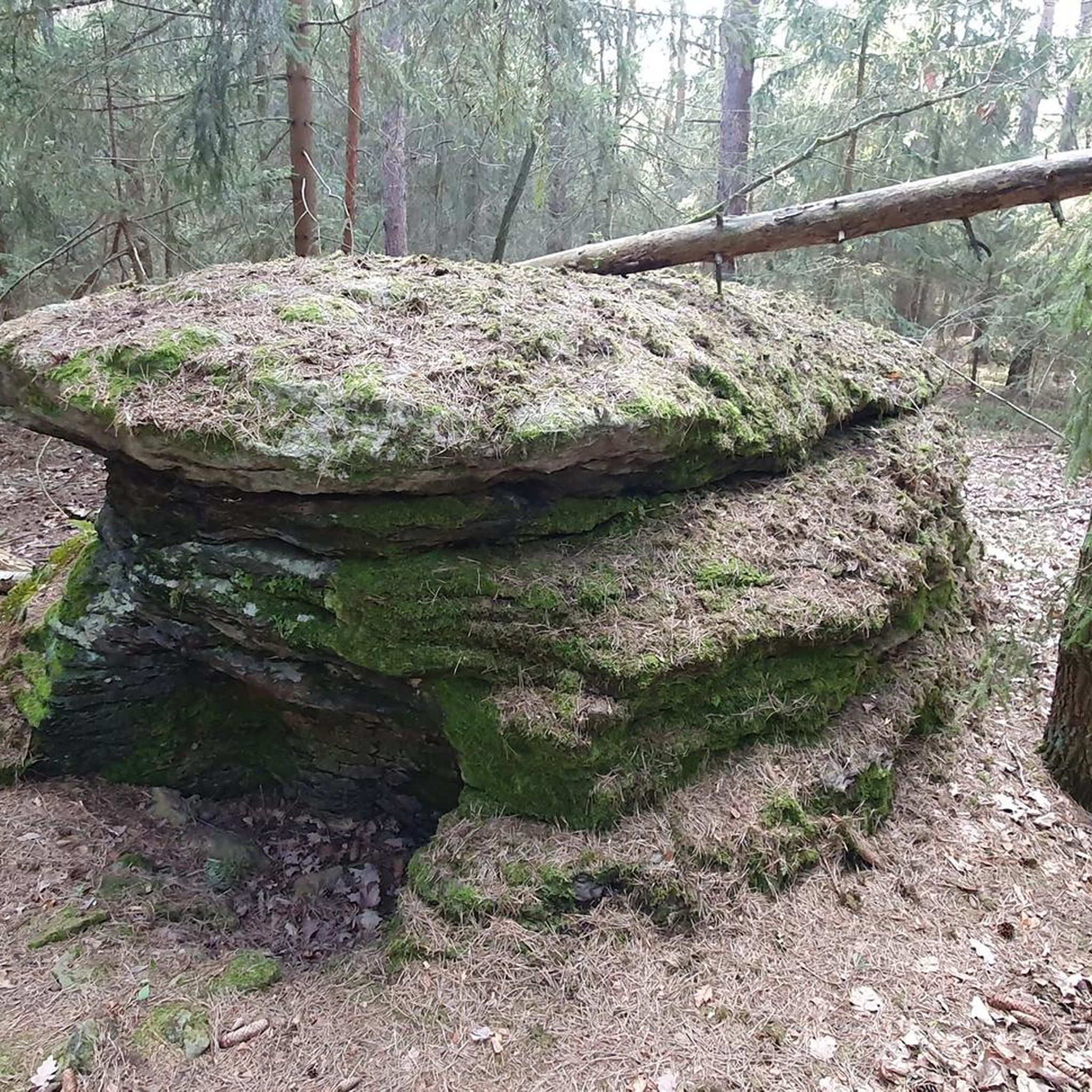
Ochsenstall Rock
Highlight • Cave
Translated by Google •
Tip by

Sign up now to discover places like this
Get recommendations on the best single tracks, peaks, & plenty of other exciting outdoor places.
Sign up for free
12 Apostles Stone / Breitenstein
Highlight • Monument
In 1787 it was carved with the effigies of the twelve apostles.
Translated by Google •
Tip by

Grotte d'Amour
Highlight • Cave
How can you be so ignorant and put a pile of shit garnished with lots of speed right behind the rocks 😡😡
Translated by Google •
Tip by

Little Meisenbach Castle
Highlight • Castle
Translated by Google •
Tip by

Sign up for free to discover even more natural monuments around Frohmuhl.
Sign up for free
Already have an account?
Start today with a free account
Your next adventure awaits.
Login or Signup

Tips from the Community

Although the few remaining ruins of this structure are called a castle, it appears that the site was first used as a Roman temple and then as a Christian church. Nearby are superb rock formations typical of the Northern Vosges Mountains.
1
0

Accessible from various directions and/or accessible as a circular walk. The walk up the mountain is quite long.
0
0

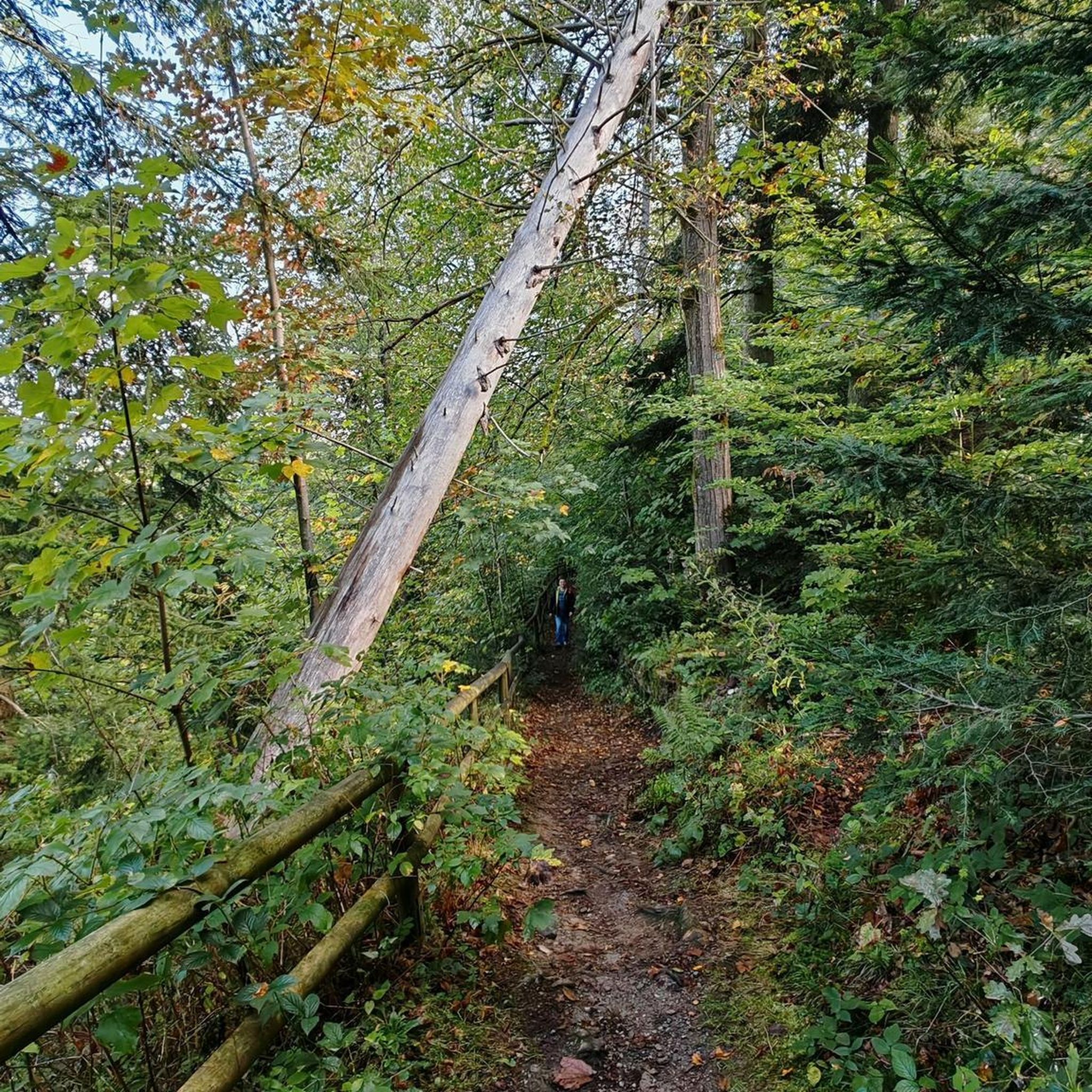
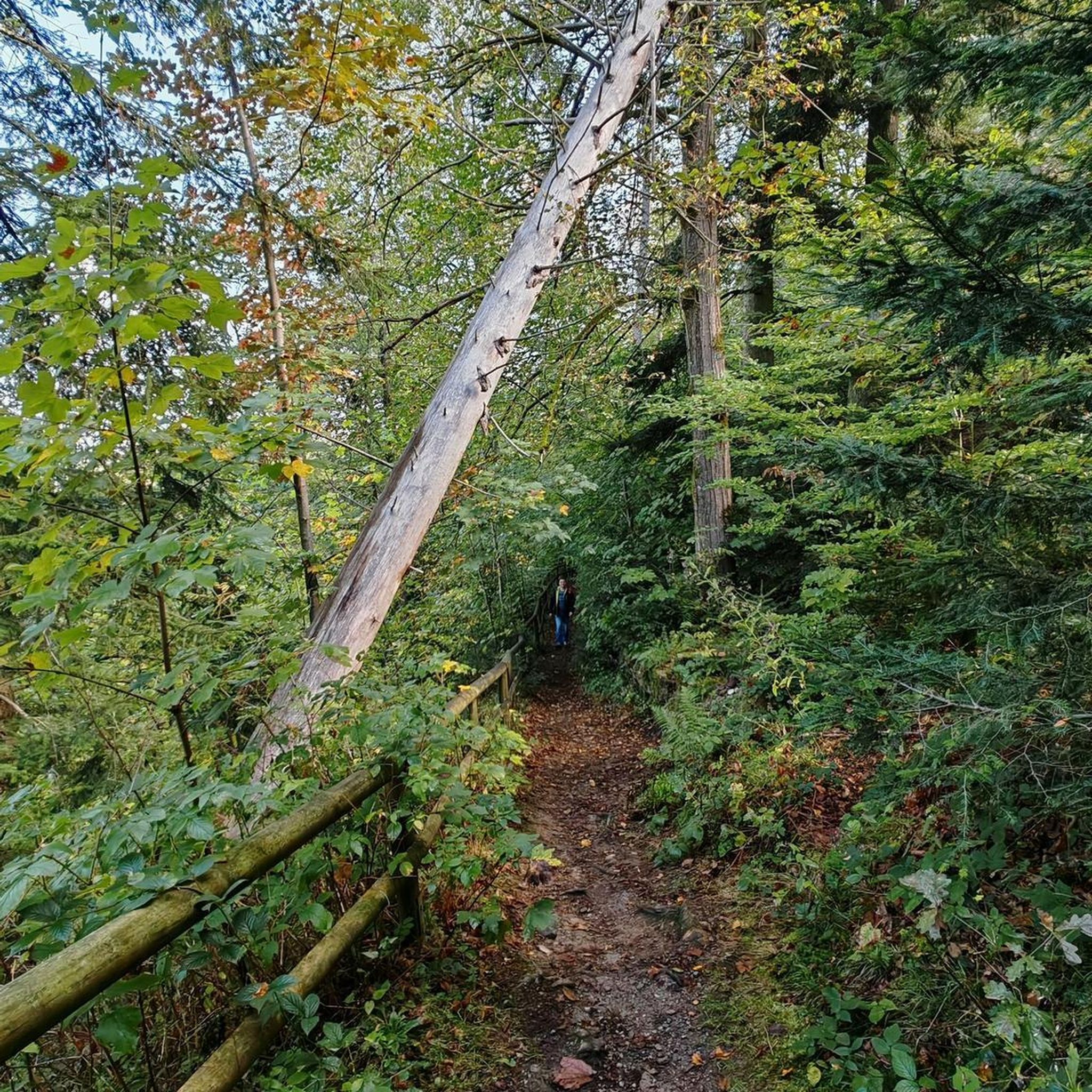
Very beautiful places in the calm of the forest
0
0

The remains are not the ruins of a small castle, as the popular name might suggest, but rather the remains of a Roman or Gallo-Roman sanctuary from the 2nd century, with a second phase of use in the 4th century. It may have later been used as a Christian church. In Curt Mündel's guide to the Vosges Mountains (1911 edition), the ruins are referred to as "Meisenbacher Schlössel," and the rock below as "Ochsenstall" (Oxen Stable), probably because the rock overhang was formerly used as a shelter for cattle.
0
0

The Ochsenstall Rock offers an exhilarating mountain biking experience with its rugged terrain and steep slopes. The highlight of your ride is the Ochsenstall Cave, an intriguing little cavern located beneath the rock formations. This cave, carved out by natural forces, offers a moment of exploration and a unique view of the surrounding landscape. It is the perfect place to take a break.
1
0

A beautiful place. What I don't understand: How can you be so ignorant and put a pile of shit garnished with lots of speed right behind the rocks 😡😡
6
1

Very beautiful place, you can take shelter there in case of bad weather and eat a bite on the huge Vosges sandstone table. The hike all around is nice and easy. The trails are almost all clear.
0
0

Not much left to see but easy to incorporate as a loop from the main path.
0
0
Frequently Asked Questions
What unique natural monuments can I explore around Frohmuhl?
The Frohmuhl area, nestled within the Northern Vosges Regional Nature Park, offers several unique natural monuments. You can visit the Grotte d'Amour, a cave providing a sheltered resting place, or the Ochsenstall Rock, a distinctive rock formation with cavities that historically served as a shelter for herdsmen. Another fascinating site is the 12 Apostles Stone / Breitenstein, a prehistoric menhir carved from red sandstone.
What kind of natural features define the Frohmuhl area?
The Frohmuhl area is characterized by its location within the Northern Vosges Regional Nature Park, a UNESCO World Biosphere Reserve. Its landscape is shaped by a 235-million-year-old sandstone substratum, resulting in vast forests, unique sandstone streams, and impressive rock formations. These features create diverse ecosystems, including moors and acidic peat bogs, supporting a rich array of flora and fauna.
Are there any historical natural monuments near Frohmuhl?
Yes, the region blends natural and historical heritage. A notable example is the Graufthal Troglodyte Houses, where dwellings are built directly into the rock formations. These unique semi-troglodyte houses offer insight into a past way of life, showcasing how human construction integrated with natural rock. Additionally, the 12 Apostles Stone / Breitenstein is a prehistoric menhir that has also served as a historical border marker.
What outdoor activities can I do near the natural monuments around Frohmuhl?
The Northern Vosges Regional Nature Park offers a network of 2,600 km of marked trails, ideal for various outdoor activities. You can enjoy hiking, cycling, and mountain biking. For specific routes, explore the Road Cycling Routes around Frohmuhl, MTB Trails around Frohmuhl, or Gravel biking around Frohmuhl guides.
Are there specific hiking trails that lead to these natural monuments?
Many natural monuments are integrated into the region's extensive hiking trail network. For instance, trails often lead to the Ochsenstall Rock and the Grotte d'Amour. The area around Grand Wintersberg also offers rewarding hikes to its summit. You can find detailed hiking routes in the various Komoot guides for the Frohmuhl area.
Are there family-friendly natural monuments around Frohmuhl?
Yes, several natural monuments are suitable for families. The Grotte d'Amour offers a pleasant resting spot, and the Graufthal Troglodyte Houses provide an engaging historical and natural experience. The 12 Apostles Stone / Breitenstein is also considered family-friendly, offering an interesting landmark for exploration.
Can I bring my dog to the natural monuments in the Frohmuhl area?
The Northern Vosges Regional Nature Park generally welcomes dogs on its trails, but it's essential to keep them on a leash to protect wildlife and ensure the safety of other visitors. Specific rules may apply to certain protected areas or indoor attractions like the Troglodyte Houses, so it's always best to check local signage.
What is the best time of year to visit the natural monuments around Frohmuhl?
The Northern Vosges Regional Nature Park offers beauty throughout the year. Spring brings vibrant greenery and blooming flora, while autumn showcases spectacular fall foliage in the extensive forests. Summer is ideal for longer hikes and outdoor activities. Even winter offers peaceful, snow-covered landscapes for those who enjoy cold-weather walks, though some trails might be less accessible.
Are the natural monuments around Frohmuhl accessible by public transport or do they have parking?
While Frohmuhl itself is a small commune, the natural monuments are spread across the Northern Vosges Regional Nature Park. Access to many sites often requires a car, with parking available near popular trailheads and attractions. Public transport options within the park can be limited, so planning your journey in advance is recommended. For more detailed information on transport, you might consult the official park website or local tourism offices.
What geological features can I expect to see in the Northern Vosges Regional Nature Park?
The park's geology is dominated by its 235-million-year-old sandstone substratum. This has resulted in numerous impressive rock formations, such as the Ochsenstall Rock and the 12 Apostles Stone / Breitenstein. You'll also encounter distinctive sandstone streams and the unique structures that house the Graufthal Troglodyte Houses, all sculpted by millions of years of erosion.
Where can I find panoramic views of the Northern Vosges landscape?
For commanding panoramic views of the undulating hills, glades, and lakes of the Northern Vosges, head to Grand Wintersberg. As the highest point in the Northern Vosges at 581 meters, its summit is a prime destination for hikers seeking rewarding vistas and a chance to appreciate the vastness of the Regional Nature Park.
What do visitors enjoy most about the natural monuments around Frohmuhl?
Visitors frequently appreciate the sense of immersion in nature provided by the vast forests and diverse ecosystems. The unique geological formations, like the Ochsenstall Rock, offer interesting sights, and the Grotte d'Amour is often highlighted as a lovely, sheltered resting place. The blend of natural beauty with historical elements, such as the Graufthal Troglodyte Houses, also adds a fascinating dimension to the exploration.
Most popular routes around Frohmuhl
Most popular attractions around Frohmuhl

Get inspired with the komoot mobile app


Explore more
Extend your search for the best caves by checking out these guides of the top ones around Frohmuhl:
