Top 9 Natural Monuments around Gouy-Servins
Natural monuments around Gouy-Servins include a variety of sites reflecting both ancient history and more recent events. The surrounding Pas-de-Calais region features significant natural and historical landmarks. These sites offer insights into prehistoric human activity, geological formations, and historical conflicts. The landscape provides opportunities to explore unique natural features and cultural heritage.
Best natural monuments around Gouy-Servins
- The most popular natural monuments is Loos-en-Gohelle slag heap, a natural monument that is an astonishing and unusual spectacle. This site is…
Last updated: July 4, 2026
Vimy Ridge Shell Craters
Highlight (Segment) • Historical Site
This is one of the most famous battles for Canadians during the First World War.
Vimy Ridge was a strategic position fortified …
Translated by Google •
Tip by

Passage dolmen: The Fairy Table
Highlight • Historical Site
– 4 dolmens, …
Translated by Google •
Tip by

Sign up now to discover places like this
Get recommendations on the best single tracks, peaks, & plenty of other exciting outdoor places.
Sign up for free
Vimy Foundation Centennial Park
Highlight (Segment) • Historical Site
Vimy Foundation Centennial Park offers visitors a unique and reflective space to reflect on the horrors that occurred on these lands during the Great War, contrasting …
Translated by Google •
Tip by
Loos-en-Gohelle slag heap
Highlight • Natural Monument
Translated by Google •
Tip by

Bray Chalk Quarry
Highlight • Structure
Translated by Google •
Tip by

Sign up for free to discover even more natural monuments around Gouy-Servins.
Sign up for free
Already have an account?
Start today with a free account
Your next adventure awaits.
Login or Signup

Tips from the Community

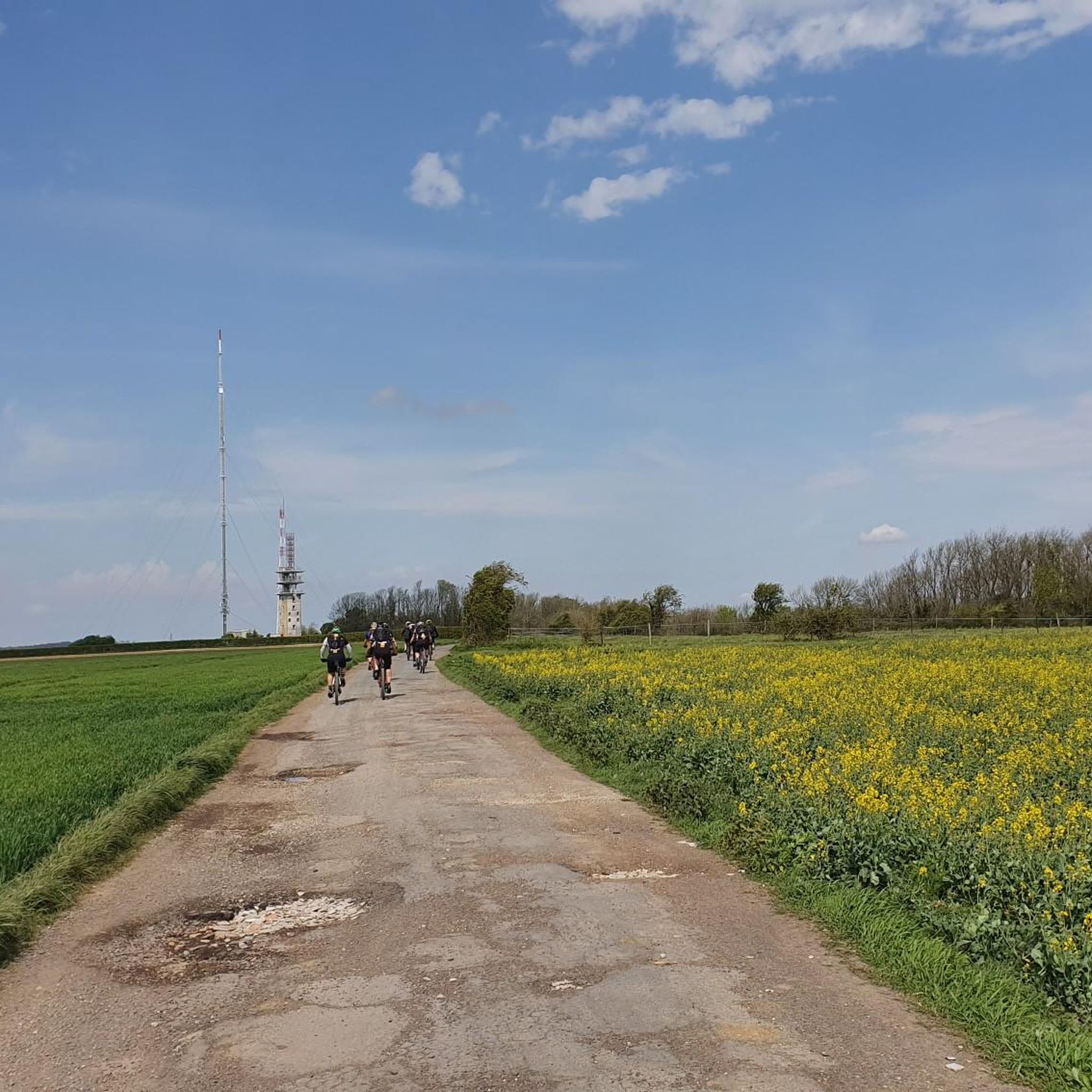
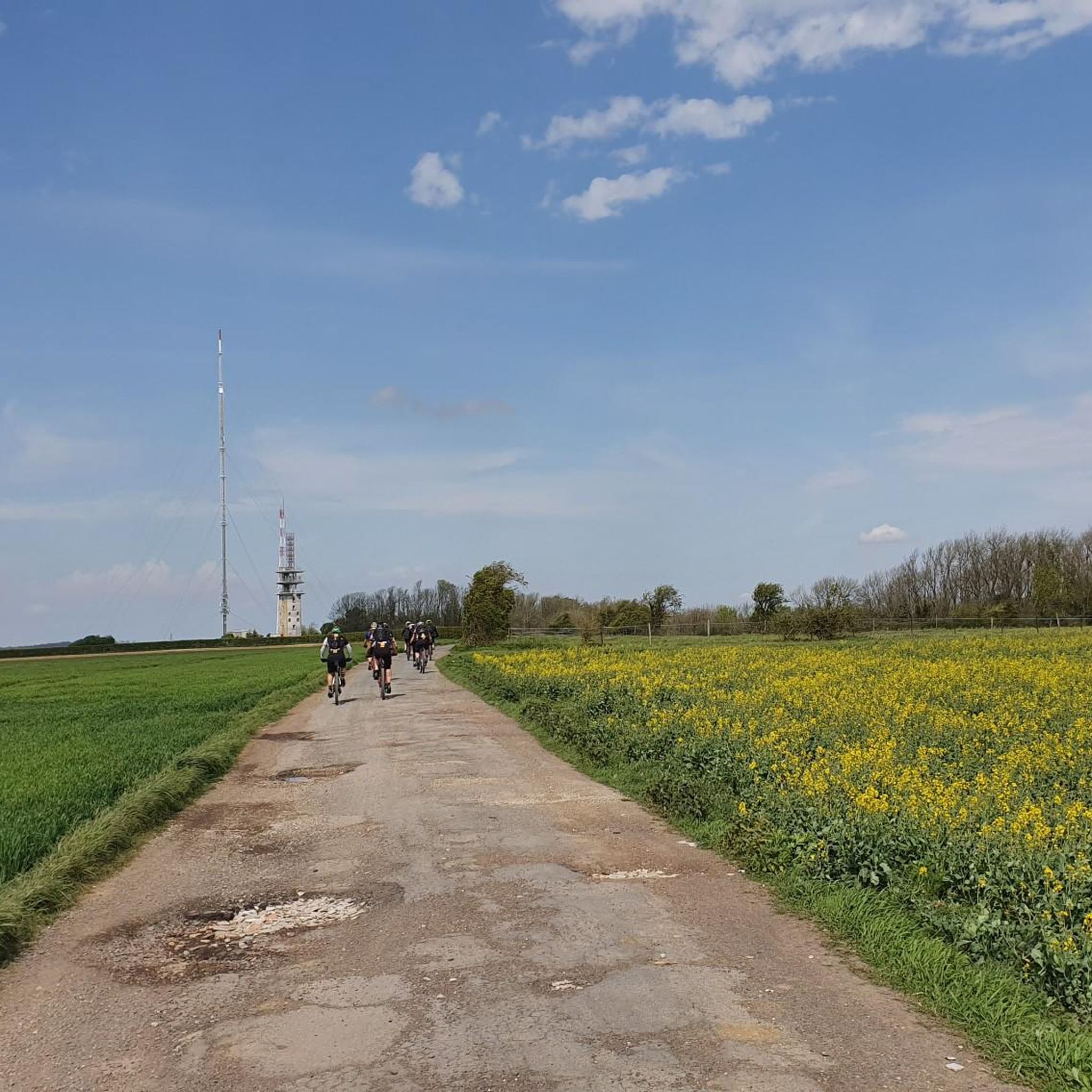
Beautiful panoramic view of Lens and the surrounding area. Be careful when you climb onto the spoil heap during a storm, it's a real hair-raiser!
1
0

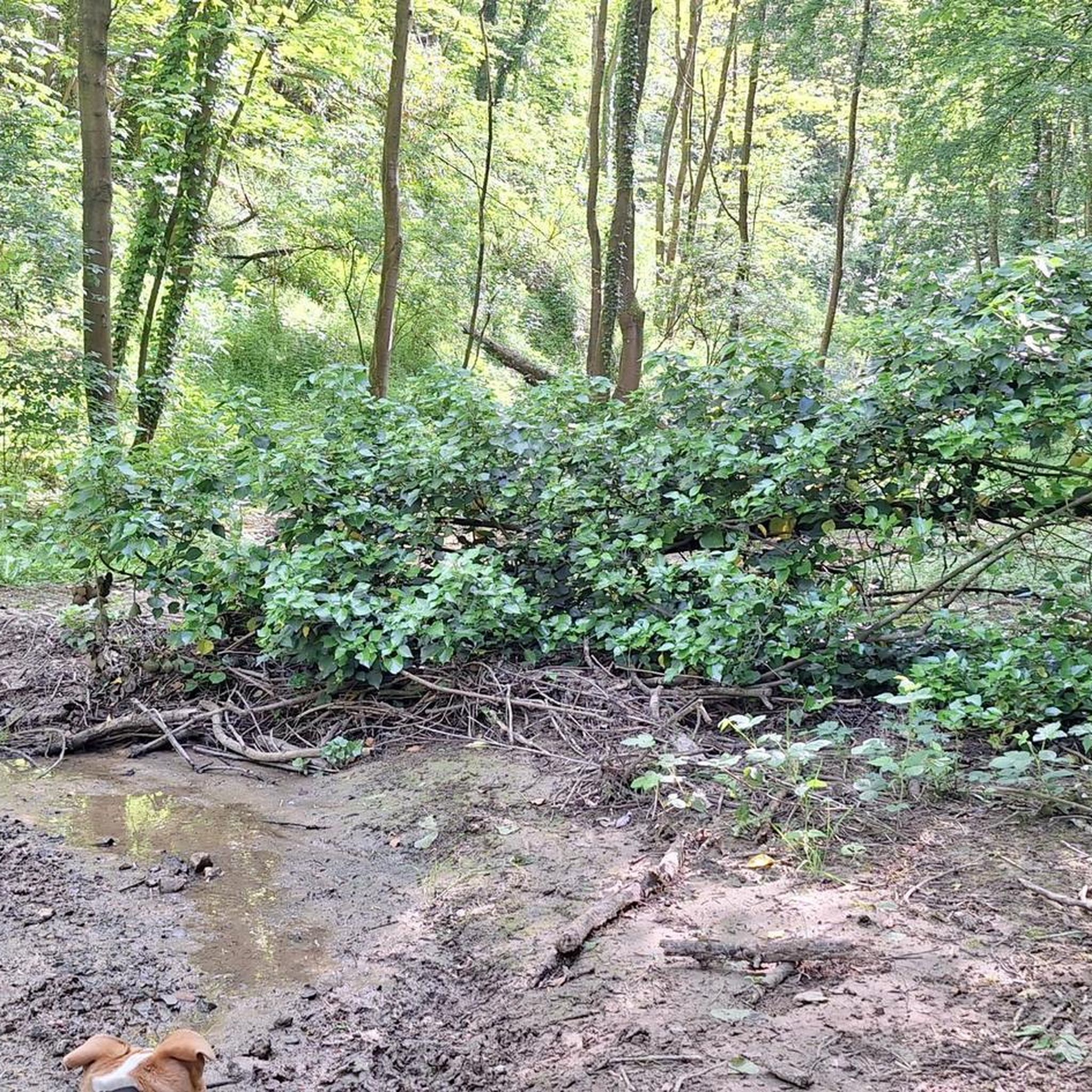
The Battle of Vimy Ridge (April 9-12, 1917) This is one of the most famous battles for Canadians during the First World War. Vimy Ridge was a strategic position fortified by the Germans since 1914. In April 1917, the four Canadian divisions, united for the first time, attacked to retake it. - 💥 The bombardments that created the shell holes Before the assault For several weeks, Allied artillery (mainly British and Canadian) bombarded the German positions to weaken the defenses, cut the barbed wire, and destroy the enemy trenches. It is estimated that more than a million shells were fired in preparation for the attack. During the attack On April 9, 1917, the Canadian infantry advanced under a creeping barrage, that is, artillery fire that advanced just ahead of the soldiers to protect their advance. Result These intense bombardments literally riddled the ridge with craters. Each shell exploding in the ground dug a hole of varying width (depending on the caliber, often between 1 and 5 meters in diameter). 🏞 After the War Why are the shell holes still there? After 1918, it was decided to preserve certain areas as they were, particularly around the future memorial, to demonstrate the scale of the fighting. The land was therefore not leveled or cultivated, unlike other areas of the front, which reverted to agricultural fields. A Landscape for Remembrance The shell craters, reconstructed trenches, and replanted trees (each tree represents a killed Canadian soldier) create a living memorial park, keeping the scars of the conflict visible for future generations.
0
0
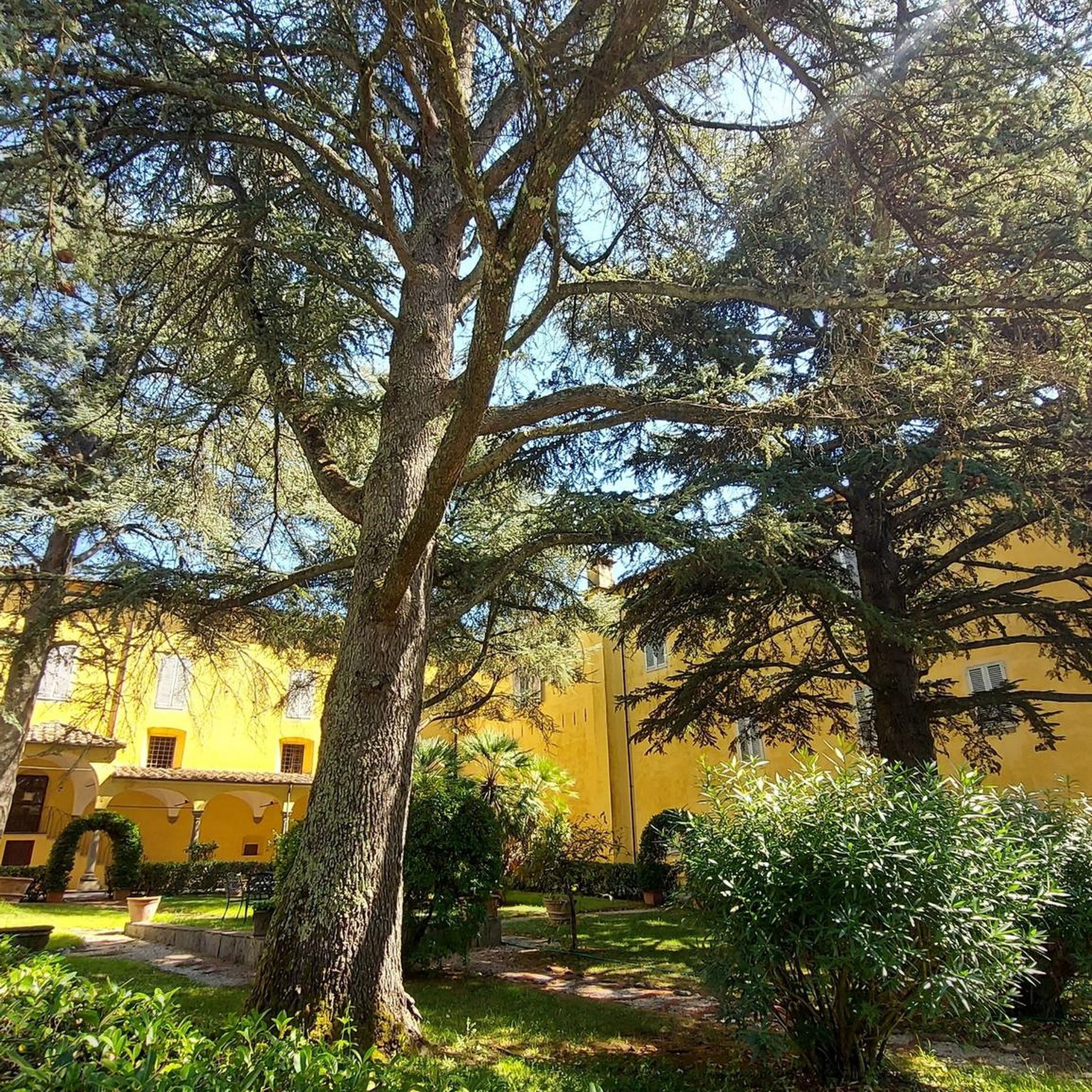
Vimy Foundation Centennial Park Vimy Foundation Centennial Park offers visitors a unique and reflective space to reflect on the horrors that occurred on these lands during the Great War, contrasting with the solemnity and grace of the adjacent Canadian National Memorial. The main attraction of the four-acre park is 100 Vimy Oak trees, grown from acorns collected on the battlefield in 1917, along with the Borden bugle, the Centennial Flagpole, and 360-degree memorial views of the First World War battlefield. One hundred years after the war, the Park ensures that we never forget the sacrifice of all those who served our country. The Vimy Foundation The Vimy Foundation is a national charitable organization whose mission is to preserve and promote Canada's legacy of the First World War, symbolized by the victory at Vimy Ridge in April 1917. This momentous event is widely considered a pivotal moment in our history, Canada's first steps onto the world stage. Through youth education programs, awareness campaigns, and legacy projects, including the new Vimy Visitor and Education Centre and Centennial Park, the Vimy Foundation provides Canadians with opportunities to learn how the First World War transformed our nation. Vimy Oaks The park's oak trees are directly descended from acorns collected on the Vimy Ridge battlefield by a Canadian soldier, Lieutenant Leslie Miller of Scarborough, Ontario, and later planted on his farm in Canada, which he named The Vimy Oaks. A number of these majestic oaks are still alive today in Canada, while virtually none of the Vimy Ridge oaks survived the First World War. The Vimy Oaks Legacy Society, a Canadian non-profit volunteer association, was created to repatriate young Vimy oaks descended from acorns collected after the battle. Volunteers landscaped and planted these repatriated Vimy oaks, which now stand guard in this park adjacent to the Canadian National Vimy Memorial.
0
0

it's written like that on the sign
0
0
legend of the fairies who dance around the dolmen
0
0

This site is part of the unknown treasures of the Land of Artois. The various megalithic sites are good for a beautiful walk, among mysteries and legends, history and extraordinary landscapes
1
0

La Carrière de Craie de Bray is a quarry in the municipality of Mont-Saint-Éloi. It is a popular place for hikers and nature lovers because of its beautiful surroundings. The hills around Mont-Saint-Éloi consist of a thick layer of secondary-age chalk, formed by the accumulation of skeletons of marine animals when Artois was submerged in a shallow sea.
8
0

Don't miss the Loos-en-Gohelle slag heap, an astonishing and unusual spectacle. There are five hills made of coal waste, and this one is the highest, reaching 146 meters, the highest in Europe! Hike to the top and admire the views. You can see how nature has transformed the hills with plants, animals and even grapes. Take the opportunity to learn about this UNESCO World Heritage site and discover its rich history and culture at Base 11/19.
4
0
Frequently Asked Questions
What are some unique natural monuments to visit near Gouy-Servins?
You can explore the Loos-en-Gohelle slag heap, which is the highest in Europe and offers panoramic views. Another unique site is the Passage dolmen: The Fairy Table, an ancient megalithic structure over 4000 years old. For a different natural experience, the Bray Chalk Quarry provides an interesting landscape for hikers.
Are there any natural areas focused on wildlife and biodiversity near Gouy-Servins?
Yes, the Réserve naturelle régionale du Marais de Wagnonville, located about 30 kilometers from Gouy-Servins, is a significant wetland area. It's home to over 100 animal species, including 67 bird species, and 200 plant species. It's an excellent spot for nature observation and birdwatching. You can find more information about this reserve on Wikipedia.
What historical natural monuments can I explore around Gouy-Servins?
The region offers several historical natural monuments. The Vimy Ridge Shell Craters preserve a landscape shaped by intense bombardments during the First World War, serving as a powerful memorial. Nearby, the Vimy Foundation Centennial Park features 100 Vimy Oak trees grown from acorns collected on the battlefield, offering a reflective space on Canada's WWI legacy. Additionally, the Passage dolmen: The Fairy Table is a prehistoric megalithic site dating back over 4000 years.
Are there family-friendly natural monuments in the area?
Yes, both the Vimy Ridge Shell Craters and the Vimy Foundation Centennial Park are considered family-friendly. They offer educational opportunities about history in an outdoor setting. The Loos-en-Gohelle slag heap can also be a fun challenge for families to hike to the top and enjoy the views.
What kind of outdoor activities can I do near these natural monuments?
The area around Gouy-Servins is excellent for various outdoor activities. You can find numerous hiking trails, including moderate and difficult options, with routes like the 'Small stone church – The Fairies' Table loop from Servins'. There are also guides for gravel biking and MTB trails, offering routes of varying difficulty. For hiking, explore options in the Hiking around Gouy-Servins guide.
Are there good viewpoints among the natural monuments?
Absolutely. The Loos-en-Gohelle slag heap is renowned for its panoramic views of Lens and the surrounding area from its summit. The Vimy Foundation Centennial Park also offers 360-degree memorial views of the First World War battlefield.
What is the best time to visit the natural monuments around Gouy-Servins?
Spring and autumn generally offer the most pleasant weather for exploring the natural monuments, with milder temperatures and beautiful scenery. Summer can also be good, but be prepared for potentially warmer days. Winter visits are possible, especially for sites like the slag heap, but trails might be muddy or icy, and the Réserve naturelle régionale du Marais de Wagnonville might be less active for birdwatching.
Are there hiking opportunities for beginners near Gouy-Servins' natural monuments?
Yes, there are hiking routes suitable for beginners. For example, the 'Extra for a break – Small stone church loop from Servins' is an easy 7.4 km hike. You can find more options in the Hiking around Gouy-Servins guide, which includes routes with varying difficulty levels.
Can I bring my dog to the natural monuments and trails?
While specific regulations vary by site, many natural areas and public trails in France are dog-friendly, especially if dogs are kept on a leash. It's always best to check individual site rules before visiting. For general hiking, keeping your dog leashed and cleaning up after them is standard practice.
What geological features can be observed in the region?
The Bray Chalk Quarry is a prime example of the region's geology. The hills around Mont-Saint-Éloi consist of a thick layer of secondary-age chalk, formed by the accumulation of marine animal skeletons when Artois was submerged in a shallow sea. This site offers insight into the geological history of the area.
Are there any hidden natural gems worth discovering?
Beyond the well-known sites, the Réserve naturelle régionale du Marais de Wagnonville, though a bit further out, could be considered a hidden gem for those interested in wetland ecosystems and birdwatching. Its diverse habitats and rich biodiversity offer a peaceful retreat away from more frequented historical sites.
Most popular routes around Gouy-Servins
Most popular attractions around Gouy-Servins

Get inspired with the komoot mobile app


Explore more
Extend your search for the best caves by checking out these guides of the top ones around Gouy-Servins:
