Top 16 Natural Monuments around Crusnes
Best natural monuments around Crusnes are found in a region characterized by its natural beauty and historical industrial landscape. The area is shaped by the Crusnes River, a 32-kilometer waterway contributing to the local ecosystem. Nearby, the Lorraine Regional Natural Park offers diverse landscapes including forests, rivers, and ponds across a vast area. These natural sites provide opportunities for outdoor activities and exploration.
Best natural monuments around Crusnes
- The most popular natural monuments is Red Rocks, a natural monument…
Last updated: June 21, 2026
Moulaine Valley Stream
Highlight (Segment) • River
Translated by Google •
Tip by

Pfälzerbeschquelle
Highlight • Natural Monument
Translated by Google •
Tip by
Sign up now to discover places like this
Get recommendations on the best single tracks, peaks, & plenty of other exciting outdoor places.
Sign up for free
Red Rocks
Highlight • Natural Monument
Wonderful trails between these stone giants
Translated by Google •
Tip by

Red Cliff of the Former Iron Mine
Highlight • Natural Monument
Translated by Google •
Tip by

Red Rock Cliffs of Terres Rouges
Highlight • Natural Monument
Translated by Google •
Tip by

Sign up for free to discover even more natural monuments around Crusnes.
Sign up for free
Already have an account?
Start today with a free account
Your next adventure awaits.
Login or Signup
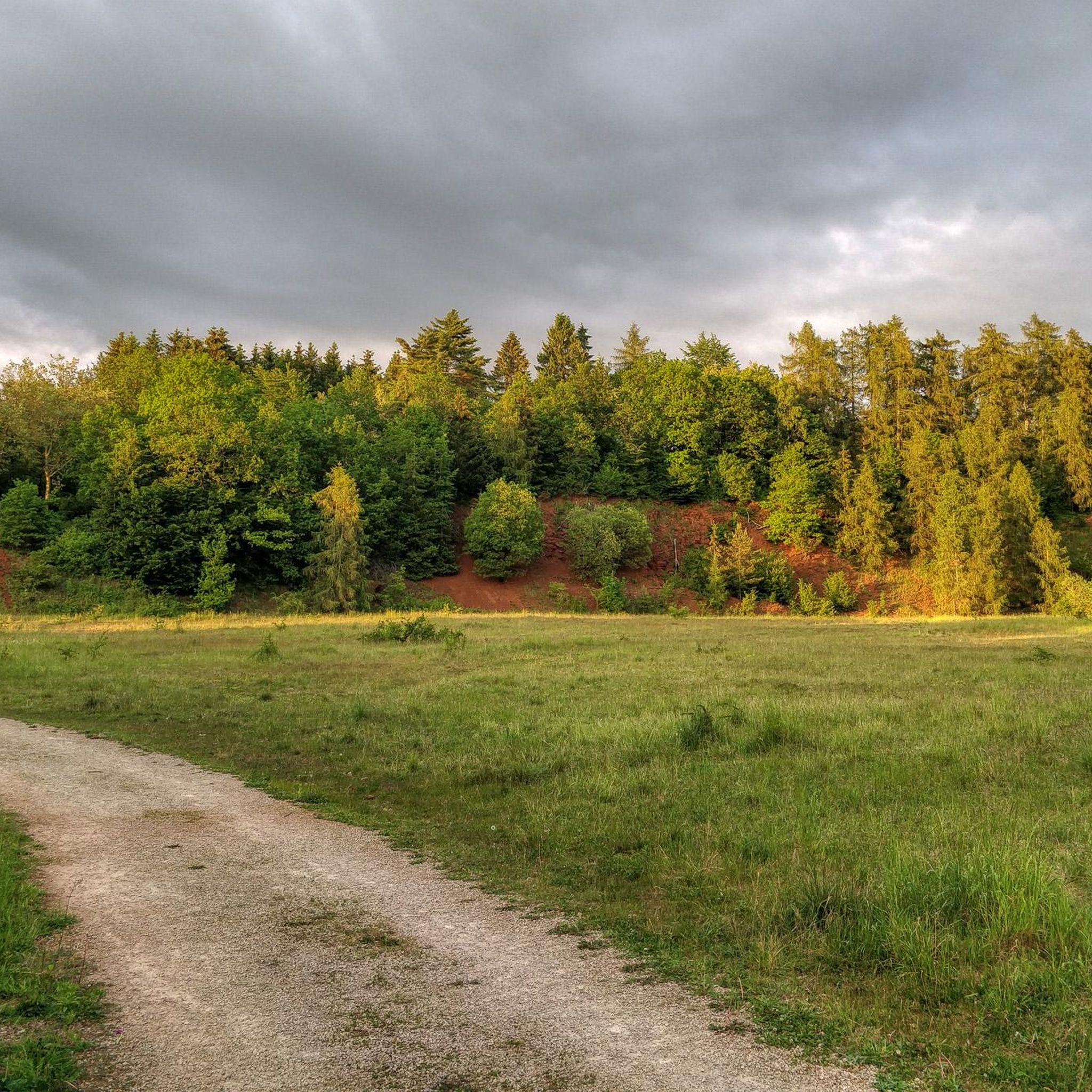
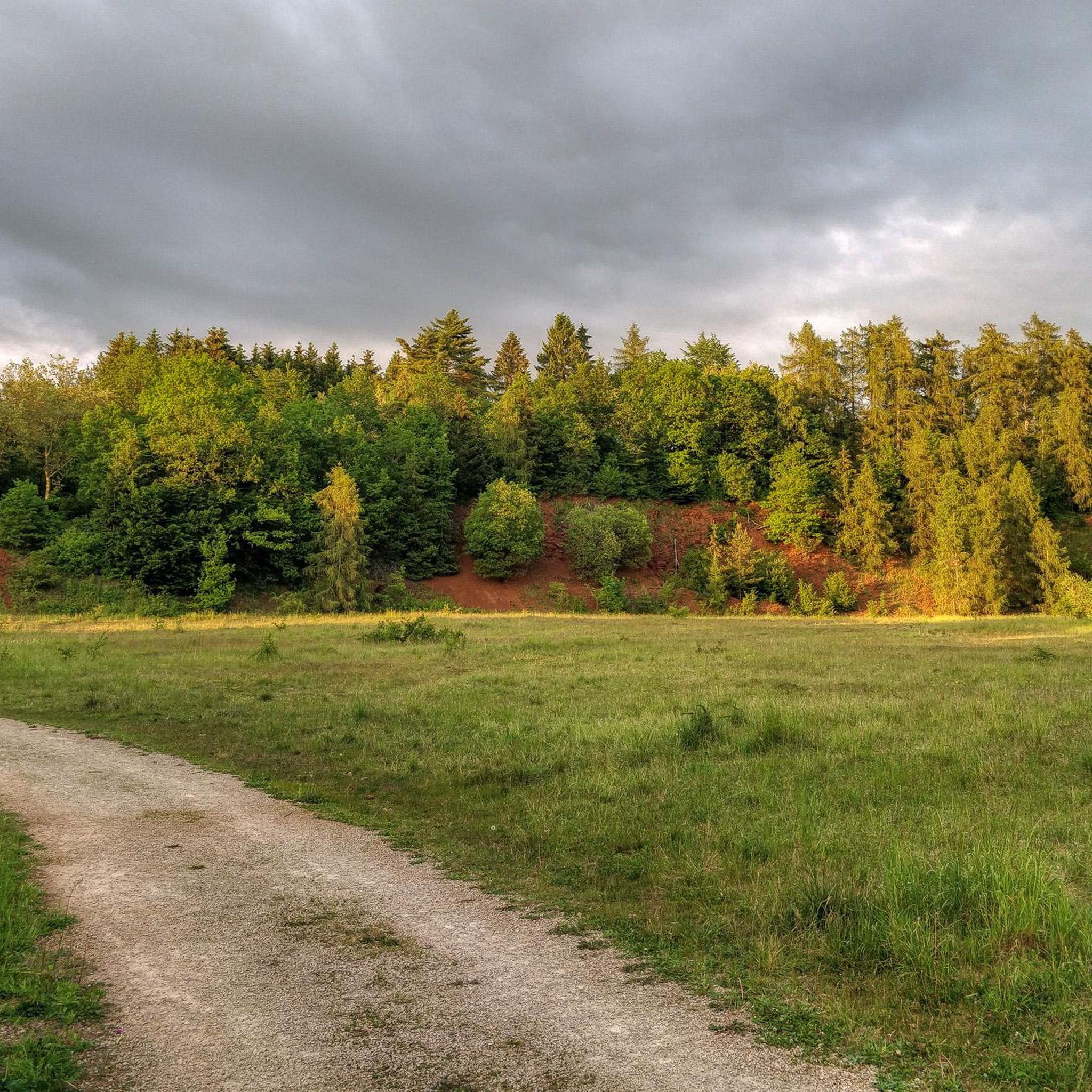
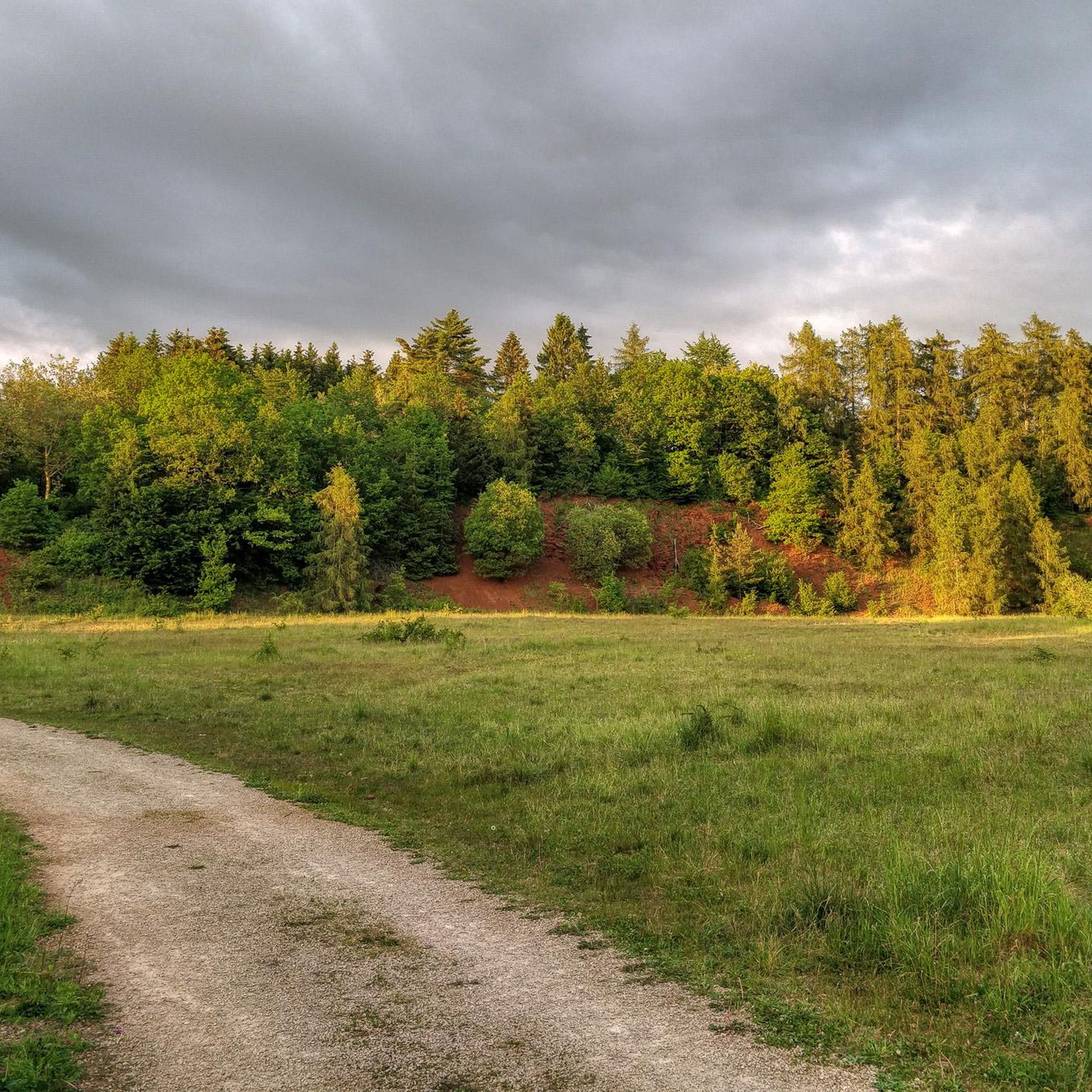
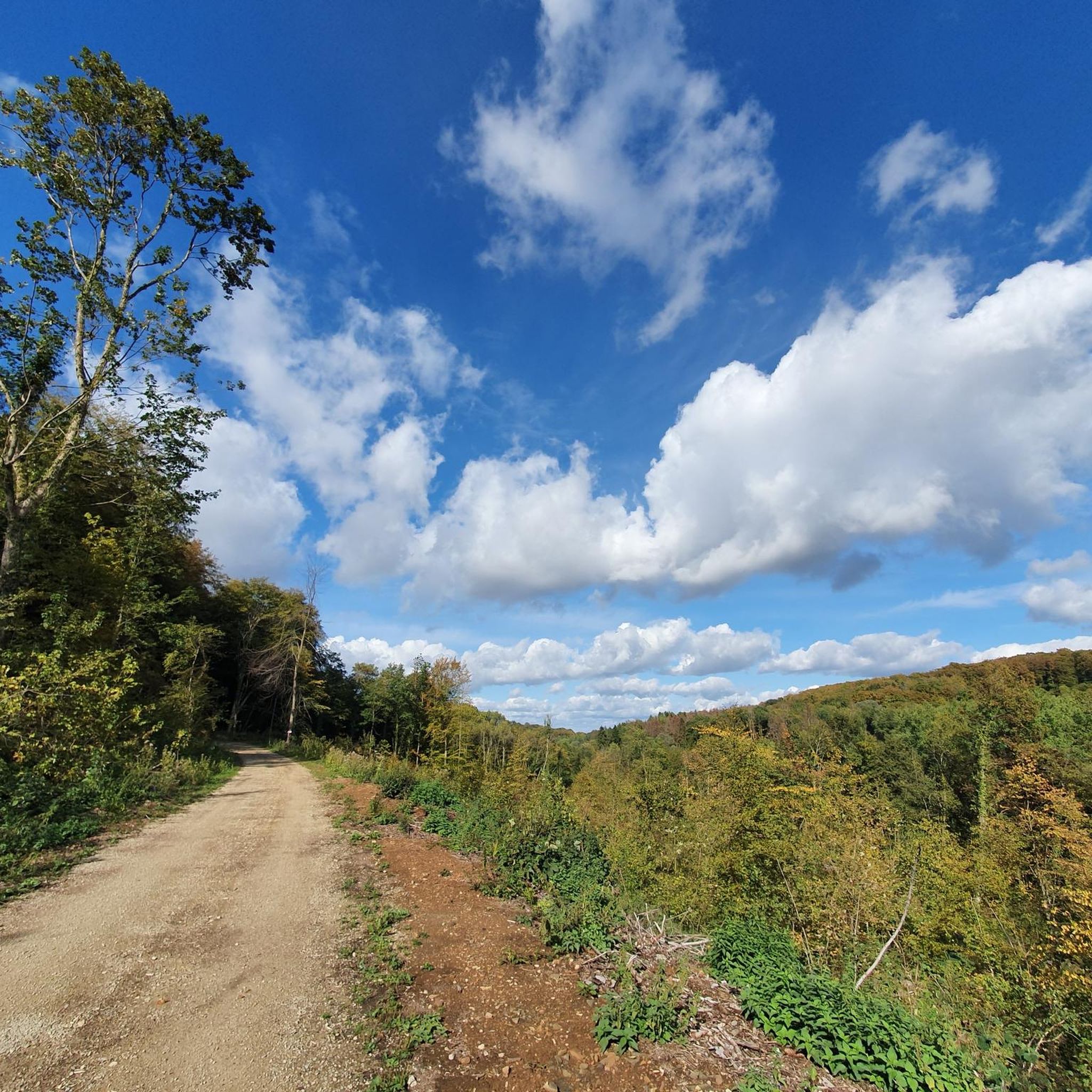
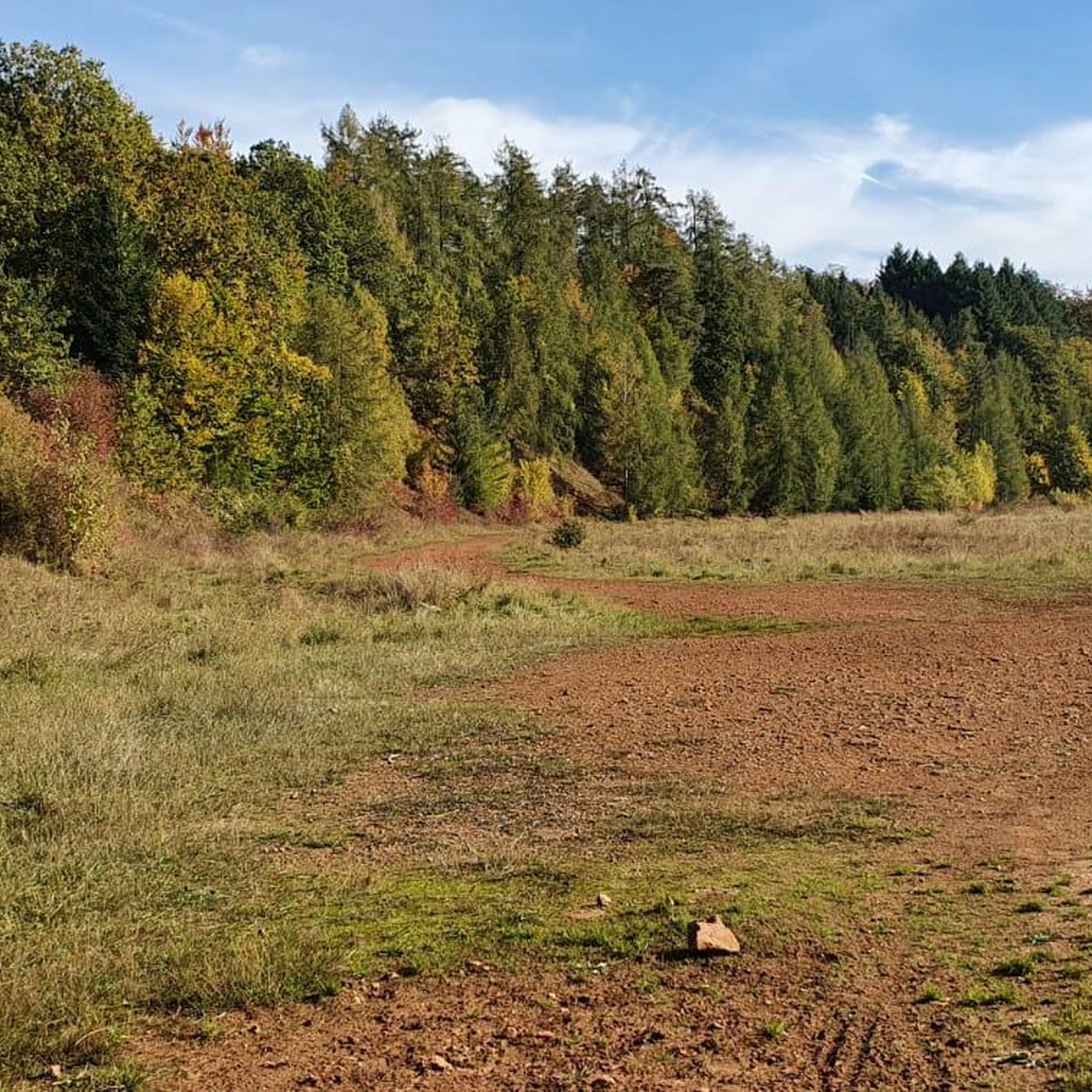
Tips from the Community

Intense red, rugged cliffs rise up next to the cycle path. The color is due to the ore. Really special!
1
0

In the south of the Grand Duchy of Luxembourg lies the land of red earth, called Minett by the Luxembourgers. The region owes its name to the strong red of the ore that was used at the beginning of the iron and steel industry in Luxembourg during the period of industrialization. Source: Luxembourg.public.lu Beautiful cycling and hiking path. Parking spaces directly at the mining museum
0
0

Super flowing trail with a cool Martian landscape.
2
1


If you don't get your money's worth here, you're doing something wrong! Great trails!
4
2

The steep wall was created by mining, but it is still a fascinating experience 👍
1
0

Very nicely laid out and signposted paths through the past.
4
0
Frequently Asked Questions
What unique natural features can I explore around Crusnes?
The region around Crusnes offers a blend of natural beauty and historical industrial landscapes. You can discover striking red rock formations, remnants of former mining areas, and serene river valleys. For example, the Red Rocks feature challenging trails amidst impressive stone giants, while the Red Cliff of the Former Iron Mine showcases the dramatic demolition edge from past ore mining.
Are there family-friendly natural monuments or trails near Crusnes?
Yes, there are options suitable for families. The Pfälzerbeschquelle is a family-friendly spring located in the middle of a forest, offering a pleasant and accessible natural spot. Additionally, the Red Rock Cliffs of Terres Rouges (not explicitly listed as a highlight but mentioned in the guide intro) are described as suitable for families, with cliffs colored by ore rising next to cycle paths.
What kind of wildlife and flora can I expect to see in the natural areas around Crusnes?
The natural areas, particularly those within the broader Lorraine Regional Natural Park, are rich in biodiversity. For instance, the Naturschutzgebiet Brucherbierg-Lallengerbierg, a former mining site, has been reclaimed by nature and is now home to dry grassland, bats, and over 500 species of butterflies amidst orchids. The Moulaine Valley Stream area is a nature reserve with a heavily forested valley.
What outdoor activities can I do near these natural monuments?
The region provides numerous opportunities for outdoor activities. You can explore various trails for hiking and walking, as well as cycling routes. For specific running trails, you can check out the Running Trails around Crusnes guide. If you prefer cycling, there are options for Gravel biking around Crusnes and Road Cycling Routes around Crusnes.
Are there any nature reserves or protected areas nearby?
Yes, the region is part of the larger Lorraine Regional Natural Park, which is dedicated to biodiversity preservation. Within this area, you'll find specific protected sites like the Naturschutzgebiet Brucherbierg-Lallengerbierg, a significant nature reserve spanning around 267 hectares, and the Moulaine Valley, which is also designated as a nature reserve.
What is the best time to visit the natural monuments around Crusnes?
The natural monuments and trails are generally accessible throughout the year. Spring and autumn offer pleasant temperatures for hiking and cycling, with vibrant flora in spring and colorful foliage in autumn. Summer is also popular, though some areas like the Moulaine Valley Stream can see more visitors. Winter visits are possible, but trails might be muddy or icy, so appropriate gear is recommended.
Are there challenging trails for experienced hikers?
Yes, for those seeking a challenge, the Red Rocks natural monument offers challenging trails through its unique stone formations. The Naturschutzgebiet Brucherbierg-Lallengerbierg also features challenging sections within its trails.
What should I wear or bring when visiting the natural monuments?
For most trails, comfortable hiking shoes are recommended, especially for areas with uneven terrain like the Red Rocks or former mining sites. Layered clothing is advisable to adapt to changing weather conditions. Don't forget water, snacks, and sun protection. If exploring nature reserves, binoculars can enhance wildlife viewing.
Can I bring my dog to the natural monuments and trails?
While specific regulations vary by location, many natural trails and areas in the region are dog-friendly, provided dogs are kept on a leash. It's always best to check local signage at specific natural monuments or nature reserves for any restrictions before your visit.
Are there any historical aspects tied to the natural monuments in this area?
Yes, the region has a strong industrial past, particularly related to iron ore mining. Many natural monuments, such as the Red Cliff of the Former Iron Mine and the Naturschutzgebiet Brucherbierg-Lallengerbierg, are former mining sites where nature has reclaimed the landscape, creating unique environments that tell a story of both natural and human history.
What do visitors enjoy most about the natural monuments around Crusnes?
Visitors frequently appreciate the unique geological formations, especially the striking red rocks and cliffs that are a legacy of the region's mining history. The transformation of former industrial sites into vibrant nature reserves, like the Naturschutzgebiet Brucherbierg-Lallengerbierg, is also highly valued. The well-signposted paths and the opportunity to discover hidden natural gems like the Moulaine Valley Stream are often highlighted.
Most popular attractions around Crusnes

Get inspired with the komoot mobile app


Explore more
Extend your search for the best caves by checking out these guides of the top ones around Crusnes:
