Top 12 Natural Monuments around Plouzané
Best natural monuments around Plouzané include a diverse range of coastal and inland features. This coastal town in Brittany, France, is known for its rugged rocky coastlines, dramatic cliffs, and sandy beaches. The area also features significant natural heritage sites, including inland natural spaces and historical landmarks. Plouzané offers varied landscapes for outdoor activities and nature appreciation.
Best natural monuments around Plouzané
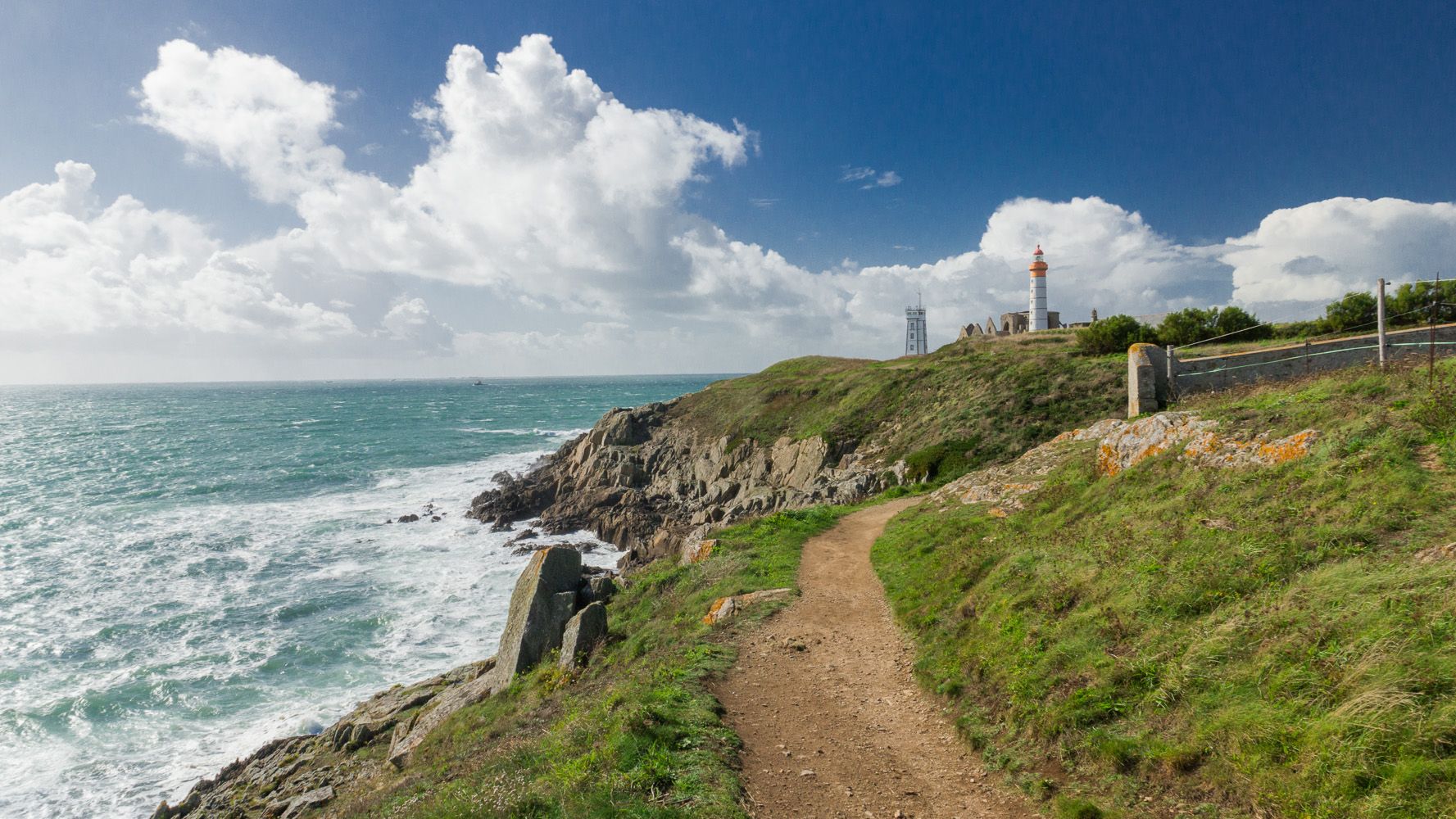
- The most popular natural monuments is Pointe de Pen-Hir, a viewpoint that is emblematic of the Crozon…
Last updated: October 8, 2026
Pointe de Pen-Hir
Highlight • Viewpoint
Translated by Google •
Tip by

Anse de Pen Hat
Highlight • Beach
Translated by Google •
Tip by

Sign up now to discover places like this
Get recommendations on the best single tracks, peaks, & plenty of other exciting outdoor places.
Tas de pois
Highlight • Viewpoint
Translated by Google •
Tip by

National Botanical Conservatory of Vallon du Stang-Alar
Highlight • Forest
The park is about 22 ha in size and was built in a former quarry in 1970.
Translated by Google •
Tip by

Kerloas Menhir
Highlight • Historical Site
It was erected around 5,000 …
Tip by

Sign up for free to discover even more natural monuments around Plouzané.
Already have an account?
Start today with a free account
Your next adventure awaits.

Other adventures around Plouzané

Tips from the Community

The Pointe de Penhir is a rocky cape on the Crozon Peninsula in the Finistère department in Brittany. It belongs to the municipality of Camaret-sur-Mer. Les Tas de Pois, the Pea Islands, lie in front of it.
0
0
This place is a tip for all weather conditions. In fog, it appears almost mystical and mysterious, and in sunshine, the beach invites a visit. You can often observe surfers on the beach. Swimming is forbidden there due to the strong Atlantic current.
0
0

Located between Pointe de Pen Hir and Pointe de Toulinguet, Plage Pen Hat is a stunning sandy beach surrounded by rugged cliffs. However, swimming out is not recommended, as there are sometimes high surf waves and strong undertows that should not be underestimated. Pen Hat is particularly popular with experienced surfers from all over the world. Above Pen Hat runs a coastal path offering magnificent views of Pen Hir and the Atlantic Ocean.
4
0

Absolutely worth seeing; a boat trip there is highly recommended - trips are offered.
0
0

Past the menhir, breathtaking view of Ouessant (in clear weather:))
0
0

In the hollow of the valley, a small stream meanders, feeding many ponds and a waterfall. Perfect for recharging your batteries. This arboretum is sumptuous. You will find incredible tree species, sequoias, eucalyptus, magnolias, giant bamboos and an alley planted with absolutely remarkable tree ferns. On the water, a beautiful diversity of birds, cormorants, herons, egrets, ducks, and kingfishers among others. Good walk a stone's throw from the beach and the marina of the marina.
0
0

In the heart of the Vallon du Stang-Alar, the Botanical Conservatory garden is nestled in a former quarry. The 30-hectare site was chosen for its mild climate, steep slopes and the presence of water, which make it an exceptional place where plants from all over the world can be grown. The site is crossed by wide and narrow, stabilized paths, as well as forest trails. Opening hours Conservative garden: open every day from 9:00 a.m. to 6:00 p.m., until 8:00 p.m. in summer.
2
0

Very spectacular with gigantic views and impressions
2
0
Frequently Asked Questions
What are the most popular natural monuments around Plouzané?
The region around Plouzané offers a diverse range of natural monuments. Highly regarded spots include the dramatic coastal views from Pointe de Pen-Hir and the unique rock formations of Tas de pois. The iconic Pointe du Petit Minou with its lighthouse and the rugged Cliffs of Déolen are also very popular for their stunning landscapes and historical significance.
Are there family-friendly natural monuments around Plouzané?
Yes, several natural monuments are suitable for families. The National Botanical Conservatory of Vallon du Stang-Alar is a great choice, offering a tranquil 30-hectare park with diverse plant species and wide, stabilized paths. The Kerloas Menhir, France's tallest menhir, provides an interesting historical stop. The Site de Bodonou, a transformed quarry with 8 km of paths and a historic chapel, is also ideal for a family outing.
What kind of natural features can I expect to see around Plouzané?
Plouzané is known for its rugged coastal landscapes, featuring dramatic cliffs, sandy beaches, and prominent headlands. Inland, you'll find green spaces, botanical gardens, and unique geological formations. Expect to see stunning ocean views, ancient rock formations, diverse plant life, and tranquil forest areas.
What outdoor activities can I do near these natural monuments?
The natural monuments around Plouzané are excellent starting points for various outdoor activities. You can explore numerous hiking trails, including sections of the GR 34 long-distance path, which passes through sites like Pointe du Petit Minou and the Cliffs of Déolen. The area is also popular for running and mountain biking. For specific routes, you can find options like the 'Fort du Mengant – Mégan-Minou Coastal Path loop' for hiking or the 'Petit Minou Lighthouse – Deolen to Trégana Coastal Path loop' for mountain biking on the Plouzané guide page.
Are there good hiking trails near the natural monuments?
Absolutely. Many natural monuments are integrated into the region's extensive hiking network. The GR 34 coastal path offers breathtaking walks along the cliffs and headlands, including at Pointe du Petit Minou and the Cliffs of Déolen. You can find various hiking routes, such as the 'Chapelle de Bodonou – Etang bodonou loop' or the 'Petit Minou Lighthouse – Fort de Toulbroc'h loop', on the Hiking around Plouzané guide.
What historical or cultural sites are integrated with the natural monuments?
Several natural monuments in the area have significant historical and cultural connections. At Pointe du Petit Minou, you'll find a historic lighthouse dating back to 1848 and the 17th-century Fort du Minou. The Cliffs of Déolen played a role in transatlantic telegraph communications, with remnants still visible. The Site de Bodonou features the 16th-century Bodonou Chapel, known for its unique architecture and polychrome statues. The Kerloas Menhir is an ancient megalithic monument, reputed to be the tallest in France.
Can I go surfing near the natural monuments?
Yes, the Plouzané coastline is known for its surfing spots. Anse de Pen Hat is particularly popular with experienced surfers due to its strong waves and undertows. The Plage du Petit Minou and Déolen Cove also offer excellent conditions for surfing.
What is the best time to visit the natural monuments around Plouzané?
The natural monuments around Plouzané are beautiful year-round. Spring and summer offer milder weather, ideal for hiking and enjoying the beaches, with longer daylight hours. Autumn can provide dramatic coastal views with powerful waves. Even in winter, the rugged coastline offers a spectacular, wild setting, especially for those interested in photography or a bracing walk.
Are there any unique geological features to observe?
Yes, the region boasts remarkable geological formations. The Falaises du Corréjou, though slightly further afield in Camaret-sur-Mer, are notable for a slab of Armorican sandstone displaying fossilized sand ripples from 475 million years ago. The Cliffs of Déolen are characterized by vertiginous rock faces and caves carved by the powerful waves, offering a dramatic spectacle.
What do visitors enjoy most about the natural monuments in Plouzané?
Visitors frequently praise the stunning panoramic views, especially at sunset, from viewpoints like Pointe de Pen-Hir and Tas de pois. The wild and untamed nature of the coastline, the historical elements like lighthouses and forts, and the opportunities for diverse outdoor activities such as hiking and surfing are also highly appreciated. The tranquility and biodiversity of sites like the National Botanical Conservatory also receive positive feedback.
Are there any natural monuments suitable for wildlife observation?
The natural areas around Plouzané are home to diverse wildlife. The Site de Bodonou, a 127-hectare natural area, is a significant biodiversity hotspot, offering opportunities to observe various animal and plant species. The hiking trails along the Cliffs of Déolen also provide a chance to spot diverse wildlife, including birds and reptiles.
Most popular routes around Plouzané
Most popular attractions around Plouzané

Get inspired with the komoot mobile app


Explore more
Extend your search for the best caves by checking out these guides of the top ones around Plouzané:
