Top 8 Natural Monuments around Molezon
Best natural monuments around Molezon are situated within the Cévennes National Park, a UNESCO World Heritage Site in the Lozère department of southern France. This region is characterized by diverse natural landscapes, including mountains, valleys, and rivers. The park offers a variety of geological features and protected areas, making it a notable destination for exploring natural attractions.
Best natural monuments around Molezon
- The most popular natural monuments is La Can de l’Hospitalet, a viewpoint that is a plateau separated…
Last updated: June 20, 2026
La Can de l’Hospitalet
Highlight (Segment) • Viewpoint
Translated by Google •
Tip by

Menhir at the Col de la Pierre Plantée
Highlight • Monument
Translated by Google •
Tip by

Sign up now to discover places like this
Get recommendations on the best single tracks, peaks, & plenty of other exciting outdoor places.
Sign up for free
Cairn and Panorama
Highlight • Viewpoint
Translated by Google •
Tip by
Col des Abeilles
Highlight • Mountain Pass
Translated by Google •
Tip by

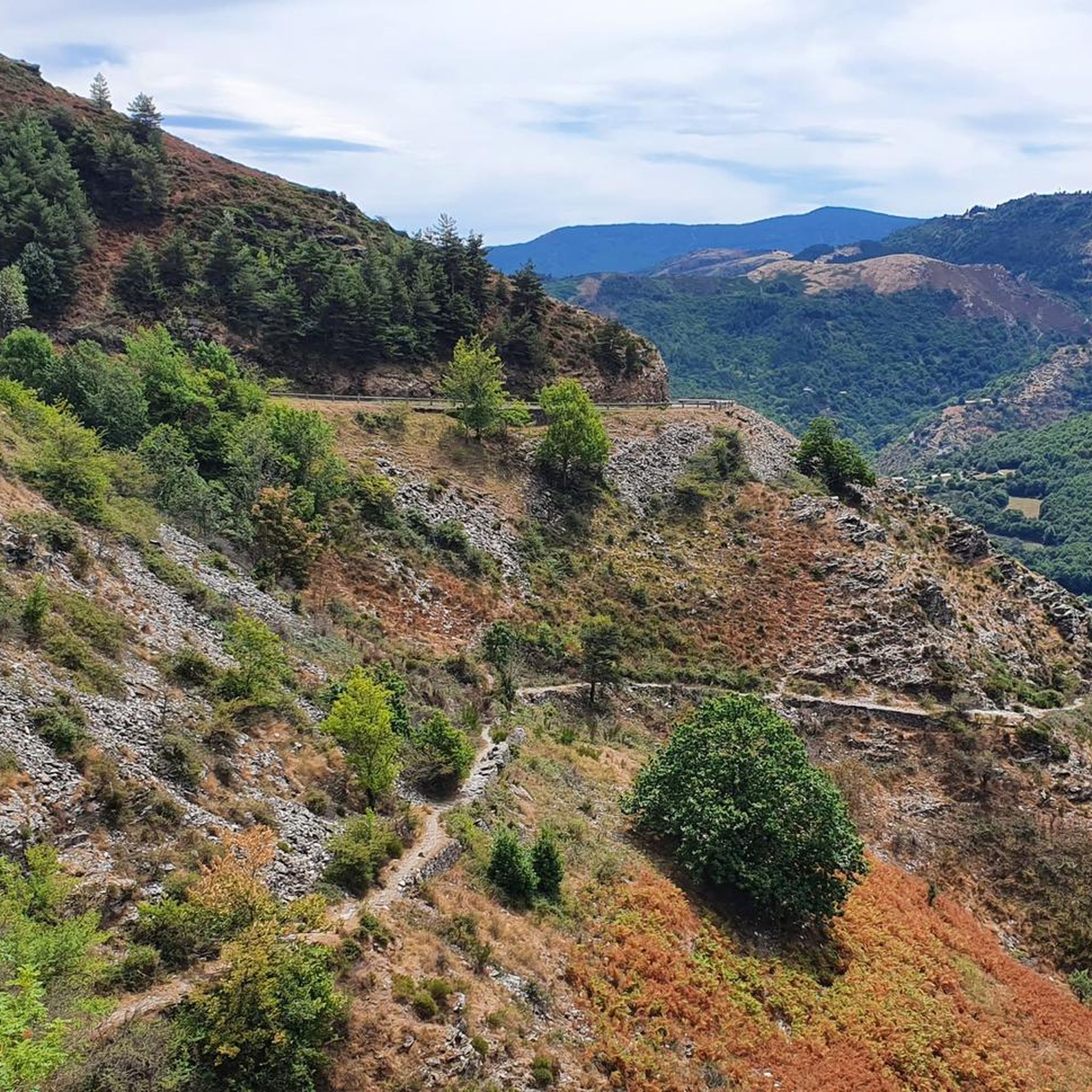
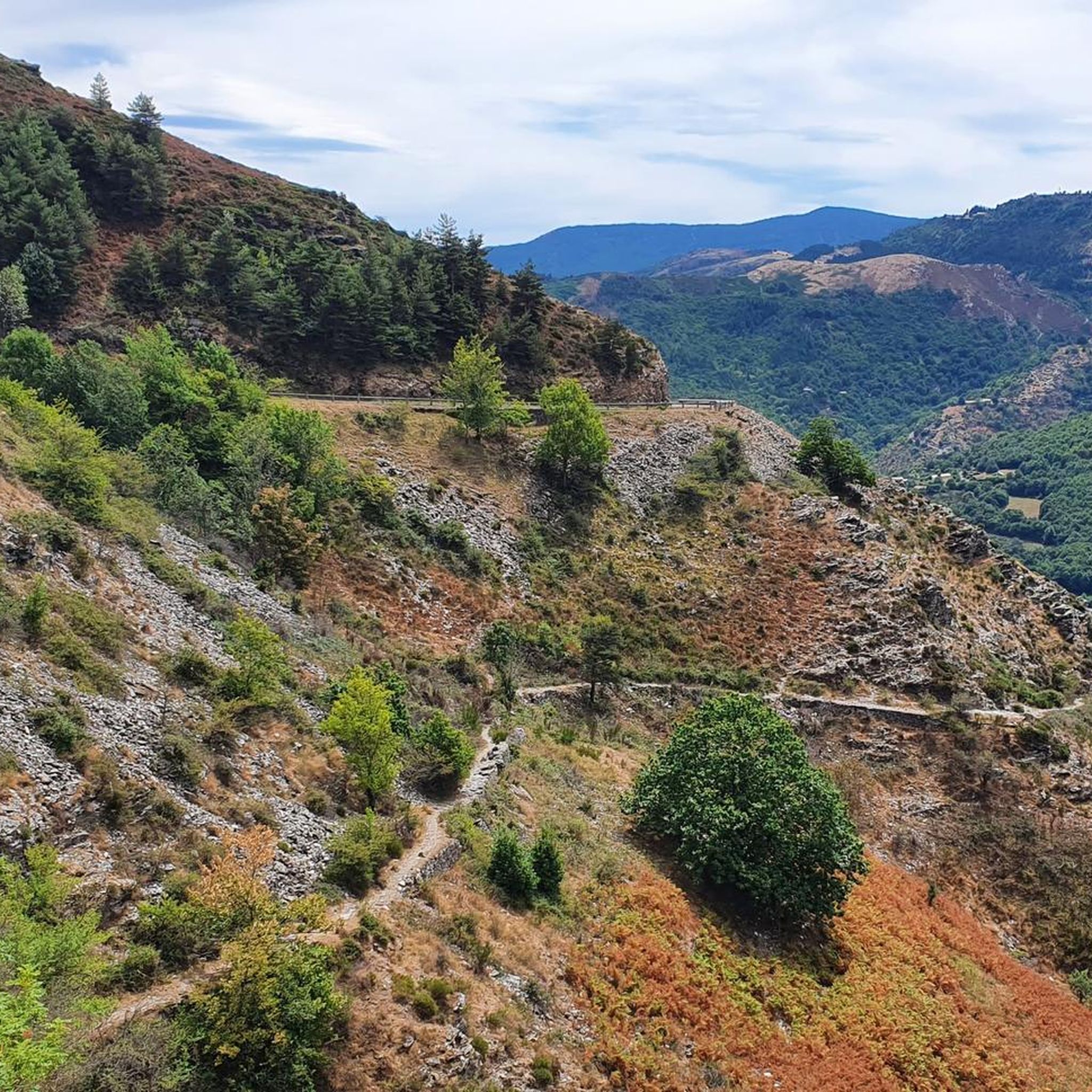
Twisted Tree on the Lique Ser Trail
Highlight (Segment) • Natural Monument
Today the path leads to Departmental 9: the Corniche …
Translated by Google •
Tip by
Sign up for free to discover even more natural monuments around Molezon.
Sign up for free
Already have an account?
Start today with a free account
Your next adventure awaits.
Login or Signup
Tips from the Community


I don't think this is a real highlight. Le Cayla, right next door and slightly higher, is much better and should definitely be visited!
0
0

The Lique Ser trail linked Saint-André-de-Valborgne to Pompidou and was protected by the Château de Nogaret built in the 12th century. Today the path leads to Departmental 9: the Corniche des Cévennes, which offers magnificent panoramas and which was built for the circulation of the king's troops during the war of the Camisards.
0
0
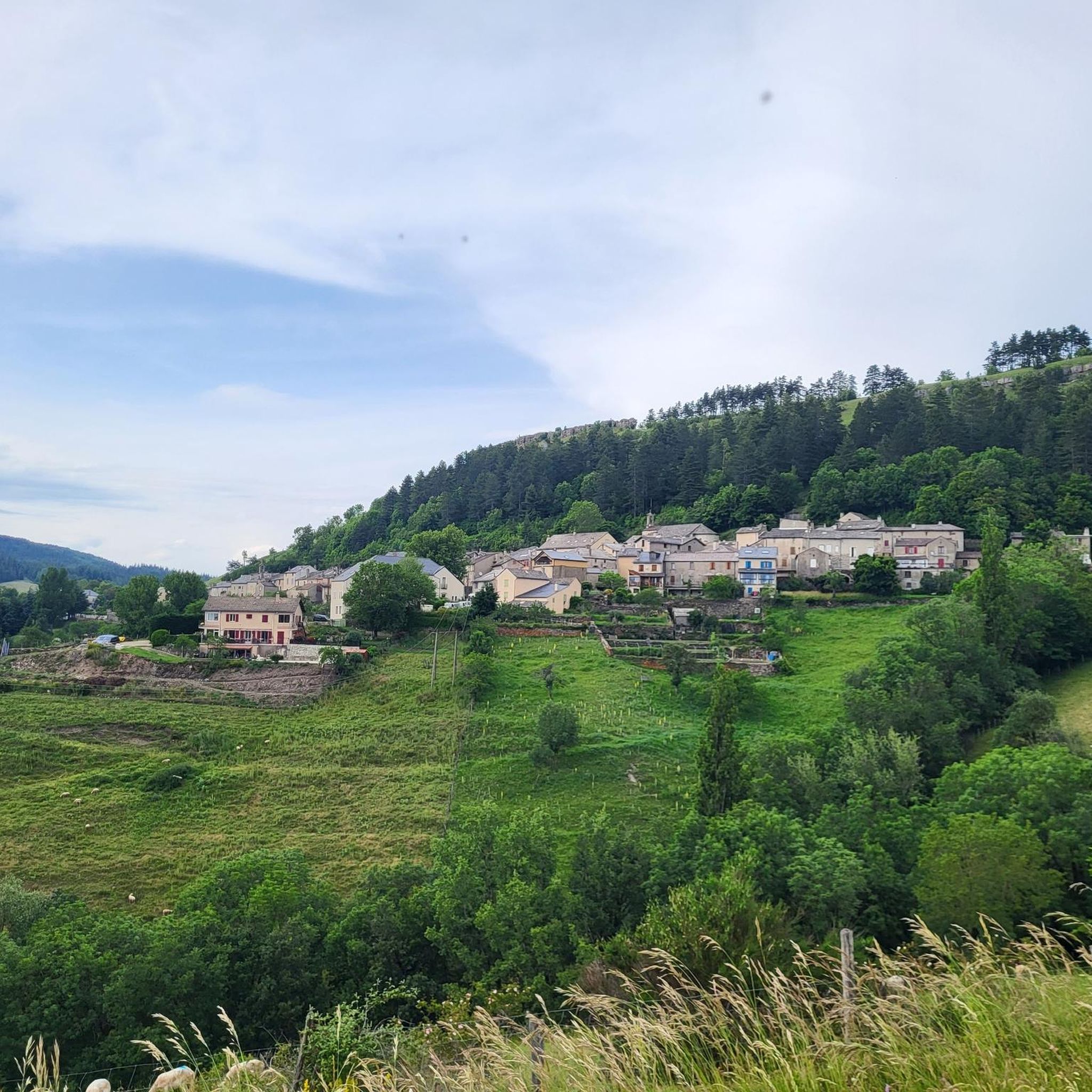
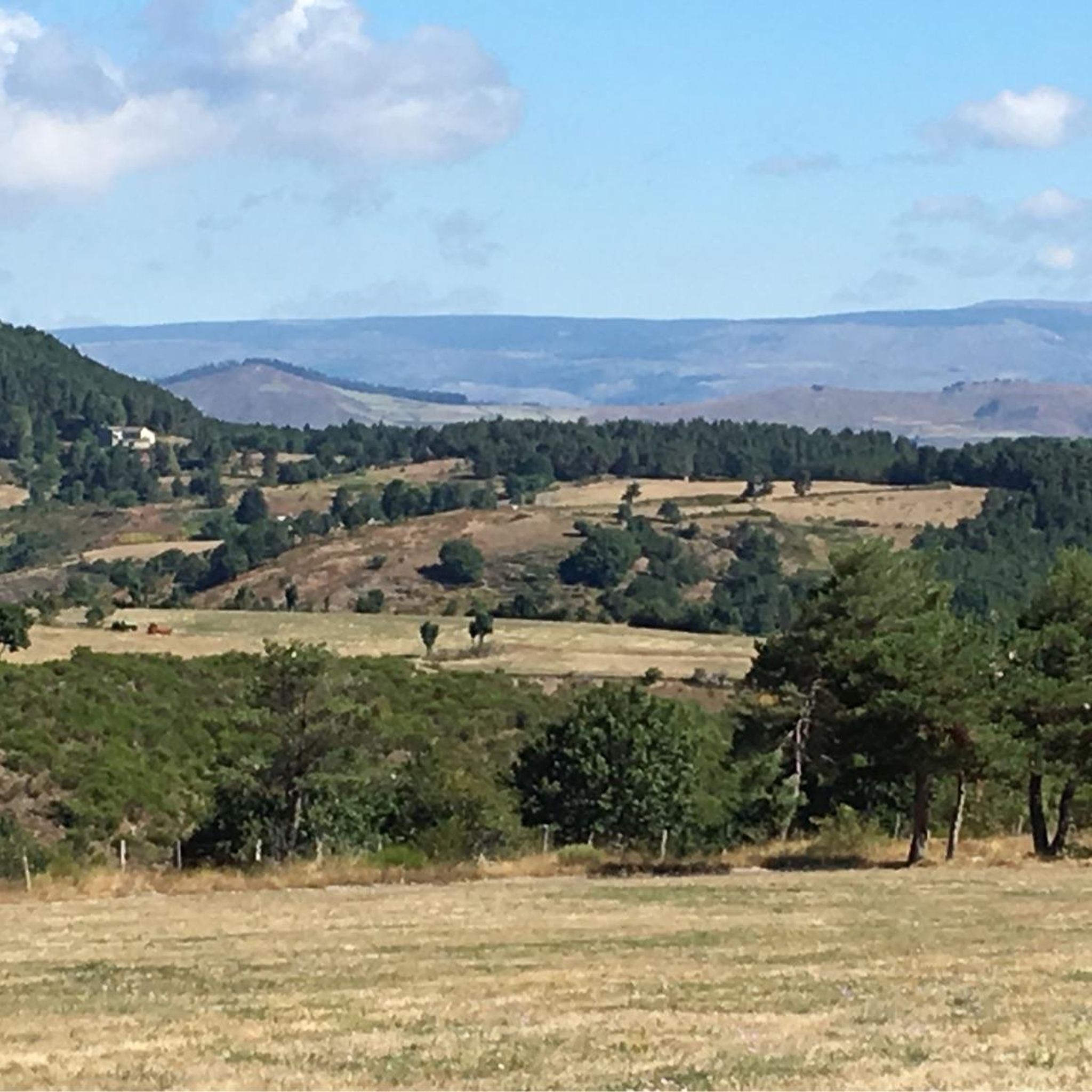
The Can de l'Hospitalet is a plateau separated from the Causse Méjean by the Tarnon. It offers magnificent views of the Cévennes. Its highest point, the Serre de Montgros, culminates at an altitude of 1,111m.
0
0
Impressive montjoie (cairn) marking a magnificent panorama of the Cévennes along the GR70 (Stevenson path) and GR68 (Tour du Mont Lozère).
1
0


The Pierre Plantée menhir testifies to the human presence in the region during the Neolithic period. Like what Stevenson was far from being a pioneer of the Cévennes!
0
0
Frequently Asked Questions
What are some unique natural monuments to explore near Molezon?
Beyond the well-known spots, you can discover the dramatic landscapes of the La Can de l’Hospitalet plateau, offering expansive views of the Cévennes. Another intriguing site is the Twisted Tree on the Lique Ser Trail, a natural curiosity along a historic path. For geological wonders, the Chaos de Nîmes-le-Vieux presents a surreal landscape of eroded dolomitic rock formations, and the Abîme de Bramabiau is a chasm where a river disappears underground.
What kind of geological formations can I expect to see around Molezon?
The region around Molezon, particularly within the Cévennes National Park, is rich in diverse geological features. You can explore the eroded dolomitic rock formations of the Chaos de Nîmes-le-Vieux, the impressive underground river system at the Abîme de Bramabiau, and the spectacular stalagmites within the Aven Armand cave. The Gorges du Tarn also showcase dramatic cliffs and deep river valleys carved into the landscape.
Are there opportunities for hiking near these natural monuments?
Yes, the Cévennes National Park, which encompasses many of these natural monuments, boasts 5,000 km of marked trails. You can find numerous hiking opportunities, from easy strolls to challenging treks. For specific routes, consider exploring the trails listed in the Hiking around Molezon guide, which includes routes like the 'Bézuc Trail' and 'Views over Val Française – La Can de l’Hospitalet loop'.
Which natural monuments offer the best panoramic views?
For breathtaking panoramic views, consider visiting La Can de l’Hospitalet, a plateau with magnificent vistas of the Cévennes. The Cairn and Panorama also offers an impressive outlook along the GR70 and GR68 trails. Further afield, Mont Aigoual provides extensive views that can stretch to the Mediterranean Sea and the Alps on clear days, while Mont Lozère offers expansive, unobstructed views from its highest point, Pic de Finiels.
Are there any historical or cultural sites among the natural monuments?
Yes, the region blends natural beauty with historical significance. The Menhir at the Col de la Pierre Plantée is a notable historical site, testifying to human presence in the region during the Neolithic period. The Cévennes National Park itself is a UNESCO Man and Biosphere Programme site, recognized for its rich cultural heritage alongside its biodiversity. The Lique Ser Trail, near the Twisted Tree, also has historical ties to the Corniche des Cévennes and the War of the Camisards.
Is the Cévennes National Park accessible for families with children?
The Cévennes National Park offers a variety of experiences suitable for families. Many trails are well-maintained, and there are numerous viewpoints and natural attractions that can be enjoyed by all ages. While specific accessibility for strollers or wheelchairs varies by site, many areas offer relatively easy access. For example, the Gorges du Tarn provides opportunities for river sports and exploring charming villages, which can be fun for families.
Can I bring my dog to the natural monuments around Molezon?
Generally, dogs are permitted in many parts of the Cévennes National Park, but often on a leash, especially in protected areas or near livestock. It's always best to check specific regulations for individual sites or trails within the park, as rules can vary. For instance, some nature reserves or underground sites might have restrictions.
What is the best time of year to visit the natural monuments near Molezon?
The best time to visit is typically from spring to autumn (April to October) when the weather is mild and most suitable for outdoor activities like hiking and exploring. Spring brings blooming wildflowers, while autumn offers vibrant foliage. Summer is popular but can be hot, especially in the valleys. Winter can be beautiful, particularly in higher elevations like Mont Aigoual and Mont Lozère, but some trails or roads may be inaccessible due to snow.
Are there cycling or mountain biking trails near these natural monuments?
Yes, the region offers excellent opportunities for both cycling and mountain biking. The Cévennes National Park has extensive trails suitable for various skill levels. You can find routes in the MTB Trails around Molezon guide, including challenging rides like the 'Gorges du Tarn Trail'. For road cycling, the Cycling around Molezon guide features routes such as 'From Barre-des-Cévennes to Cassagnas'.
What do visitors enjoy most about the natural monuments around Molezon?
Visitors frequently appreciate the stunning panoramic views, the diverse geological formations, and the sense of tranquility found in the Cévennes. The opportunity to explore unique sites like the La Can de l’Hospitalet plateau and the historical significance of the Menhir at the Col de la Pierre Plantée are also highly valued. Many enjoy the extensive network of hiking trails and the chance to connect with nature in this protected environment.
Where can I find accommodation or places to eat near the natural monuments?
Molezon itself is a charming village that can serve as a base. Nearby towns like Florac and Le Pont de Montvert, located within or close to the Cévennes National Park, offer various accommodation options, from guesthouses to hotels, as well as local cafes and restaurants. It's advisable to book in advance, especially during peak season, as the region is popular with outdoor enthusiasts.
Most popular attractions around Molezon

Get inspired with the komoot mobile app


Explore more
Extend your search for the best caves by checking out these guides of the top ones around Molezon:
